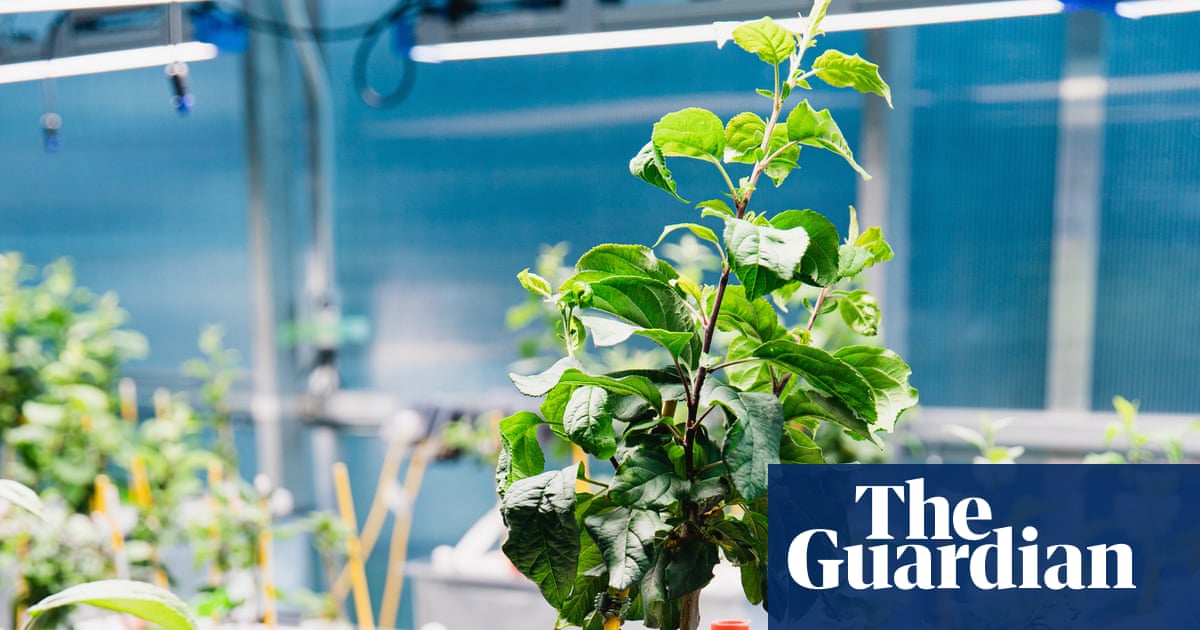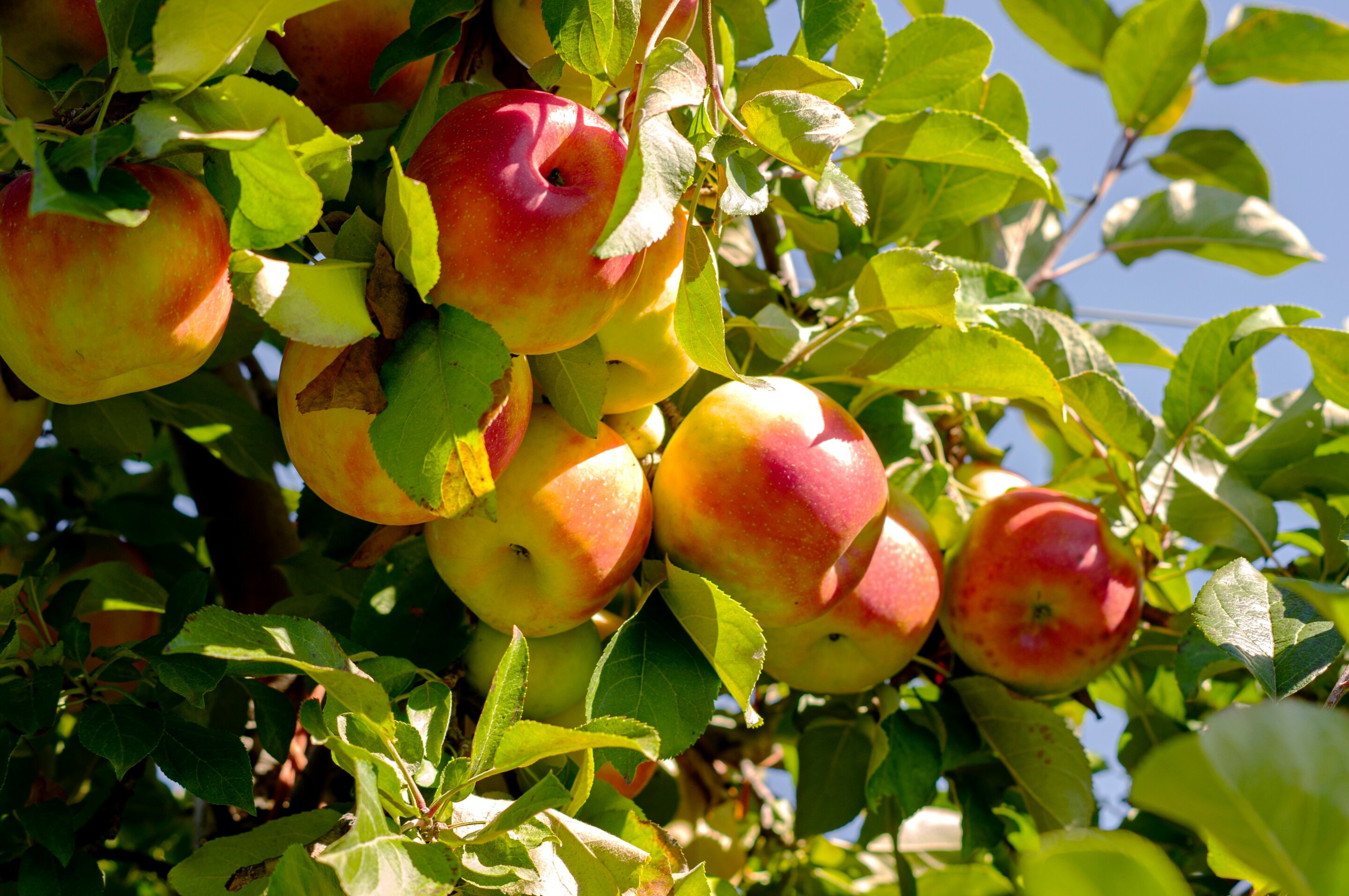
As drought and water uncertainty put increasing pressure on orchard systems, researchers at the USDA Agricultural Research Service's Appalachian Fruit Research Station in Kearneysville, West Virginia, launched a study in response to strong grower interest in how modern apple rootstocks hold up under drought stress. Apple producers have been looking for clearer, science-based answers about which rootstocks may perform better when water is limited, particularly as intensive production systems expand and weather becomes less predictable.
Apple trees do not all respond to drought in the same way. The rootstock—the lower portion of a grafted tree—plays a significant role in determining how a tree tolerates water stress. Results of the study show that apple rootstocks vary considerably in their ability to tolerate prolonged drought. Differences were observed in water use efficiency, growth regulation and physiological stress indicators as soil moisture declined. Some rootstocks maintained more stable performance under reduced irrigation, while others exhibited early stress responses as drought conditions intensified.
The findings highlight the importance of rootstock selection as a practical tool for managing orchards under limited water supplies. Threshold-based irrigation approaches used in the study demonstrate how growers may be able to conserve water while minimizing negative impacts on tree performance, particularly when paired with drought-tolerant rootstocks.