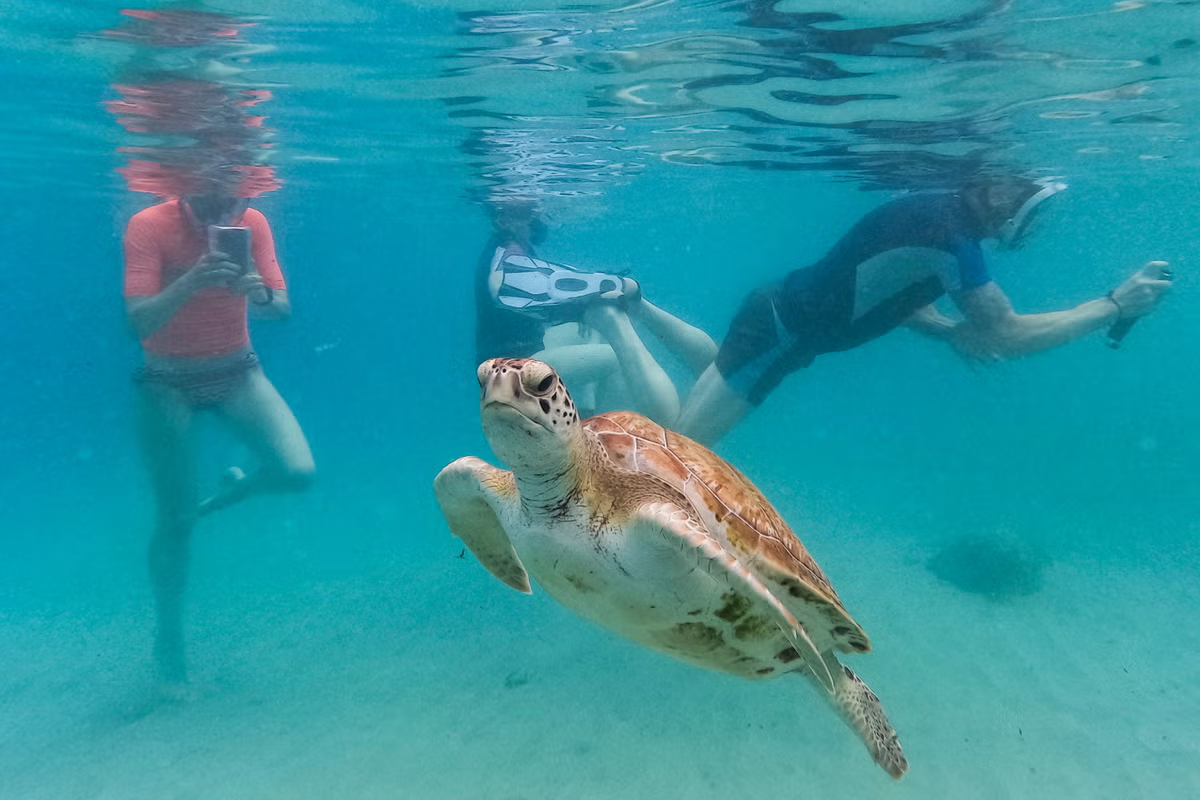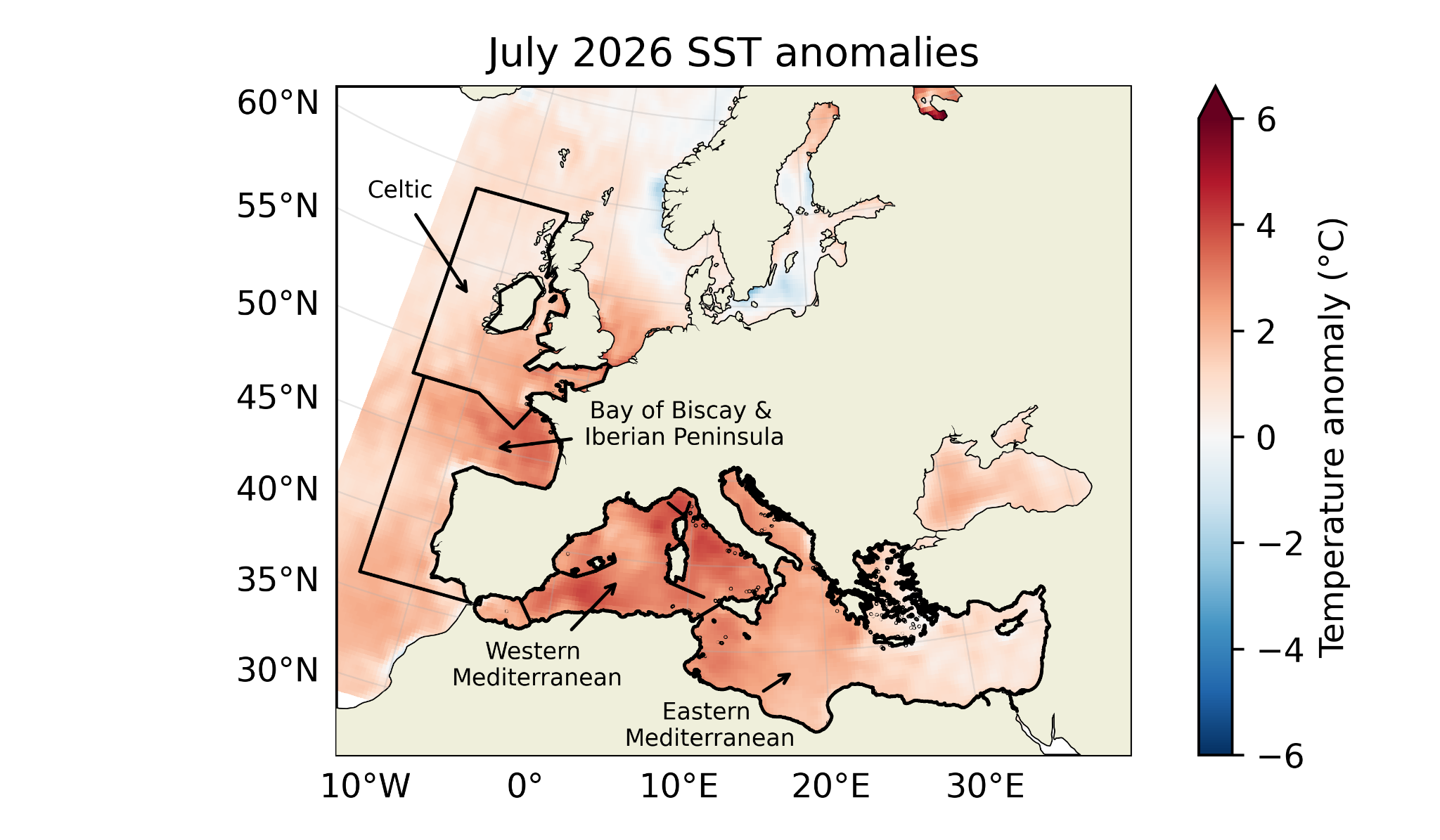
The study provides critical evidence of how climate change is reshaping ocean ecosystems and the urgency of accelerating solutions. Credit: King Abdullah University of Science and Technology (KAUST)
Researchers at King Abdullah University of Science and Technology (KAUST) led one of the first global assessments of how marine ecosystems responded during the first year when global temperatures temporarily exceeded 1.5°C above pre-industrial levels.
Healthy marine ecosystems support biodiversity, fisheries, tourism and economic development around the world, yet scientists have lacked a global picture of how marine life responds when challenged with rising sea temperatures during periods when global warming exceeds 1.5°C—a benchmark identified in the Paris Agreement as important for limiting the most severe impacts of climate change.
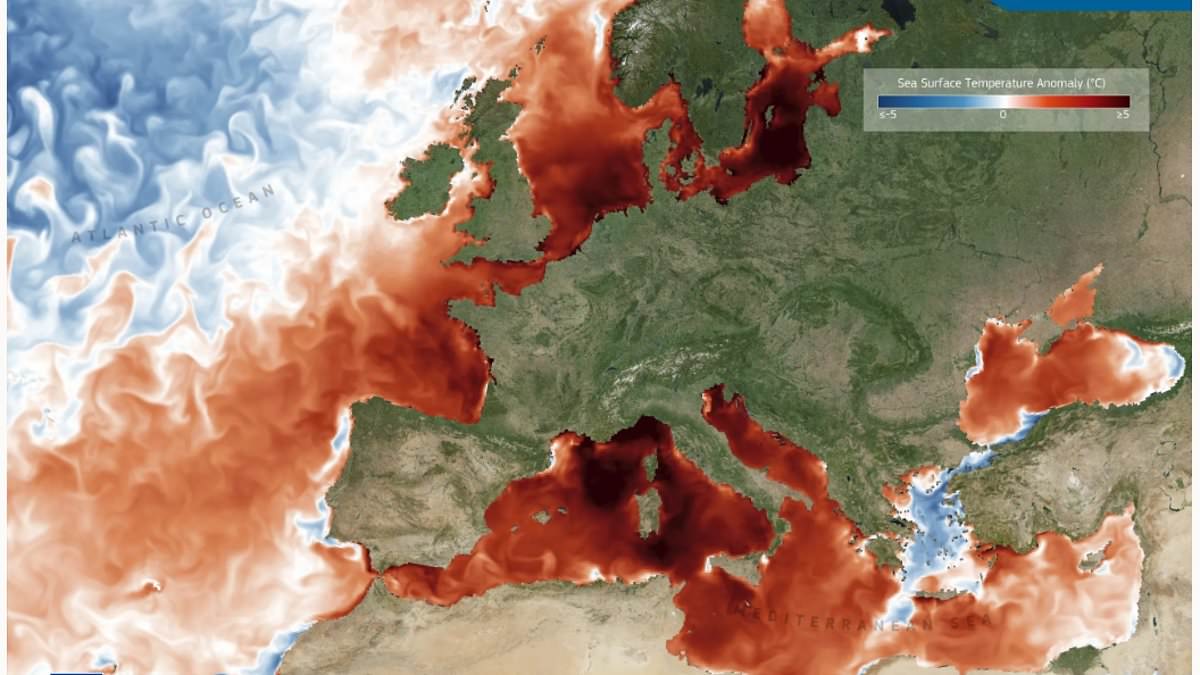
The study analyzed 201 ecological impact events across the world's oceans, drawing on scientific literature, monitoring programs and documented observations from around the world to create one of the largest and most comprehensive records assembled to date of marine ecosystem impacts during an unprecedented period of ocean warming.
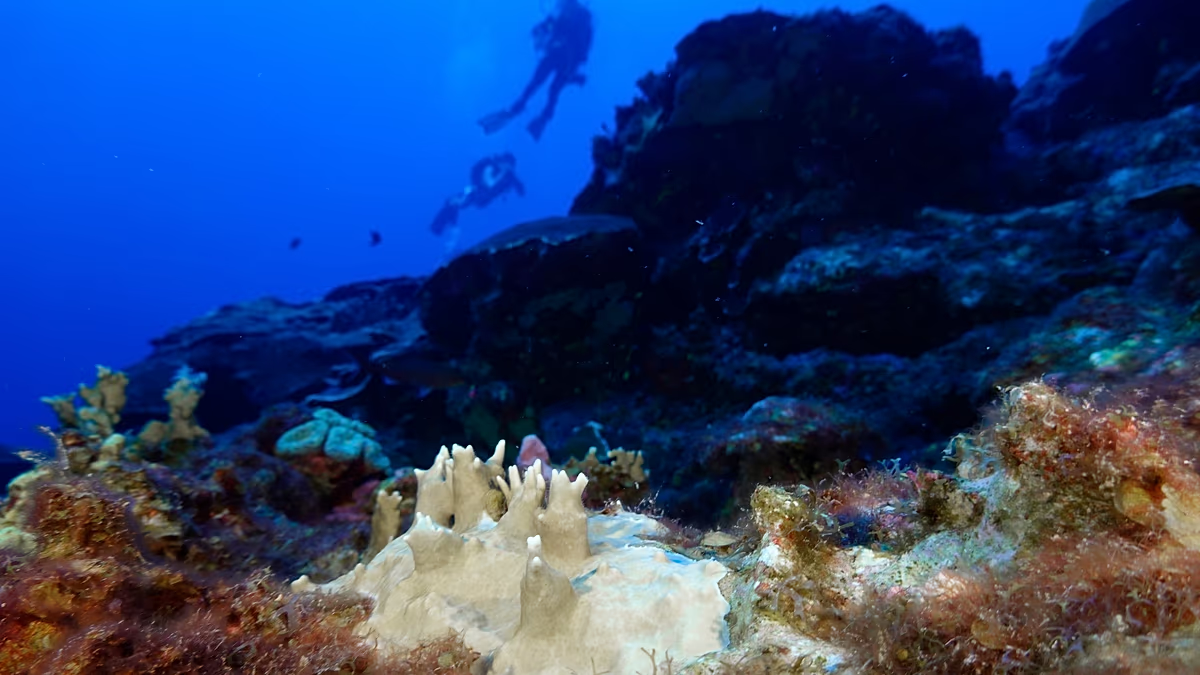
Published in One Earth, the study documented impacts ranging from coral bleaching and harmful algal blooms to species mortality, habitat disruption and fisheries impacts.