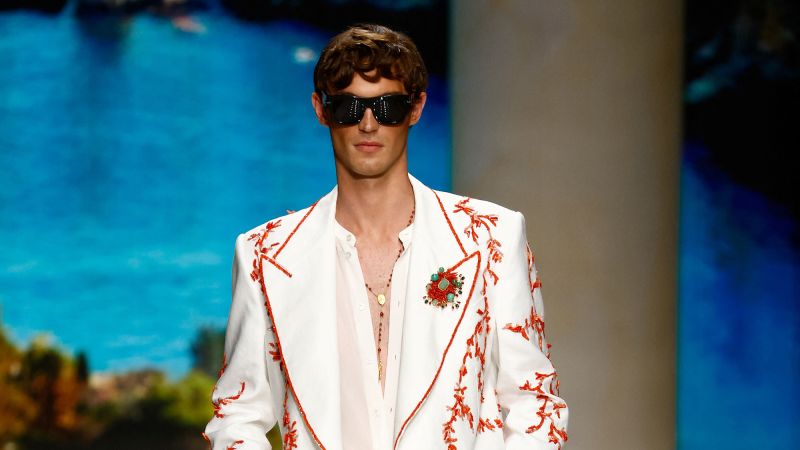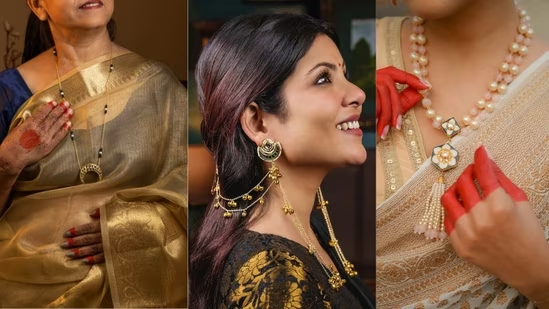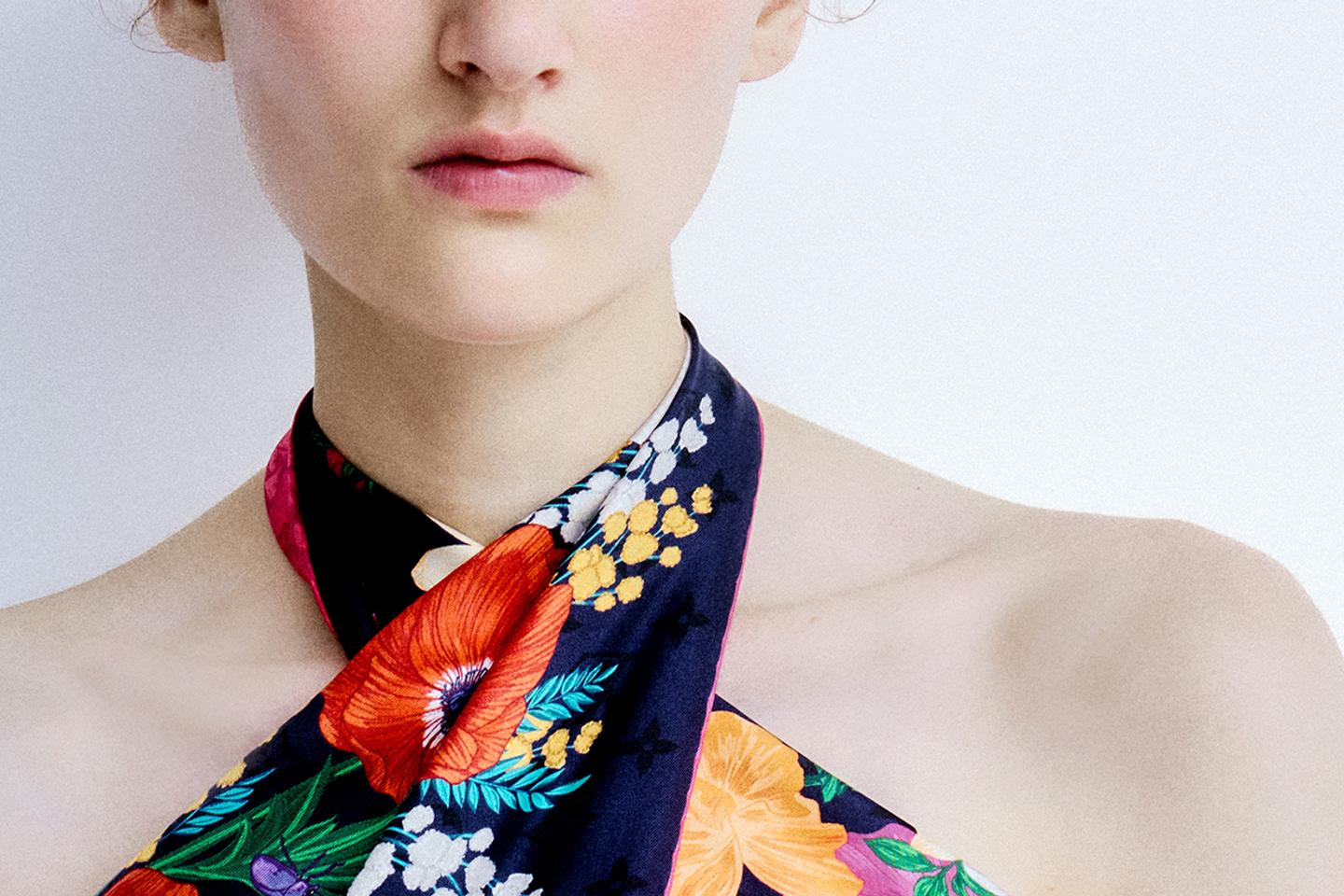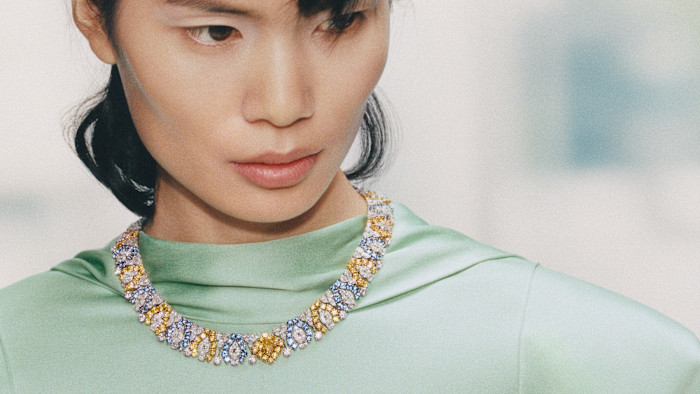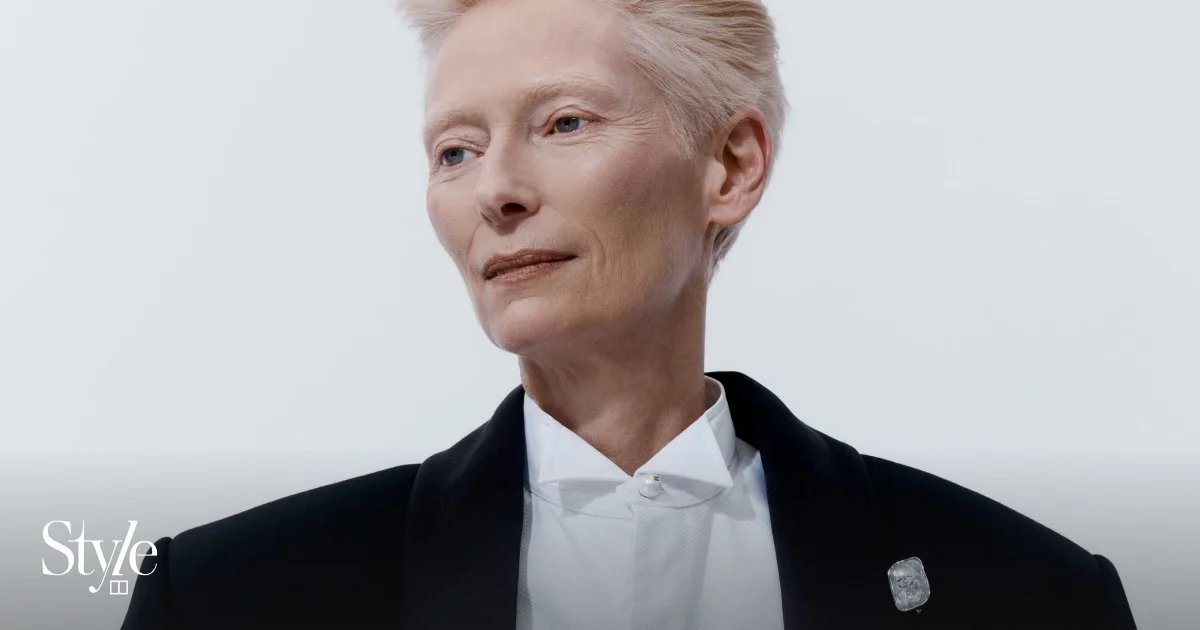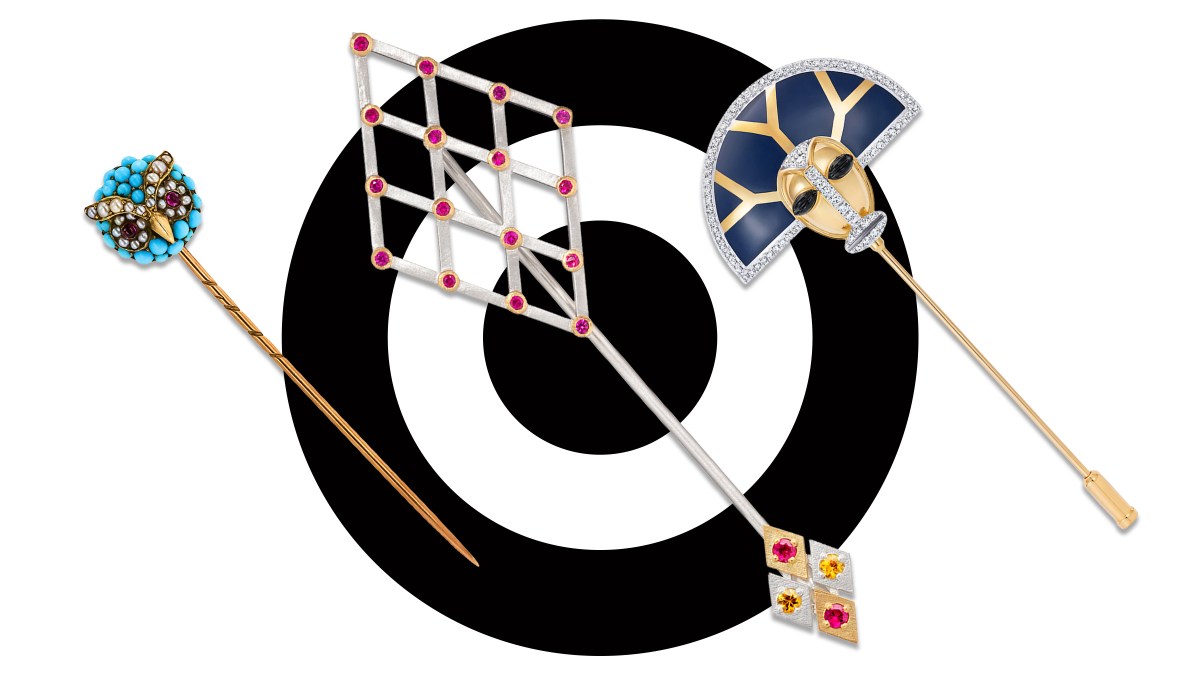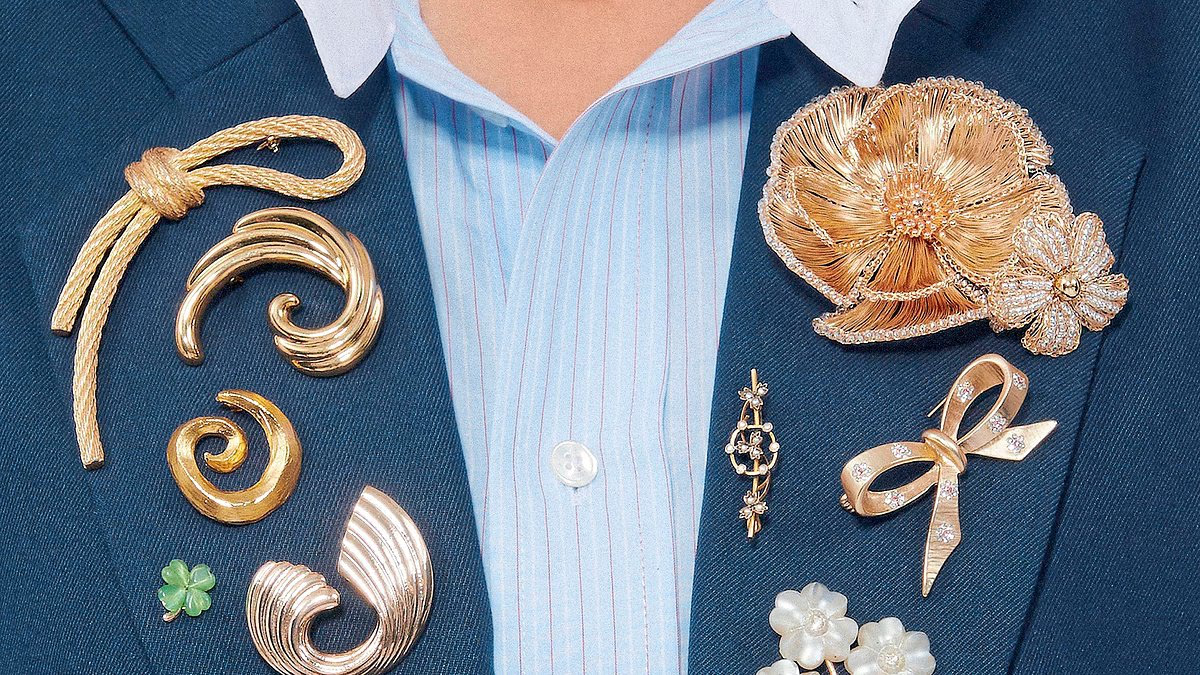
Daily Mail journalists select and curate the products that feature on our site. If you make a purchase via links on this page we will earn commission - learn moreThey appeared on this spring’s catwalks at fashion houses like Chanel, Valentino, Simone Rocha and Erdem, emphasising lapels and decorating necklines. At the Oscars, men wore them, too: Omar Apollo’s was a bejewelled Chopard lizard, Colman Domingo pinned a gold ‘ribbon’ to his jacket, while a large diamond star decorated the back of actor Michael B Jordan’s.As for global sales, last year they rose by 200 per cent. Yep, brooches are well and truly back.Endlessly versatile – they can be pinned to bags and scarves as well as lapels and necklines – the right brooch can act as an assertion of individual identity. You need only think of the flamingo brooch made by Cartier for the late Duchess of Windsor. It became such a known personal jewel that when it featured on the cover of a biography of the Duchess there was no need to add her name; the brooch said it all. Or, in our own times, who now thinks of the former president of the supreme court Lady Hale without also thinking of her slightly sinister spider brooch?While our current interest in brooches (2.4 million Google searches in the past year) may feel new, we have been wearing them in one form or another since around 3,000 BC – although those early Bronze Age brooches were more like glorified safety pins, holding the edges of cloaks or blankets together against the cold.By Tudor times brooches, along with other jewellery, had become symbols of class and wealth, with who could wear what governed by law (the sumptuary laws). Only those of the highest rank could wear gold, diamonds or pearls; a rich merchant had to stick to plain silver and no one was allowed to outshine the monarch. Blazer, £50, asos.com. Shirt, £59.99, shop.mango.com. Necklace, £39, estellabartlett.com. Styling: Jessica Carroll.Move on a century or two and we see young men of the upper classes, sent on the traditional Grand Tour of the cultural capitals of Europe, buying brooches from Rome or Florence. Worn at home, these small jewelled souvenirs were a discreet way of showing their wearer’s sophistication and social status.Eighteenth-century women – we’re talking about the elite – would wear exquisite flower-spray brooches or cameos, often with a classical motif, while the craze for butterfly collecting in the 1800s brought in wonderful butterfly and dragonfly designs. Towards the end of the century, from around 1870, the Belle Époque saw women wearing black velvet ribbons as chokers, on to which a favourite brooch was sometimes attached.Victorian jewellery was often loaded with symbolism. A brooch in the shape of a buckled belt meant a strong connection between giver and recipient; one in the shape of a swallow signified fidelity (the birds mate for life) as did ivy leaves (ivy clings). Mourning brooches often contained a lock of the lost loved one’s hair, surrounded by stones that represented loss and tears such as jet and pearls.When the use of platinum for high-end jewellery became possible (through the latest heat technology) from the 1880s, its exceptional hardness and durability making settings more secure, brooches became ever more magnificent, with diamond sprays, jewelled wreaths, garlands, tassels or huge stars. The three magnificent diamond bow brooches from the Royal Collection, often worn by the late Queen, are from this period. But then, brooches have always been something of a royal trademark; on grand occasions few royal women are seen without one.After the First World War swept away much Edwardian flamboyance, jewellery became less ostentatious and more fun, with armfuls of bangles, jewelled headbands and a butterfly brooch revival (these appeared again in the late 60s and 70s, but were usually smaller and often worn several at a time). In the 30s jewellery became more streamlined, and the aim of every chic woman was to own a pair of diamond clips. Popular during the Art Deco era, these were often in the shape of an oblong brooch with a mechanism at the back that allowed it to separate into two clips – one to be worn on each lapel, either side of a neckline, pinned to the straps of an evening gown, as shoe buckles, on cuffs or even in the hair.Today, be it a vintage piece or a high-street offering, the brooch has returned as the It accessory that it once was. Where will you pin yours?Styling: Jessica Carroll. Blazer, £50, asos.com. Shirt, £59.99, shop.mango.com. Necklace, £39, estellabartlett.com
ANNE DE COURCY on why brooches are this summer's must-wear essential
Worn since the Bronze Age, it's the latest It accessory - and there's no better way to sharpen up your look, says Anne de Courcy
763 words~3 min read