China’s economy is doing two very different things at once. Its AI and high-tech manufacturing sectors are surging, powered by government subsidies and surging global demand. Meanwhile, the consumer side of the ledger, the part where actual people spend money on actual things, is struggling to keep pace.
Government advisers are now publicly calling for measures to bridge this gap, marking an increasingly candid acknowledgment from Beijing’s policy circles that a booming semiconductor and EV sector doesn’t automatically translate into a healthy economy for everyone.
The numbers tell the story
Fixed-asset investment, a broad measure of spending on infrastructure, real estate, and equipment, fell approximately 4.1% during the first five months of 2026. That’s a meaningful decline, and it reflects two forces pulling in the same direction: a still-deflating property market and persistently low consumer confidence.
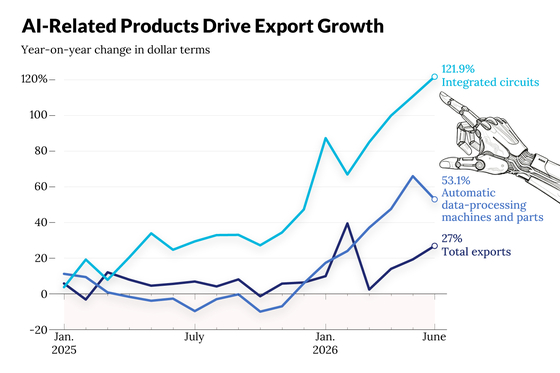
On the other side of the ledger, exports remain resilient. Strong global demand for Chinese AI hardware has kept the trade engine humming.