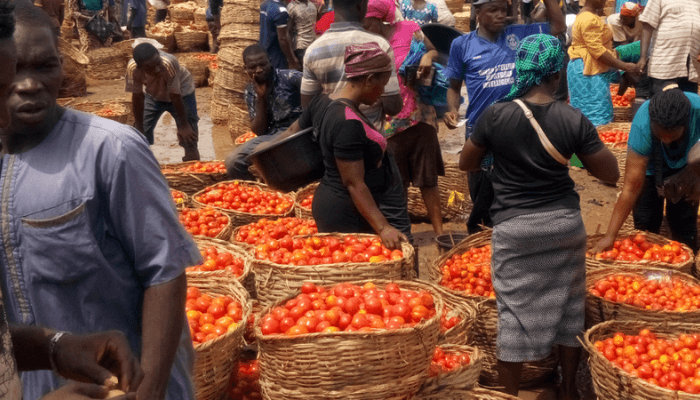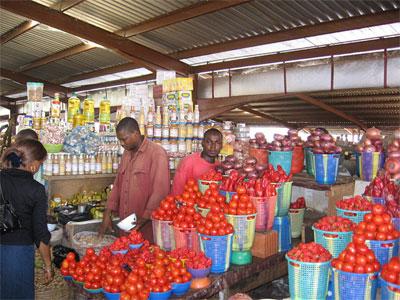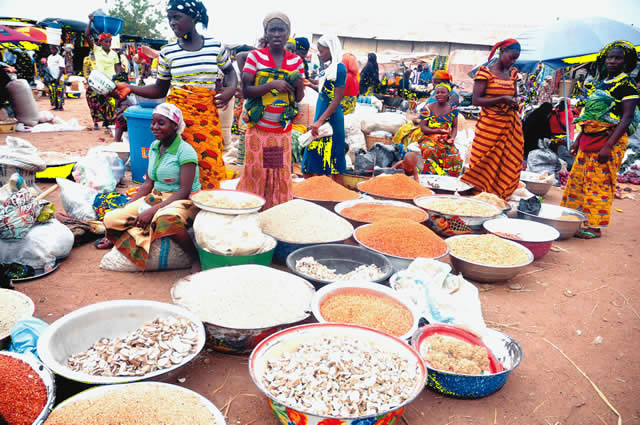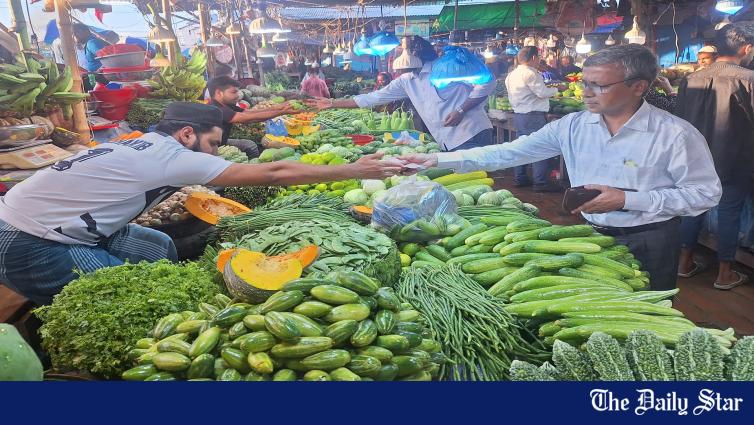
There are no fixed prices in Nigeria’s commodity markets.
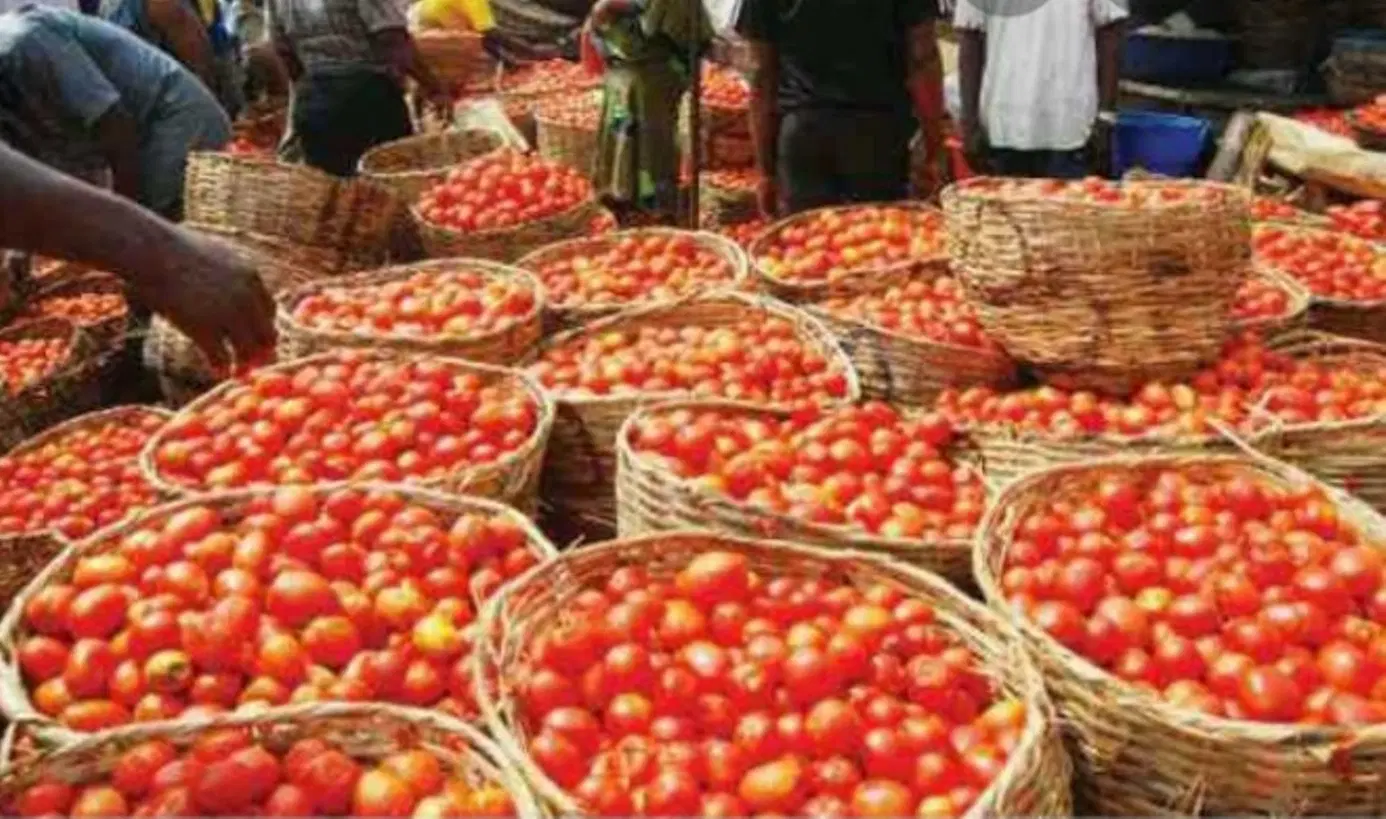
Buy a basket of tomatoes from one trader and walk a few stalls down; the next trader might quote a different price, and the basket itself might not contain the same quantity. For consumers who do not regularly visit markets, navigating that uncertainty can be frustrating.
It was this kind of uncertainty that caught the attention of Ademuyiwa Taofeek, one of Bango’s co-founders, during the 2024 Sallah festivities. The holiday is a Muslim celebration marked by communal prayers, family gatherings, and cooking bulk meals.
While shopping for baskets of tomatoes and peppers in Lagos, he observed that prices were higher than in producing regions like Jos, a city in Plateau State, North-Central Nigeria. When Taofeek questioned the price difference, he received a familiar explanation: it was due to the logistics cost of transporting produce from northern farming communities to Lagos.
Curious, Taofeek decided to test the assumption himself. He sourced the same commodities from Jos, paid to transport them to Lagos, and discovered that even after transport costs, he still spent less than he would have buying them locally.