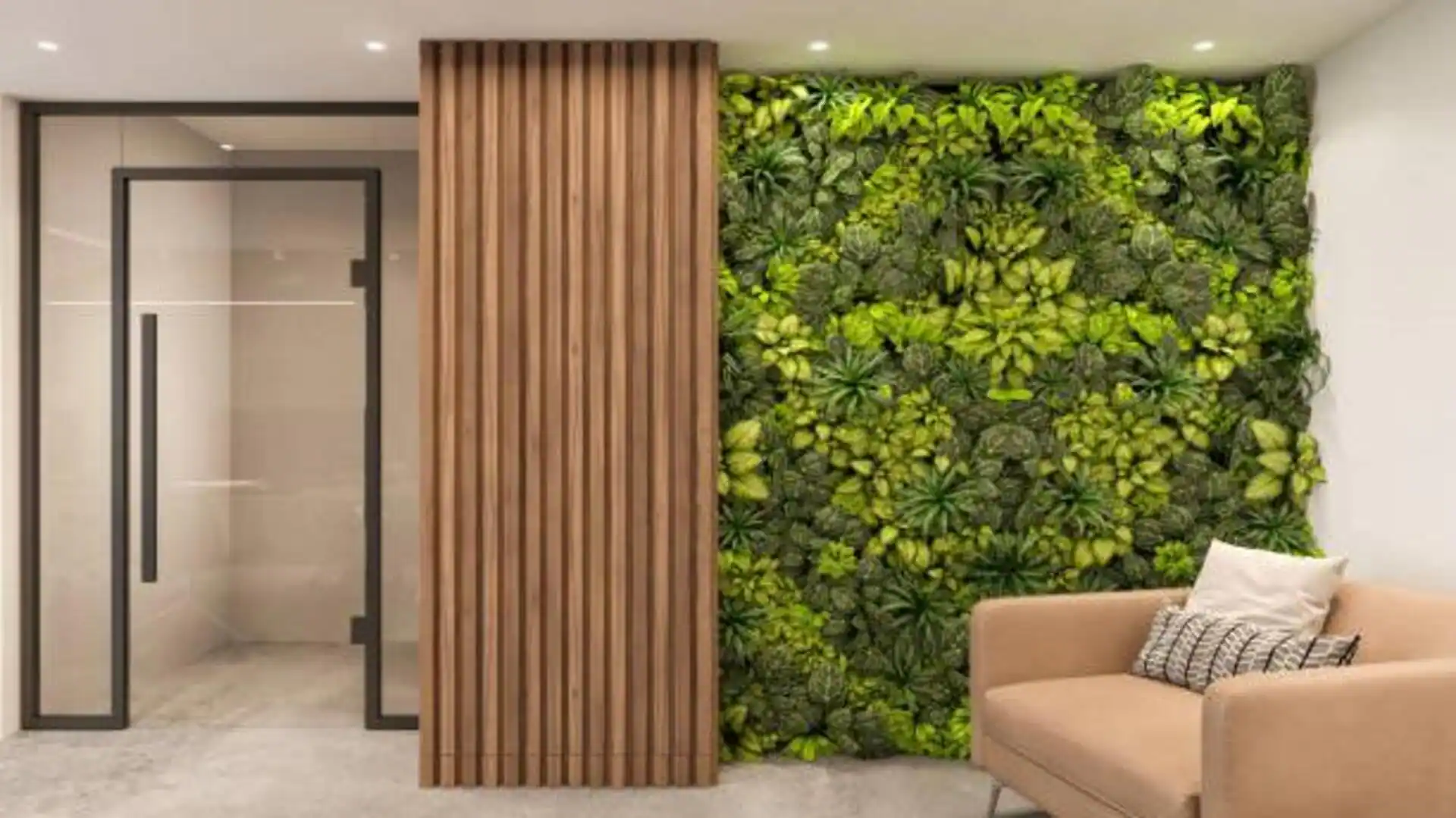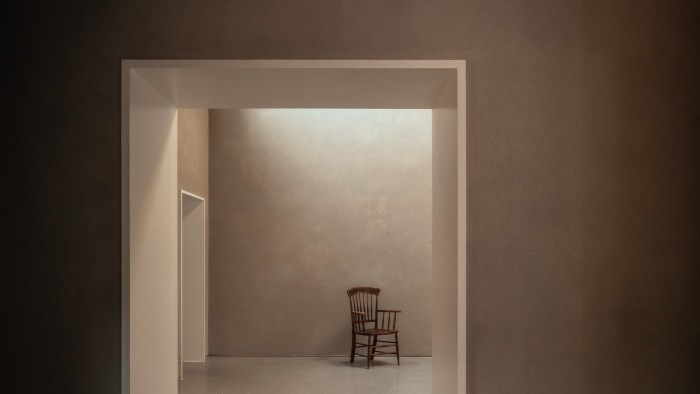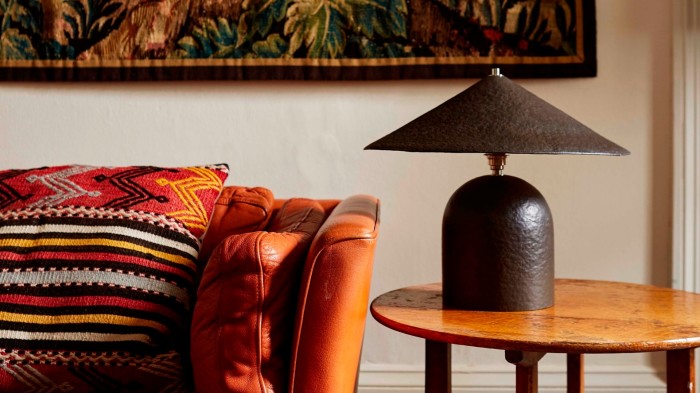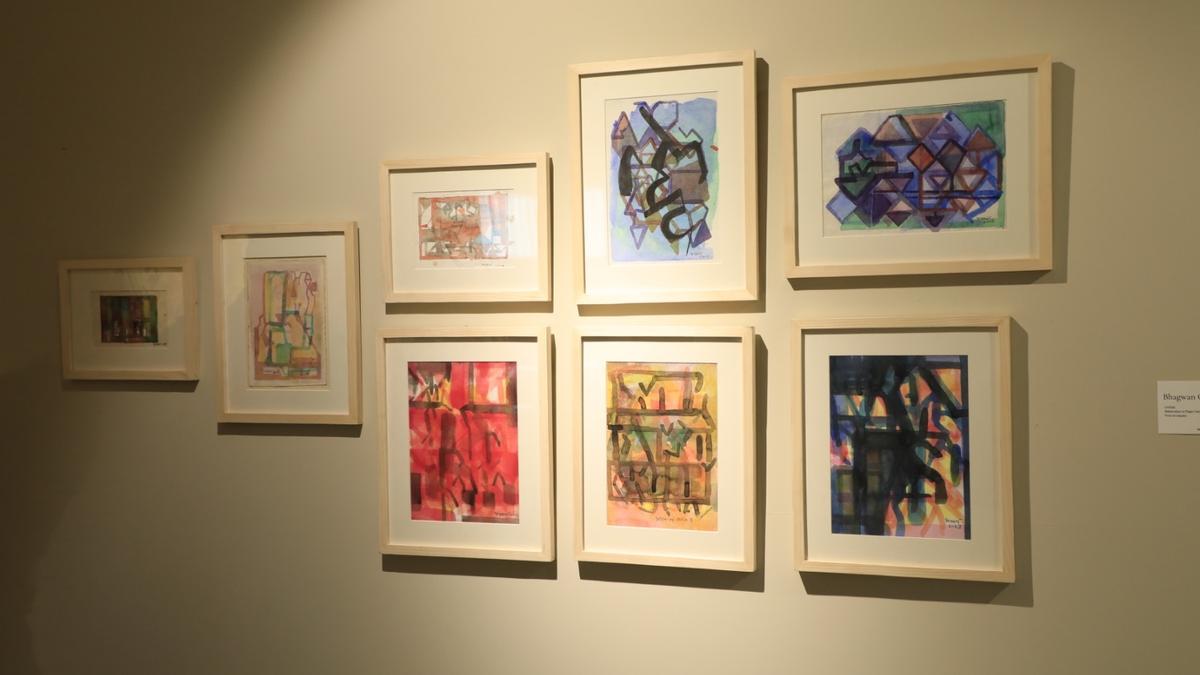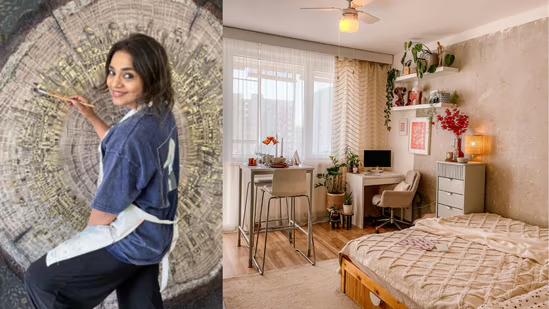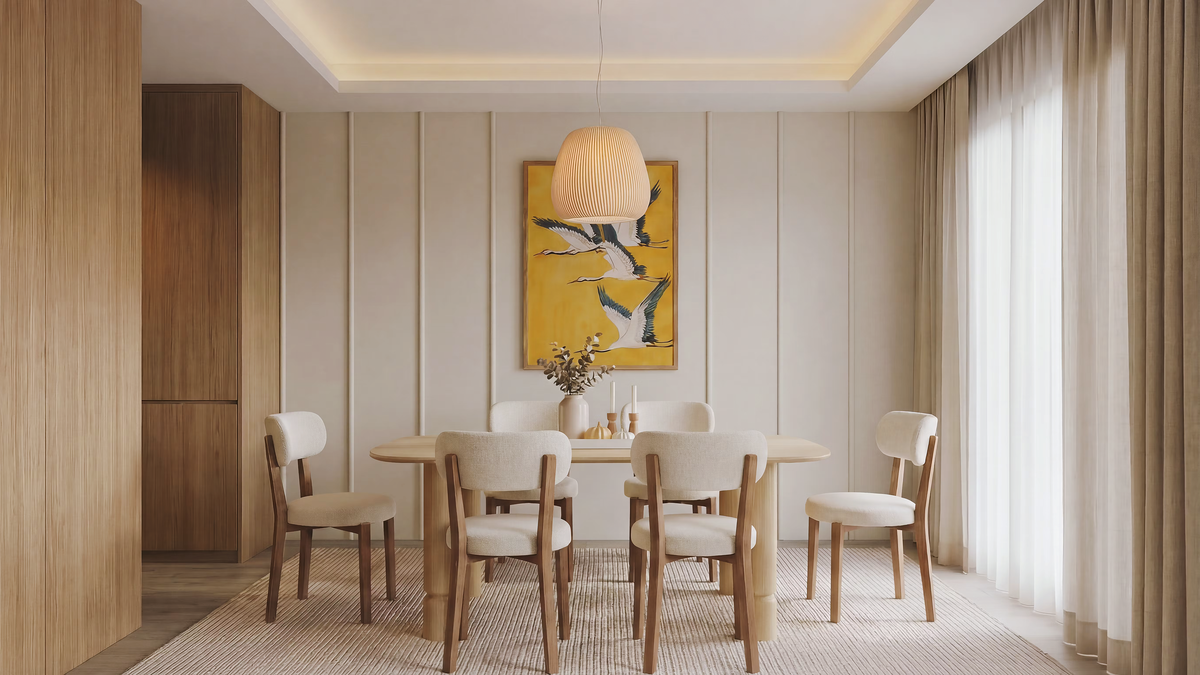
India has a rich history of textured walls crafted from local ingredients. In the South, glossy Madras plaster (also called egg plaster) was made of egg shell powder, lime and jaggery used across Chettinad homes, while across Maharashtra, mud walls were created by mixing local soil with water, cow dung, straw or husk and across Rajasthan’s arid climate, Araish plaster used what was locally available: lime, local marble dust, and surkhi (brick powder). These walls lasted for decades, used indigenous ingredients, and required skill sets available among the village communities.However, today, very few local craftsmen practice these techniques in India’s big cities, as demand for these finishes has declined and buildings are constructed with concrete, covered in large glass panels, and wrapped in painted surfaces. As homeowners look for modern textural walls to add drama to their decor, traditional wall finishes have given way to industrially made alternatives. Textured walls or wall panels offer an architectural element with minimal fuss — installation is quick and panels come in a range of options, offering a quick glow-up for a single wall sans expensive art work.An IMARC study on the decorative wall panels market size in India projects growth from ₹710.95 crore in 2025 to ₹10,883.08 crore by 2034. This market is driven by rising middle-class incomes, rapid urbanisation and growing awareness about global interior décor trends. Today, wall panels take inspiration from Indian art forms (kalamkari) and earthy textures (terracotta and stone finishes), but are made from moisture-resistant, termite-resistant synthetic, recycled materials.
Why textured wall panels are replacing paint in Indian homes
Discover why textured wall panels are becoming the preferred choice over paint in Indian homes for stylish, durable interiors.
1,376 words~6 min read