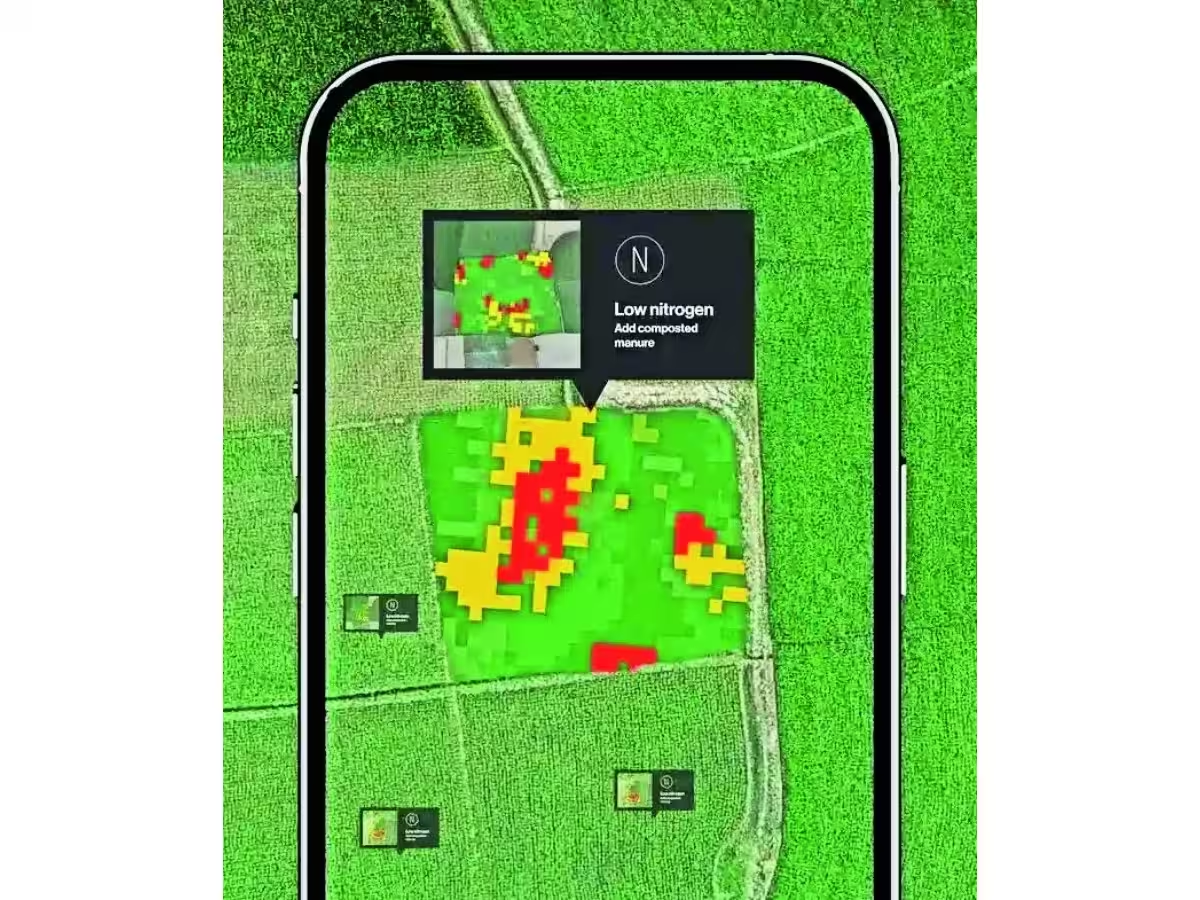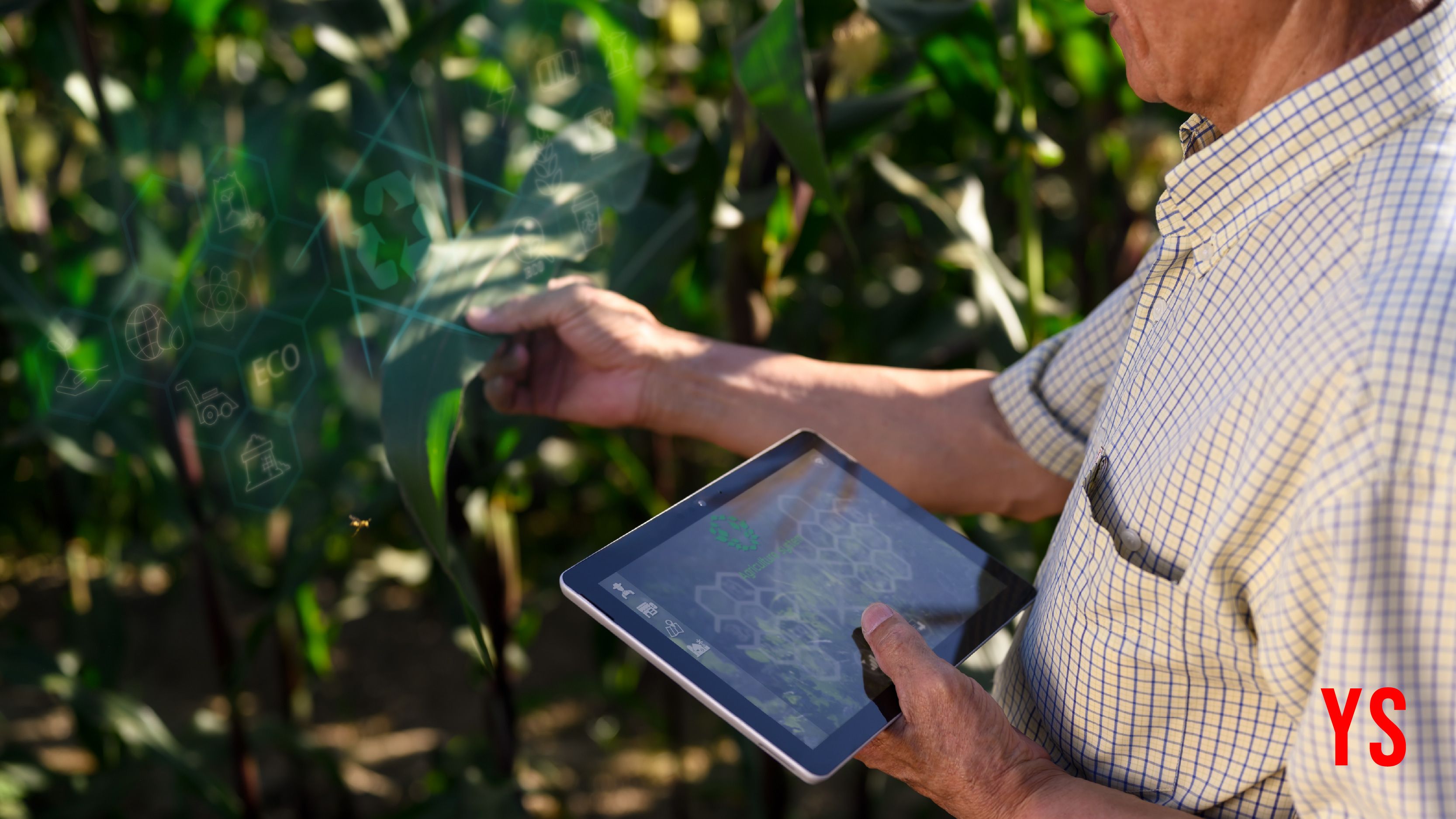
Picture a CFO of a large agribusiness, an FMCG or a food processing company, signing off on a ₹50 crore cold chain expansion. The investment is meticulous: temperature-controlled warehouses, last-mile logistics and refrigerated transport. Every rupee justified. But ask that same CFO what yield to expect from the 10,000 contracted acres feeding that cold chain this season and the answer, more often than not, comes from a phone call with a field agent, a rough estimate, or institutional memory passed down over years. Not data. Not intelligence. Gut feel.This is not an exception. It is the rule across Indian agribusiness today.Farm data is the most underused asset in agriculture. Not land. Not labour. Not even capital. Data.Agribusinesses in India invest meaningfully in cold chains, processing infrastructure and distribution networks. But investment in the layer that sits between the farm and the boardroom, the software layer that captures, structures and converts farm-level reality into business intelligence, remains minimal. The invisible layer is precisely that: invisible.Treating at par with ERP systemsThe moment an agribusiness starts treating farm data as a structured asset, tagging it, tracking it, connecting it to procurement and supply chain decisions, everything changes. Input costs sharpen. Yield predictability improves. Traceability for export compliance becomes real, not a scramble before an audit.I have sat across tables with agribusiness leaders in Canada, the United States, and across Europe who are now asking the same questions their Indian counterparts have barely begun to ask. In those markets, farm data infrastructure is being treated with the same rigour as ERP systems. Carbon traceability, sustainability reporting for institutional buyers, farm-to-factory logistics planning are no longer optional features. They are contract requirements. Software is not a support function anymore. It is the supply chain itself.But here is what those markets have not had to solve, and what India has quietly mastered. Scale under complexity. Our agricultural landscape, with its fragmented landholdings, dozens of crops, multiple agro-climatic zones and the sheer diversity of languages and farming practices across states, has forced us to build software that works under conditions that would break a platform designed for a 10,000-acre farm in the American Midwest. Our data models are stress-tested against a complexity that Western platforms are only beginning to encounter as they expand into frontier markets. That is not a liability India carries. That is a competitive advantage we have not yet fully claimed.Bidirectional opportunityThe opportunity is genuinely bidirectional. India can learn investment rigour and long-term thinking around farm data infrastructure from global markets. Global markets, in turn, need what India has already built out of necessity: software that bends to real-world agricultural complexity without breaking.What needs to change, urgently, is how Indian agribusiness leaders classify farm data. It belongs on the balance sheet, not as an intangible afterthought, but as a strategic asset that directly determines the quality of every downstream decision. Procurement pricing, contract farming terms, sustainability disclosures, export readiness, all of it flows from what you actually know at the farm level.The agribusinesses that own their farm data layer today will own their supply chain tomorrow. Those that continue to outsource farm intelligence to middlemen, field agents, and institutional memory will find themselves making hundred-crore decisions on zero structured information.The soil will always matter. But in the decade ahead, the software layer above it will matter more. It is time the invisible layer became the most invested-in one.The author is Co-Founder & CEO, KhetiBuddy Published on June 27, 2026
The invisible layer powering agriculture: Why software will matter more than soil
Explore how the software layer in agriculture is crucial for data-driven decisions, outperforming traditional soil reliance in agribusiness.
575 words~3 min read