Story audio is generated using AI
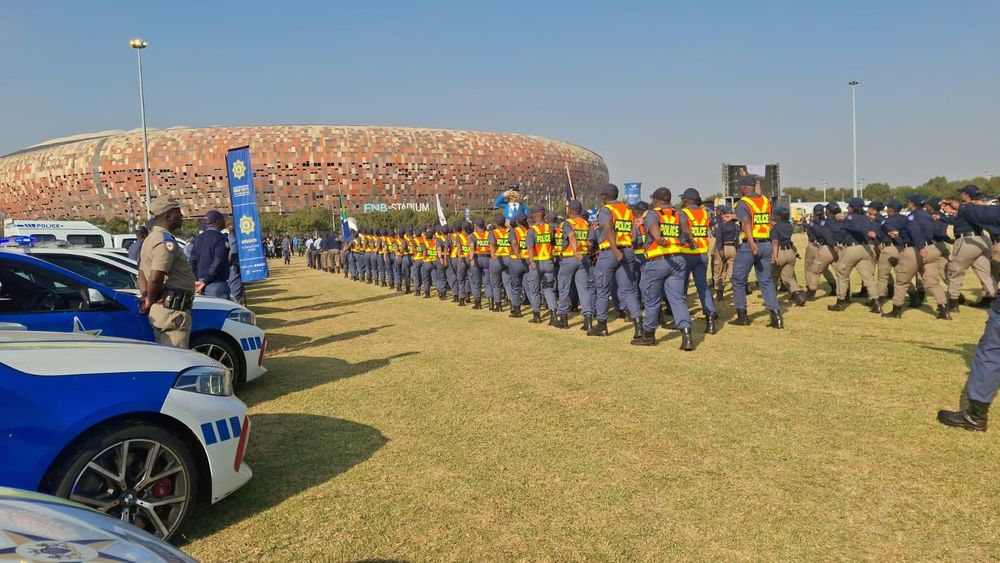
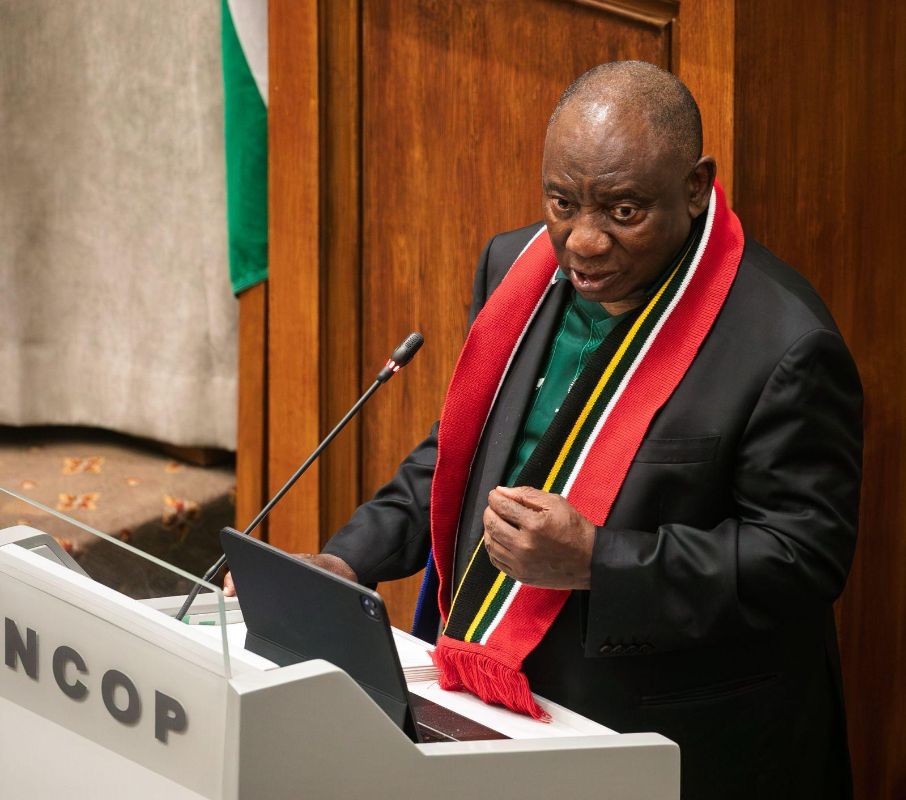
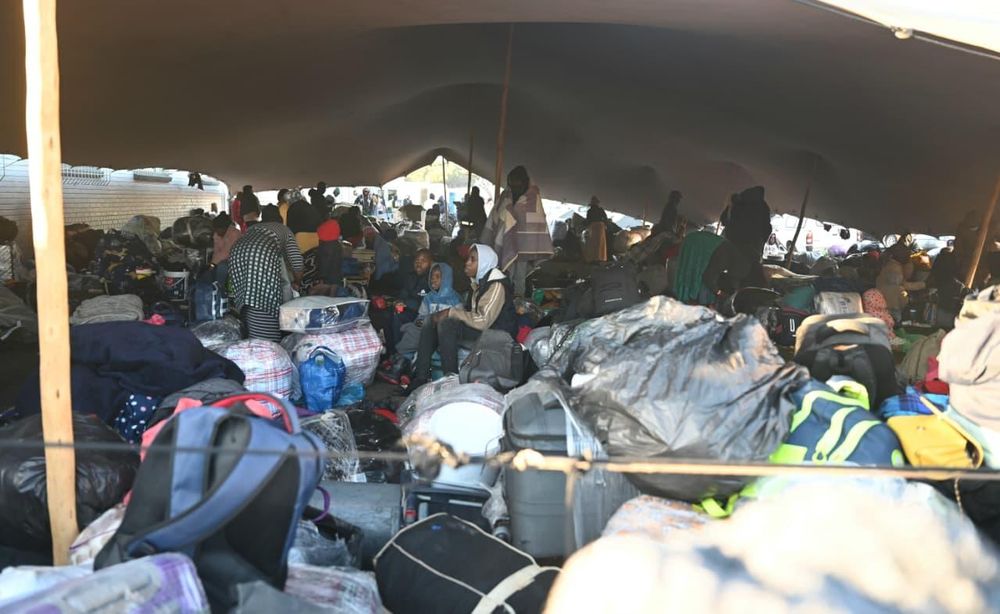
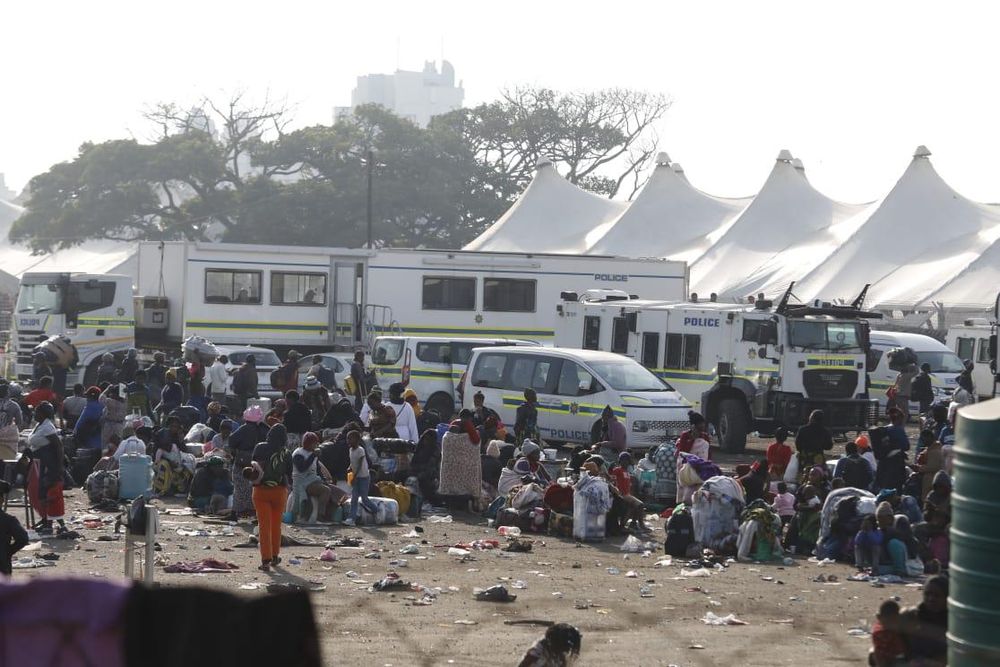
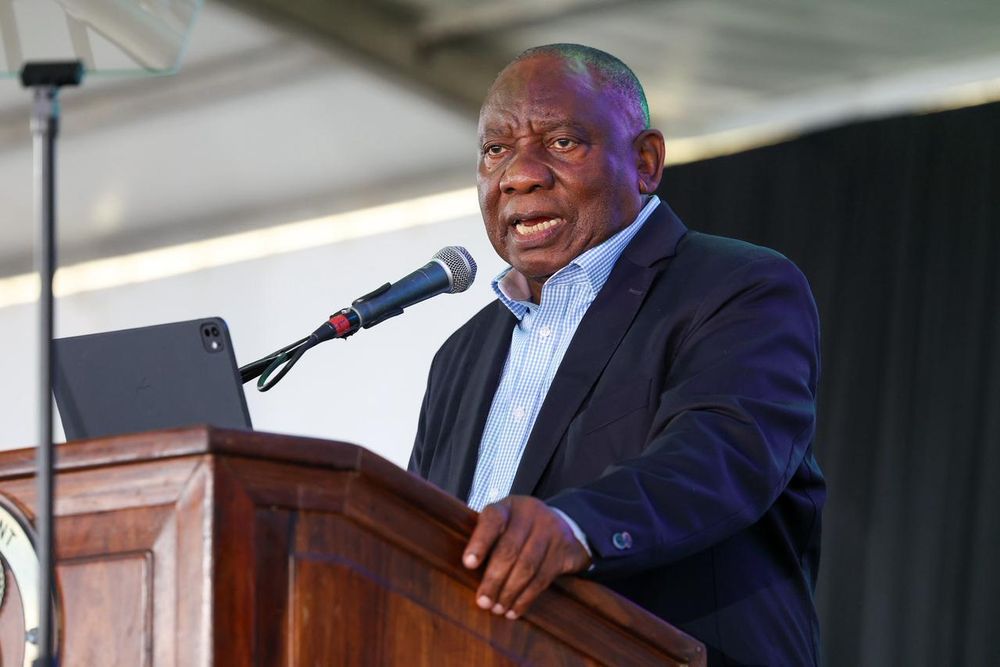
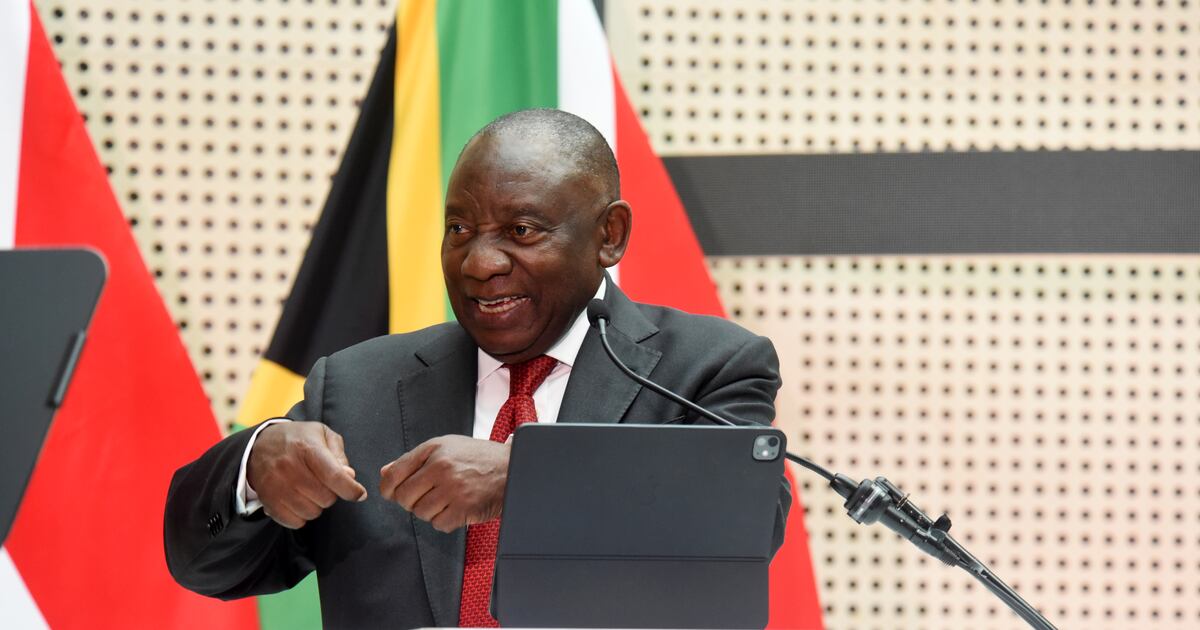
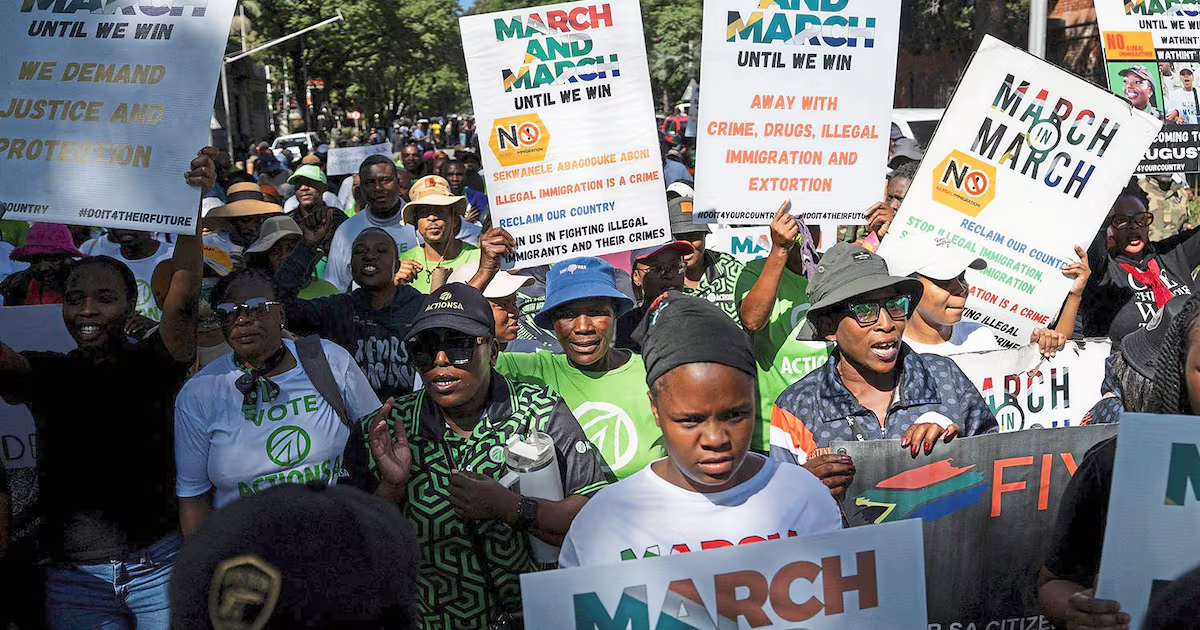
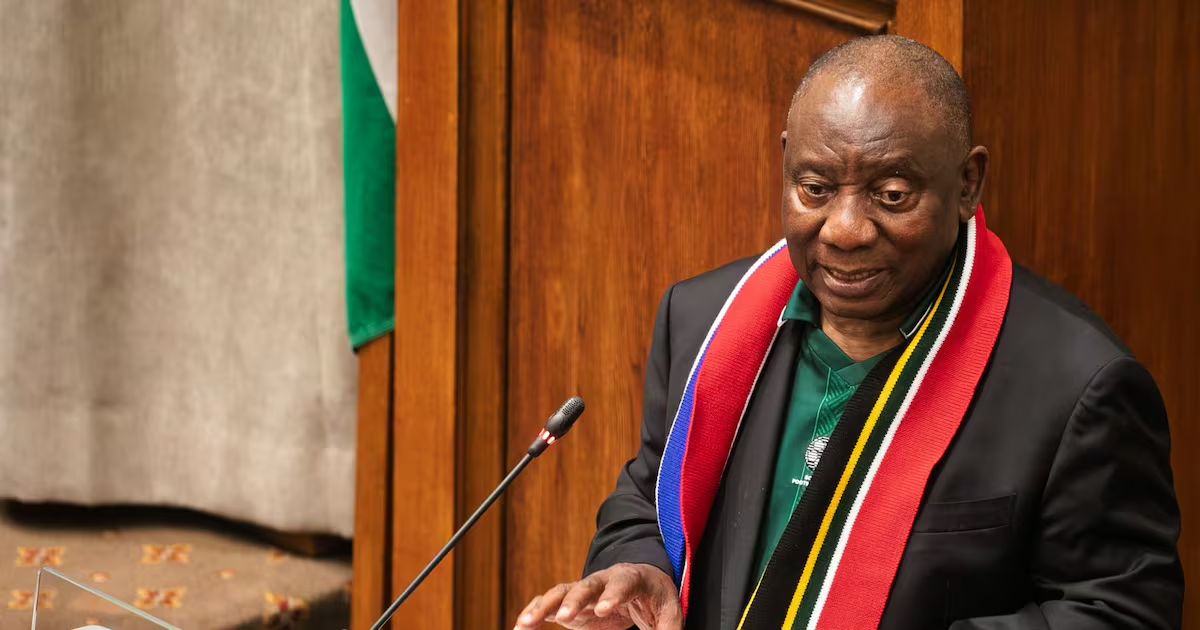
Business is broadly and cautiously taking President Cyril Ramaphosa at his word that Tuesday will be free of the kind of disruption to economic activity not seen since the July 2021 unrest.Addressing parliament on tensions surrounding migration, Ramaphosa stressed that the enforcement of the law rests with the state alone, and warned against citizens attempting to enforce immigration laws themselves.Organisations opposed to the presence of undocumented foreign nationals in the country have set a deadline of June 30 for such individuals to leave South Africa. The call has prompted some to repatriate while others have chosen to remain. Ramaphosa said the government of national unity was engaging Southern African Development Community (SADC) governments on economic co-operation in this regard. “South Africa cannot address migration alone. Through SADC, the AU and bilateral relations we have with many countries, we will work together to tackle political instability, conflict and economic hardships that drive people to leave their homes and to come here.”Businesses have told Business Times they expected to continue operating without big disruptions on Tuesday while remaining vigilant. Recent targeting of foreign nationals in South Africa has drawn condemnation elsewhere on the continent, with some in Nigeria calling for a boycott of South African companies operating there.Speaking at the funeral of Zimbabwe-born public servant Thokozani Damasane, MTN non-executive chair Mcebisi Jonas — a former deputy finance minister — decried what he described as the futility of targeting foreign nationals under the guise of addressing economic concerns.“Foreigners can leave tomorrow, inequality will be with us. Foreigners will leave tomorrow, [and] unemployment will be with us. Foreigners will leave tomorrow, [and] our police will remain corrupt. Foreigners will leave tomorrow, [and] our politicians will still be concerned with one thing: being elected and re-elected.“When people feel the burn, they become vulnerable to politicians whose sole purpose is to be elected and re-elected. Some of them have no credibility whatsoever. But they lead marches and tell our people that the problem is not us, it is foreigners.”When people feel the burn, they become vulnerable to politicians whose sole purpose is to be elected and re-elected. Some of them have no credibility whatsoever. — Mcebisi JonasThe MTN Group told Business Times it continues to monitor developments across its markets alongside ongoing open dialogue. However, at this stage, there has been no impact on the company’s operations, nor have there been any direct boycotts.“As ever, the safety and security of our people and property is paramount, and that’s something that is constantly being taken into account. As a group, we believe in the rule of law and the importance of meaningful dialogue to shape a more inclusive, connected and prosperous continent.”MTN said it was participating in discussions with stakeholders, including relevant authorities and business groupings such as Business Unity South Africa and Business Leadership South Africa.Daniel Munslow, Absa’s managing executive of group communications, said the bank remained focused on serving its customers and supporting economic activity across the markets in which it operates. “We continue to monitor developments relevant to our operations and to engage appropriately with stakeholders where necessary. So far, we have not had any disruptions to our operations.” As part of its normal resilience planning, he said Absa had appropriate business continuity, risk management and security arrangements in place. The safety and wellbeing of employees and customers remained a priority. “We recognise the sensitivity and complexity of the broader public discourse and developments relating to migration, and we will continue to act responsibly and in accordance with our values, applicable laws and the interests of our stakeholders.”Munslow said Absa did not condone violence, intimidation, discrimination or the targeting of people based on nationality. Standard Bank told Business Times it will remain deeply embedded in the countries in which it operates, serving as a trusted partner to clients, communities, regulators and governments. “We’re unequivocal in our position: Standard Bank rejects xenophobia in all its forms. We stand for dignity, inclusion and mutual respect and believe that diverse societies and economies are strengthened, not weakened, by openness and collaboration.“These principles underpin how we operate across the continent and guide our relationships with clients, employees and the communities we serve. We continue to monitor developments closely and remain focused on the safety and wellbeing of our employees and clients, as well as the uninterrupted delivery of services through our operations.”The bank said it had well-established business continuity management protocols in place to minimise disruption should circumstances require.“While Standard Bank was founded in South Africa, it is an African organisation with deep local roots across the continent. In every market we serve, we are committed to supporting economic growth, strengthening financial systems and improving quality of life.”Muzi Dladla, executive manager for stakeholder management at the South African Special Risks Insurance Association (Sasria) said the insurer did not take positions on political matters but would continue raising awareness of the economic and social consequences of destructive events.“We cannot comment or speculate on hypothetical scenarios. However, Sasria continues to assess its capital position, reinsurance arrangements, operational readiness and claims management capabilities to ensure it is able to fulfil its mandate to policyholders at any given point.“As part of its ongoing risk monitoring and preparedness activities, Sasria regularly engages with a broad range of stakeholders across government, the insurance industry, business and other relevant institutions.”Business Times