Sudan: Window is closing to prevent wider escalation in El Obeid
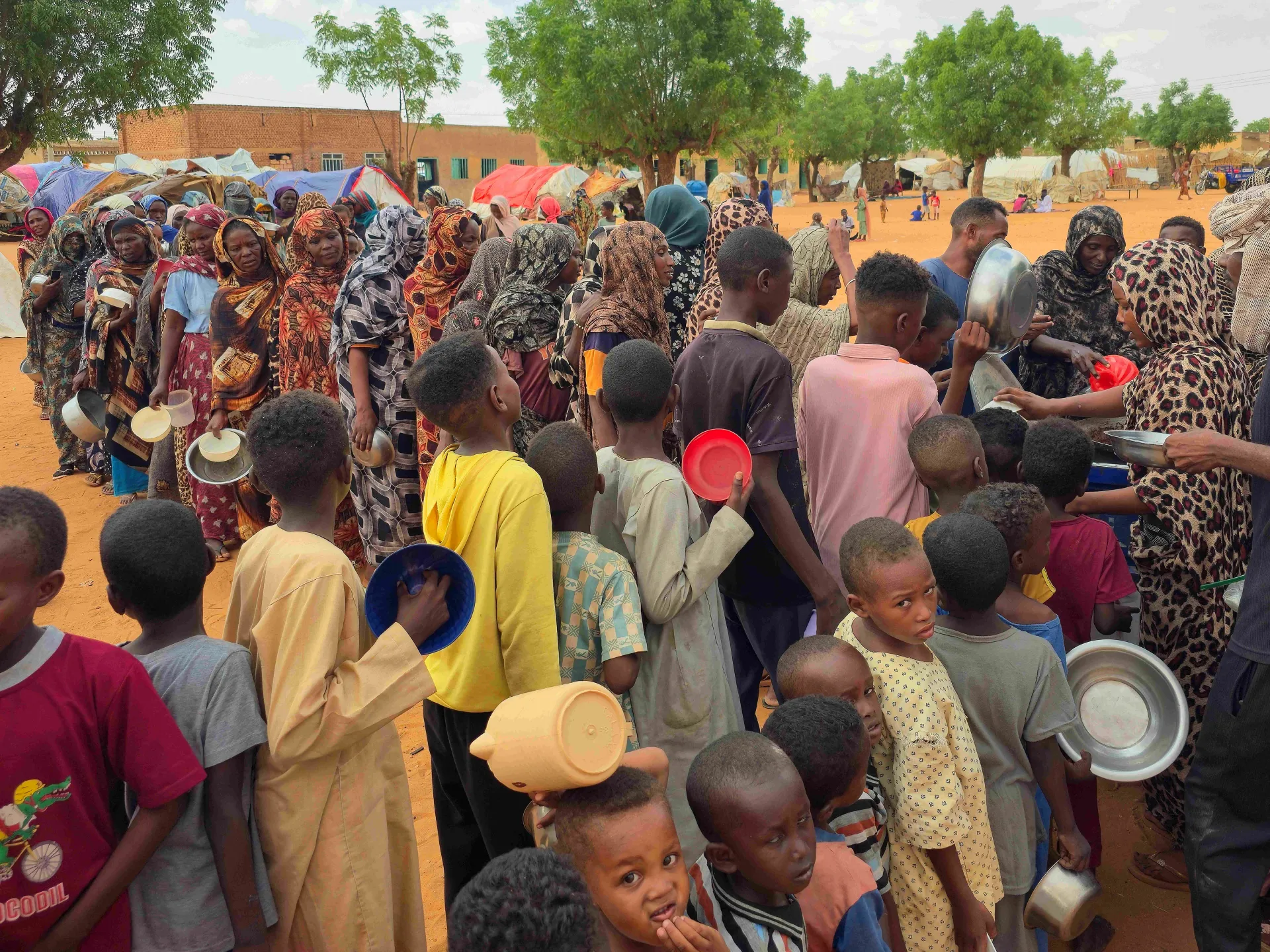
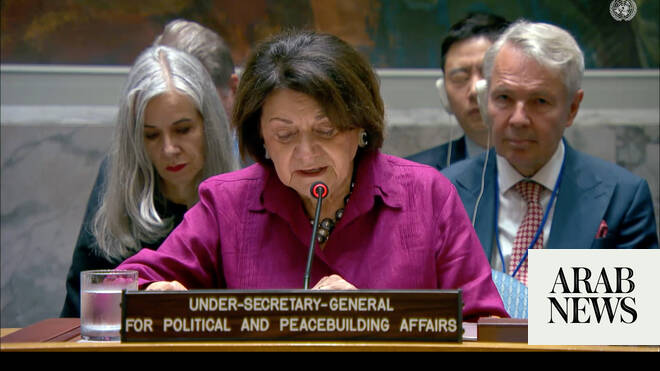
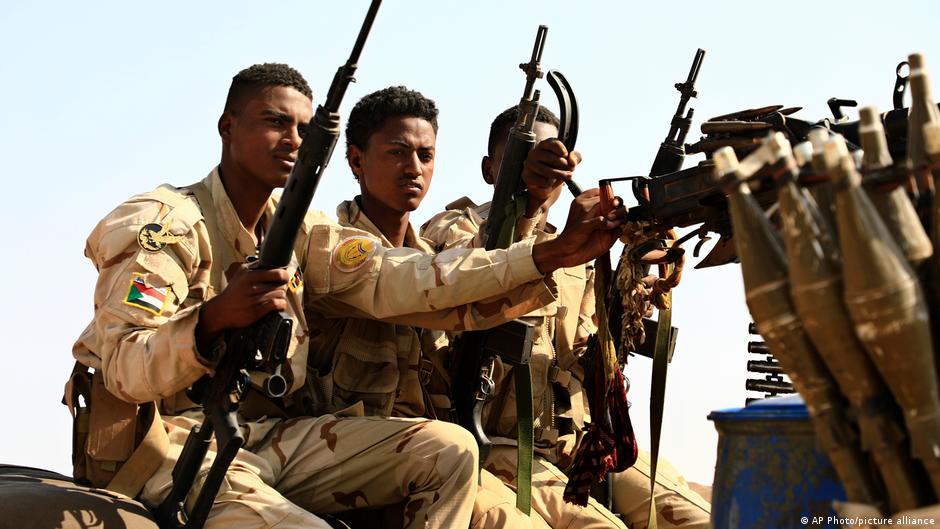
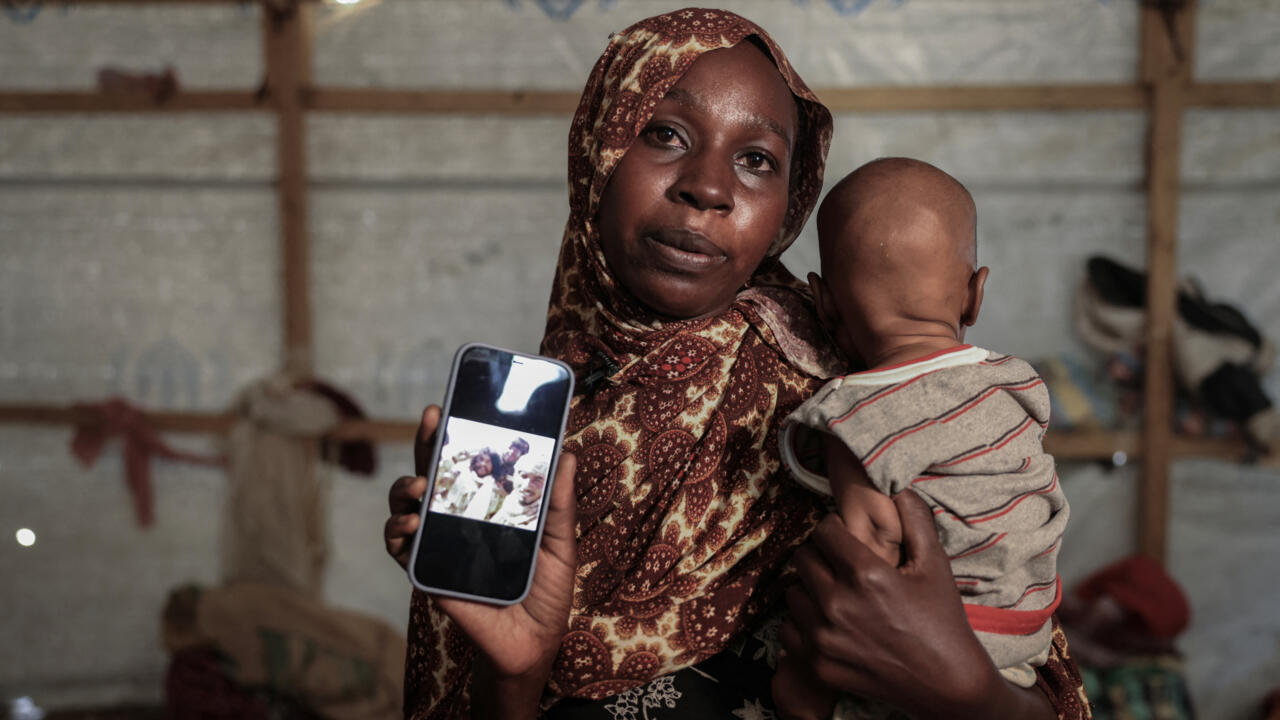
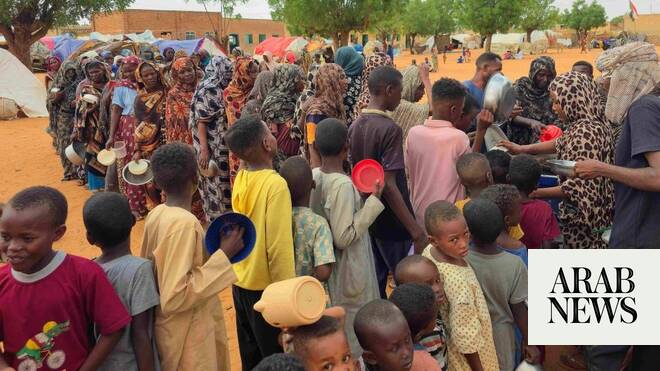
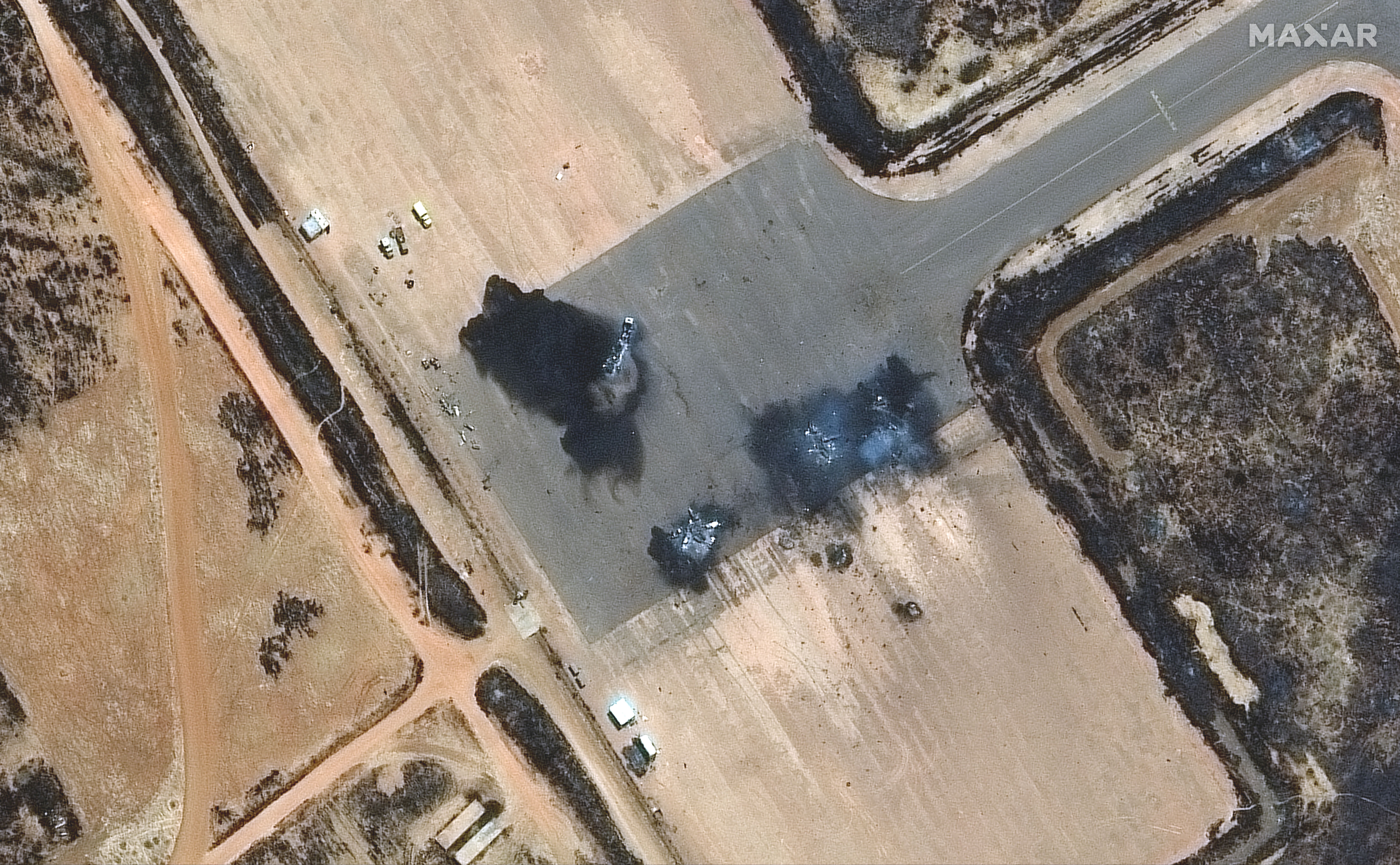
Under-Secretary-General for Political and Peacekeeping Affairs Rosemary DiCarlo briefed the Security Council on latest developments in the ongoing war between the Sudanese Armed Forces (SAF) and former allies the Rapid Support Forces (RSF), now in its fourth year.Over the past two weeks, drone attacks by the parties have increased significantly in El Obeid, while the RSF have expanded their presence in and around the city.Appeal for restraintShe recalled that UN human rights chief Volker Türk issued a stark warning that an offensive would lead to “impending human rights disaster”.Escalation would put hundreds of thousands of civilians at immediate risk of large-scale violence, she said, adding that a full-scale battle would trigger new displacement to areas that were already overstretched.“Once again, we call for restraint from all parties and urge them to take all necessary measures to respect and protect civilians,” she said.“The window to avert a wider escalation in El Obeid is rapidly narrowing.”Fighting in other regionsBeyond El Obeid, the conflict continues across multiple fronts.The wider Kordofan region remains the epicentre, with intensified fighting around Dilling, Kadugli and Babanusa as the parties contest strategic areas. Recent drone strikes on bridges and transport corridors across Darfur and Kordofan have disrupted humanitarian routes and left communities isolated.The security situation also remains volatile in White Nile and Blue Nile states with continued clashes in Kurmuk, Geissan and Bau localities. Meanwhile, the human cost is mounting.Drone use, external interference and regional tensions“The growing use of drones is making the conflict more unpredictable, more geographically dispersed and more lethal for civilians,” Ms. DiCarlo said.While the rainy season has traditionally brought a reduction in fighting, continued drone activity means civilians are unlikely to see any respite.“The parties could not sustain this pace of fighting without the sophisticated weaponry they obtain through external support,” she continued, calling once again for all external actors “to use their influence to help end this war, rather than be complicit in it.”The war is unfolding amid rising tensions between Sudan and neighbouring States.Ms. DiCarlo recalled that tensions escalated between Sudan and Ethiopia in May following allegations of interference in each other’s internal security situations. Relations with Chad also remain strained following clashes earlier this year and continued instability on their shared border.“These tensions risk becoming drivers of further escalation, drawing neighbouring States more directly into the conflict,” she said.Engagement and consultationsThe UN continues to support efforts to reduce violence, including through an initiative by the “Quad” group – comprising the United States, Saudi Arabia, the United Arab Emirates and Egypt — to secure a humanitarian truce, and urges the parties to negotiate in good faith.She stressed that efforts to achieve a permanent ceasefire must go hand in hand with advancing a sustainable political solution.Central to that effort is strong partnership among the Quintet - which comprises the African Union (AU), the European Union (EU), the East African bloc IGAD, the League of Arab States and the UN.The Quintet recently held consultations in Addis Ababa with a broad spectrum of Sudanese civilians. While participants expressed a wide range of views on how a future pollical process should unfold, they endorsed the urgent need for a Sudanese-owned and led political dialogue facilitated by the Quintet.Meanwhile, the UN Secretary-General’s Personal Envoy for Sudan, Pekka Haavisto, has been engaging with the parties and other actors to encourage restraint and help prevent escalation around El Obeid and elsewhere in the country.