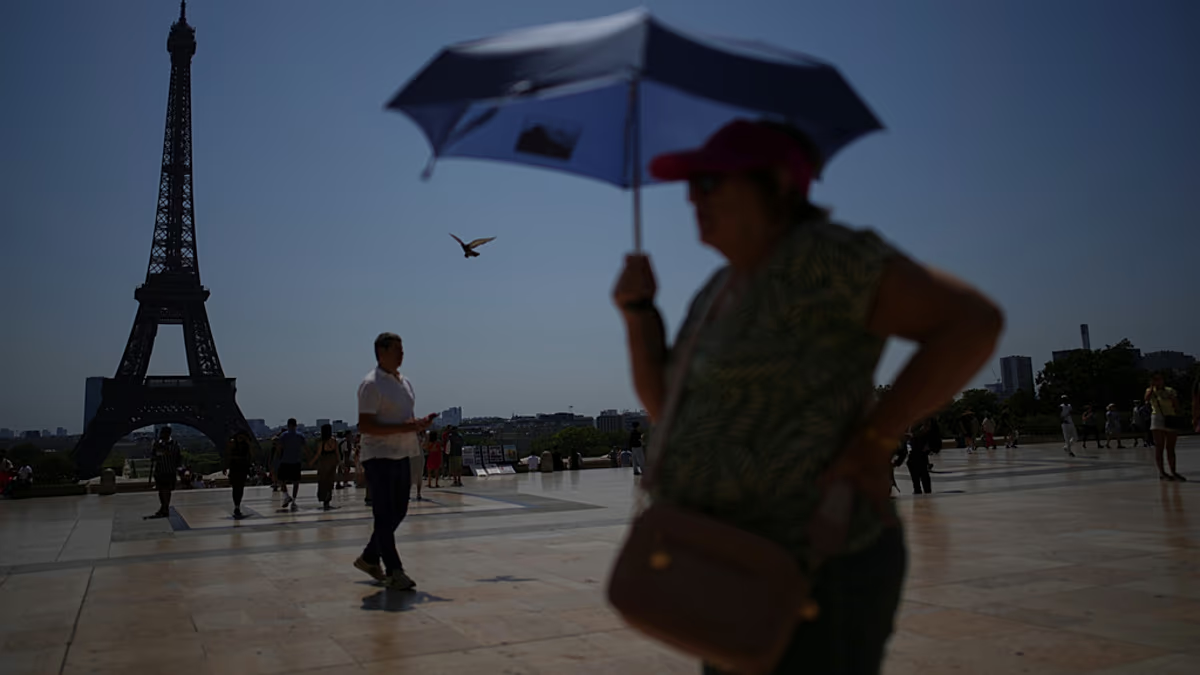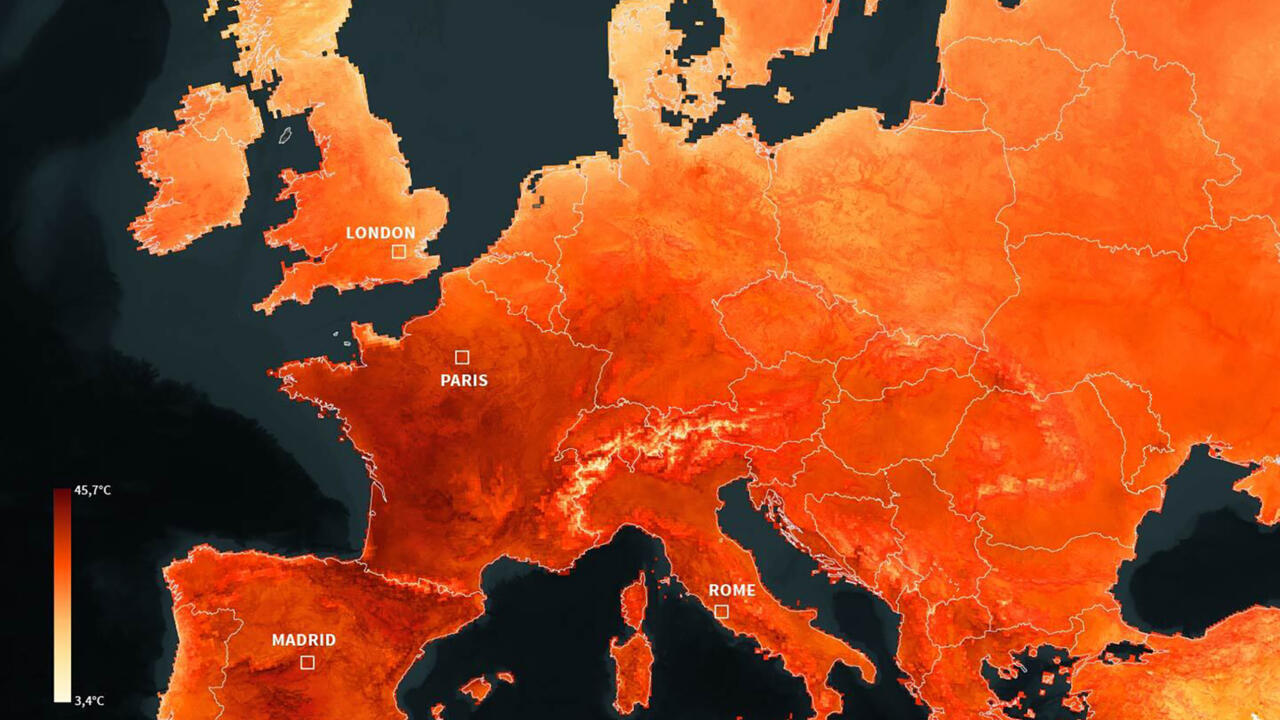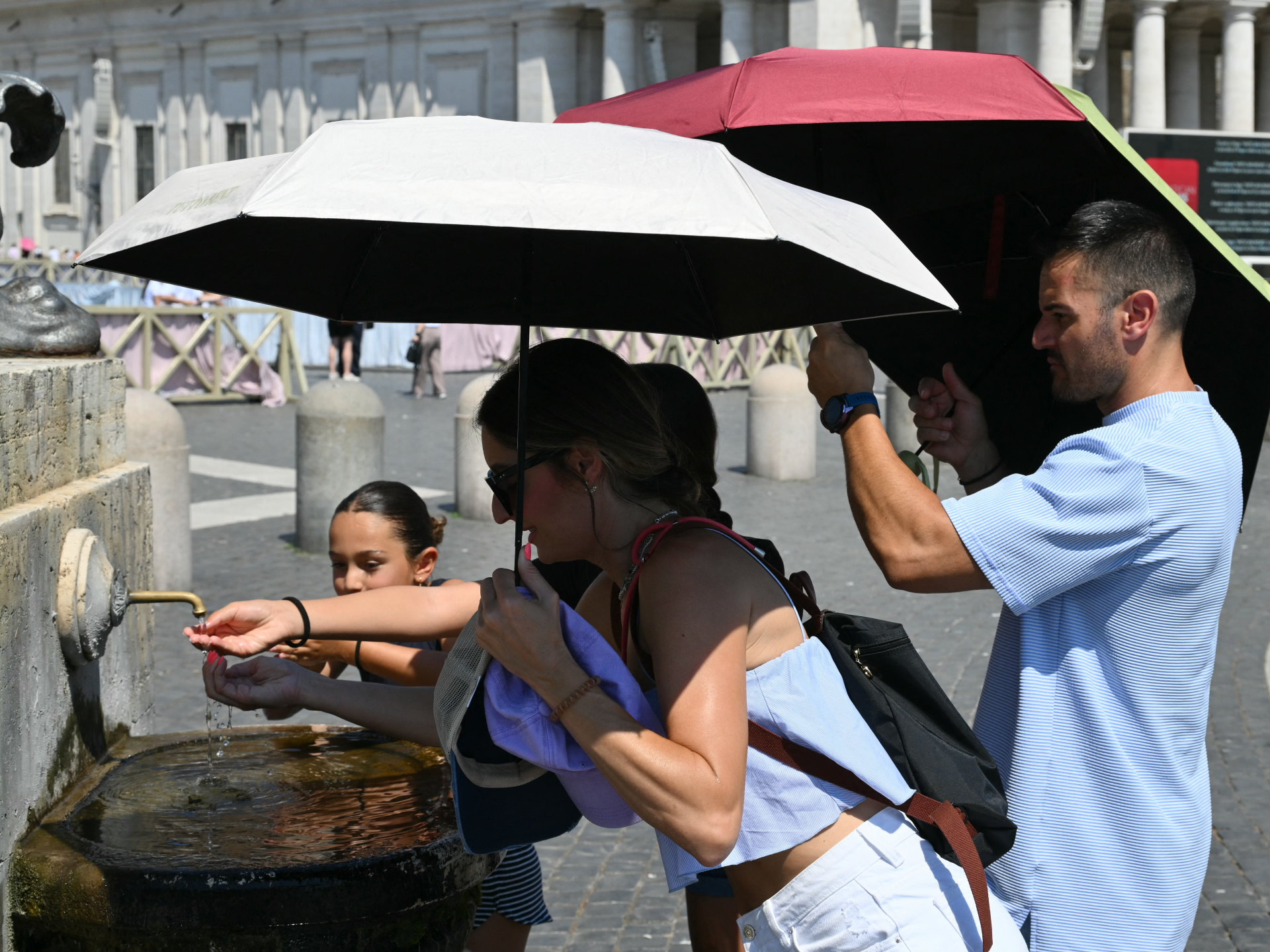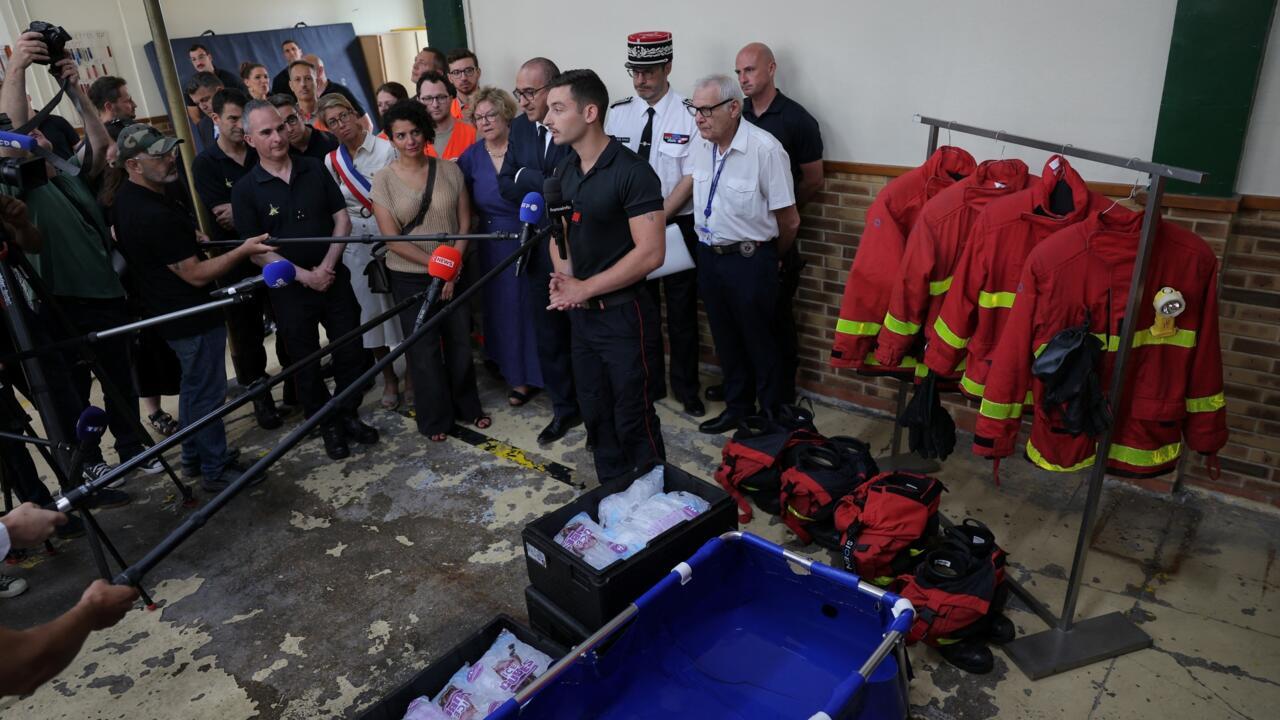
France has been preparing for climate-fueled heat waves for more than two decades. In 2003, more than 14,800 people died as summer temperatures hovered above 95 degrees Fahrenheit for two weeks. The devastating event led French policymakers to build one of the world’s most comprehensive heat-resilience programs.
The following year, the French government unveiled a national heat plan that included a four-tiered alert system. When temperatures rise and trigger the highest alert level, authorities establish a crisis center to coordinate a national response. Local officials are required to implement their heat plans, which include providing access to cool spaces, ensuring access to water, and checking in on heat-vulnerable residents. France’s meteorological and health agencies jointly monitor weather forecasts and health risks, alerting residents when dangerous conditions arise.
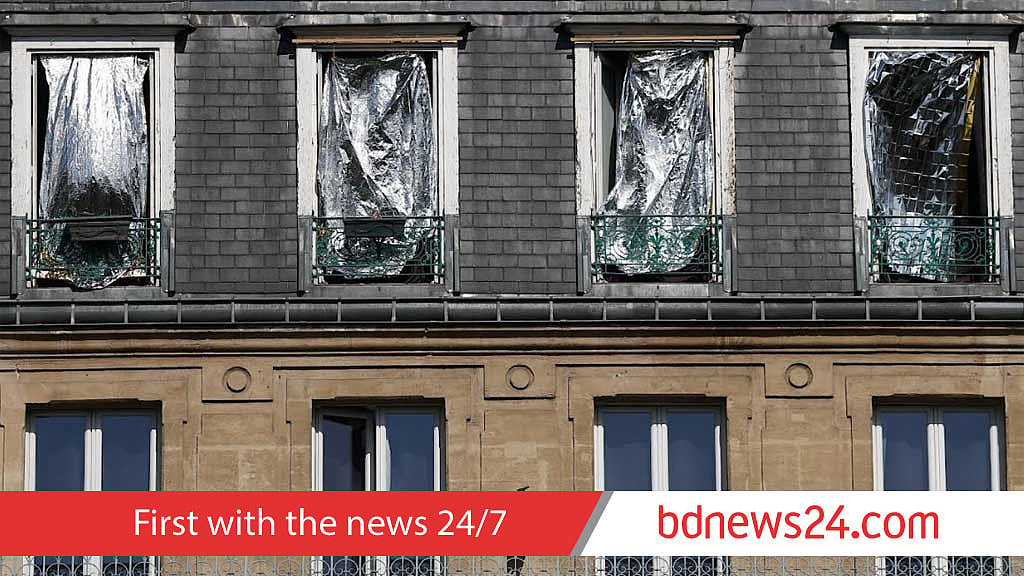
In the years since, France has taken additional measures to adapt to hotter summers: Cities have planted trees to reduce the urban heat island effect, built shaded walkways and biking paths, and converted public spaces into cooling centers that residents without air conditioning can use on the hottest days. (Only about 25 percent of French households have air conditioning.) In Paris, policymakers have conducted drills and tabletop exercises, rehearsing what it might be like to live in the future when temperatures are projected to hit 122 degrees Fahrenheit.