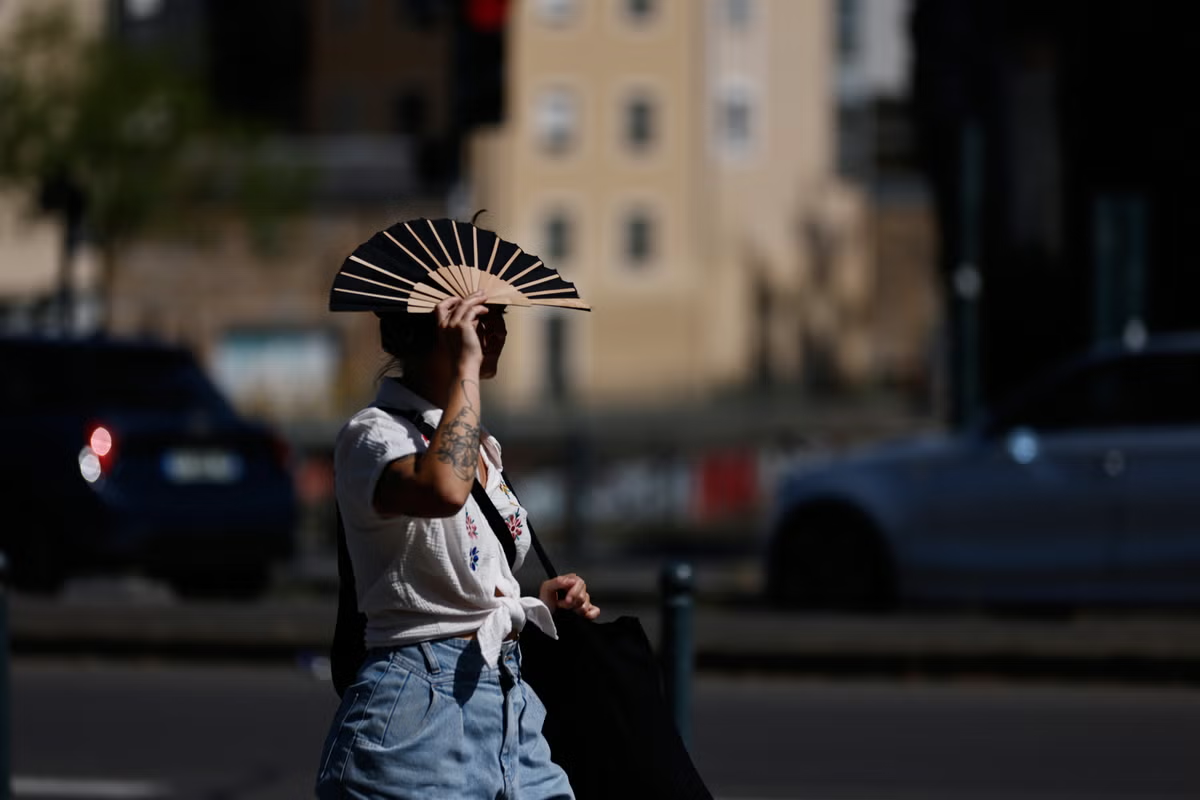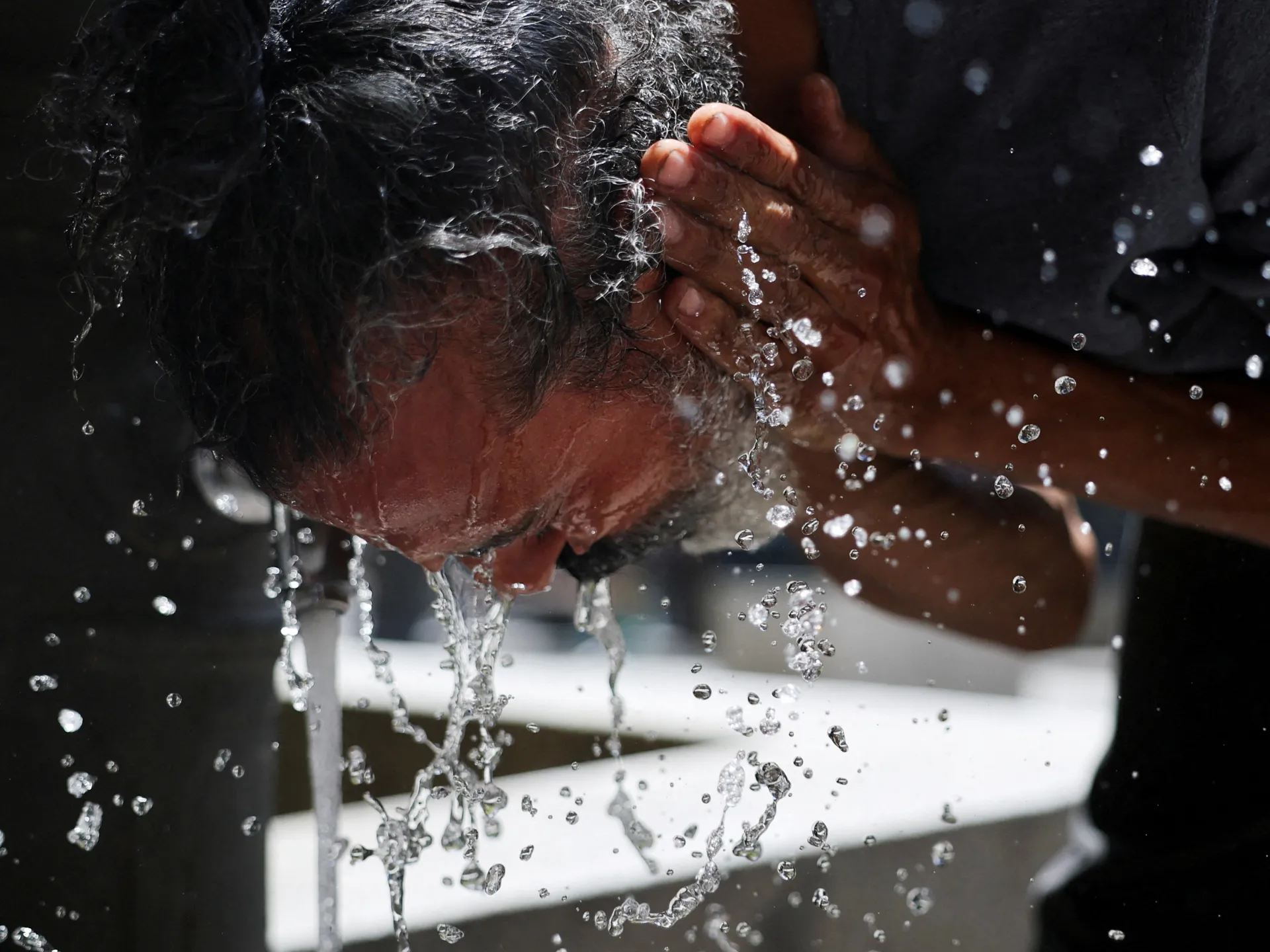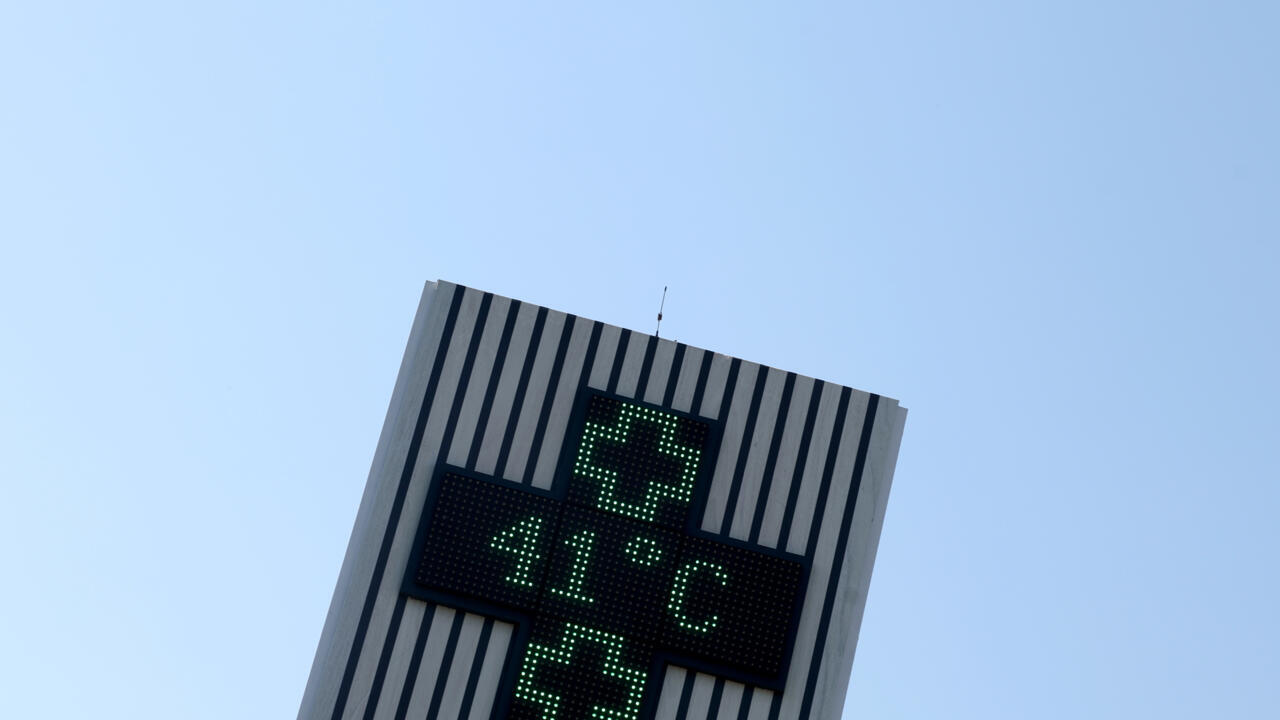
Europe is heading into its second deadly heatwave in two months after several countries experienced a “heat dome” last month with record-breaking temperatures that killed several people across the continent.Forecasters have warned that temperatures could rise further this month, as climate change is making heatwaves more frequent and intense. Governments across Europe have taken precautionary measures, including cancelling some public events, while some schools have closed or modified their timetables.At least 18 people have died in France, including two children and three elderly people, amid the heatwave.A two-year-old and a four-year-old were found unconscious by their mother in the family car in the southeast French town of Carpentras on Monday, according to local prosecutor Hélène Mourges. First responders were unable to resuscitate the children. Temperatures in Carpentras exceeded 102.2°F (39°C) on Monday afternoon. Mourges said authorities are still investigating the deaths but that heat is the leading line of inquiry.In the Bordeaux region of France, three elderly people, between the ages of 80 and 95, died over the weekend from health issues related to the heatwave, local government official Sophie Brocas told France TV on Sunday. The temperature in the region rose to 107.4°F (41.9°C) on Saturday.Another 13 people drowned in France over the weekend, according to authorities, as experts warn that heatwaves increase the risk of water safety incidents due to more people swimming to cool off. Last year, drowning deaths during heatwaves in France rose by 172% from the year before.Here’s what to know about the heatwave and what you can do to protect yourself.How severe is the heatwave?The heatwave is among the most severe on record in Europe, with several countries expected to reach unprecedentedly high temperatures for this time of year.Temperatures in parts of France topped 104°F (40°C) over the weekend and early this week. In Poitiers, a city in central France, the temperature broke a record last set in 1947, exceeding 106.2°F (41.2°C) on Sunday and is forecast to continue exceeding highs of 104°F (40°C) through Wednesday. In Pissos in southwestern France, temperatures hit a high of 108°F (42.2°C) on Sunday. Paris recorded its highest temperature of the month on Monday with a preliminary high of 101.1°F (38.4°C), and it could see even higher temperatures in the coming days. The capital city recorded its highest temperature of all time in July 2019 at 108.7°F (42.6°C).French authorities have announced a number of measures aimed at reducing the dangers to public health. Half of the country—49 of 96 mainland departments or administrative districts—was placed under the highest-level weather warning on Monday, according to Météo-France, the country’s weather service.While France still held the annual Fête de la Musique (World Music Day) on Sunday, authorities banned alcohol consumption in public during the celebrations in areas under red alert. Paris’s Louvre museum also canceled a free concert under its glass pyramid due to the heat.Forecasters in the U.K. warned that temperatures could reach unprecedented levels for June in the coming days. The Met Office, the country’s national weather forecaster, issued a red extreme heat warning for Wednesday and Thursday, with temperatures expected to reach at least 102°F (39°C) in England and Wales. Those temperatures would break a record for June of 96°F (35.6°C) set in 1957 and 1976. Last month, the U.K. also saw record high temperatures for May.Overnight temperatures will also remain high, the forecaster said, with the temperature remaining above 68°F (20°C), especially in urban areas.The forecaster warned that the extreme temperatures, as well as high humidity, poses risks for public health and infrastructure, as well as transport, energy, and water supply.Spain’s weather agency, AEMET, warned that much of the country would endure a heatwave through midweek as a mass of hot, dry air from the Sahara pushes temperatures well above seasonal norms. Tuesday is expected to be the peak of the heatwave, with temperatures exceeding 104°F (40°C) in the Ebro Valley, inland Galicia, parts of the Cantabrian region. Temperatures could approach 111.2°F (44°C) in parts of the Tagus Valley and the Guadalquivir Valley, while much of inland Spain and the Balearic Islands are forecast to see highs of 99F to 104°F (37°C to 40°C).According to the Reuters Climate Monitor, San Sebastian, a coastal city in northern Spain that traditionally has milder temperatures, was forecast to reach 104°F (40°C) on Monday.Belgium’s meteorological institute put out a heat warning for Tuesday through Sunday. Temperatures are expected to exceed 95°F (35°C) in some areas. The national rail company SNCB canceled some peak hour trains on Monday and Tuesday to reduce the risk of breakdowns that could disrupt entire train lines.Italian authorities placed 12 cities under its highest heat alert on Monday, including Rome, Florence, Bologna, Milan, and Verona. The number of red-alert cities would rise to 15 on Tuesday and 16 on Wednesday as the heatwave intensifies, according to the country’s health ministry.Several more countries across Europe warned of extreme temperatures. Switzerland issued high-level heat warnings with temperatures forecast to reach 98.6°F (37°C) in parts of the country. Authorities in Croatia, Serbia, North Macedonia, Bosnia and Herzegovina, and Montenegro warned of extreme heat.Germany has also experienced severe thunderstorms, alongside temperatures that exceeded 86°F (30°C) in Berlin. The Berlin Open final was interrupted by heavy thunderstorms, forcing the match to be suspended for six hours.What’s causing the heatwave?The heatwave is driven by a surge of hot, dry air from North Africa that has become trapped in the atmosphere over parts of Europe due to weather systems on either side blocking it from moving away. Meterologists describe the pattern as an Omega block because it resembles the Greek letter on weather maps, with a ridge of high pressure and hot air in the middle flanked by cooler, lower-pressure systems.Heatwaves are becoming more intense and frequent because of climate change, experts have said, and an April report from the Copernicus Climate Change Service and the World Meteorological Organization found that Europe is warming twice as fast as the global average. Greenhouse gas emissions trap heat for longer and raise global temperatures, while climate change is also contributing to more intense rainfall and flooding in some regions. Climate experts have sounded the alarm after last year became the third hottest year on record.Who is more at risk?Health agencies have warned that extreme heat poses risks to everyone, including generally healthy adults, but that certain populations are particularly at risk. Babies and children can overheat and become dehydrated more quickly than adults because their bodies are less efficient at regulating temperature. Heat exposure and dehydration during pregnancy has also been linked to complications, including premature birth, low birthweight, and an increased risk of stillbirth. Some research has also linked heat exposure during pregnancy with an increased risk of gestational diabetes and hypertension.Older adults are also more vulnerable to extreme heat, because people become less able to regulate temperature and retain fluids with age. Many elderly people also have underlying health conditions or take medications that can increase their risk to heat-related illness.How can you stay safe?Health agencies have issued a number of recommendations for staying cool and reducing your risk of heat stress and other heat-related illness.Unicef recommends that you keep your home cool by closing the curtains during the day, opening the windows at night, and using fans and coolers if available. According to the World Health Organization, however, you should only use electric fans when temperatures are below 104°F (40°C). Above that temperature, fans circulate hot air.You should avoid going outside during the hottest times of the day, especially for physical exercise, and instead go out earlier or later in the day when it is cooler, according to Unicef. When outside, experts recommend that you stay in the shade or use hats and umbrellas, as well as wear sunscreen or UV-protective clothing. You should also opt for light and loose clothing, especially cotton, linen, or another breathable material.Experts also stress the importance of staying hydrated by drinking water regularly, instead of waiting till you feel thirsty. Bring a water bottle with you when going outside, and avoid alcoholic drinks that can dehydrate you further.To cool down quickly, experts recommend using a wet towel, which you can place at the back of your neck.Parts of Europe, including Paris and some cities in Spain, have also started to operate climate or cooling shelters.It is also important to properly store food and medicines, according to the European Commission. The British Red Cross also recommends stocking up on food, drinking water, and medications in case heatwaves affect supply.Experts recommend swimming in places that are supervised by lifeguards, and to look for warning and guidance signs. The British Red Cross also notes that you may be more likely to experience cold water shock during a heatwave and that you should get out of the water as soon as you start to feel cold, as well as to protect yourself from UV as UV levels are stronger due to the reflection from the water.How can you keep your children cool?It’s important to check regularly on children and animals, experts say.Unicef recommends regularly checking whether your child is thirsty, sweating, feeling hot, vomiting, has a dry and sticky mouth, or is experiencing headaches. You should also ensure that your child is dressed in loose clothing, which can prevent heat rashes, and that your child is drinking water regularly throughout the day. For infants that are breastfeeding, breastfeeding mothers should drink enough water.Avoid letting your children play outside for long hours during hot times of the day, Unicef says, and always keep an eye on them. Vehicles can get especially hot during heatwaves, and the European Commission warns that you should not leave children or animals in parked vehicles. You should avoid leaving children and infants in other closed spaces without ventilation like rooms with closed windows, according to Unicef.What are the symptoms of heat stress?Milder symptoms of heat stress in adults include dry lips, excessive thirst, excessive sweating, weakness or dizziness, nausea and vomiting, blisters and rashes, fever, and muscle cramps, according to Unicef. Severe symptoms include confusion, seizures, fainting, no urine in over eight hours or dark urine, and a rapid heartbeat. A body temperature exceeding 104°F (40°C) can also be a sign of heat stroke. If you or someone you know experiences severe symptoms, you should go to the hospital immediately.Milder symptoms in infants include heat rashes in their diaper area, irritability, and crying. Severe symptoms include crying without tears, extreme irritability, fewer wet diapers, vomiting or diarrhoea, and sunken eyes or forehead.You should not give infants medication if they show signs of becoming overheated without consulting a health provider, Unicef notes.Pregnant women should seek medical attention if they experience extreme nausea, early contractions, a rapid heartbeat, fainting, swelling, or severe muscle cramps.
What to Know About Europe’s Deadly Heatwave—and How to Stay Safe
At least 18 people have died in France, including two children and three elderly people, amid the heatwave, as experts warn that climate change is making heatwaves more frequent and intense.
1,785 words~8 min read