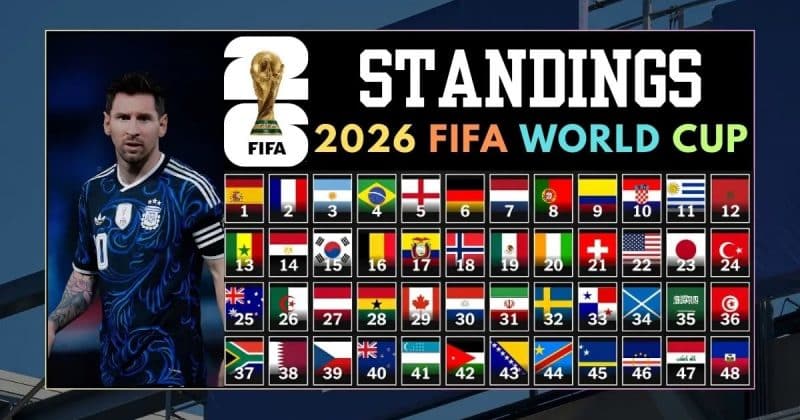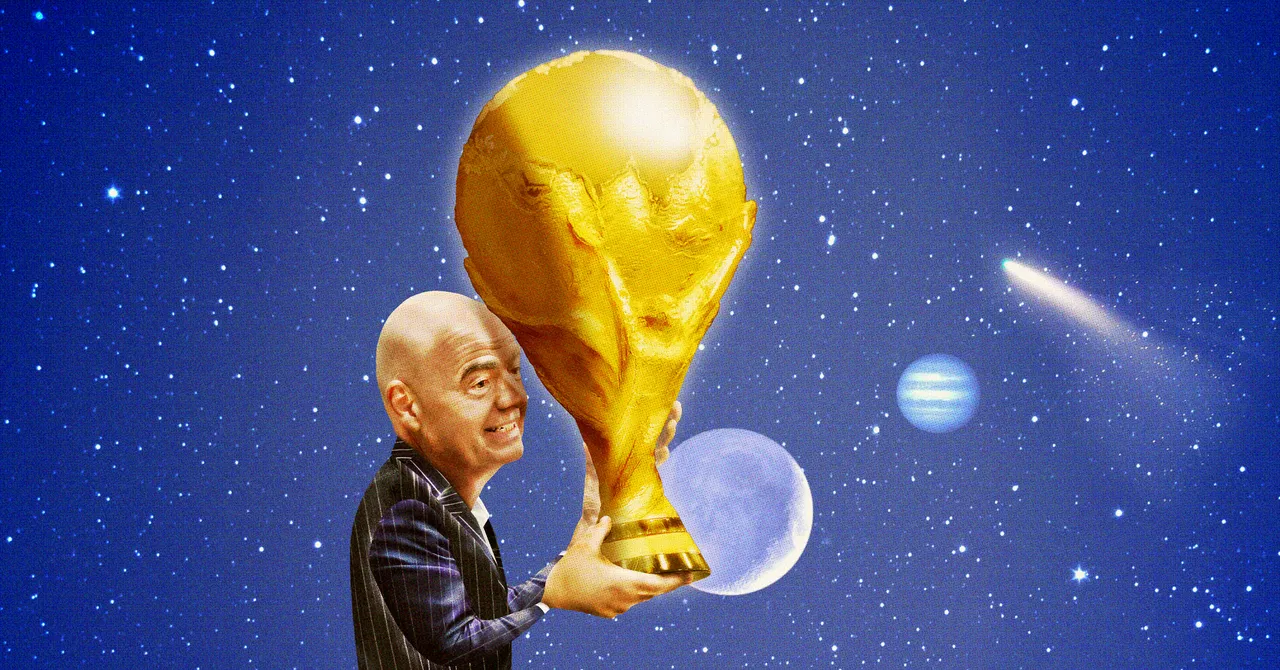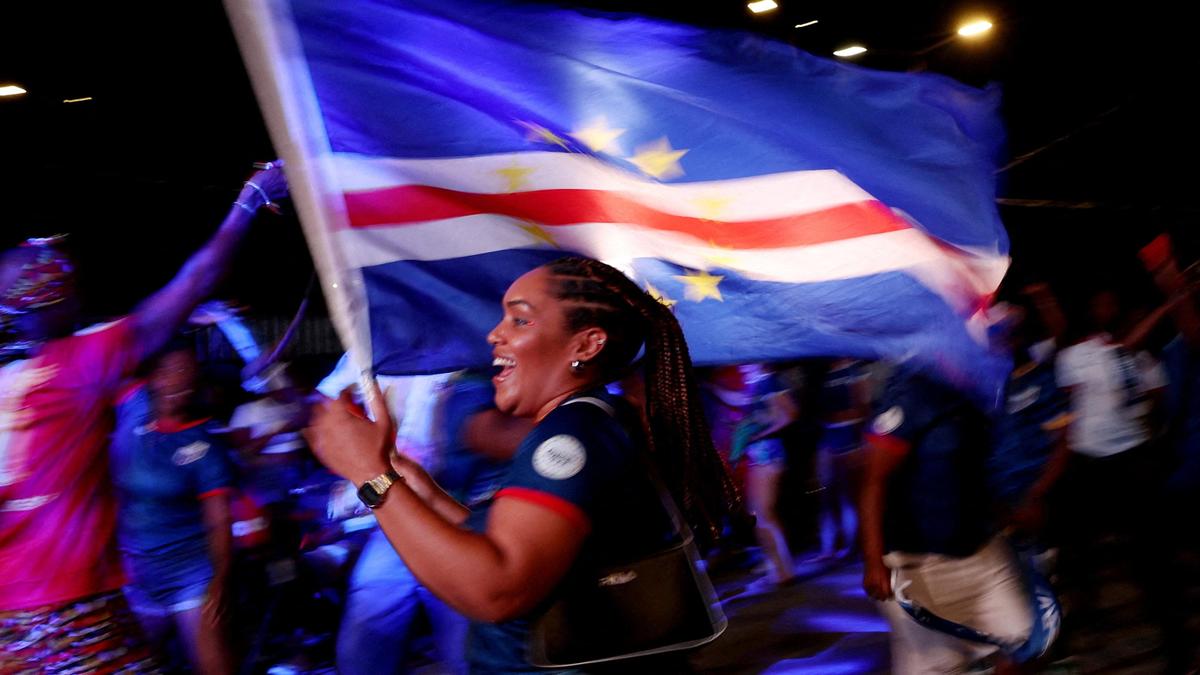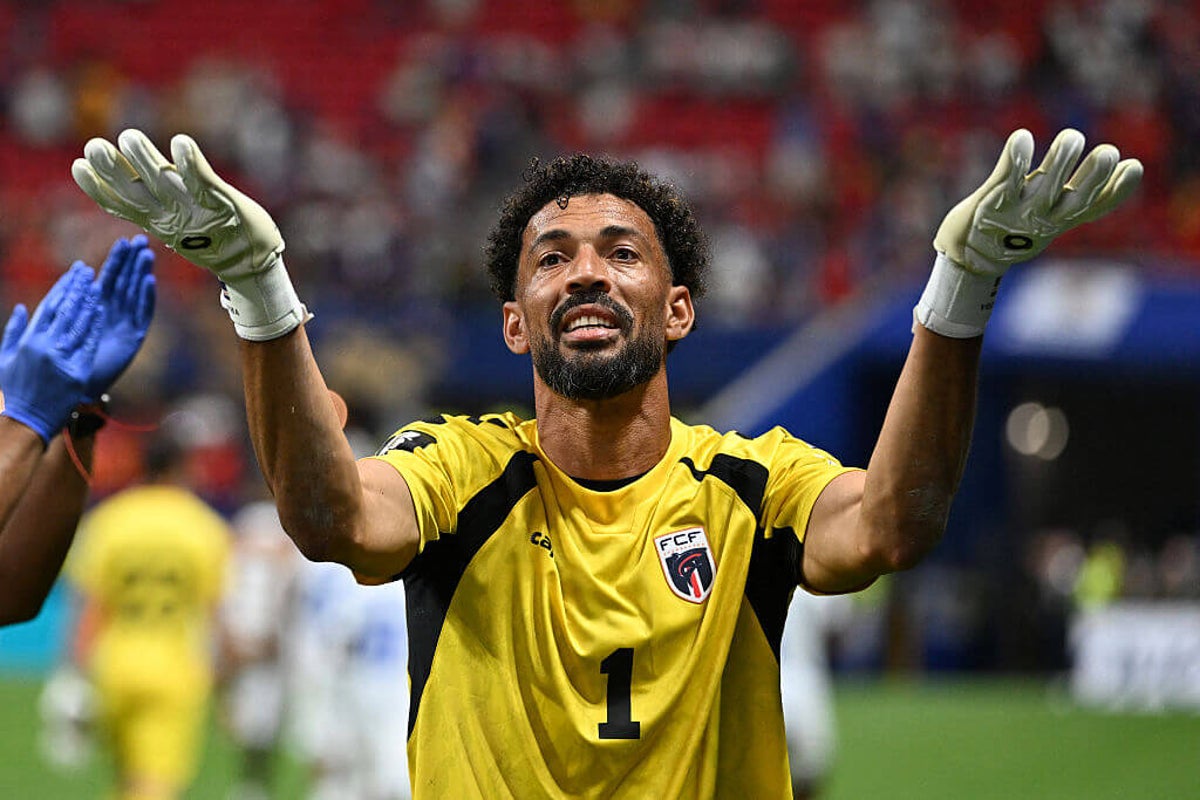
More teams, more entertainment.The 2026 World Cup’s expansion to 48 teams has delivered so far, with goals flying in at a rate of 2.95 per game, the highest since 1970. But has this extra entertainment come at a cost to competitiveness?A cynical view is that this goal surge is a natural consequence of a diluted field, one that has produced more high-scoring, one-sided games. According to FIFA’s rankings, introduced in 1992, this tournament has the lowest average quality on record, with the average team ranked 32.4 — the first time that figure has climbed above 30.On the surface, that cynicism appears justified. The average winning margin at this World Cup stands at 2.3 goals, higher than in the group stages of each of the previous six tournaments, with 25 per cent of games so far won by a margin of three or more goals.But these surface-level statistics mask the captivating underdog stories that have brought a sense of colour and vibrancy to this World Cup. Chief among them are Cape Verde, who have emerged as the group-stage heroes after rousing performances against two former World Cup winners.The African island nation, the smallest country by landmass ever to play at a World Cup, began their first tournament by mounting a courageous resistance against Spain, holding the European champions to a 0-0 draw as their 40-year-old goalkeeper Vozinha pulled off a string of miraculous saves. They then backed that up with a 2-2 draw against Uruguay, a side ranked 51 places above them.The table below shows the largest ranking gaps in World Cup history for teams that avoided defeat, with both of Cape Verde’s results sitting inside the top 15. They are joined by four other results from this tournament, including Ghana holding England to a 0-0 draw and Curacao doing the same against Ecuador, while South Africa’s 2-1 victory in 2010 over a France side ranked 74 places above them tops the pile.
It’s the biggest World Cup but is the gap between best and worst teams smaller than ever?
The average winning margin at this World Cup is higher than in the group stages of each of the previous six tournaments
797 words~4 min read