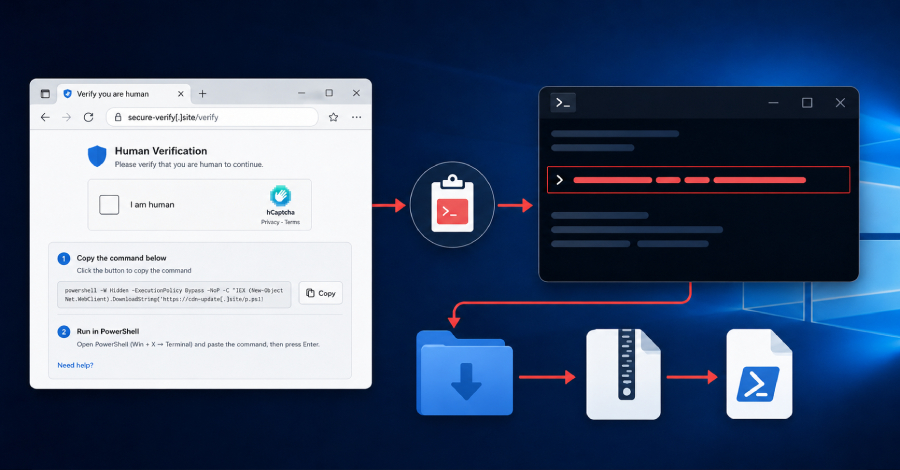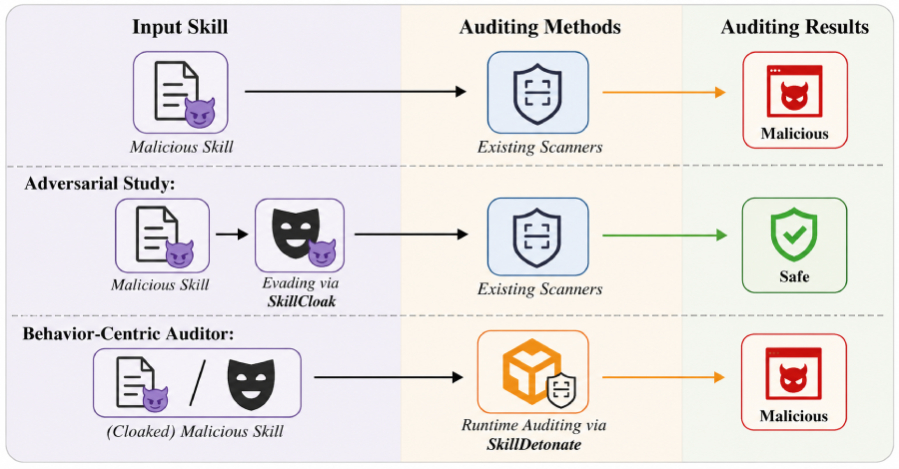
Malware authors don't make our job easy. Every time we think we've figured out their tricks, they layer on another obfuscation technique, another anti-debugging check, another sandbox evasion. Over the past few weeks, I've been deep in the trenches with some particularly stubborn samples — the kind that detect your debugger, hide their strings behind XOR encoding, and hollow out legitimate processes to hide their payload.
This article walks through my hands-on exploration of these techniques. We'll look at how malware detects analysis tools, how it obfuscates its strings, how it unpacks itself in memory, and most importantly — how we can bypass these defenses to see what the malware is actually trying to do.
The tools we'll use:
x64dbg/x32dbg for dynamic analysis and patching
IDA Pro for static disassembly