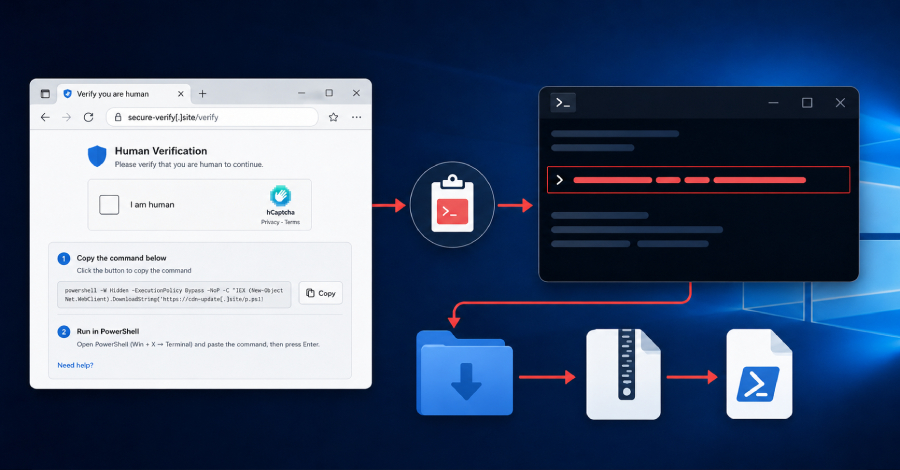
I've been digging into malware analysis lately, and one thing became clear pretty fast: before you ever touch a debugger or run a suspicious binary, you need to understand the landscape — what malware actually is, how it's classified, and what a safe, repeatable analysis workflow looks like.
This post is my attempt to organize that foundation. No flashy exploit walkthrough here — just the core concepts I think anyone starting out in malware analysis needs to internalize first, because skipping this step is how people either get sloppy or get burned (sometimes literally infecting their own host machine).
Problem Statement
If you search "malware analysis tutorial," you mostly get tool-specific guides — "how to use Ghidra," "how to use Process Monitor" — without context on why you'd choose static vs. dynamic analysis, or how to build a lab that won't accidentally compromise your real network.
I wanted to write down the methodology layer first: the classification of malware, the four analysis approaches, and the non-negotiables of lab isolation. This is the stuff that makes the tool-specific tutorials actually make sense later.