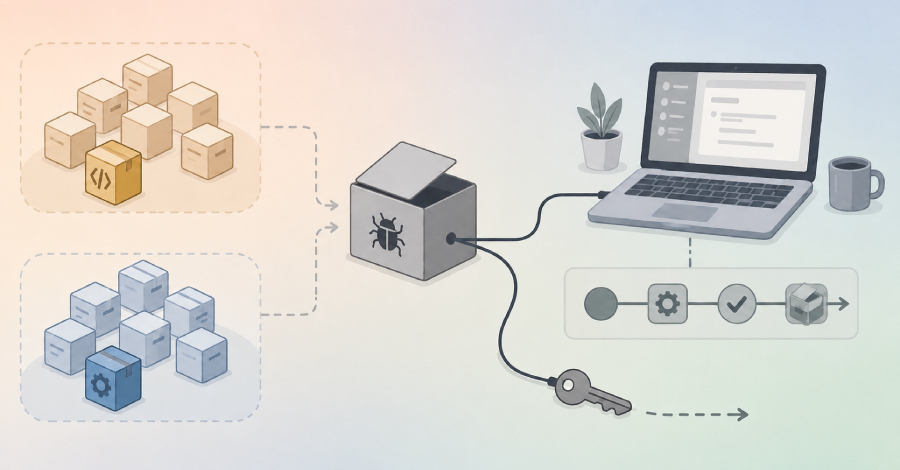
In the past year, there’s been a pattern of supply chain attacks that target weaknesses in package repositories and CI/CD systems to quickly spread malware to hundreds of open source projects. This malware seeks to exfiltrate credentials both to broadly spread the attack, as well as for later exploitation.
We’ve written a few times about our plans for hardening the supply chain: Our plan for a more secure npm supply chain in September 2025, Strengthening supply chain security: Preparing for the next malware campaign in December 2025, and What’s coming to our GitHub Actions 2026 security roadmap in March 2026. In this post, we’re updating you on changes we’ve implemented that directly disrupt some of the most common and impactful supply chain attack techniques.
Anatomy of supply chain attacks
Supply chain attacks chain together several weaknesses, and there is no single security capability that can stop them. Addressing them takes a holistic approach, prioritizing the mitigations that break the most impactful links in the attack chain. Our teams have been studying these attacks to deploy several improvements that disrupt them and limit their impact. This is possible thanks to collaboration with the security research and developer communities.