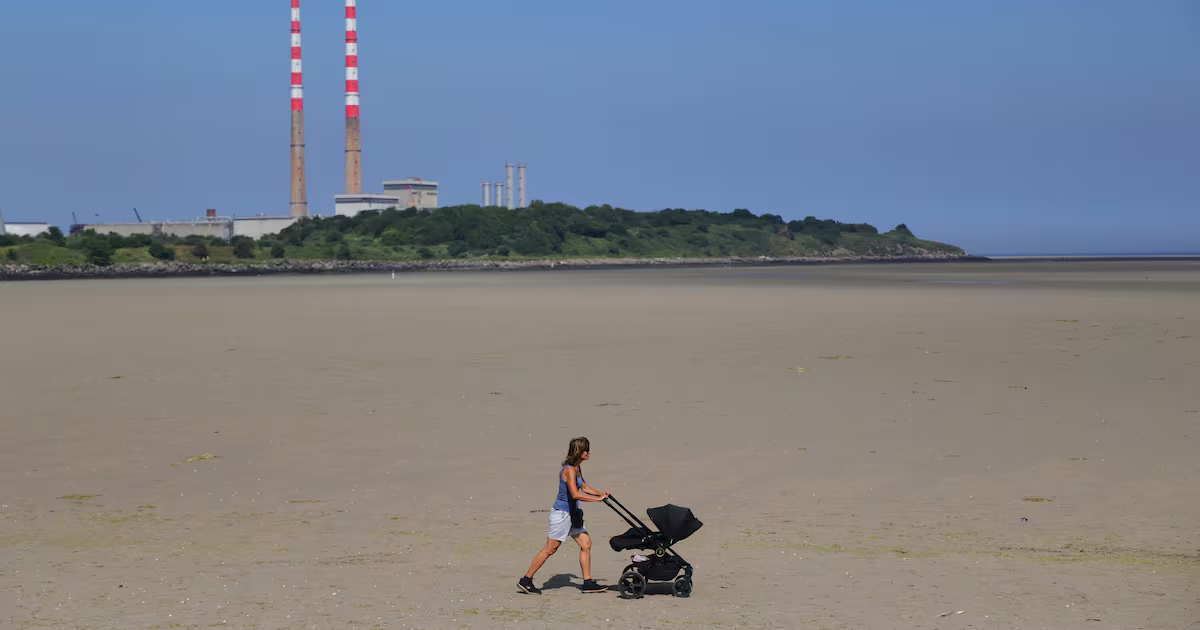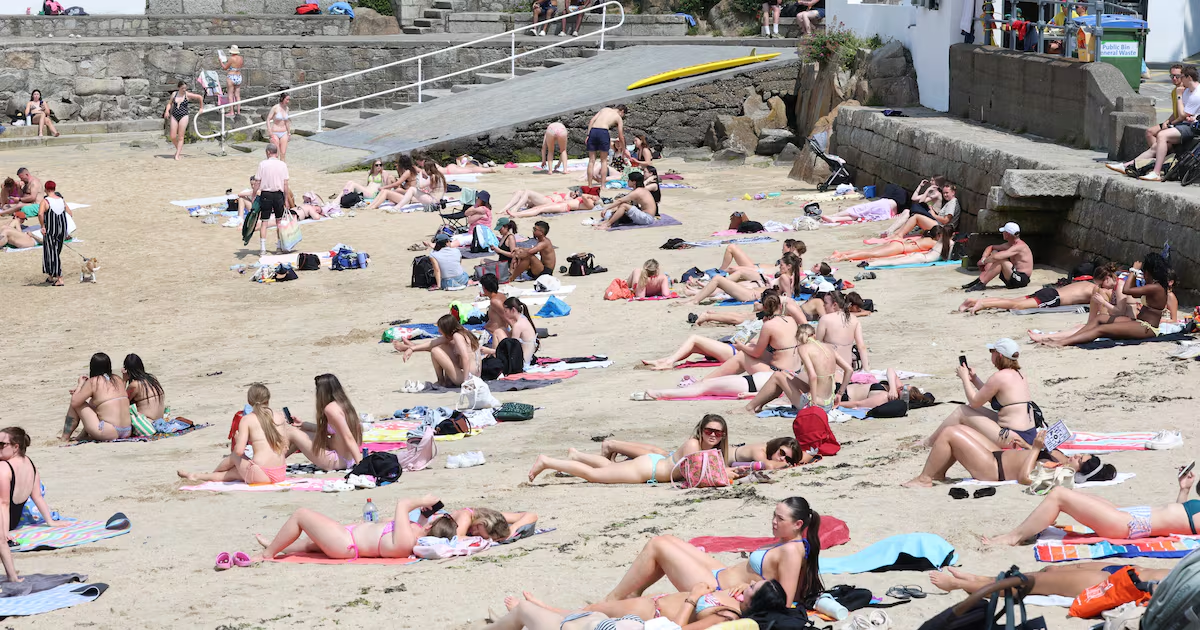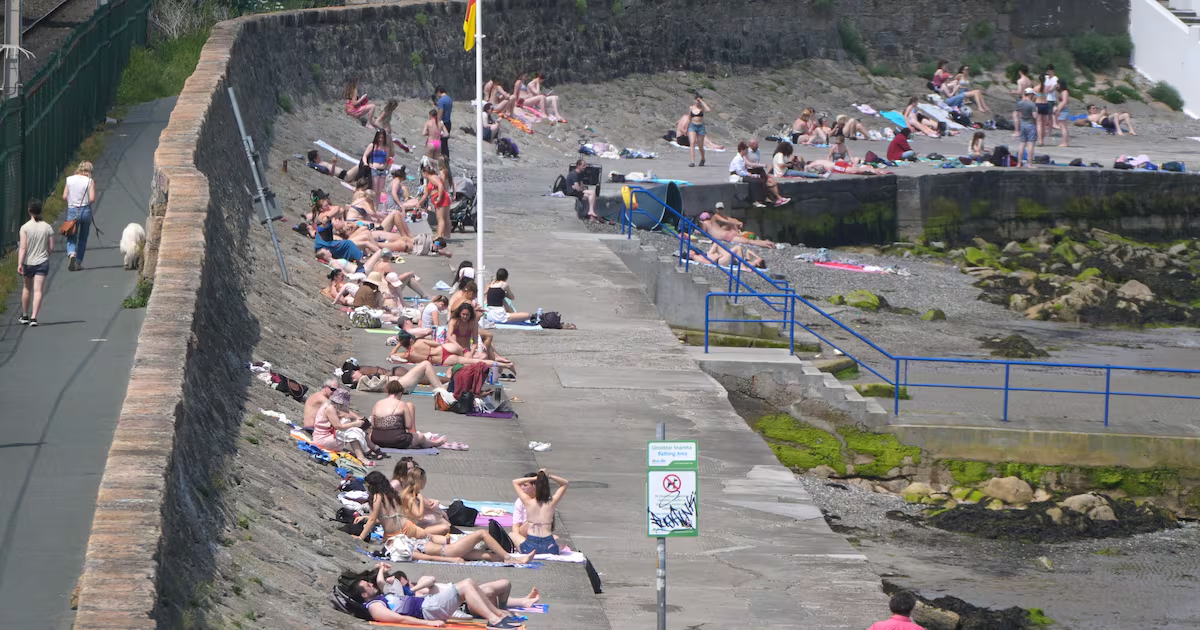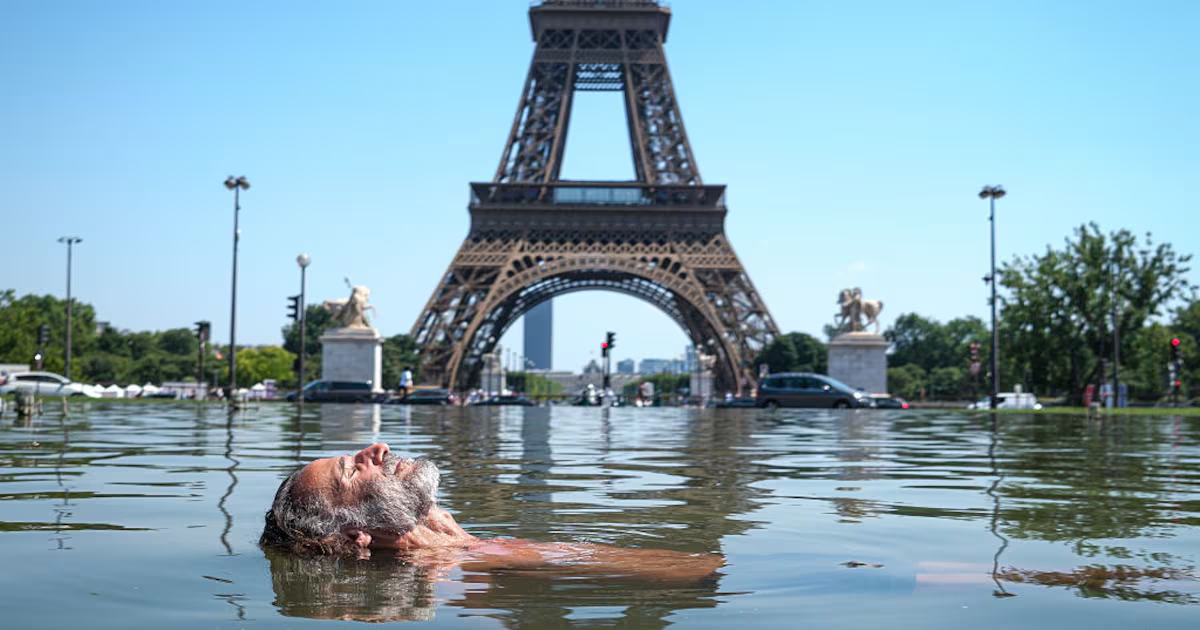
For Ireland it has been a week of hot weather, uncomfortable for some but enjoyed by many. But continental Europe and Britain have been experiencing a heatwave which scientists believe is the most extreme on record in many areas. On Friday, an estimated 150 million people faced temperatures of 35 degrees or higher. Ireland was fortunate to be on the edge of the so-called heat dome which trapped hot and humied air across the Continent and led to record temperatures, disrupting daily life and creating a danger for more vulnerable people. This is not “just summer.” It is, scientists say, more evidence of the march of climate change and of the familiar story of ever more frequent weather events.The appropriate response is to reduce the harmful emissions caused by burning fossil fuels. Here, Ireland remains well behind target and is likely to achieve only half its promised reductions by 2030, on the basis of current policy plans being implemented. There has been progress – it has just not been anything like fast enough.Ireland is also lagging in another important area – climate adaptation. While determined reductions in international emissions could reduce the regularity and seriousness of extreme weather events, it cannot eliminate them. Even if Ireland avoids the extreme heat now afflicting parts of Europe, more storms and floods are now inevitable. And the fall-out from extreme weather is far-reaching. For example, Ireland had to turn on emergency generators this week because of high energy demand in the UK and Europe, as people turned up air conditioning and turned on fans. Ireland has a climate adaptation strategy and a range of sectoral plans. But as the response to recent storms shows, there is much work to be done. The Climate Change Advisory Council, in its response to these plans last year, warned that more resources were needed at national and local level, along with the rapid development of strategies to deal with coastal storms, the resulting erosion, rising sea levels and flooding. The arrival of extreme heat in Britain this week showed that high temperatures can also pose a problem on Europe’s western fringes, including in Ireland. Policies put in place in some European cities, such as Paris, can provide guidance to policymakers here, with advantages from green city centres and better warning systems.The worrying thing, in the light of this week’s events, is that climate ambition seems to be faltering across the EU and in Ireland. The mood is not as extreme as in the US, but Europe has been influenced by Trump’s policies and the popular scepticism it has fuelled.It is time for Europe’s climate drive to be renewed. Ireland’s EU presidency, which begins next week, would be a good opportunity for the State to show it is serious about meeting this existential challenge.
The Irish Times view on Europe’s heatwave: underling the need to adapt to extreme weather
Reducing emissions is key, but so is preparing for the extreme weather events which are now inevitable
466 words~2 min read