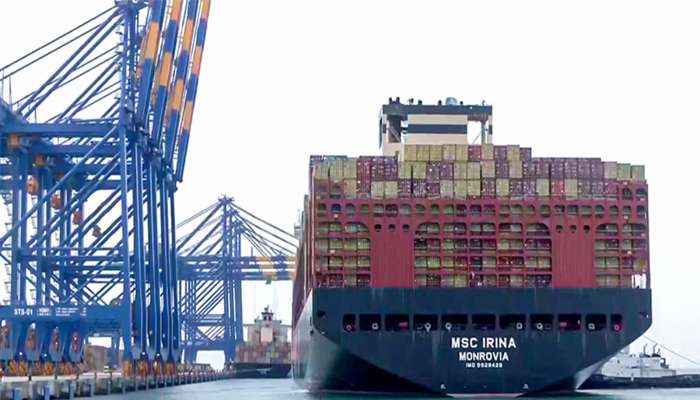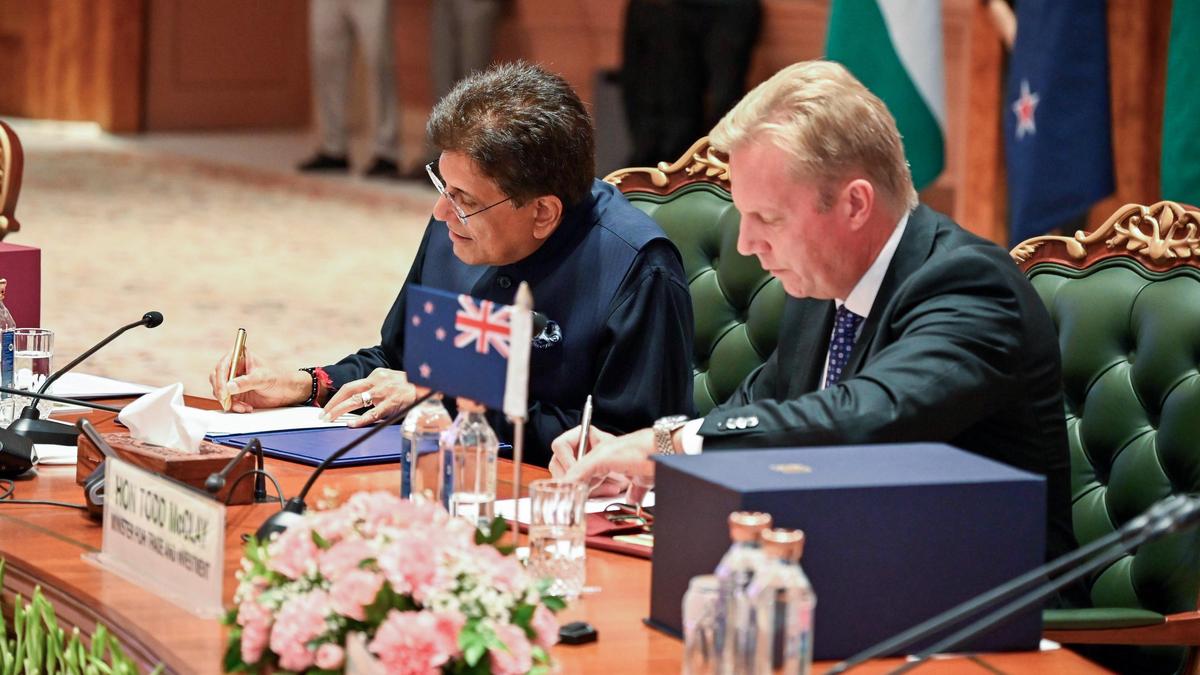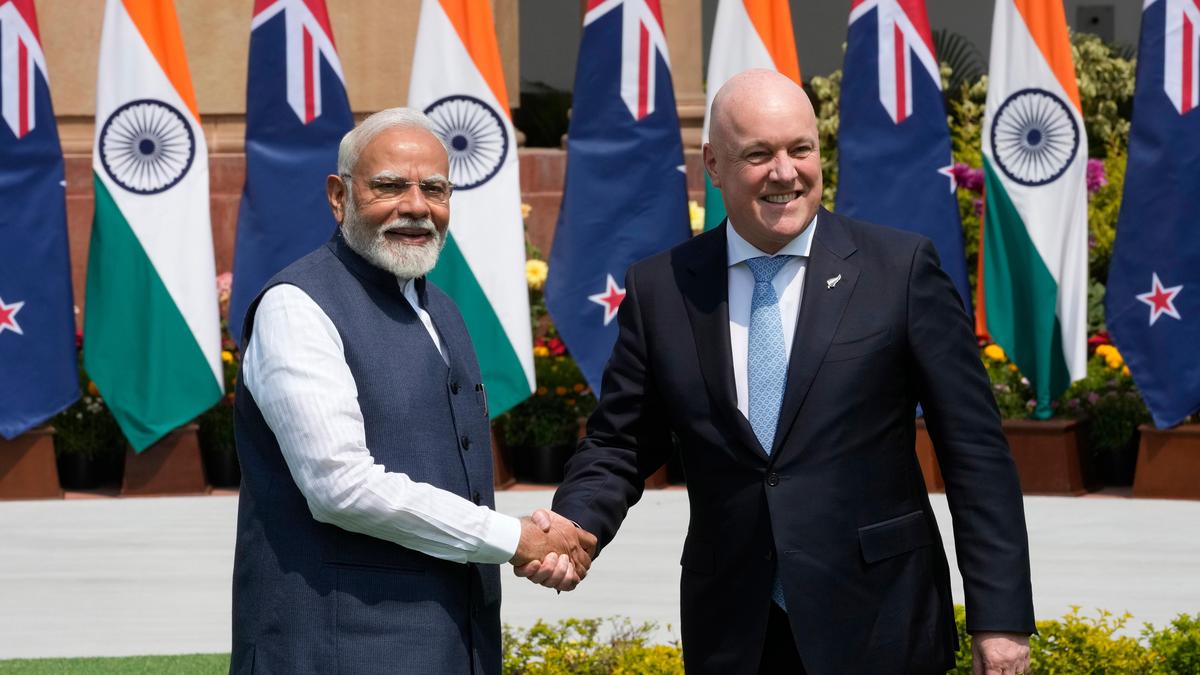
For years, trade between India and New Zealand has been a relationship with untapped potential. The two economies have remained friendly partners, yet commercial engagement has never quite matched the opportunities available. Trade remains relatively modest. The bilateral merchandise trade stood at $1.3 billion (approximately) in FY 2024-25, of which India’s exports to New Zealand accounted for only around $711 million, despite registering 32% year-on-year growth. The numbers are moving in the right direction, but remain small when compared to India’s trade relationships with larger partners. The proposed India-New Zealand Free Trade Agreement (FTA) could change that equation as it attempts to create conditions for faster bilateral growth.At first glance, the headlines are easy to focus on — zero-duty access for Indian exports, wider market access for services, and a proposed investment commitment of $20 billion over the next 15 years. These are important outcomes. The larger story, however, is that the agreement reflects the evolving nature of trade partnerships.Modern trade beyond tariffsModern FTAs are no longer just about lowering customs duties. Businesses today are equally concerned about how quickly goods move through ports, how easily certifications are recognised, whether regulations are predictable, and how much compliance effort is required to access preferential treatment. In many industries, these factors influence competitiveness as much as tariffs.For Indian exports, New Zealand has extended duty-free access across 100% of its tariff lines. However, for businesses, particularly in labour-intensive sectors such as textiles, apparel, leather, and handicrafts, this is not merely a removal of duties that had earlier reached to 10%, but a clear pricing advantage in a market otherwise dominated by established FTA partners. In a market where competing exporters already enjoy preferential access, even a single-digit tariff advantage can influence purchasing decisions.On the other hand, India’s approach is cautious. Sensitive sectors such as dairy have remained protected, reflecting a policy preference that has become increasingly visible in India’s recent trade negotiations. The objective is clear: open and explore new opportunities without exposing vulnerable domestic industries to competitors.Services could emerge as one of the most significant beneficiaries over the longer term. Indian businesses have strong capabilities in technology, consulting, engineering, health care, and education services. Greater market access along with clearer mobility provisions for professionals and students can make it easier for Indian firms to expand their presence in New Zealand. For a country where services account for an increasing share of economic output, these provisions deserve as much attention as tariff concessions.Compliance unlocks trade benefitsOne more feature that businesses should watch closely is the Rules of Origin (RoO) framework. Preferential access under an FTA is never automatic. Companies must demonstrate that products meet prescribed origin requirements before claiming lower duties. The India-New Zealand agreement incorporates detailed product-specific rules, documentation requirements, and traceability measures to prevent misuse through transshipment.From a policy standpoint, this strengthens the integrity of the agreement, while from a business standpoint; it raises the importance of supply chain visibility and compliance readiness.The same principle applies to trade facilitation measures included in the pact. Faster customs clearances, digital certification systems, and simplified procedures often deliver tangible commercial benefits. Reduced delays can reduce inventory costs, improve cash flow, and create greater certainty across supply chains.This agreement also aims to address non-tariff barriers, particularly in sectors where regulatory approvals often matter more than tariffs. Industries such as pharmaceuticals, food processing, chemicals, and agriculture could gain benefits if regulatory processes are streamlined and more predictable.Preparing businesses for FTAsViewed more broadly, the agreement marks another step in India’s transition towards a facilitation-led trade policy, where businesses enhance competitiveness not only through lower tariffs but also through reduced transaction costs, faster market access, and greater certainty across the trade ecosystem.From a business perspective, the real opportunity lies not merely in availing lower duties but also in integrating operational, sourcing, and compliance functions with the framework of the agreement. Today, preferential access increasingly depends on demonstrable compliance, traceability, and process discipline. Given this, businesses should proactively review Harmonised System (HS) classifications, evaluate eligibility under the RoO framework, strengthen supply-chain documentation, identify sector-specific export opportunities, and reassess landed-cost models to maximise the commercial advantages offered under the agreement.Aditya Nadkarni is Director, Indirect Tax, Nexdigm; Snehal Gadhave is Senior Manager, Indirect Tax, Nexdigm
India-New Zealand FTA, a modern trade partnership
The proposed India-New Zealand Free Trade Agreement attempts to create conditions for faster bilateral growth
704 words~3 min read