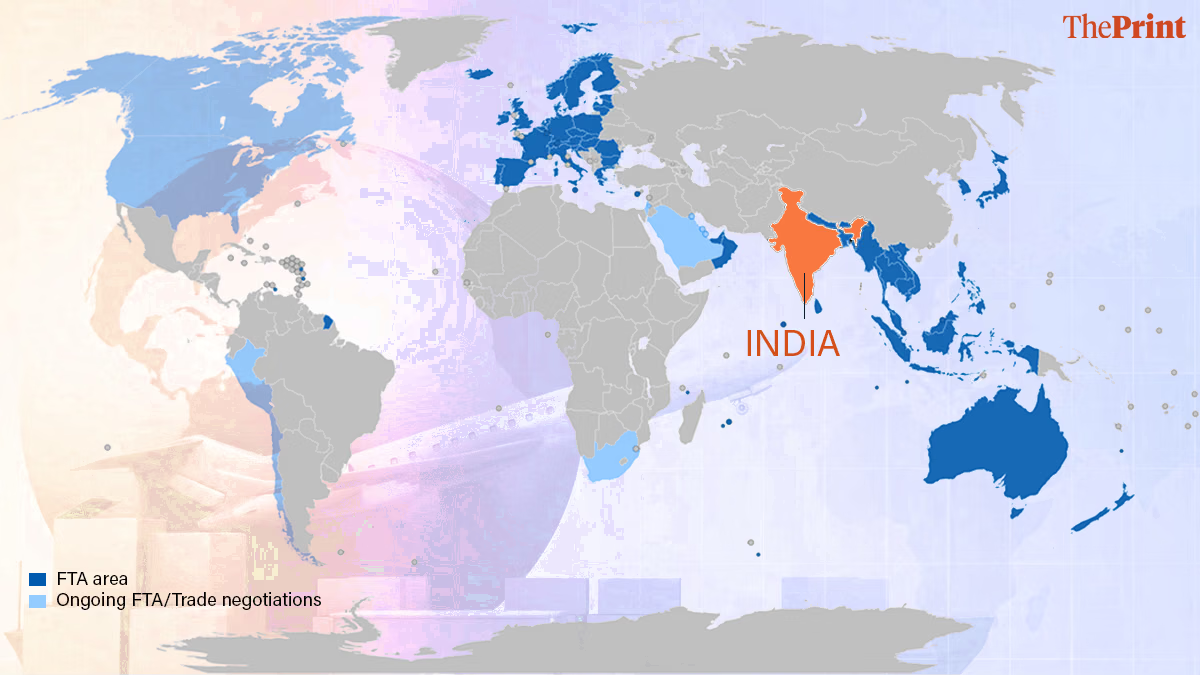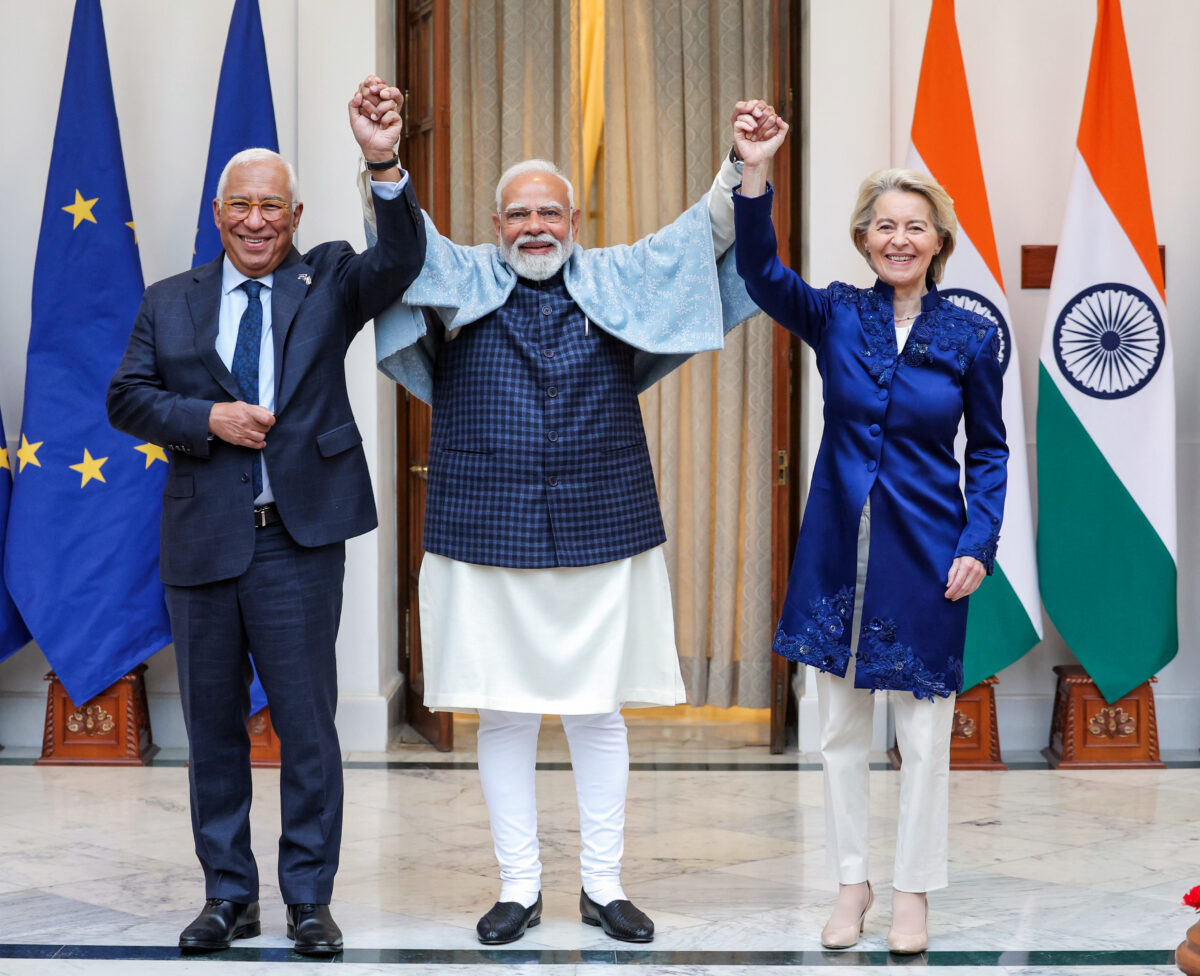
India’s wave of bilateral free trade agreements (FTAs) since 2022 — with the United Arab Emirates, Australia, the European Free Trade Association, the United Kingdom, Oman, the European Union and New Zealand — has been read by some as evidence of a turning point in India’s trade policy. But the test will be whether they raise India’s productivity, growth and living standards by entrenching reforms and openness.
Trade agreements should be understood as instruments of trade growth, not policy ends in themselves. Their effectiveness depends on underlying economic capacities and domestic competitiveness — market access alone does not translate into higher exports unless firms are efficient enough to make use of it.
For India, trade agreements can promote manufacturing competitiveness by creating external pressure for, and locking in, difficult domestic reforms. They can also help integrate Indian firms into global value chains, which are highly developed in Asia.
The liberalising content of India’s bilateral agreements has been shallow, with sensitive sectors carved out and long tariff phase-ins. The India–EU FTA, India’s most ambitious agreement, has rightly been characterised as ‘Swiss cheese’. Only 49.6 per cent of Indian tariff lines moved to duty-free on entry — with a further 39.5 per cent to be eliminated over 5–10 years — compared to the European Union’s 70.4 per cent, with an additional 20.3 per cent of tariff lines phased out over 3–5 years. Indian agriculture was excluded entirely, investment protection and geographical indications were deferred to separate negotiations and the services chapters are non-binding.