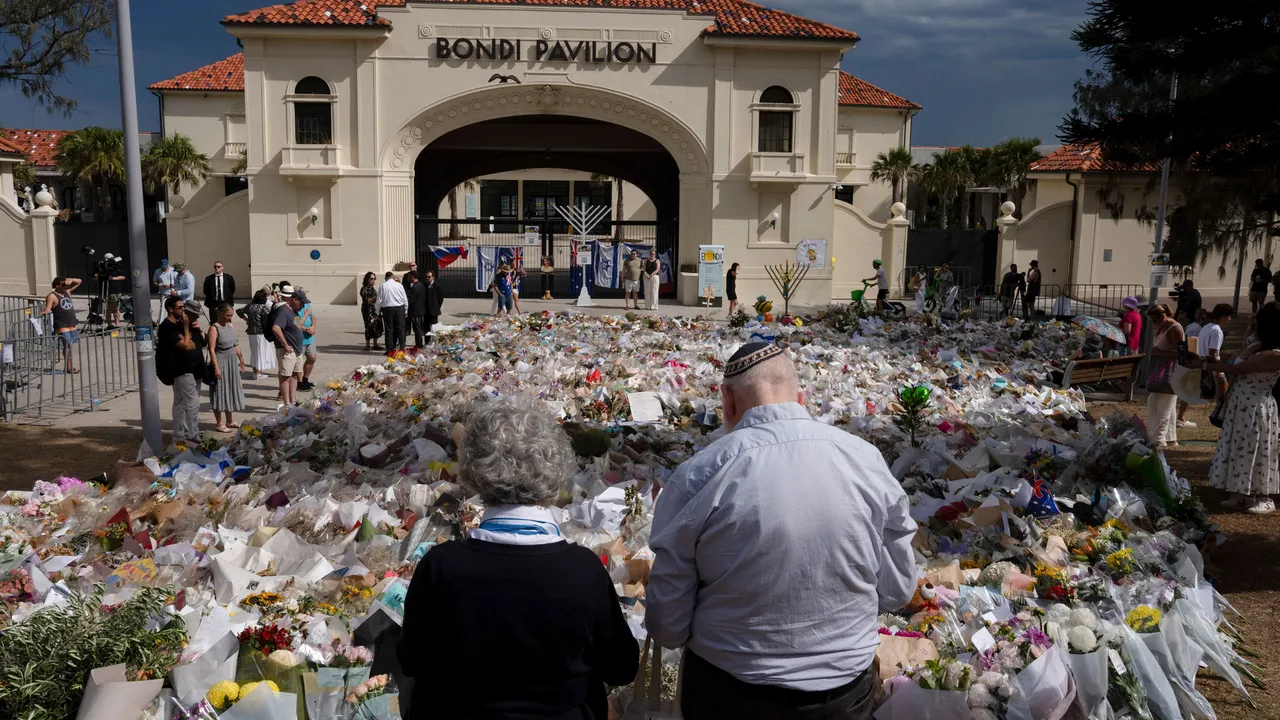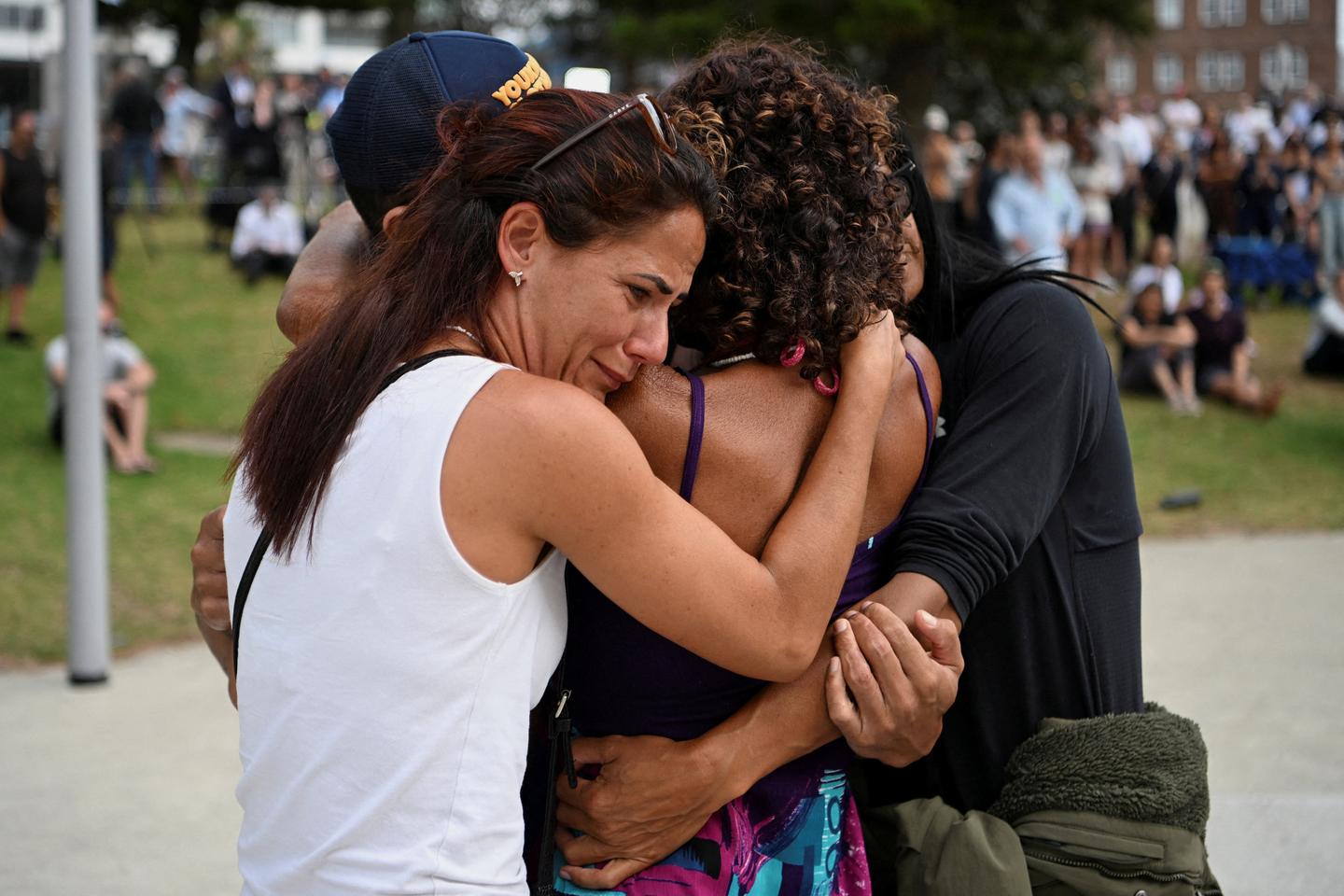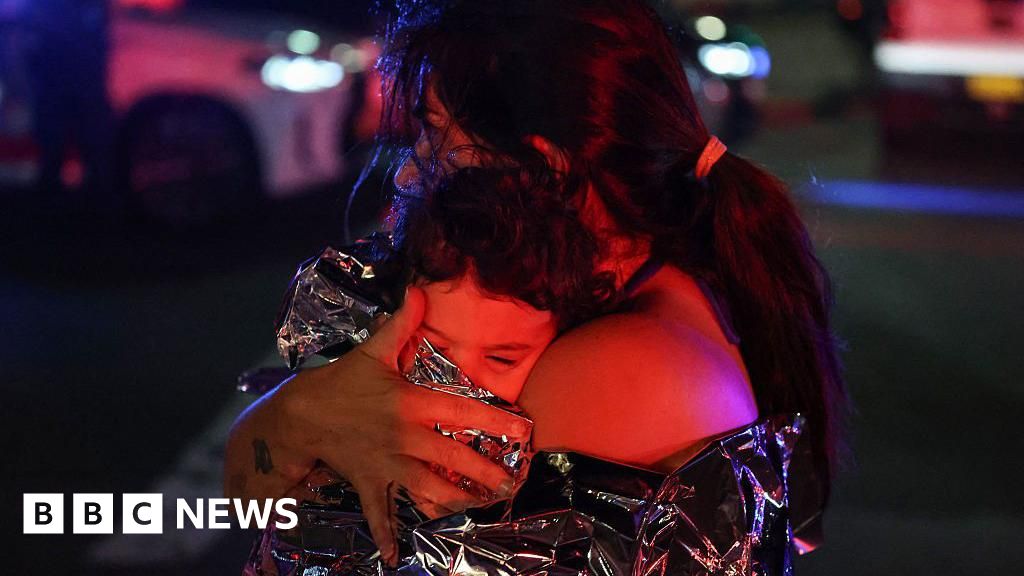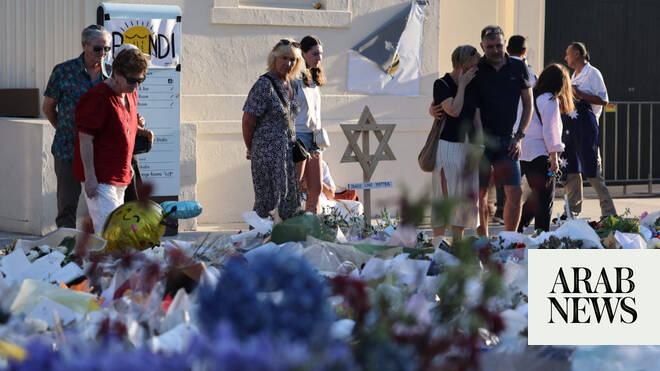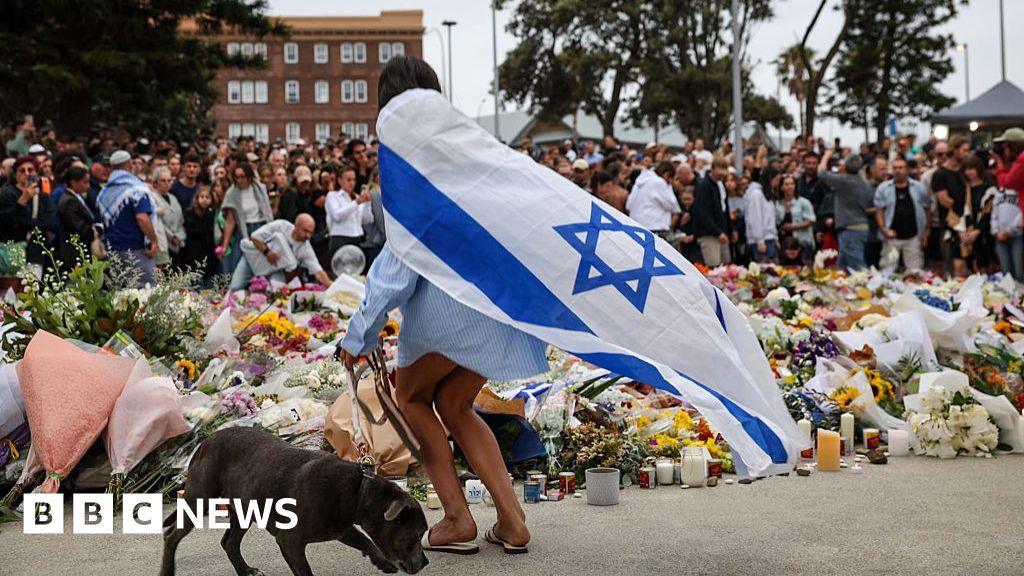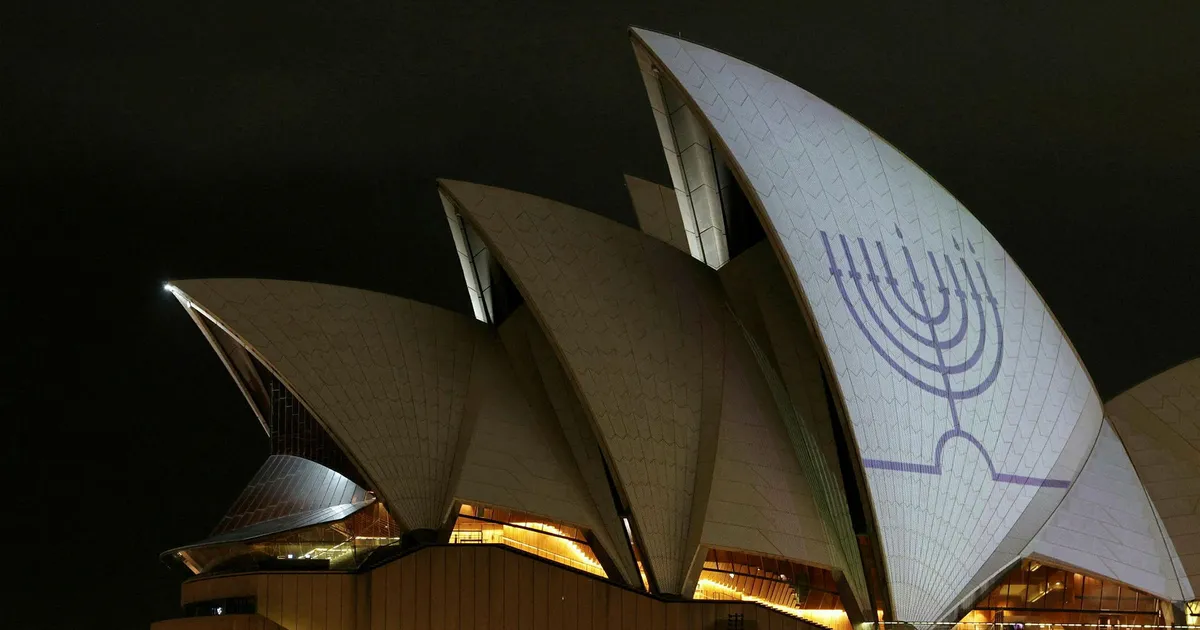
total-- : --time0:0008:53 PM • June 26 2026 IDTFor the Australian Jewish community, the date of December 14 carries as much gut-wrenching trauma as October 7 and September 11 does for Israelis and Americans, Daniel Hochberg, co-chair of the Union for Progressive Judaism's board, told the Haaretz Podcast.On the six-month anniversary of the terrorist shooting attack on 1,000 Jews celebrating Hanukkah on Bondi Beach that killed 15 members of the tight-knit community, Hochberg and Haaretz editor Noa Levin reviewed the aftermath of the second most deadly attack in Australian history and its ongoing effect on the country's politics and daily life for Australian Jews.The event "had a profound impact," Hochberg said, adding to the overall sense of insecurity Australian Jewry has felt since the events of October 7 and the political backlash linking local Jews to anger over Israel's actions, in a country where, until now, Jewish life thrived in an atmosphere of acceptance and security."We don't feel safe as we did before," Hochberg said, describing an increased "closing of spaces" to Jews who once felt part of progressive circles. "It has affected our sense of self-worth, our belief in our contribution to Australia is in question, and we are struggling with that. Our walls are being built higher and higher, so there's this feeling that the Jewish community, by almost default, is being isolated from the rest of Australian society."On the podcast, Hochberg and Levin discussed the controversial formation and the ongoing testimony of the Royal Commission on Antisemitism and Social Cohesion, the national inquiry of the Bondi attacks which is focusing on growing antisemitic discourse in Australia, and the political impact of the attack inside and outside the Jewish community.The "totally unimaginable" violent attack and the Jewish community's reaction, Levin noted, has sparked a conversation among young Jews regarding "who gets to speak for us at a national and international level, and what recommendations would all kinds of Jews like to see to ensure their safety in Australia," while "touching on the intersection between criticism of Israel and antisemitism."The Bondi attack, she said "has made the community incredibly sensitive to anything that looked, felt or smelt like something that could harm us, and that they have a right to do that, but I think it created something quite challenging in terms of discourse about Israel."In the NewsSettlers Tried to Torch Palestinian Homes. They Messed With the Wrong VillageA Turkish Reporter Fled Erdogan's Grip. Then He Met the Hitman Sent to Kill HimSettler Indicted Over West Bank Rampage That Left Eight Palestinians WoundedIn Latest Poll, Netanyahu's Likud Gains Seat as Bennett's Decline ContinuesDeclassified Records Reveal How Israel Launched Its 'Boldest Operation Ever'Remembering and rebuilding two years laterICYMIAs the World Watched Gaza, Israeli Settlers Charged Ahead in the West Bank. A Clash Is ImminentWhere Does Andy Burnham Stand on Israel and Palestine?Report: Netanyahu 'Likely' to Sabotage Iran Deal, U.S. Officials Tell TrumpThe IDF's Russian Roulette in Lebanon Continues – and No One Can Explain WhyShin Bet and IDF Planned to Warn Netanyahu Before Oct. 7. Mossad Head RefusedTrump's Threats to 'Blow the Shit' Out of Iran Strain First Round of Truce Talks
'December 14 was our October 7' • How the Bondi massacre destroyed the Australian safe haven for Jews
For the Australian Jewish community, the date of December 14 carries as much gut-wrenching trauma as October 7 and September 11 does for Israelis and Americans,
522 words~2 min read