A
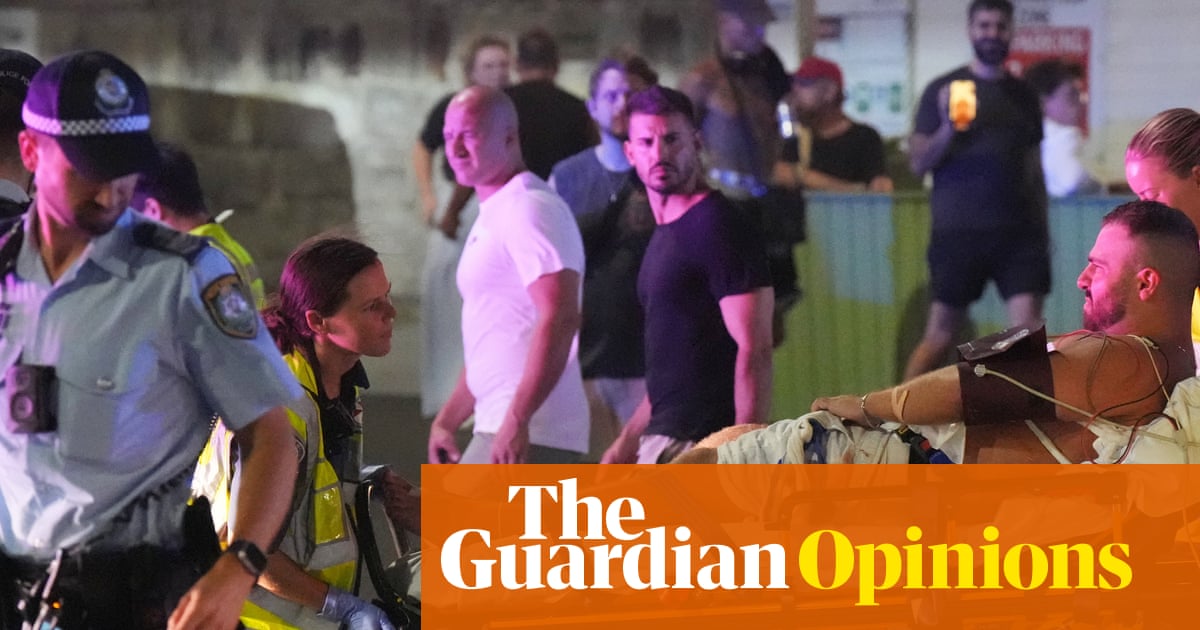
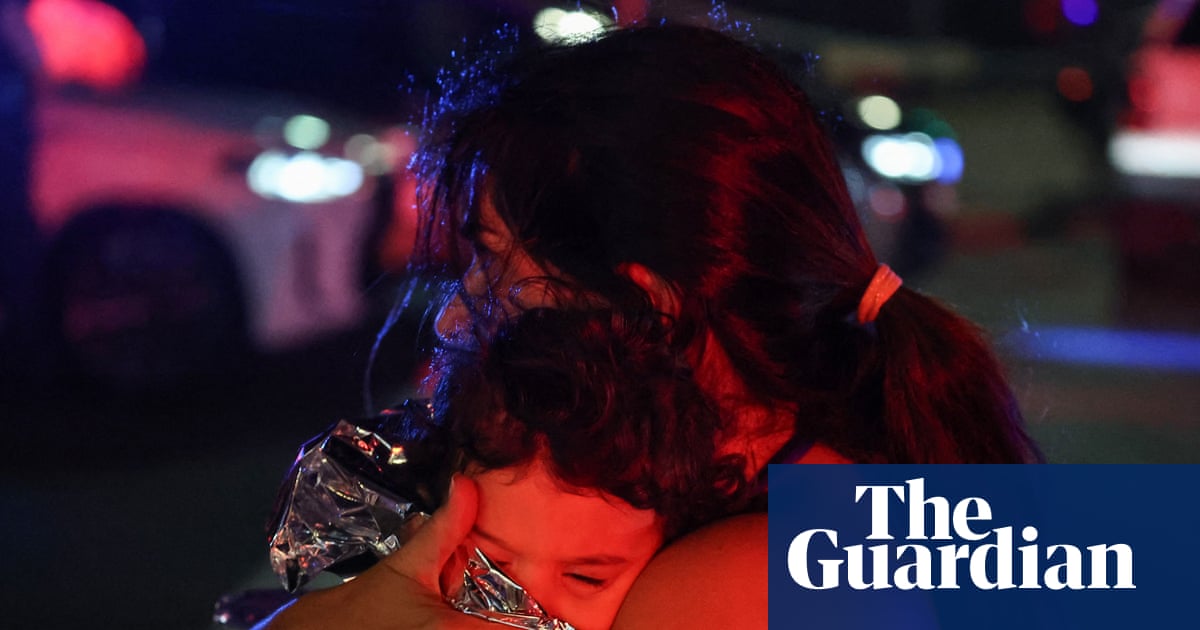
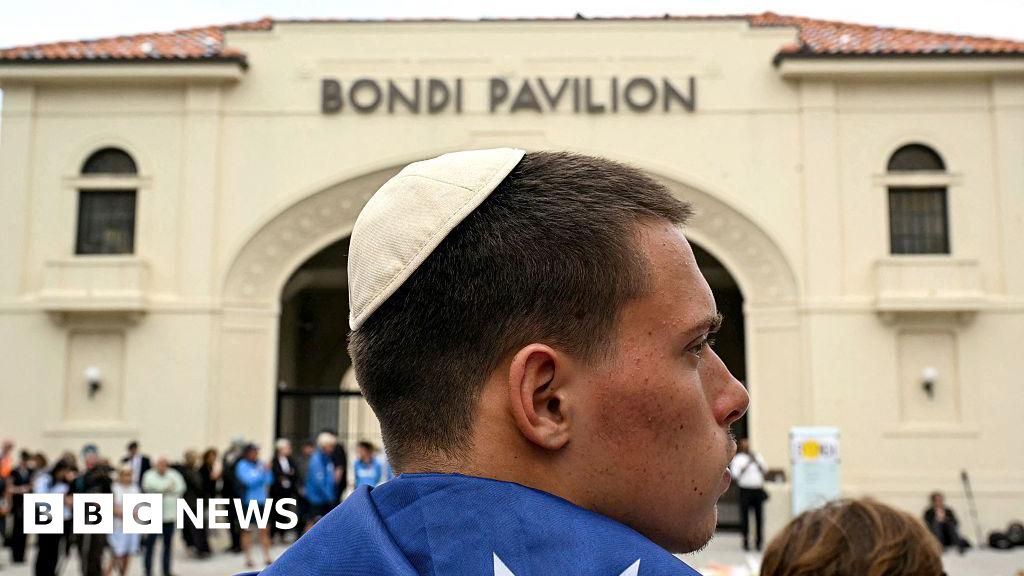
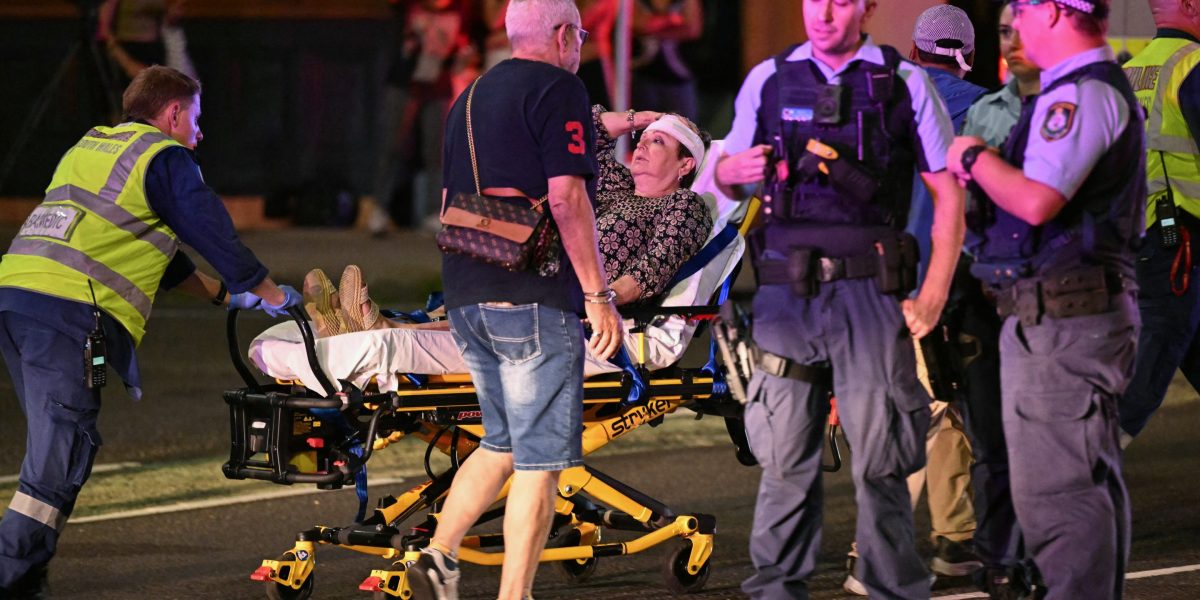
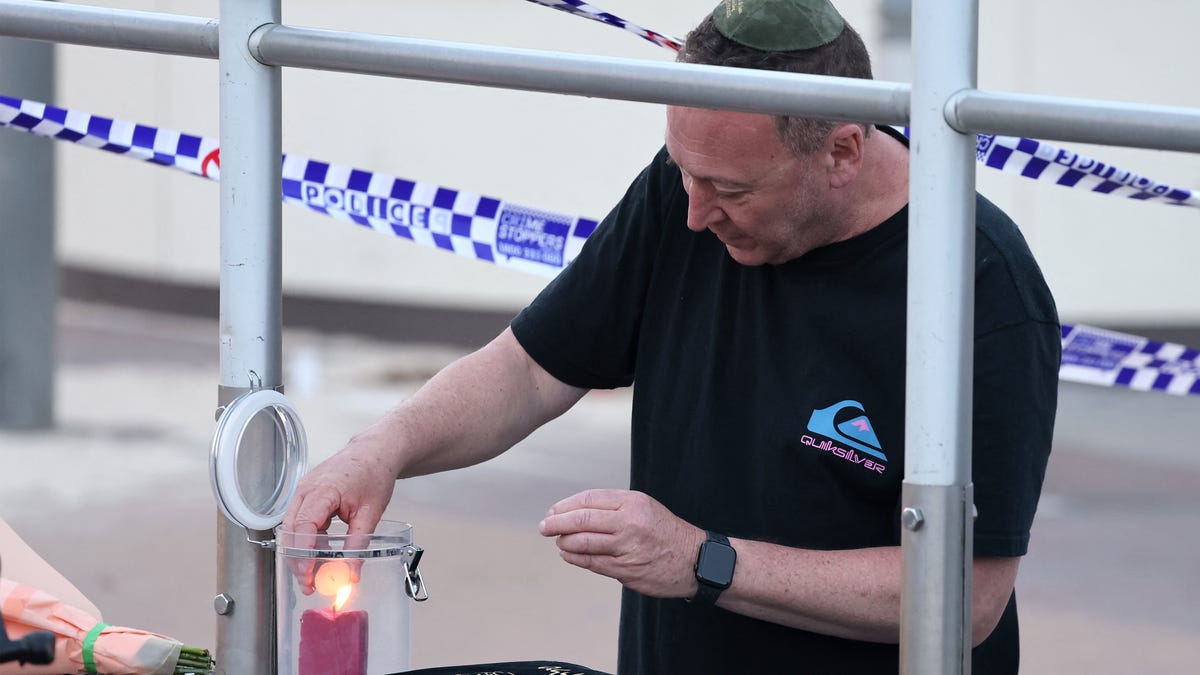
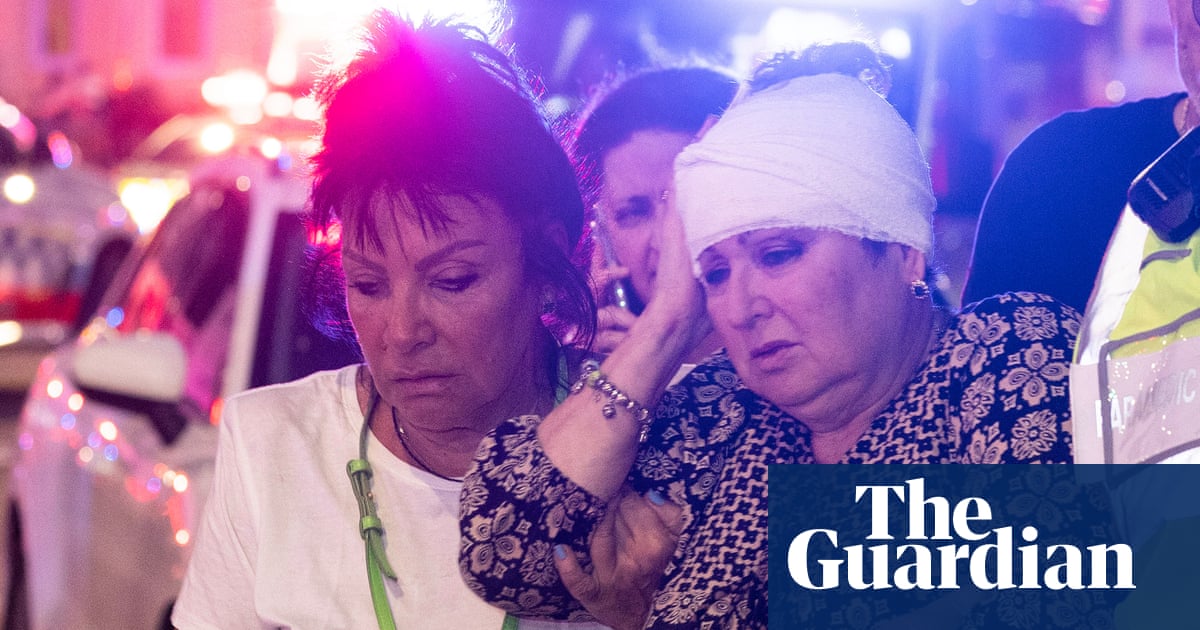
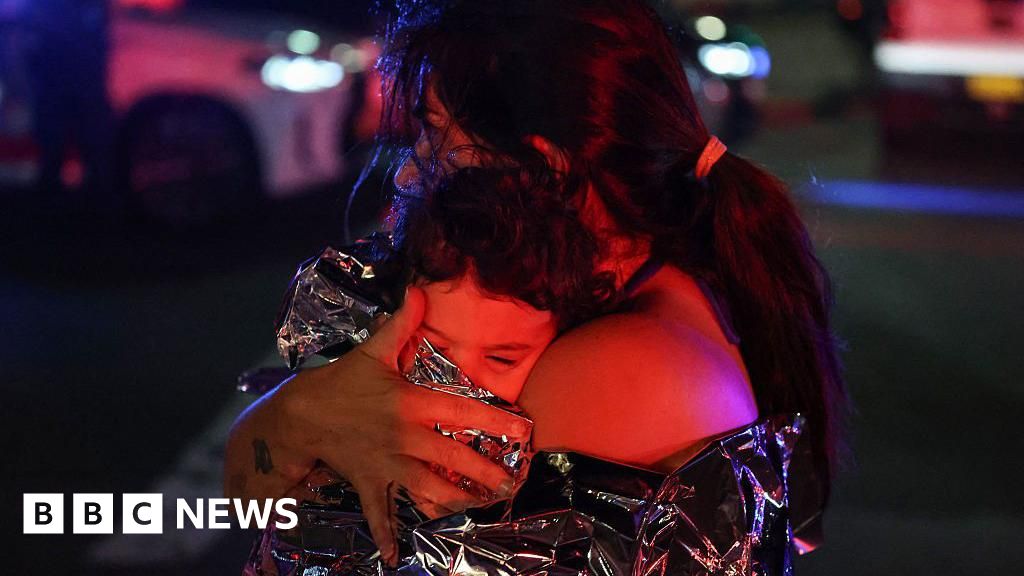
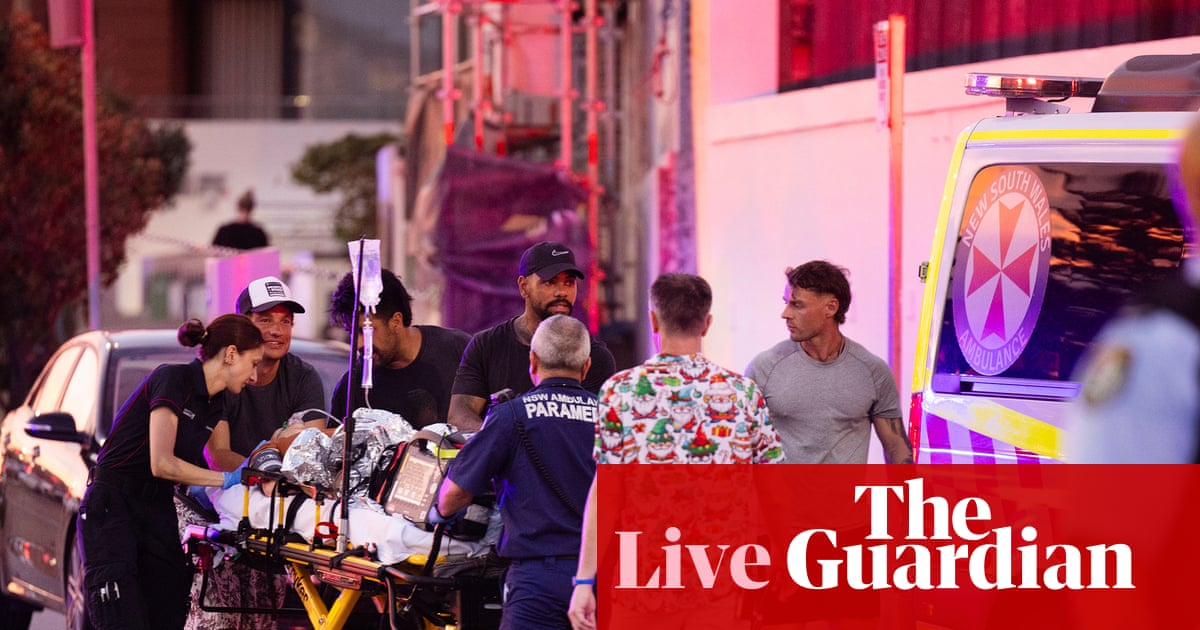
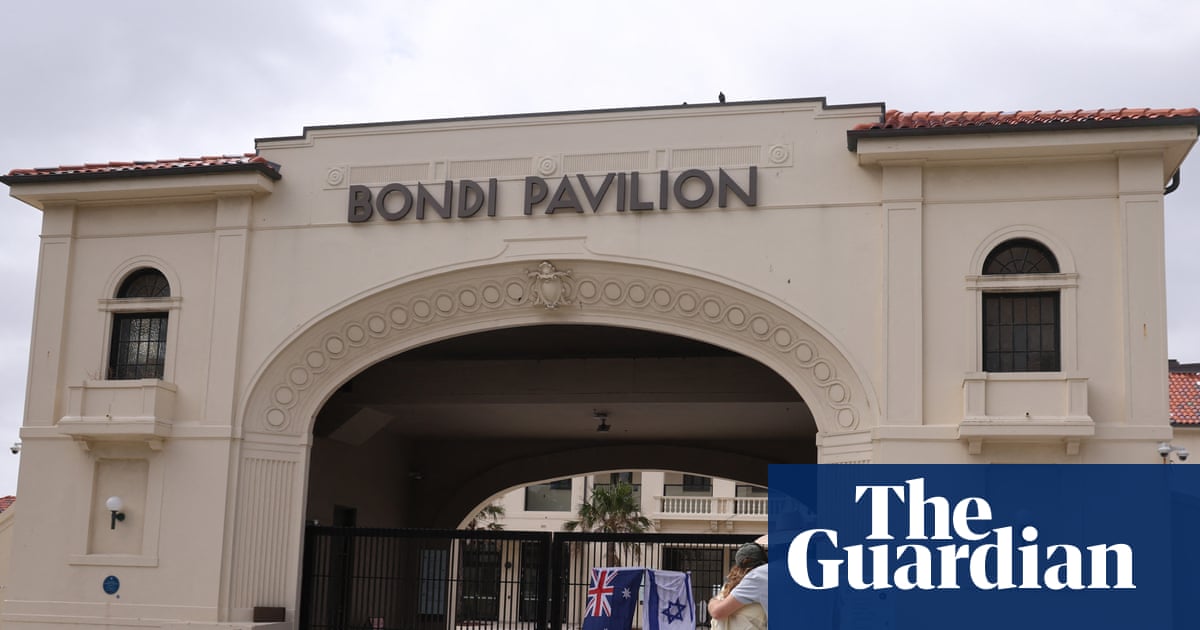
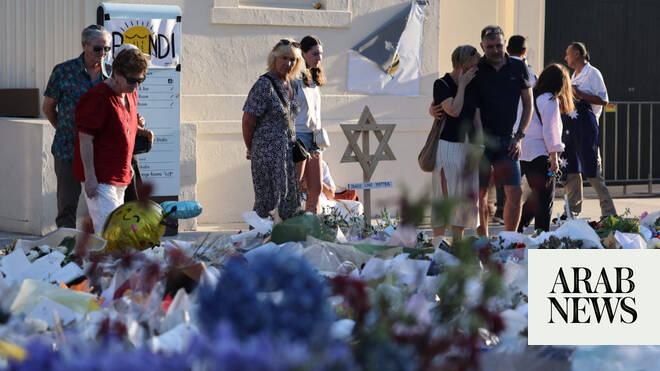
horrifying massacre struck the Jewish community in Australia on Sunday, December 14, rekindling fears among Jewish people around the world. Two suspected attackers targeted a gathering held on one of Sydney's most popular beaches to celebrate Hanukkah, the Jewish Festival of Lights. This holiday of hope, as described in biblical tradition, turned into a bloodbath. The toll of 15 dead could have been even higher if not for the courageous intervention of a passerby, who managed to disarm one of the assailants as he was firing into an unarmed crowd.
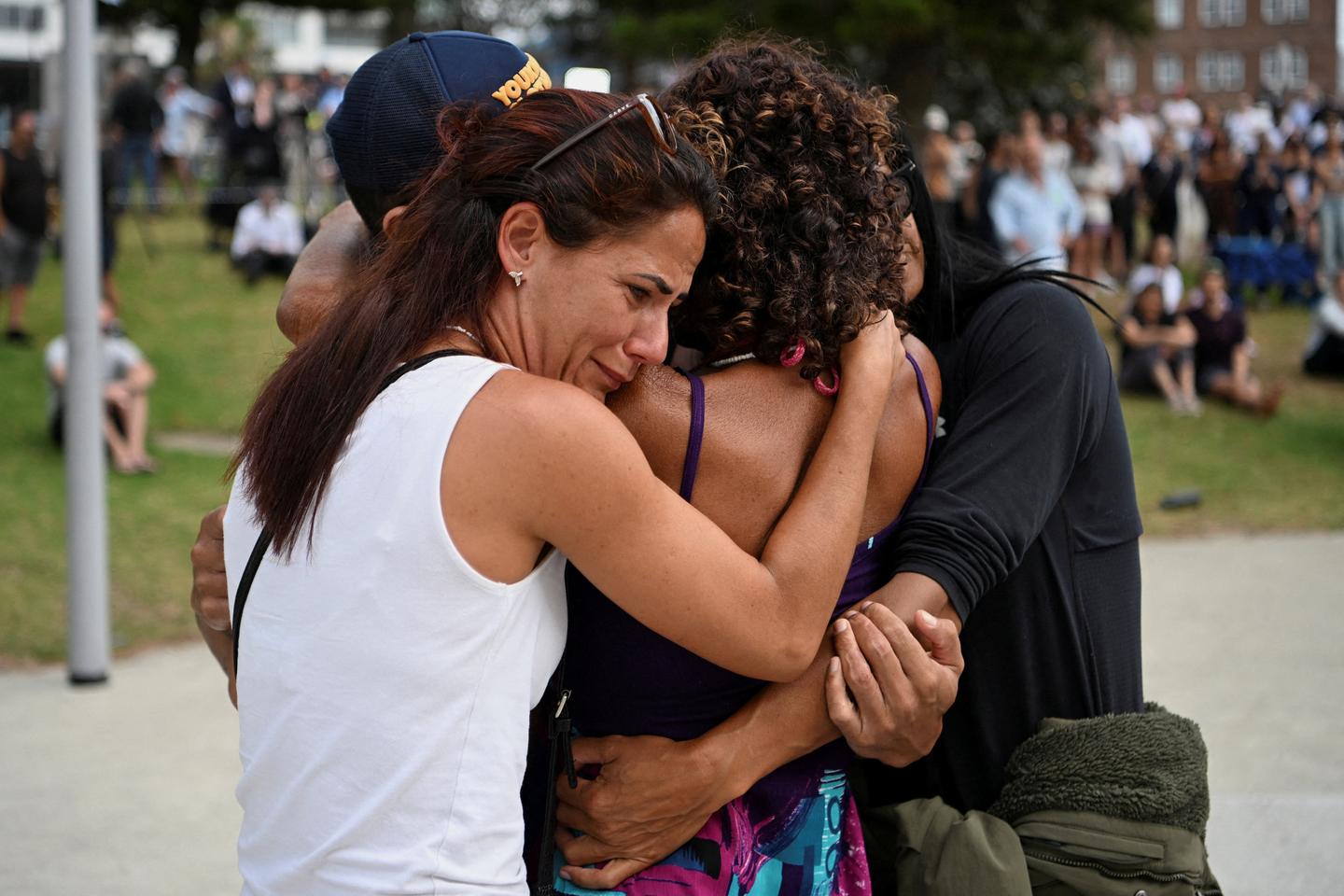
Australian Prime Minister Anthony Albanese quickly described the massacre as an "evil, antisemitic and terrorist act," and stressed that "an attack on Australian Jews is an attack on all Australians." The antisemitic nature of this massacre, the worst ever recorded in Australia, was beyond doubt and could only cause consternation in a country that had served, in the 20th century, as a haven for many Jewish people fleeing the rise of Nazism and antisemitism in Europe and, later, for survivors of the Holocaust. The Sydney massacre has once again reignited fear, anxiety and an unbearable feeling of helplessness and vulnerability.
Subscribers only