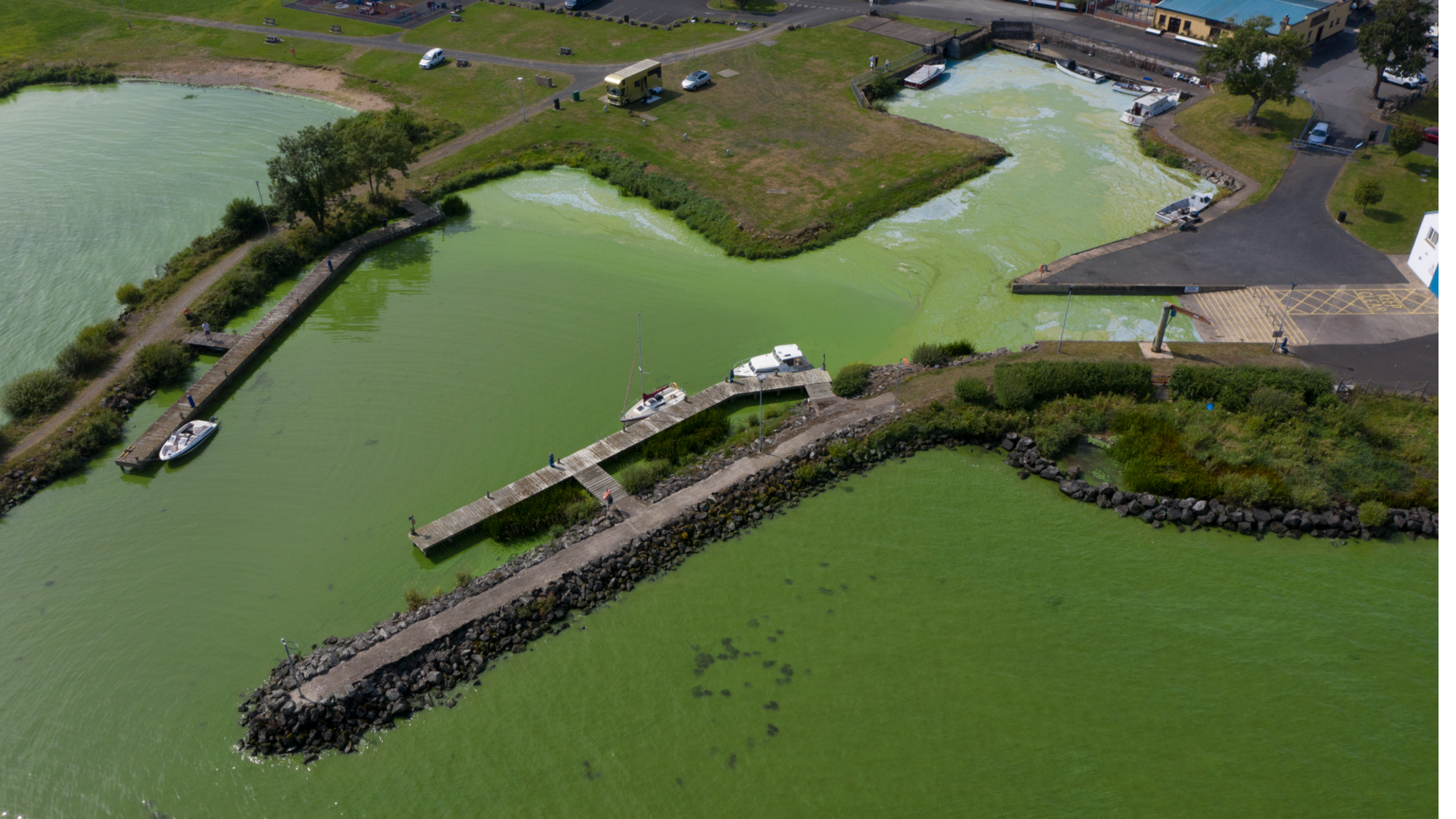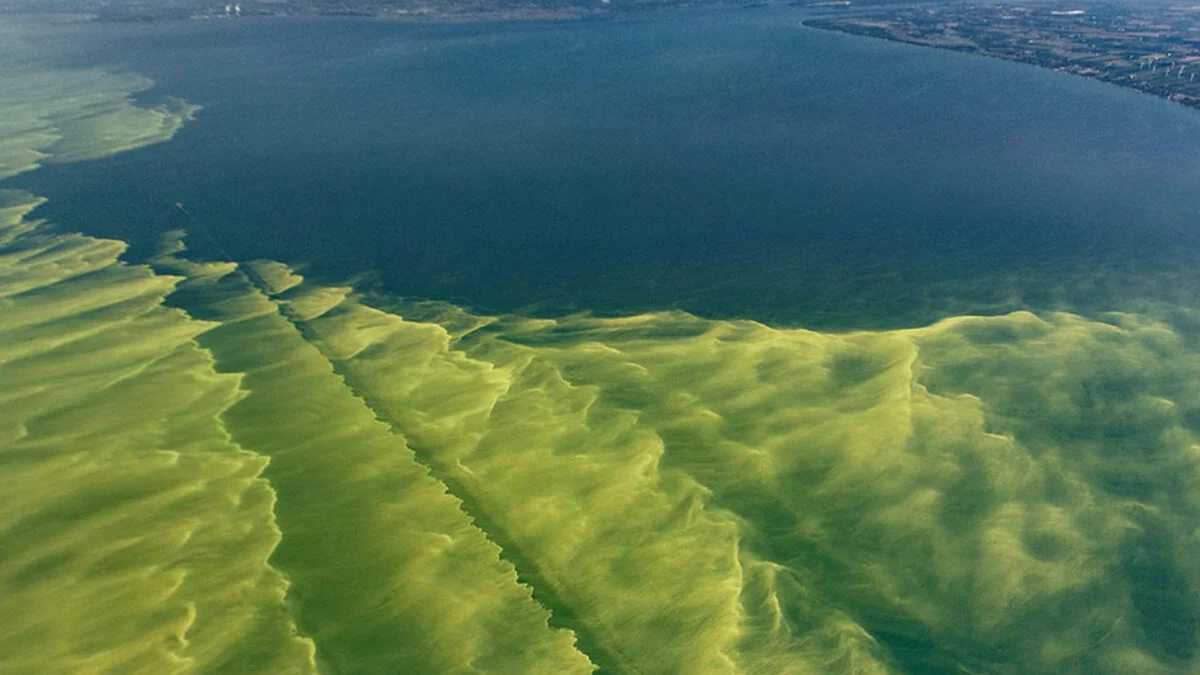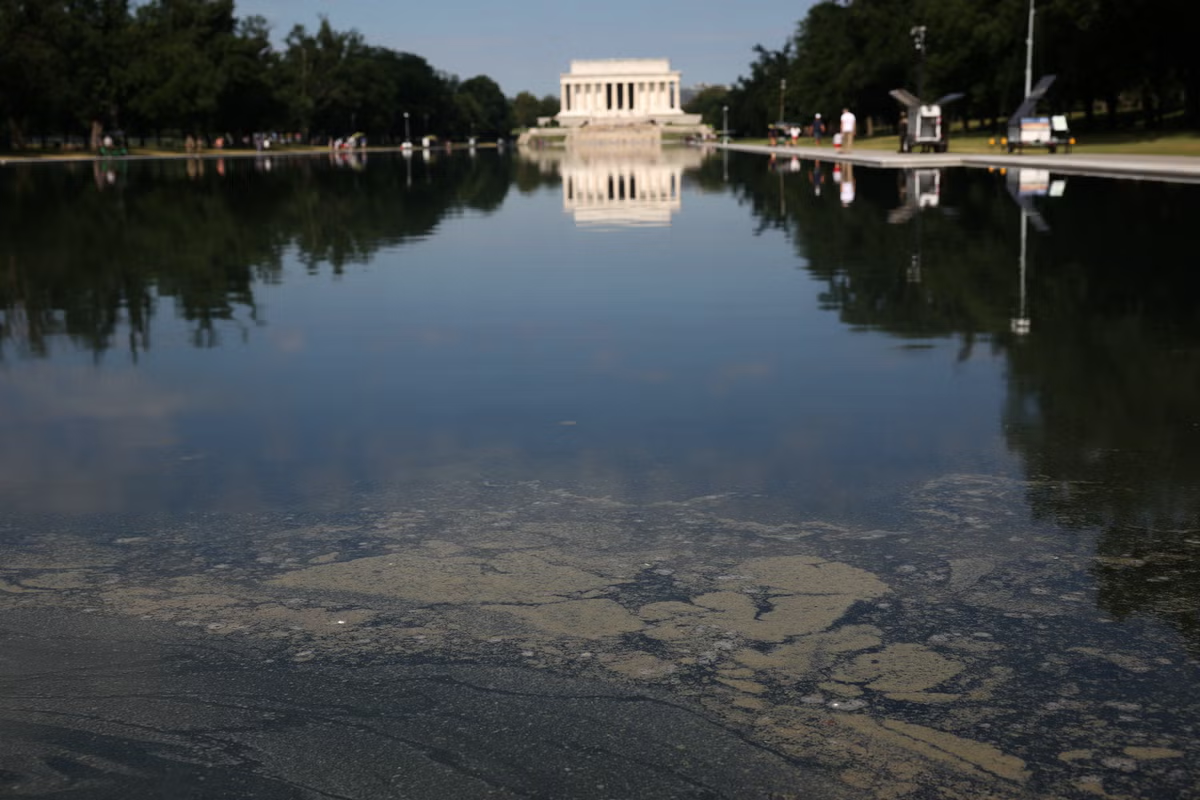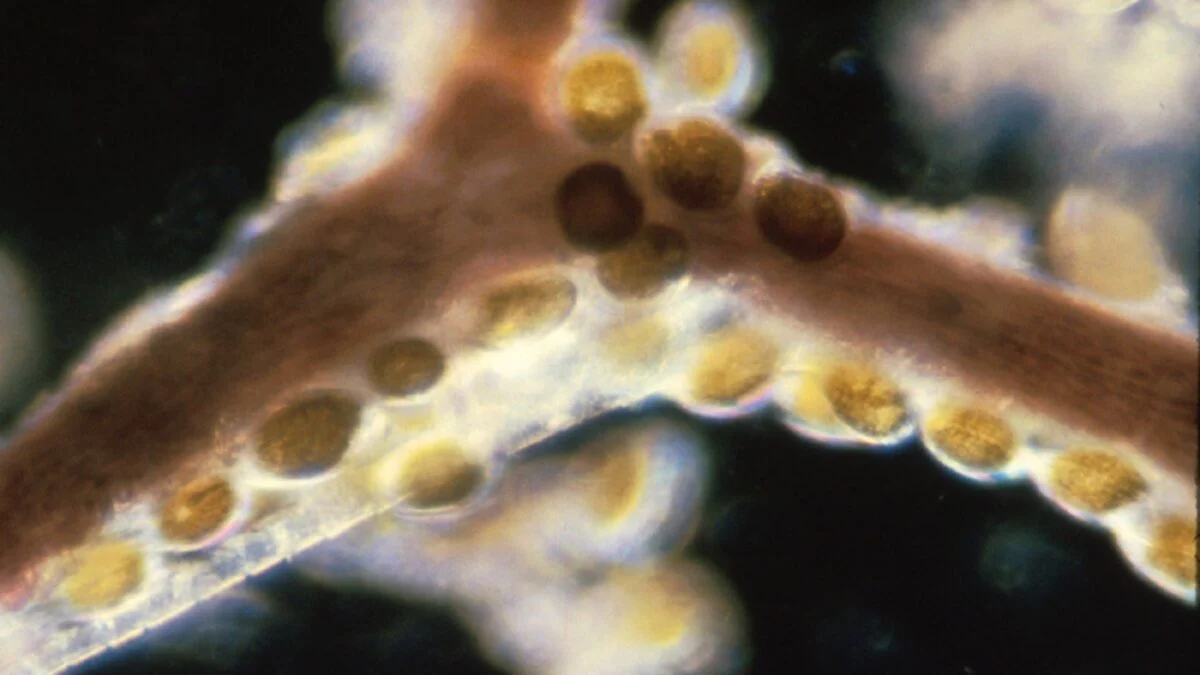
The Lincoln Memorial Reflecting Pool in Washington, D.C. isn’t the only thing facing an algae problem. A recent report from the Centers for Disease Control and Prevention shows that foodborne toxins produced by marine algae and other sea life are routinely sickening Americans. CDC scientists looked at surveillance data from foodborne outbreaks in the U.S. dating back over a decade. Since 2011, there have been hundreds of outbreaks tied to marine toxins, often from fish or shellfish filled with algae toxins, they found. Worse still, the risk of these outbreaks could rise over time due to expanding and more frequent harmful algal blooms, the researchers warn. “Geographic expansion, increasing frequency, and increasing intensity of harmful algal blooms in U.S. coastal waters might increase the presence of ciguatoxin and shellfish-associated toxins in aquatic animals,” they wrote in their paper, published last week in the CDC’s Morbidity and Mortality Weekly Report.
Marine toxins Marine toxins are the leading cause of noninfectious foodborne outbreaks. But according to the CDC authors, this is the first report to summarize the toll of these outbreaks on a national level. These toxins usually come in two flavors. Certain marine algae can produce neurotoxins; the most common ones linked to human illness are called ciguatoxins. Small fish will eat the algae, which are then eaten by other fish and so on. Though ciguatoxins aren’t harmful to the fish themselves, they can accumulate in marine predators as the food chain goes up higher, and large fish like bass or snapper can contain enough ciguatoxin to sicken or even kill people who eat them. Shellfish that filter feed on algae can also accumulate dangerous levels of biotoxins, particularly when there’s an algal bloom going on.