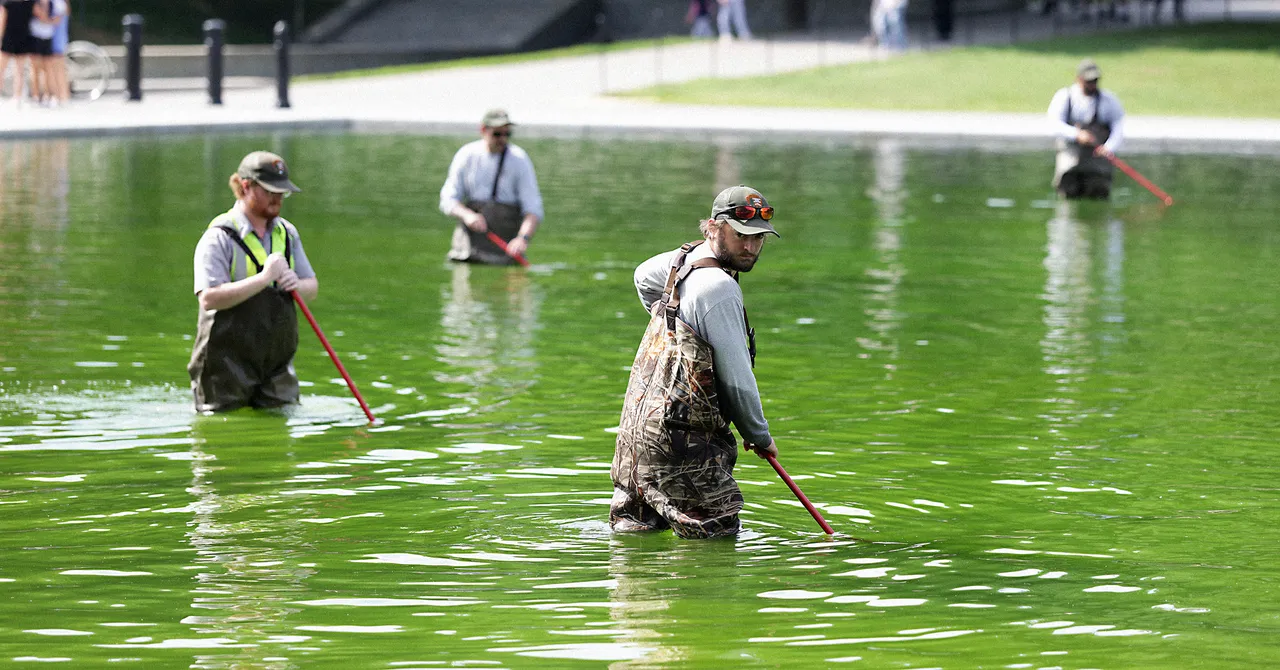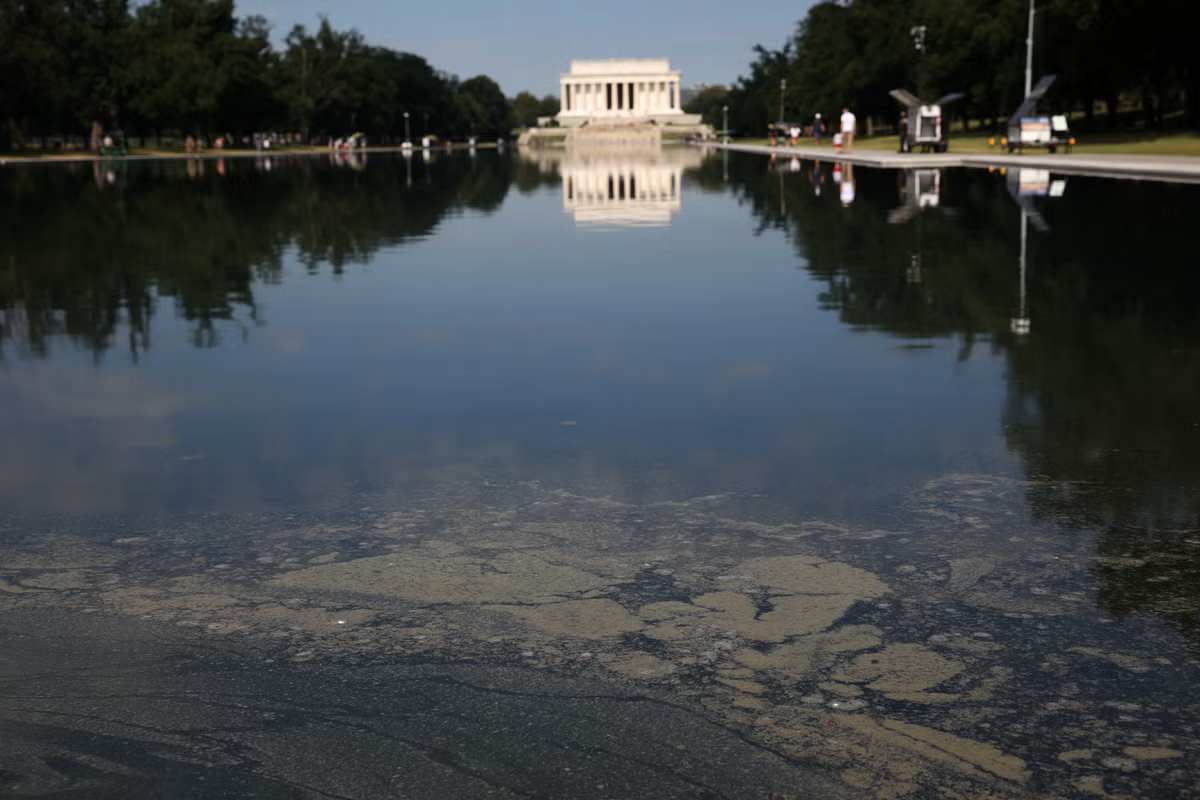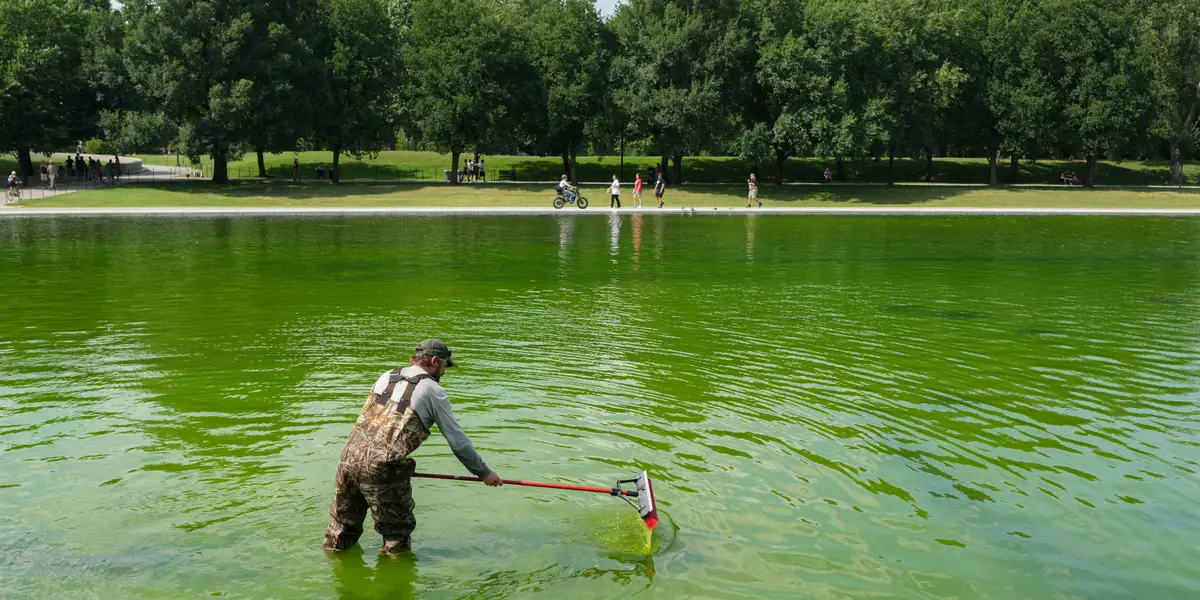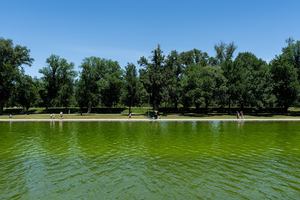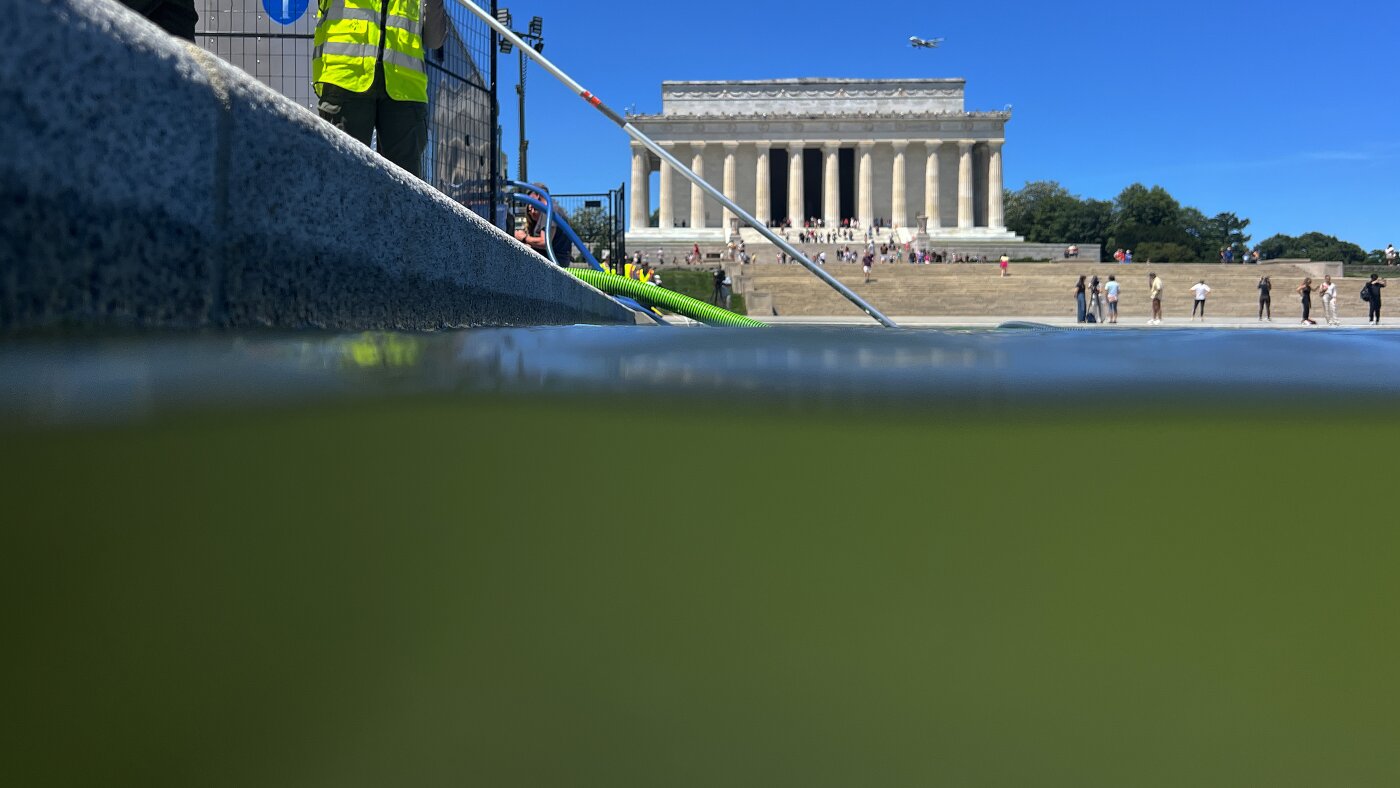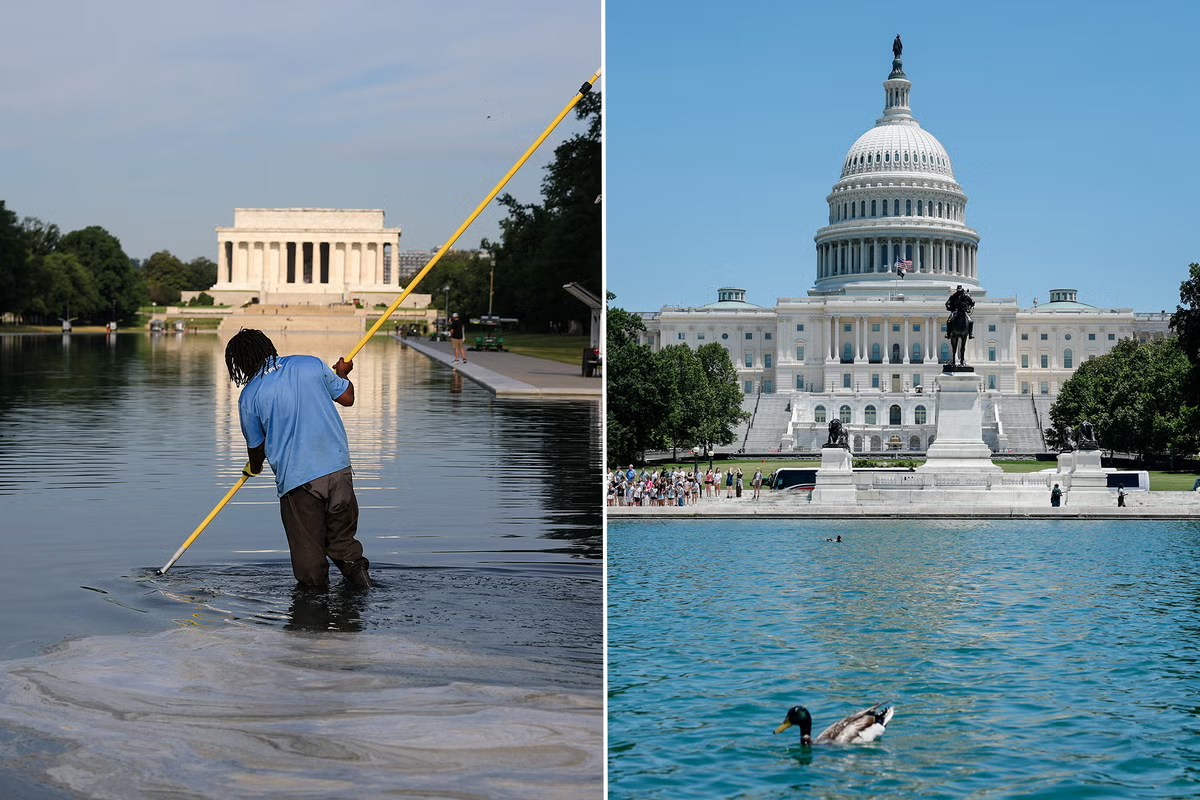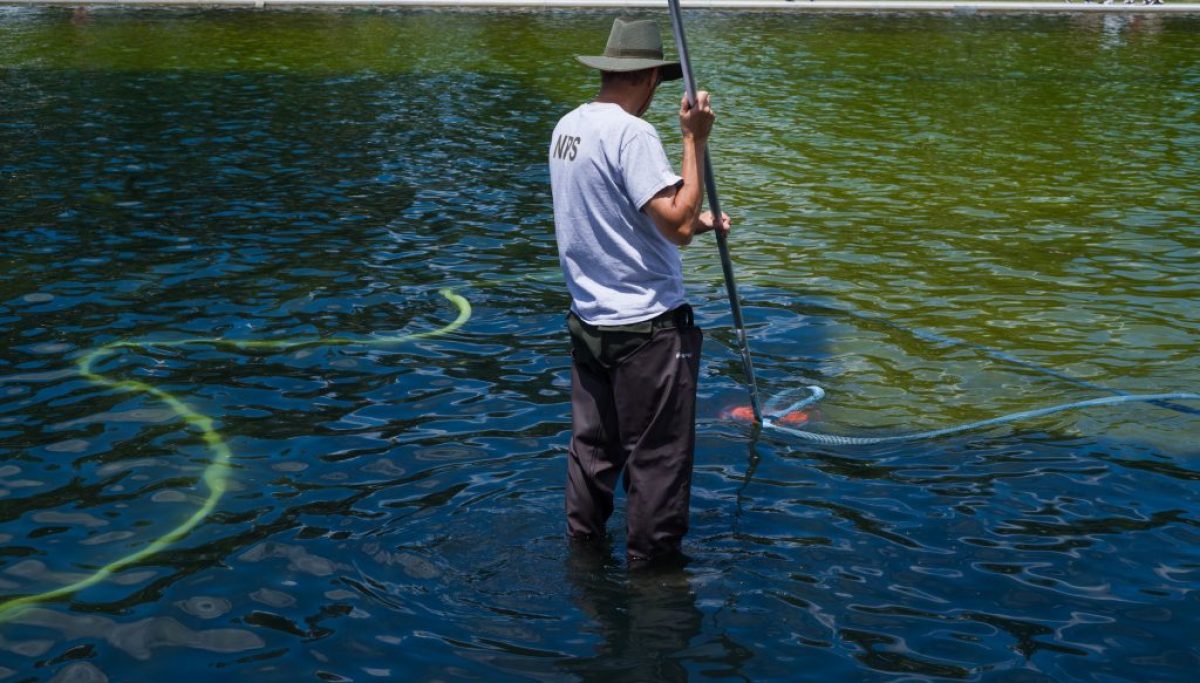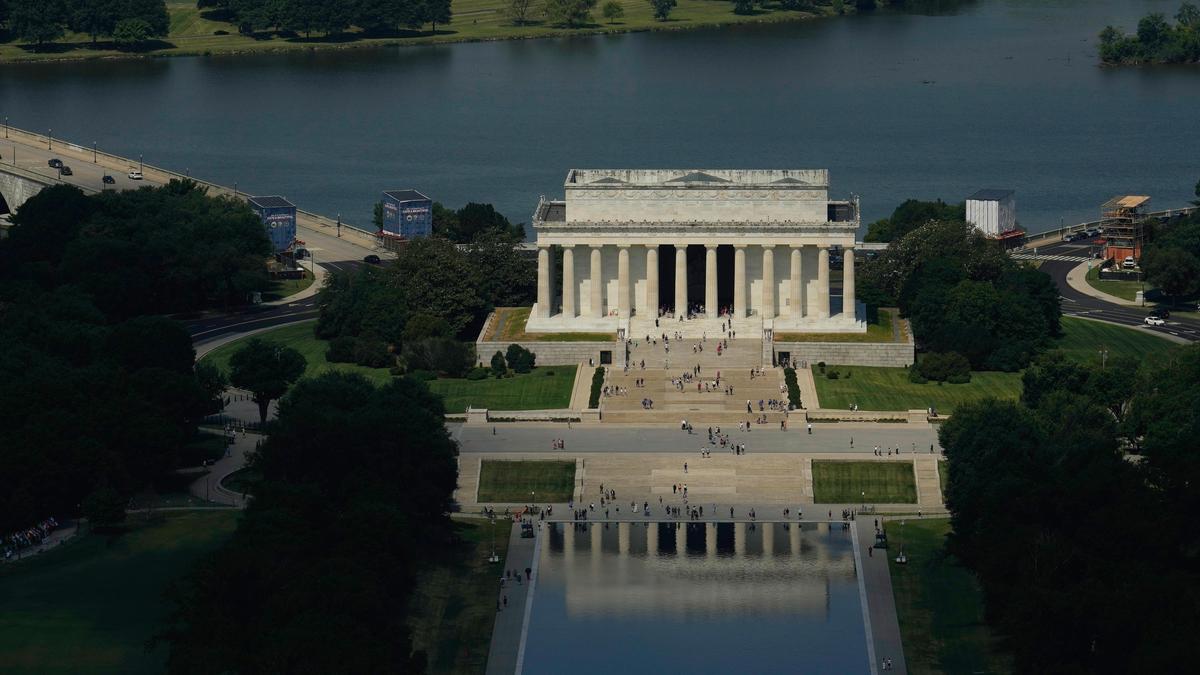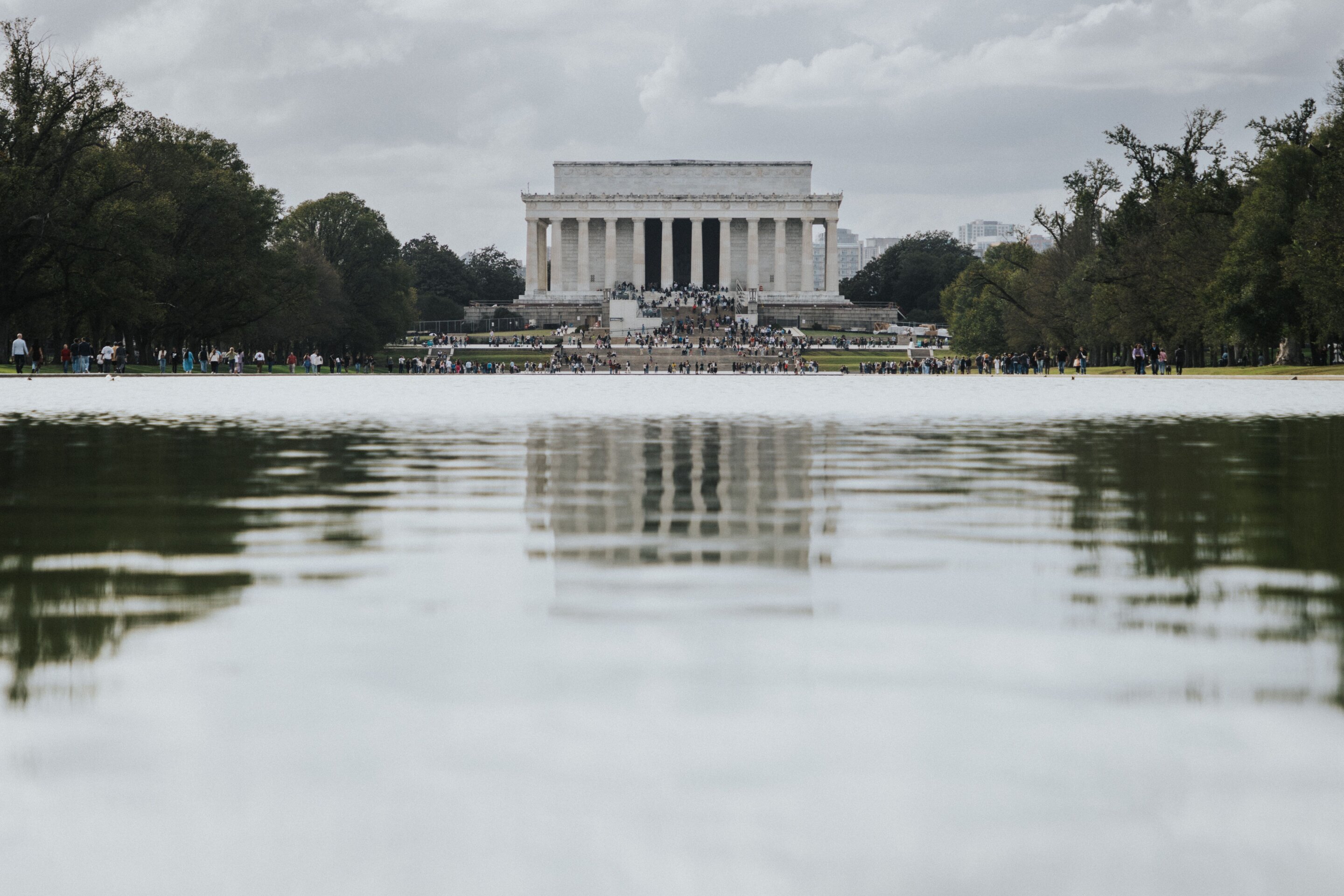
Algal blooms in the Lincoln Memorial Reflecting Pool in Washington, D.C., have long been a visible public nuisance. When the pool turned green again on June 15, less than two weeks after President Donald Trump's US$14 million renovation, it sparked outrage, a rush to use chemical treatments and even claims of sabotage by "radical left lunatics."
To limnologists like us—scientists who study inland bodies of water such as lakes, rivers and reservoirs—this algal bloom isn't especially surprising.
The Reflecting Pool is a reminder of a lesson we have learned repeatedly from lakes around the world: algal blooms are usually symptoms of environmental conditions, not the underlying problem itself.
When algae proliferate, public attention naturally focuses on the bright green, smelly water covering the surface. But the real story lies beneath. Blooms develop when nutrients, warm temperatures, abundant sunlight and calm water combine to create ideal growing conditions.
This helps explain why blooms are becoming more common in freshwater ecosystems and why they can be so difficult to eliminate.