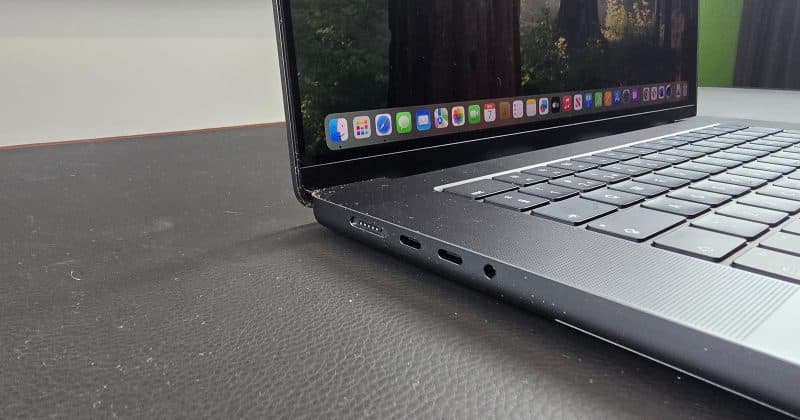
You’re likely still smarting from Apple’s Thursday price hikes. While I don’t mean to pour salt in the wound, a $2,000 MacBook Pro is indeed the new normal. Many laptop makers are now alluding to the same thing: you should stop expecting laptops to ever cost what they did in the pre-2025 era.
Most tech companies are not willing to say it to your face, but spiking RAM prices are resetting pricing expectations for even moderately powerful laptops. German-language tech blog ComputerBase (read via machine translation) reports that Lenovo doesn’t see the situation getting better even four years from now. The world’s largest laptop maker by market cap reportedly warned audiences at the ISC 2026 tech conference that prices for DRAM and NAND won’t get better for years to come. What’s worse, the “new normal” for 2030 and onwards will still be more expensive than before October 2025. The reason for Lenovo’s warning may be due to the steep pricing of the big three memory makers. The three major semiconductor companies that control the world’s memory supply—Micron, Samsung, and SK Hynix—have rejiggered their businesses to fulfill contracts for the specialized high-bandwidth memory needed for AI data centers at the expense of consumer-level DRAM. The demand for memory is so high that these companies are finding new ways to ensure prices will balloon for years to come. On Thursday, Micron announced it had discovered yet another way to keep companies paying high prices for up to five years at a time. Company CEO and chairman Sanjay Mehrotra described these “strategic customer agreements,” or SCAs, as “take-or-pay agreements, with binding commitments to purchase specific volumes over this multi-year term.” The company claims it has signed 16 of these agreements across data center, consumer, and auto segments with “four very large customers and three medium-sized customers.”