European Union energy ministers have secured a greater role in planning Europe’s future electricity system after launching an intense political campaign against the European Commission's proposal seeking more control over the bloc's power grid.
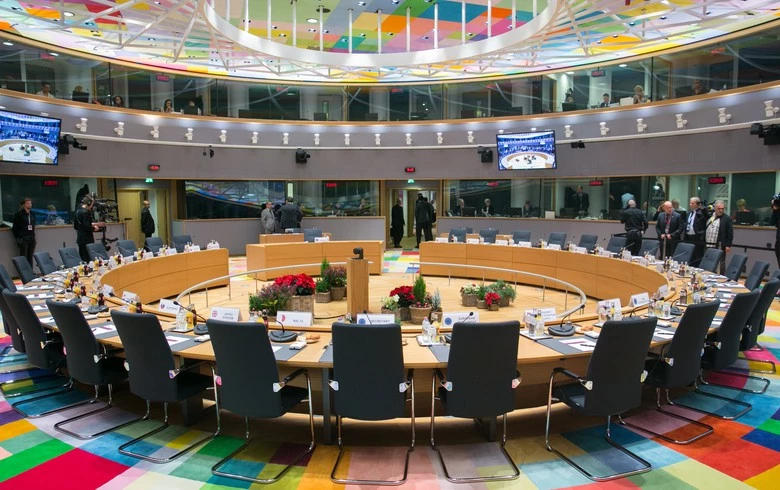
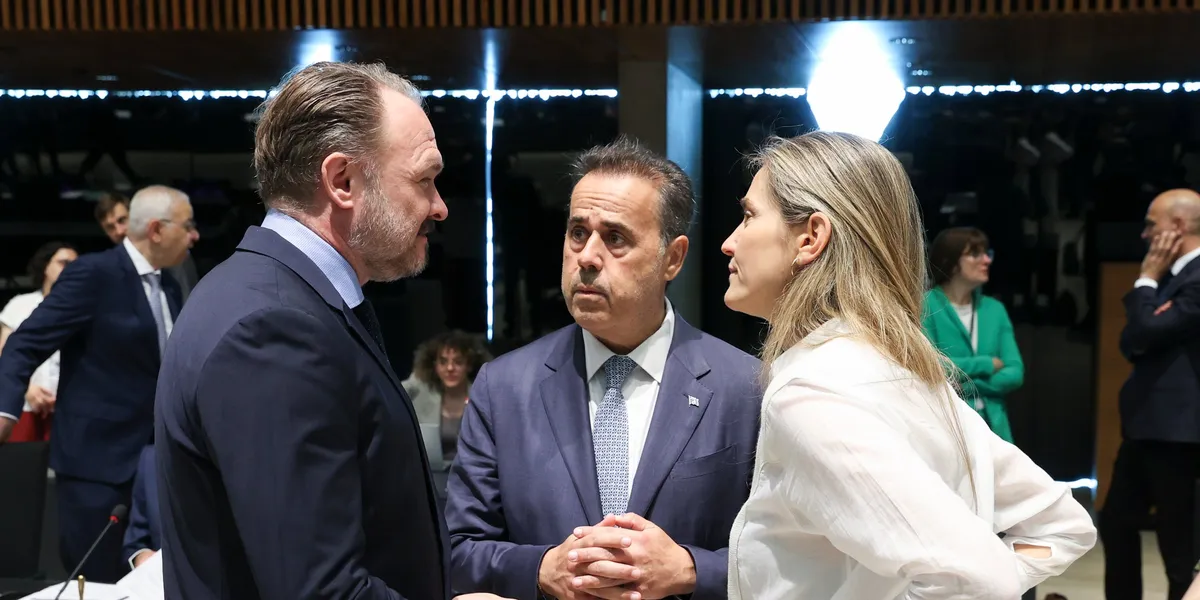
Two politically sensitive issues in the bloc's plan to revamp the electric grid were discussed by energy ministers in Luxembourg on 26 June: a new centralised planning scenario for future grid investments and a sweeping effort to accelerate permitting procedures for clean power projects, which typically take 5 to 10 years to be approved.
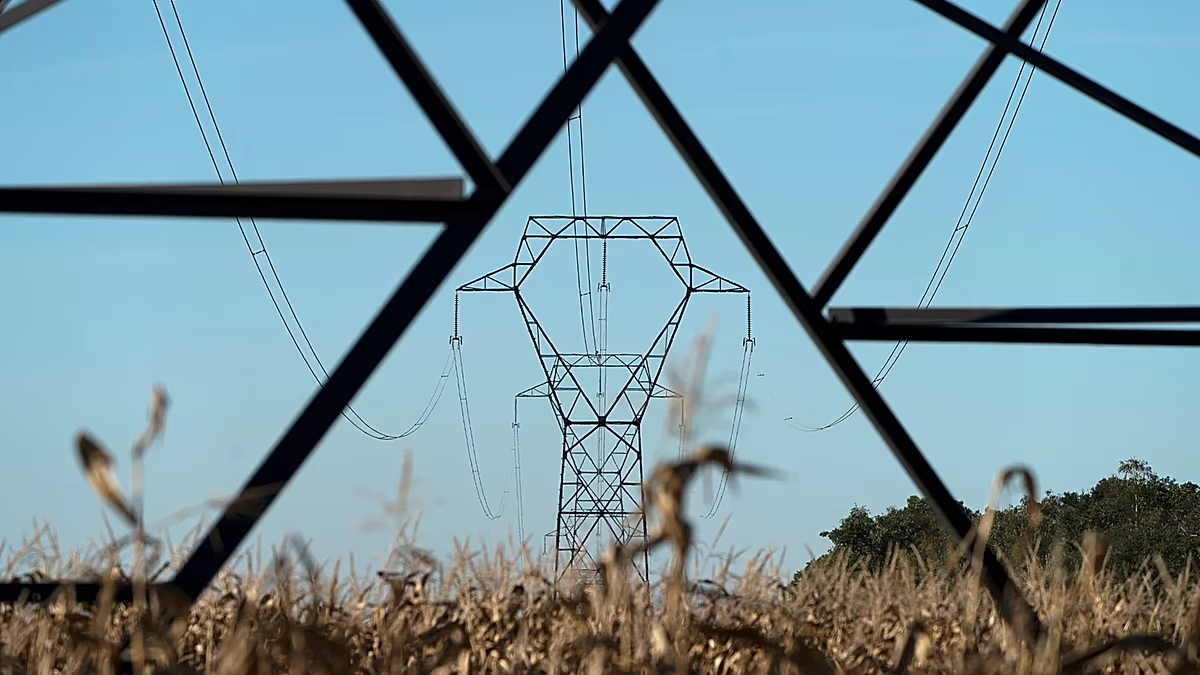
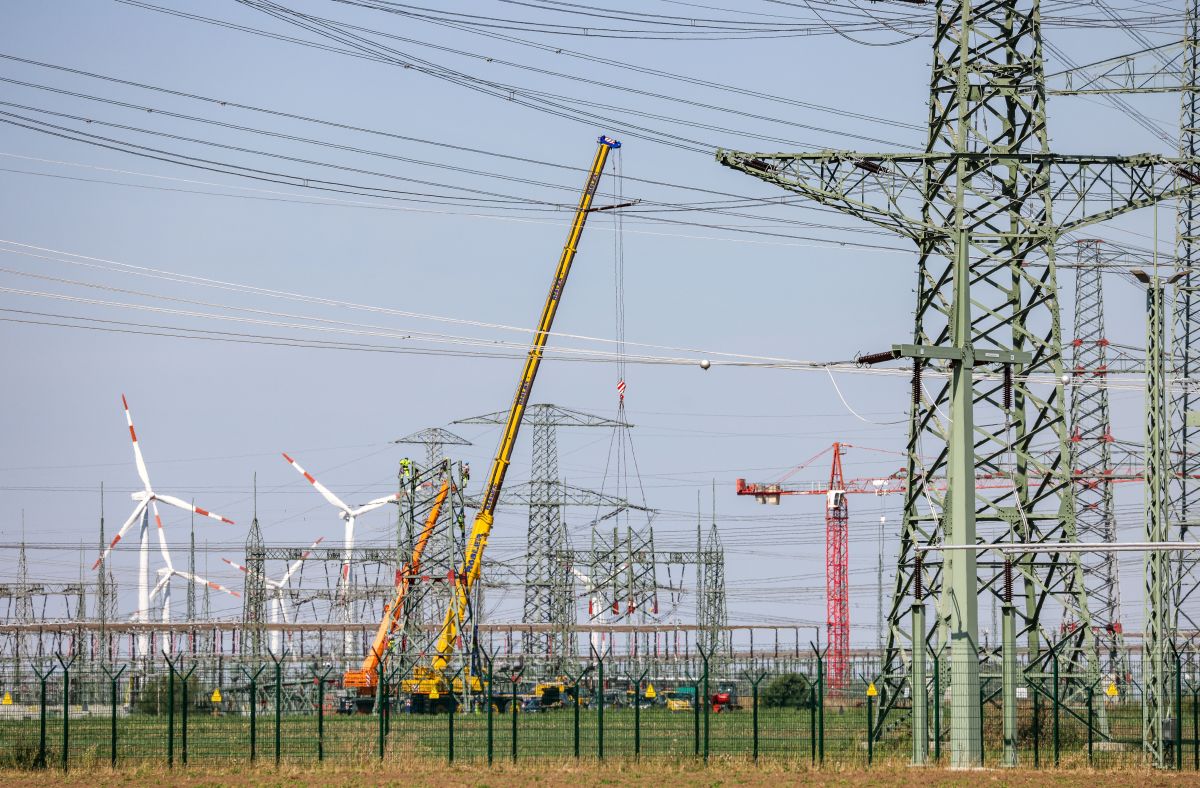
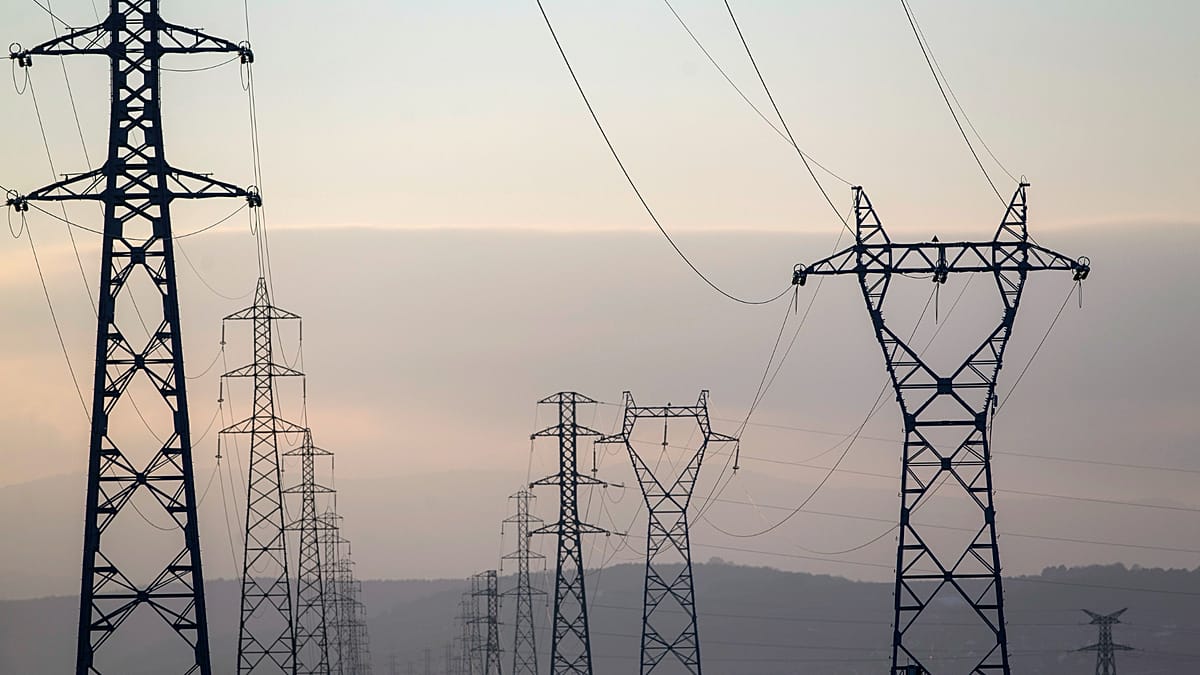
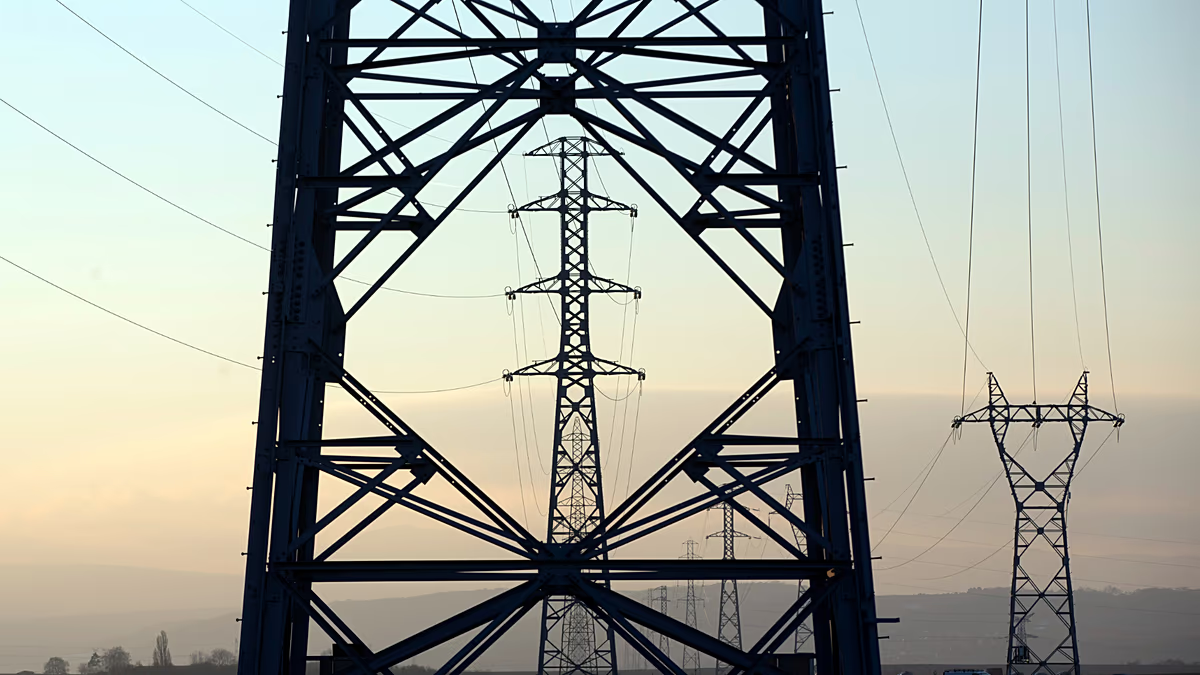
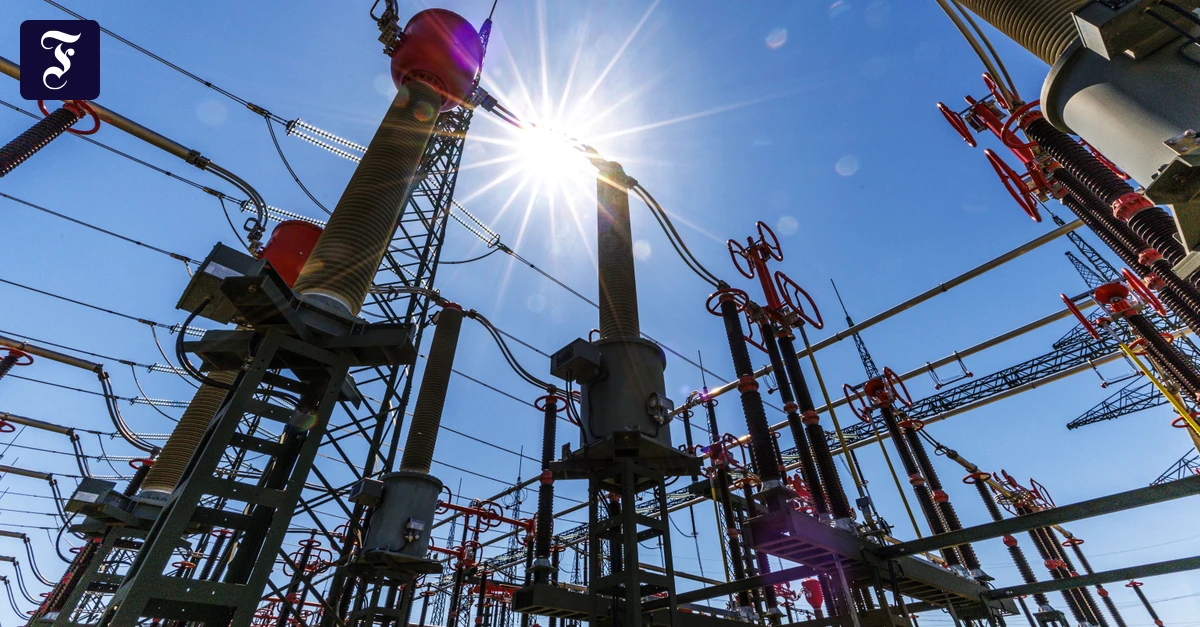
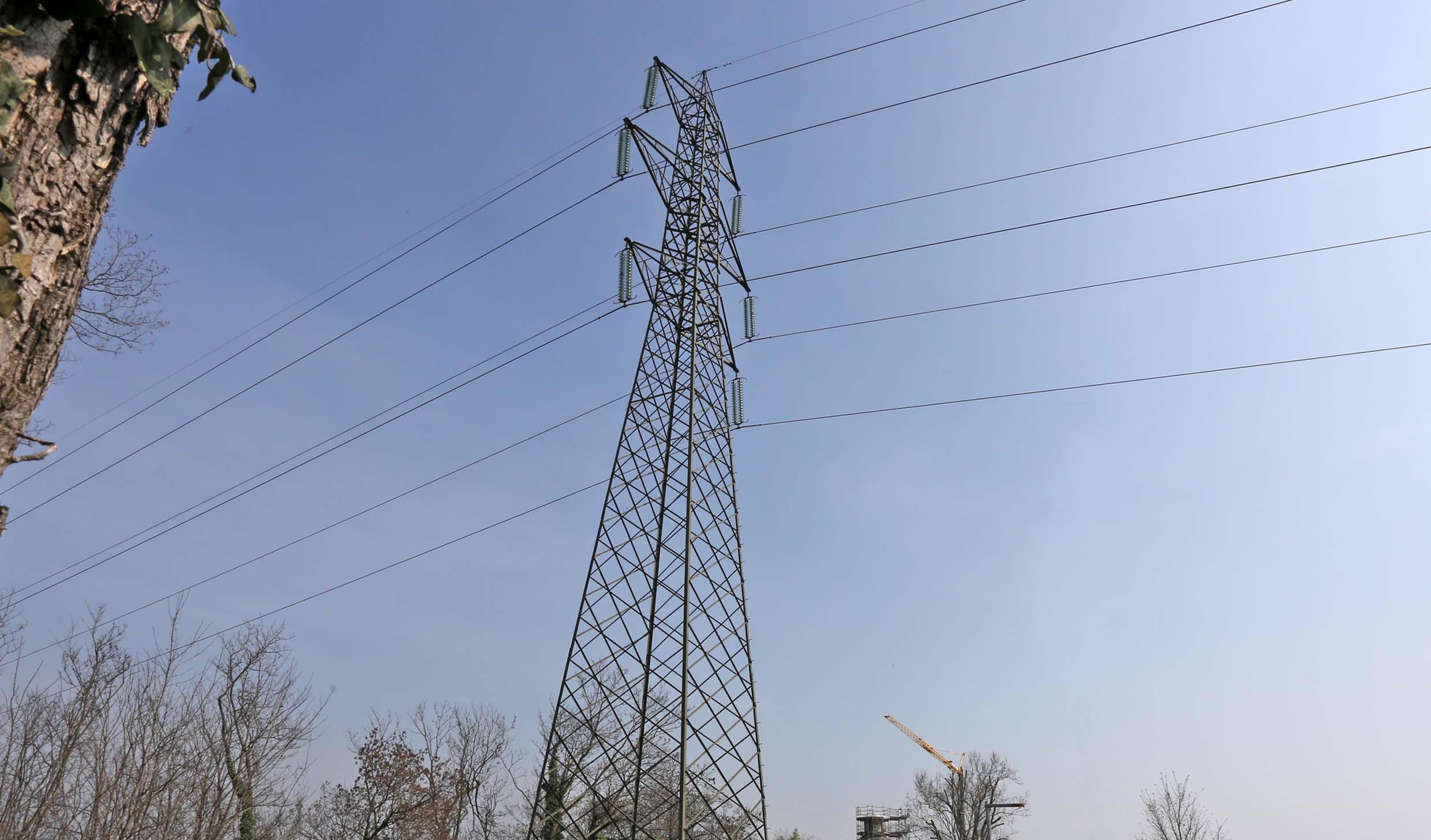
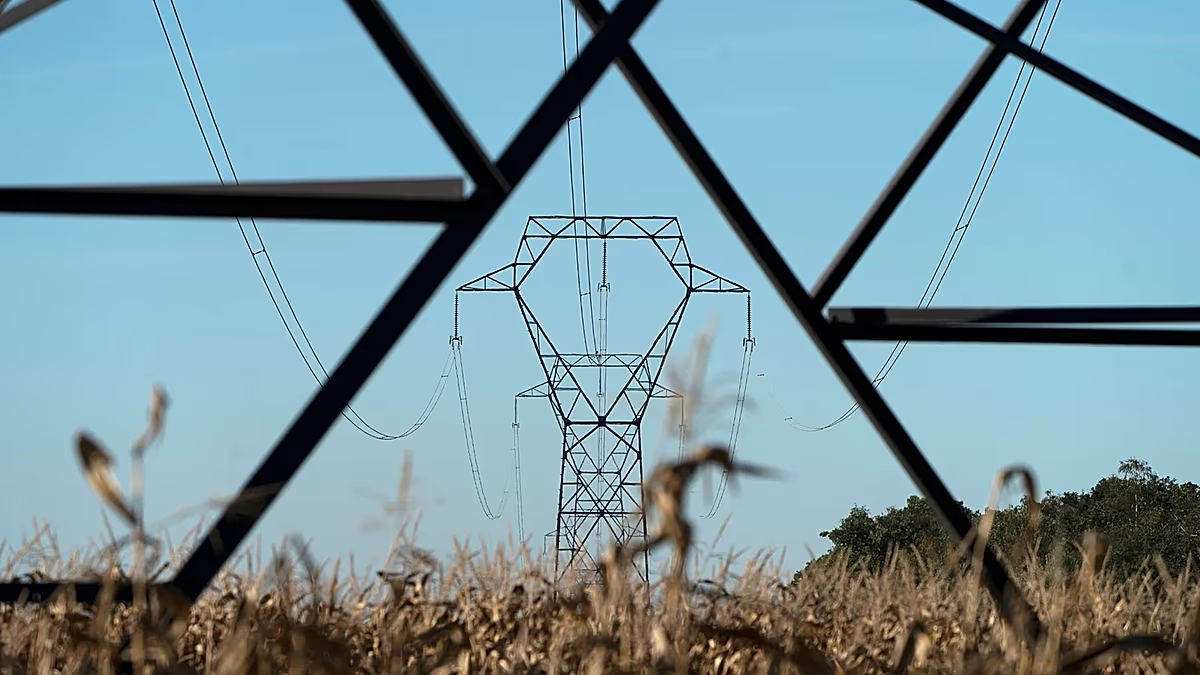
While Europe excels at producing clean power, it struggles to transport it due to ageing infrastructure. Wind farms in the North Sea, solar parks in southern Europe, hydrogen production and electrified industries all require transmission networks that are larger, smarter and much more interconnected than today's fragmented system.
For years, European energy policy concentrated on expanding renewable generation. The bottleneck has now shifted to the network infrastructure itself. Many analysts argue Europe already has enough renewable investment planned to meet much of its future demand, but lacks sufficient transmission capacity to move electricity to where it is needed.