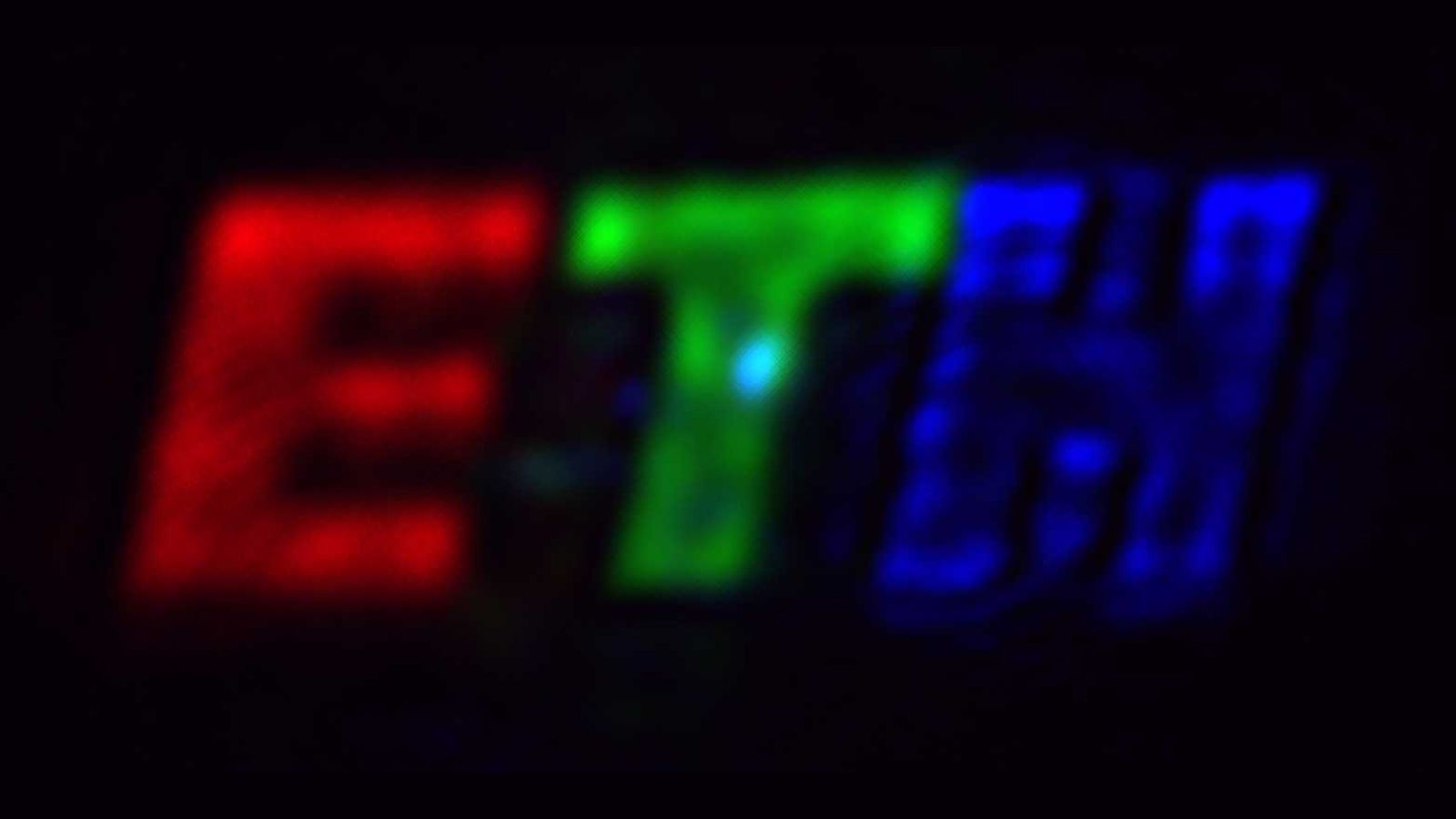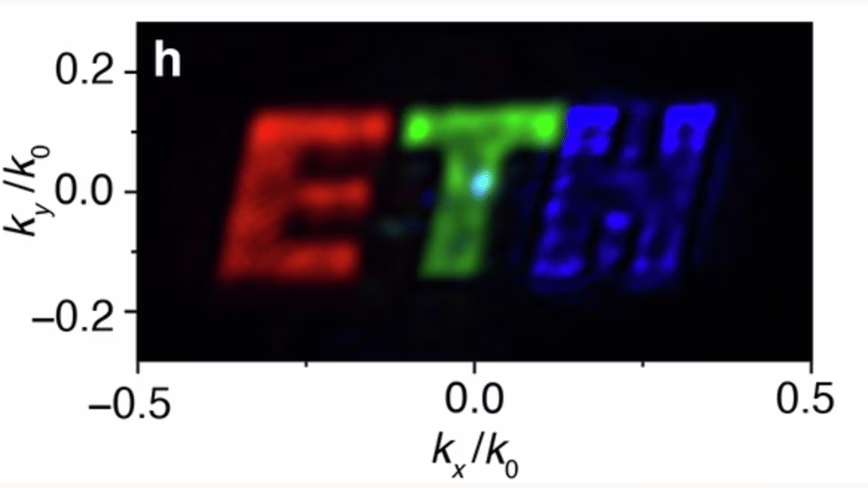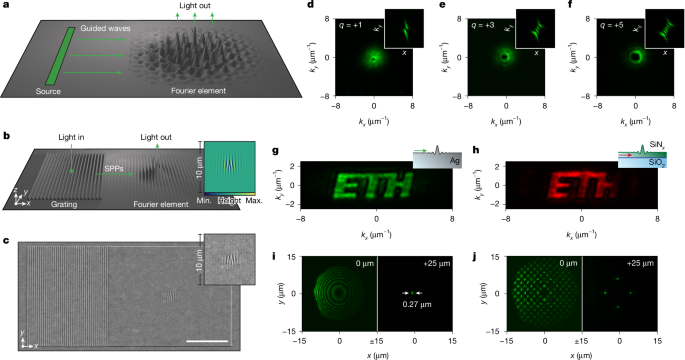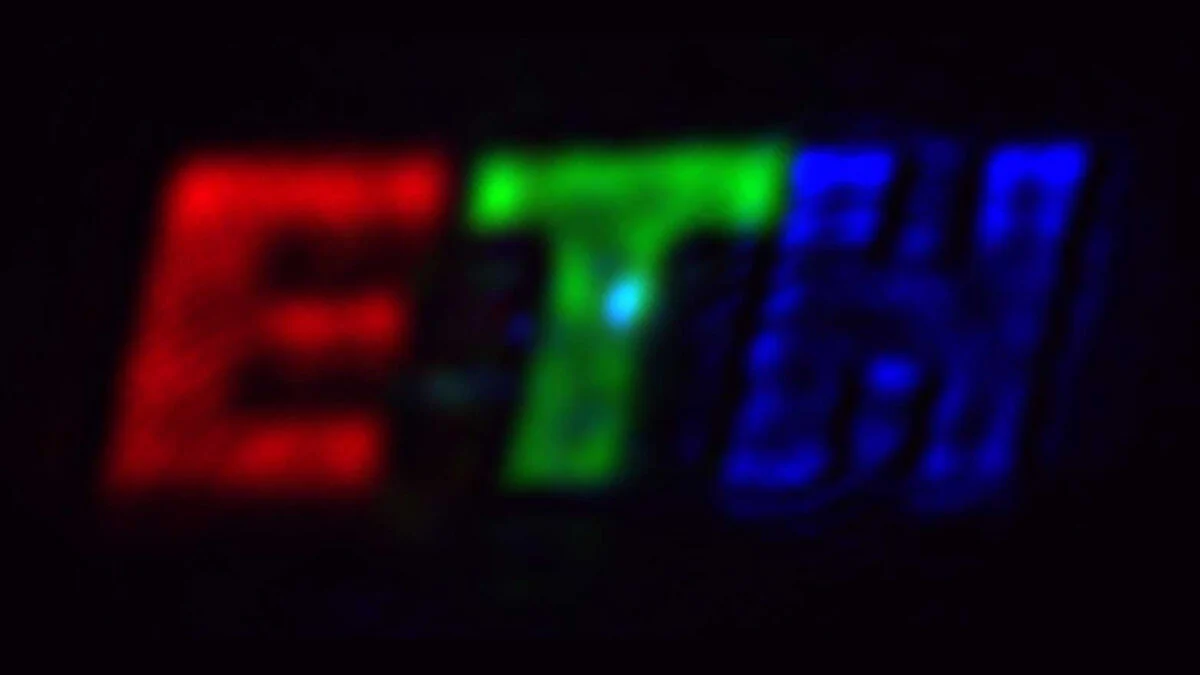
Pixels control and analyze light on displays—they’re part of the reason you’re reading this sentence right now. But it’s typically one or the other. A pixel either controls or analyzes, but not at the same time. Researchers from ETH Zurich in Switzerland, however, managed to create a new type of pixel that can simultaneously do both. This hypercharged pixel, called a Fourier pixel, can generate and sense arbitrary light fields and tap into a pixel’s full potential for carrying information by manipulating light’s intensity, oscillation phases, and polarization. The team reported its findings in a paper published yesterday in Nature. Looking ahead, the team anticipates these pixels could support next-generation technologies such as holographic displays, augmented reality, or devices that can actively correct their output based on what they detect. The technology could also pave the way for camera–display devices that both display images and sense incoming light. “A Fourier pixel expands the functionality of conventional pixels by exploiting surface waves that interact with a precisely designed wavy microstructure,” study co-authors Yannik Glauser and Sander Vonk told Gizmodo. “In this sense, it is not just an intensity pixel but a compact optical element for full-field light control.”
Newly Invented Pixel Could Turn Screens Into Cameras
We're always looking at screens—but what if screens could someday look back at us?
718 words~3 min read