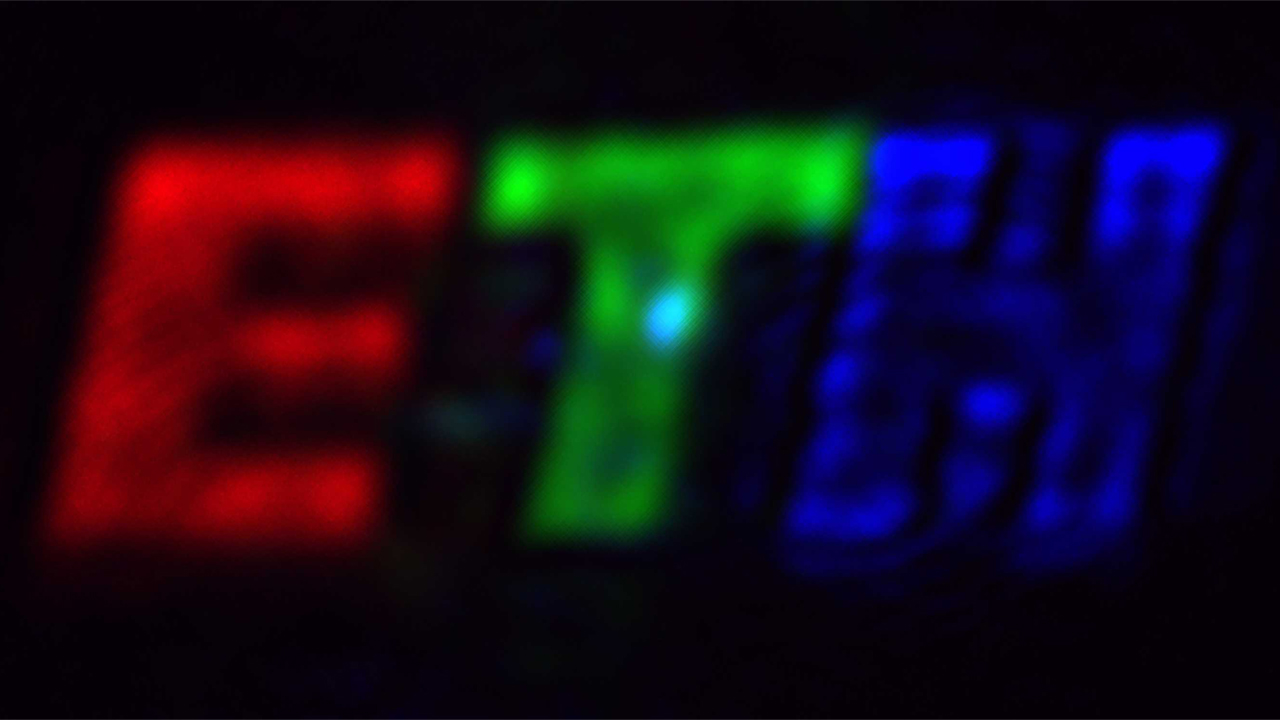
A pixel has always done one job. On a screen it emits light to build a picture. In a camera it absorbs light to record one. A team in Switzerland has now made one that does both.
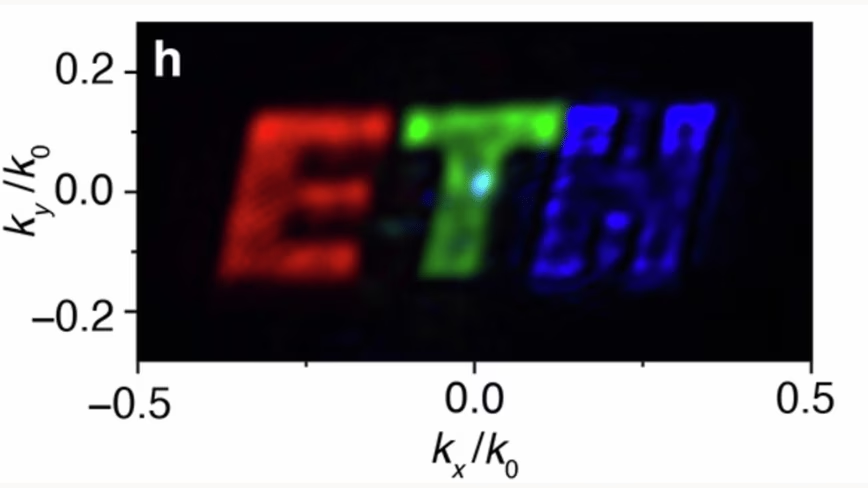
Researchers at ETH Zurich have built the first bidirectional pixel, in work published in Nature. The same tiny patch of chip can create an image and analyse the light falling on it. Not just brightness, but the phase and polarisation of the wave too.
The promise is a camera-display: one surface that shows you a picture and watches you at the same time. Picture a phone screen that is also its own front camera, with no notch and no cut-out. Or a video call where the lens sits behind the eyes you are looking at.
How a pixel learns two jobs
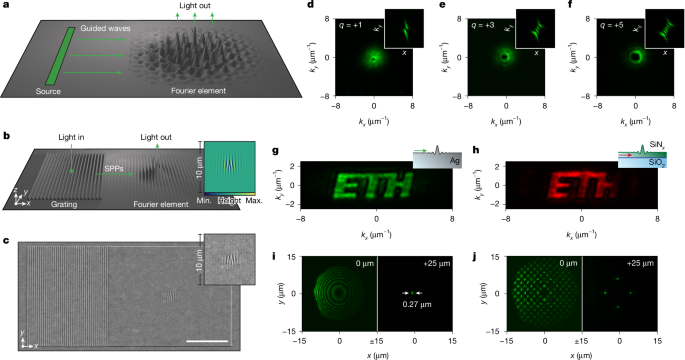
The trick is interference. The team, led by Professor David Norris, sculpts the chip’s surface to within a few nanometres. Incoming light becomes a wave that travels along the surface, then scatters back out as light. Where the waves meet, they add up or cancel, and an image forms. Fourier analysis, the maths the pixel is named after, works out the surface shape needed for a given picture.