The US dollar has been the world’s financial enforcement weapon for decades. If Washington doesn’t want you doing business, it cuts you off from the dollar system, and since nearly everything in global trade runs through dollar-denominated channels, that’s usually game over.
Iran found a workaround. And it runs through Beijing.
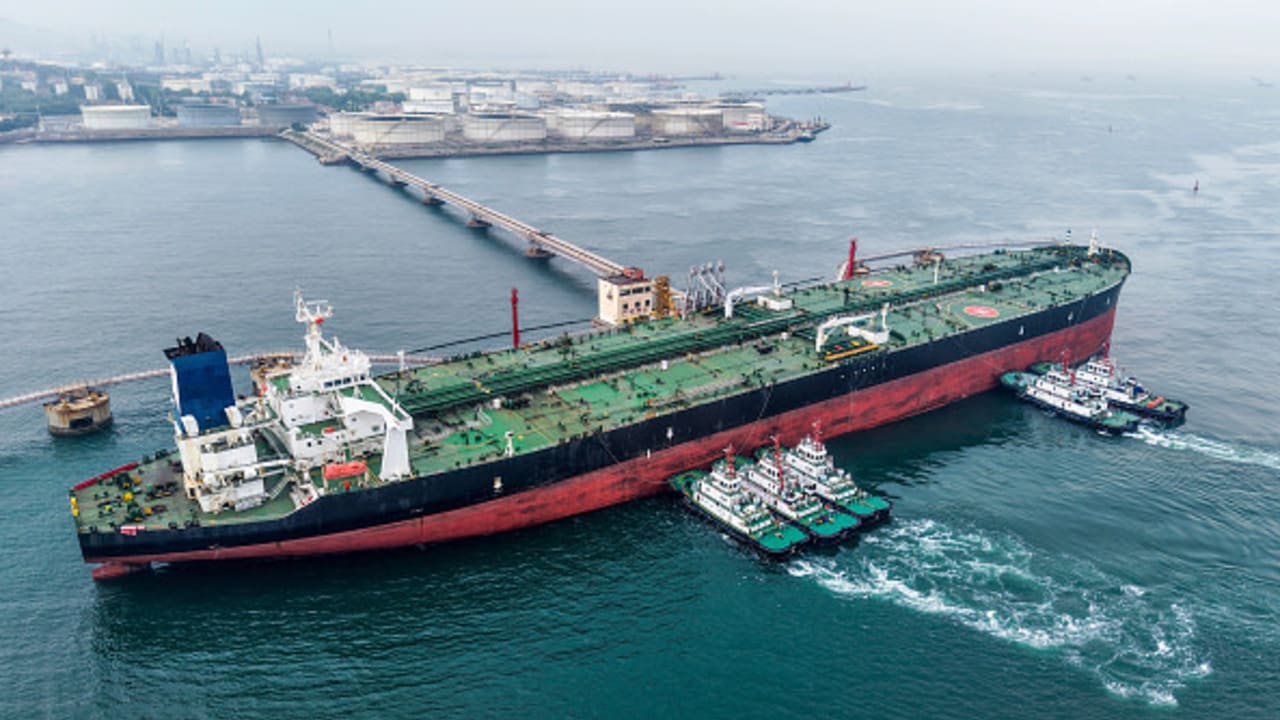
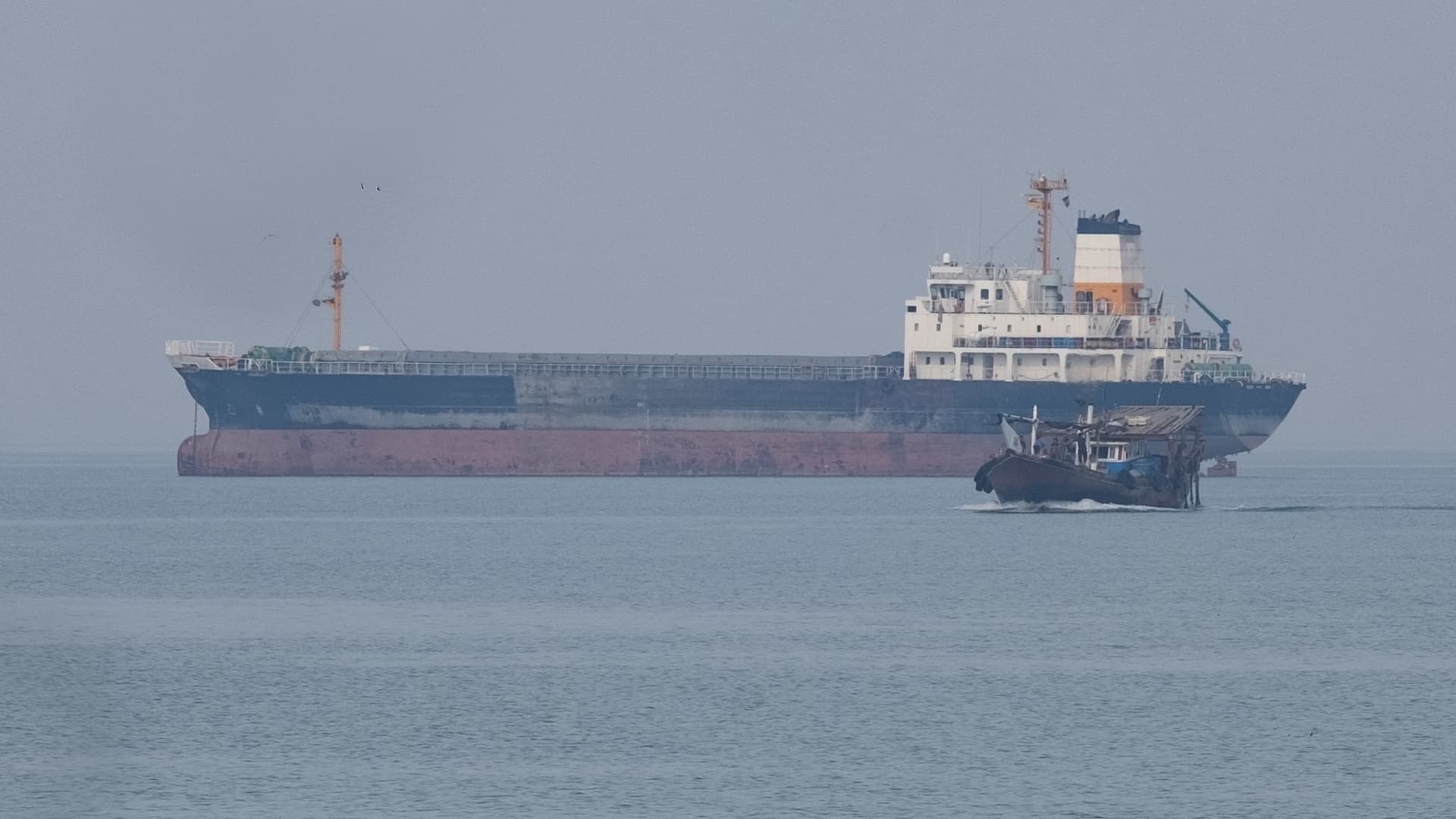
Tehran is increasingly routing its oil revenues through China’s financial system, settling transactions in yuan rather than dollars. The arrangement effectively sidesteps US sanctions infrastructure, which relies on the dominance of the dollar-based banking network to choke off adversaries. China, which accounts for an estimated 80-90% of Iran’s oil exports, has become not just a willing buyer but an active participant in building the financial plumbing that makes sanctions evasion possible at scale.
How the shadow system works
Think of it like a financial relay race. Iran sells oil to Chinese buyers, often smaller independent refineries known as “teapot” refineries. The payment arrives in yuan. Then Iranian shadow banking channels, including currency exchange houses, convert that yuan into other usable currencies that Tehran can actually spend.