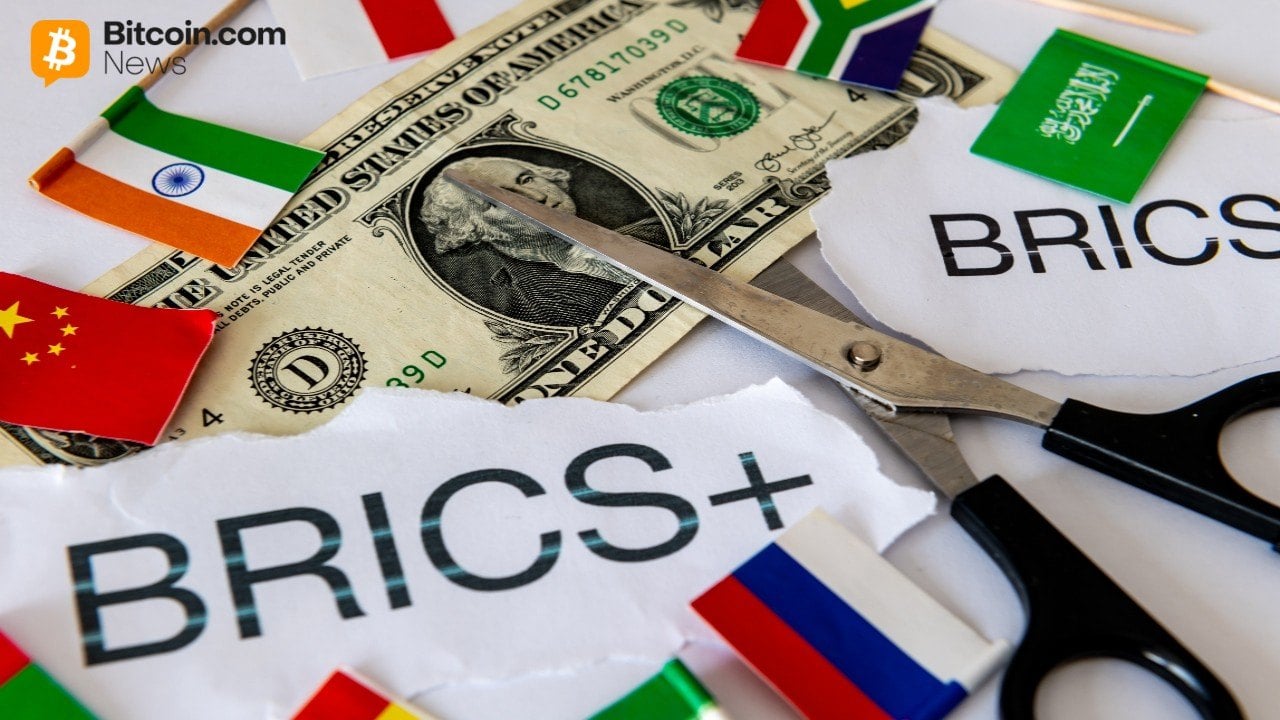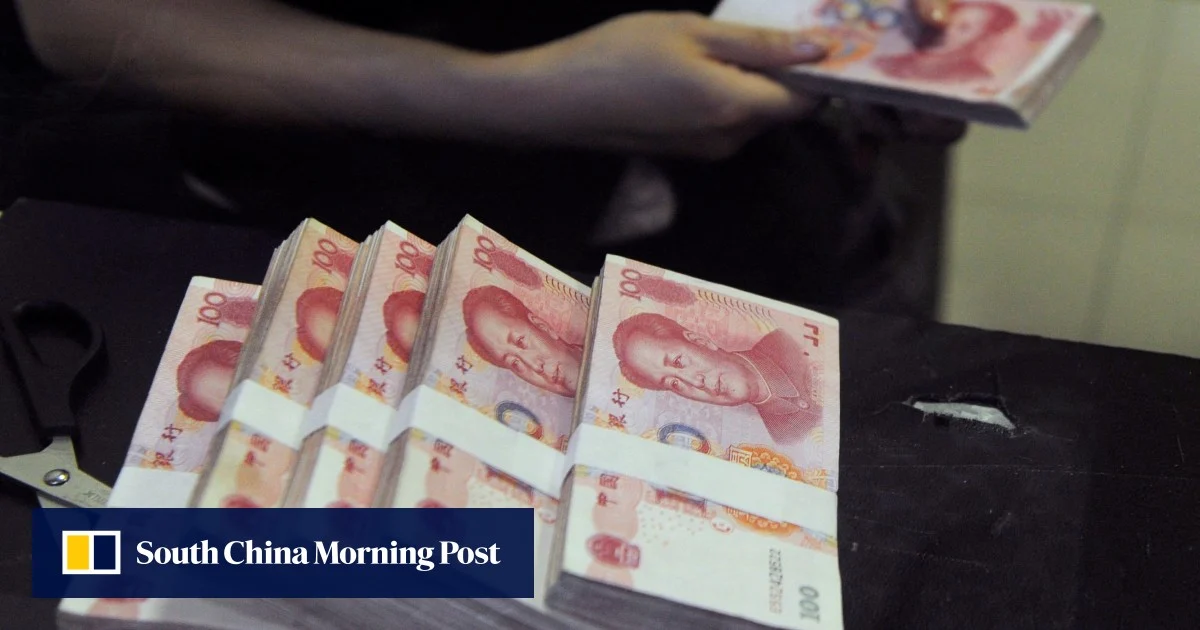
Beijing has expanded its yuan-based trade infrastructure to facilitate commerce with both Iran and Russia, effectively constructing a parallel financial network that routes around Western sanctions. By early 2024, over 90% of bilateral trade between China and Russia was settled in rubles or yuan, a staggering shift from a relationship that was heavily dollar-denominated just a few years earlier.
The numbers behind the network
Total trade between China and Russia hit approximately $245B in 2024. That figure is double what it was in 2020, meaning the commercial relationship didn’t just survive Western sanctions on Moscow. It thrived.
China’s Cross-Border Interbank Payment System, known as CIPS, serves as the backbone. Daily transactions on CIPS have doubled since the start of the Russia-Ukraine war, suggesting the system is absorbing a meaningful share of trade flows that previously ran through dollar channels.
On the Iranian side, China now imports roughly 80-90% of Iran’s total oil exports, and payment increasingly flows in yuan rather than dollars. The transactions are routed through smaller Chinese banks, institutions that have less exposure to the US financial system and therefore less to lose from secondary sanctions.