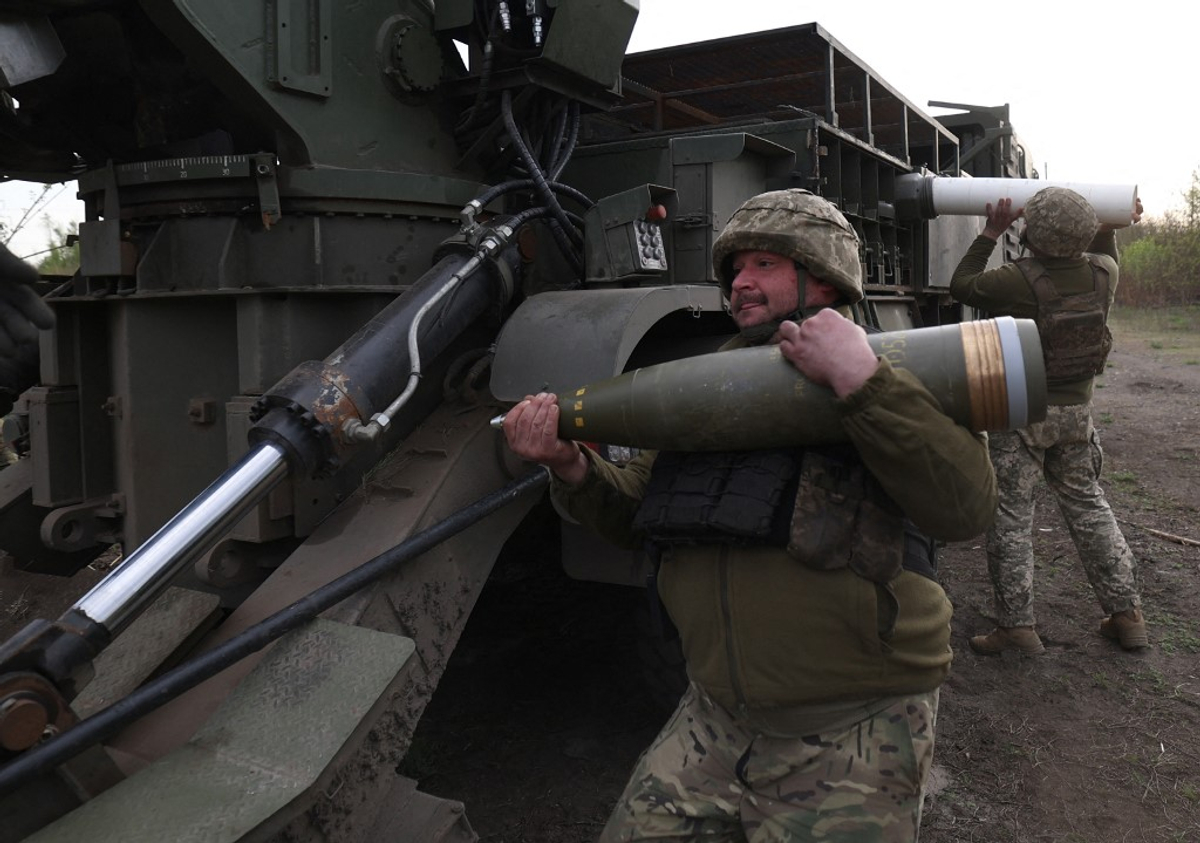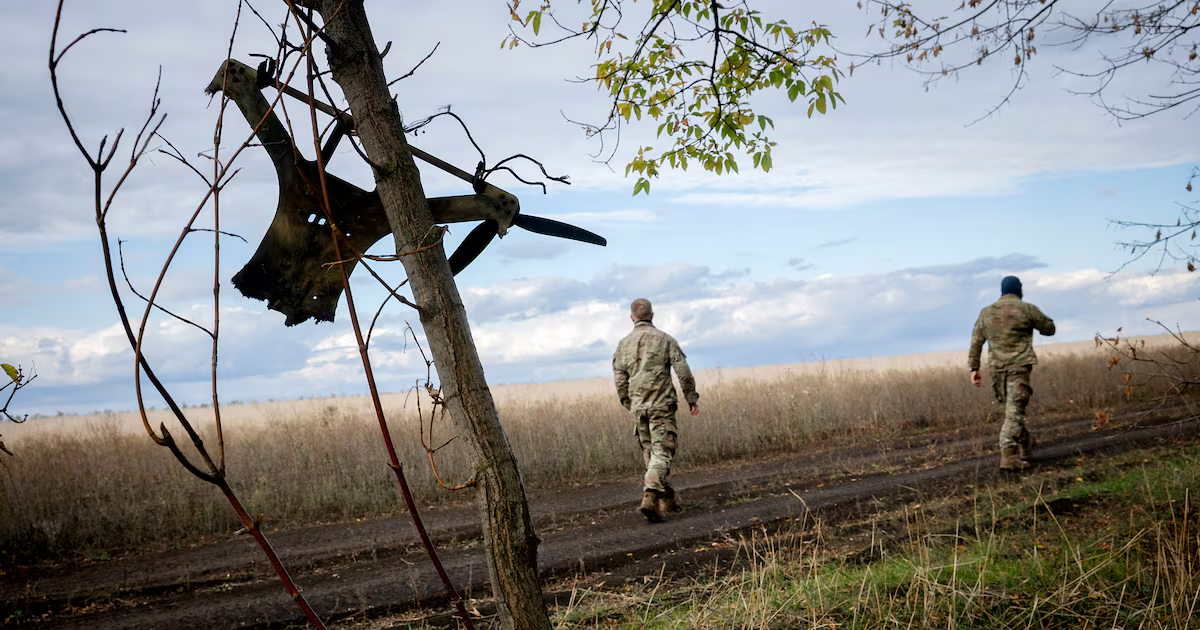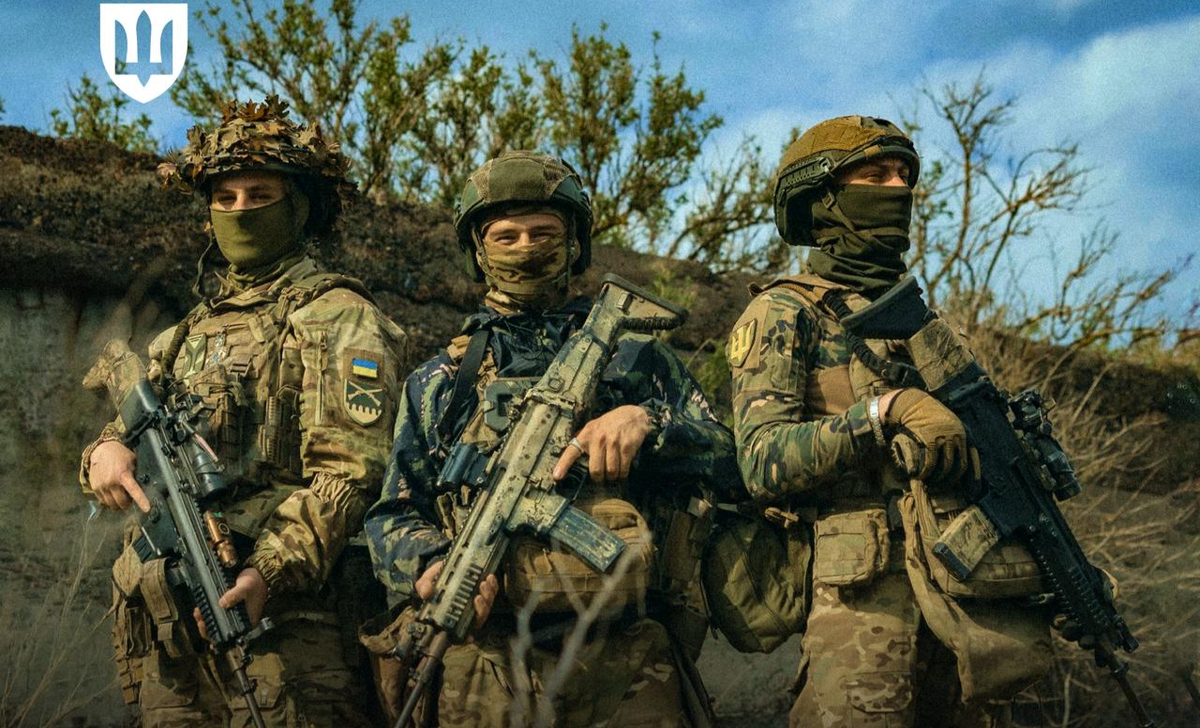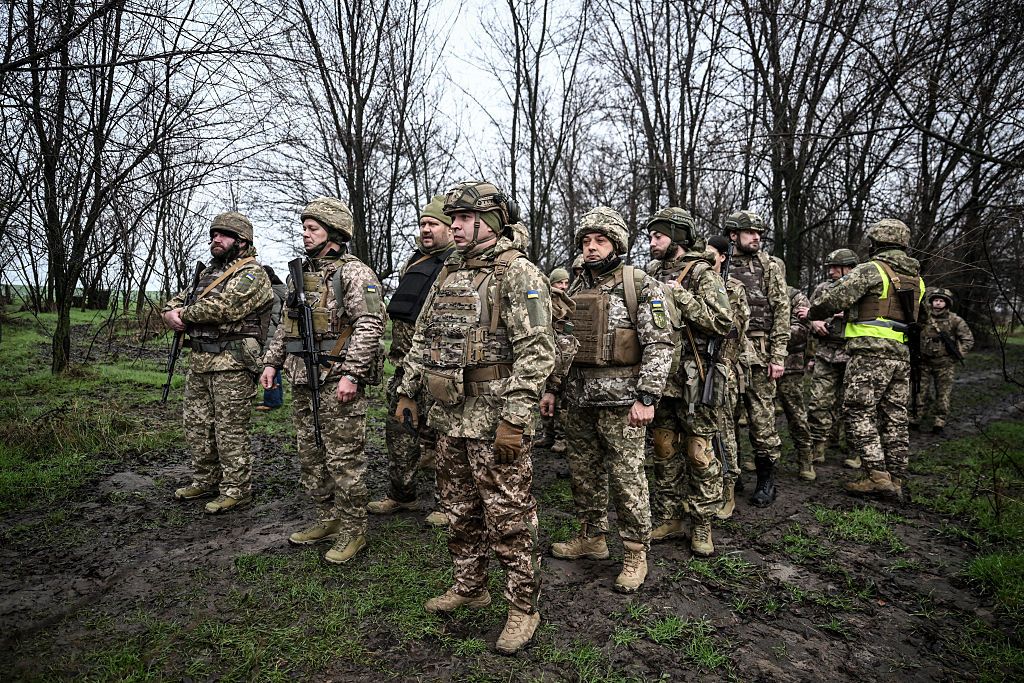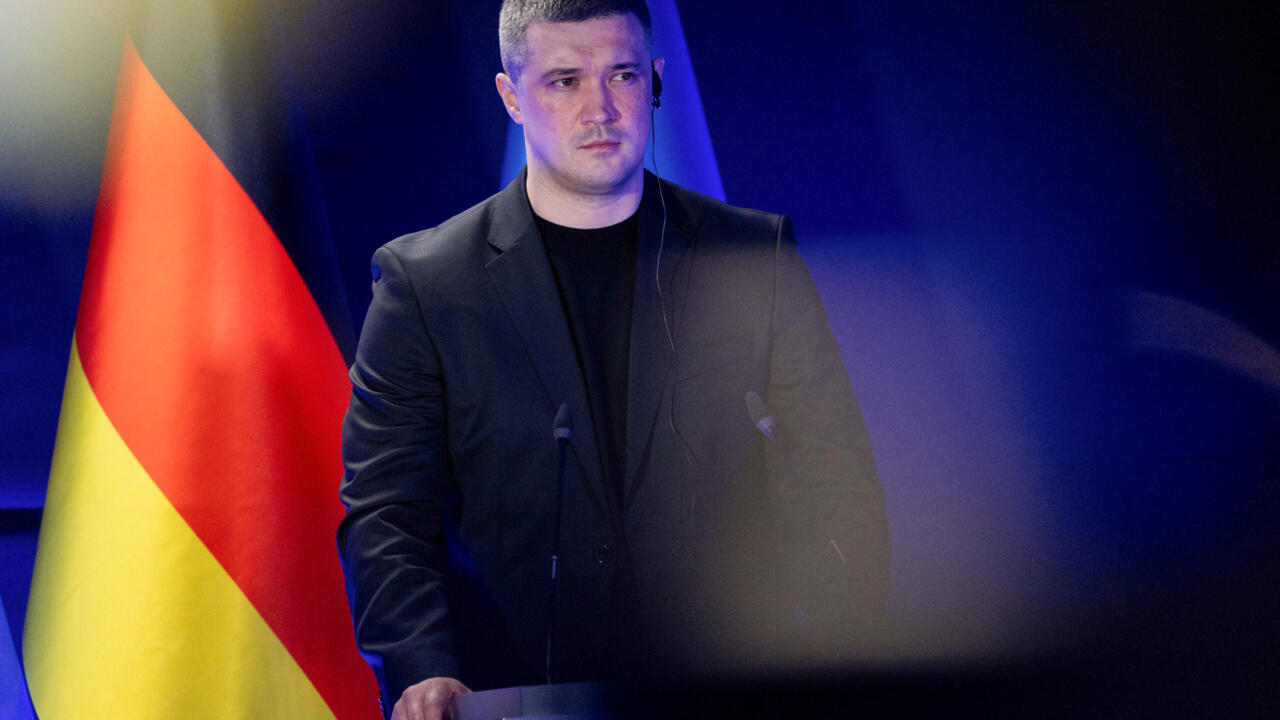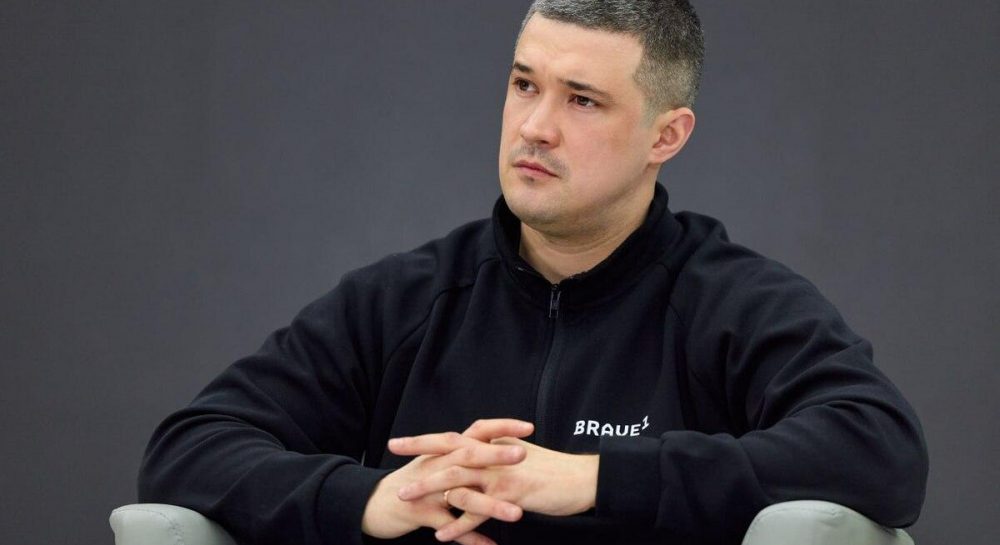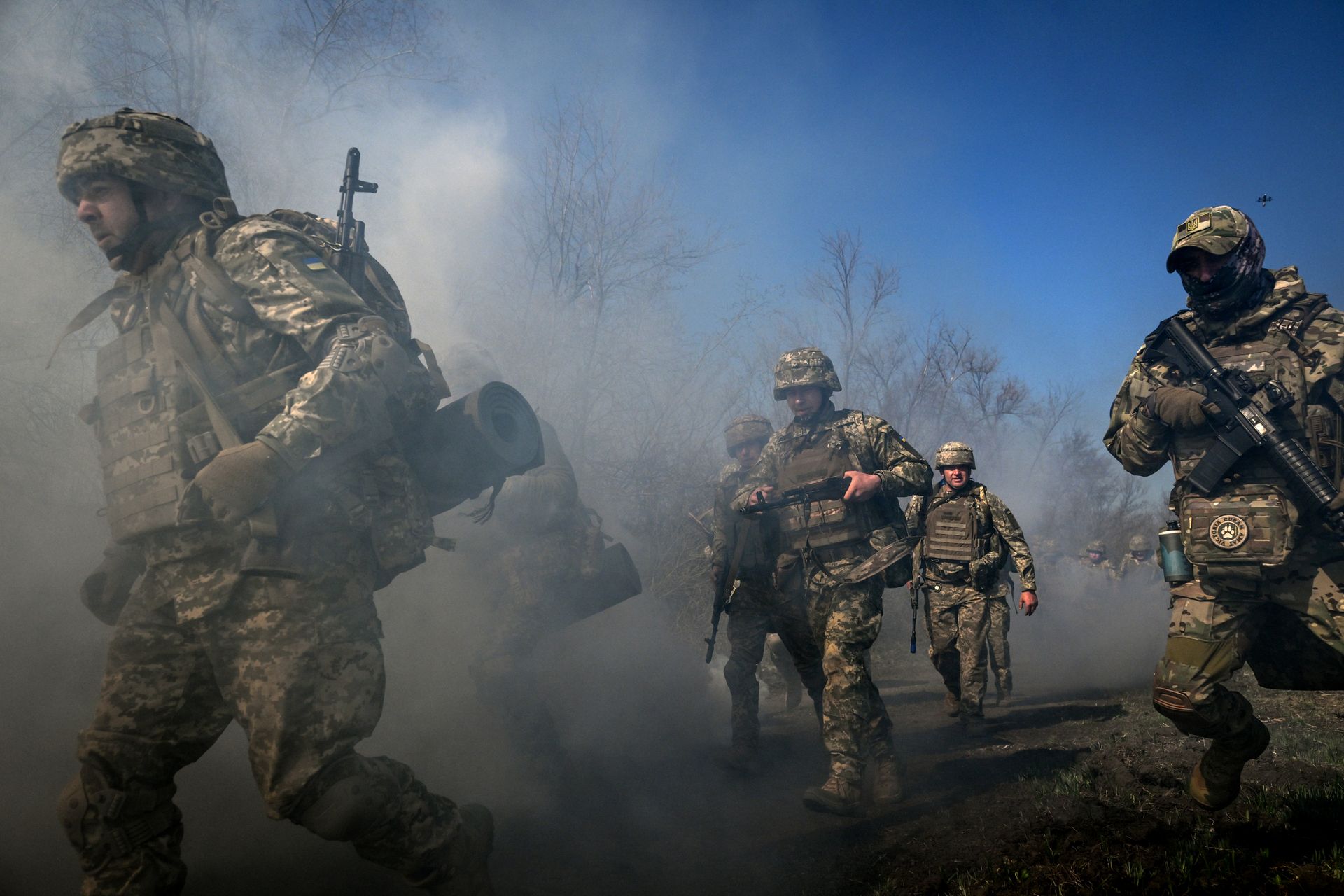
Recruits during a military training at the 118th Separate Mechanized Brigade of the Ukrainian Armed Forces in an undisclosed location, Ukraine, on April 5, 2026. (Dmytro Smolienko / Ukrinform / NurPhoto / Getty Images)Editor's note: Some military personnel are identified by their first names only due to security considerations.More than four years into the full-scale invasion, the first phase of the Defense Ministry's military reform was meant to deliver long-awaited changes. Instead, it has triggered a fresh wave of frustration among soldiers.Defining clear terms of military service has been one of the most contentious unresolved issues of the war — one that three defense ministers failed to tackle, and that ultimately landed on the desk of Mykhailo Fedorov, who took office in January.Nearly six months later, the ministry unveiled its much-anticipated reform package, introducing new contracts, higher pay, and a simplified process for returning to service after going absent without leave (AWOL), among other changes.But it failed to address the most important issue — the hardship faced by troops who have been serving since early 2022, and in some cases, long before that. Among the key grievances are uncertainty about the future, low pay for troops serving in rear areas, and the lack of mechanisms to protect personnel from poor service conditions within their units."It very much looks as though those who remain in the army are having the screws tightened even further, and the longer they stay, the worse their conditions become compared with newcomers," Oleksandr, a drone operator, told the Kyiv Independent.Choices on paperThe Ukrainian government attempted to introduce fixed terms of service more than two years ago, but the provision was removed when the updated mobilization law was adopted. At the time, lawmakers argued that the measure was not feasible under martial law."The truth is that the only thing that has changed over these two years is public attitudes toward mobilization," Inna Sovsun, a lawmaker from the "Holos" party, said on Facebook."As a result, we are now entering the discussion on terms of service under significantly worse conditions," she said, adding that fewer people are willing to join the military, while the number of those temporarily exempt from service has increased.But postponing the reform was no longer an option.As part of the initiative, the Defense Ministry has introduced three new types of contracts — infantry-assault, combat, and basic — intended to establish clear terms of service and provide at least a six-month deferment from military service. A deferment exempts a conscript from military service for a set period. After it expires, they must rejoin the army if they receive a draft notice. All service members are eligible to sign the new contracts, except those who are AWOL or already serving under a program for 18- to 24-year-olds.Ukraine's Armed Forces new assault-infantry contract details. (Nizar al-Rifai / The Kyiv Independent)Ukraine's Armed Forces new combat contract details. (Nizar al-Rifai / The Kyiv Independent)Ukraine's Armed Forces new basic contract details. (Nizar al-Rifai / The Kyiv Independent)The contracts run for six, 10, 14, or 24 months, with pay varying by position and conditions of service. Monthly compensation increases with proximity to the front lines and mission risk.Deputy Defense Minister Mstyslav Banik said during a press conference on June 15 that those who do not sign the new contracts will serve until demobilization, effectively until the end of the war, with no guarantee of a near-term deferment.At the same time, long-serving troops will not receive preferential treatment, aside from a limited concession: some categories of former and current service members will be able to sign six-month and 10-month contracts, while recruits will be required to sign for at least 14 months.Bohdan Mykolaichuk has been in the Ukrainian army since 2022, including more than a year on the front lines in the eastern Donbas region. He is now a rear-area officer and, despite his combat experience, must sign a two-year contract under the new system to remain in the role and gain clarity on when his military commitment could end.Speaking to the Kyiv Independent, Mykolaichuk said the Defense Ministry had not communicated the details of the reform clearly enough, particularly regarding deferments, and that he is awaiting further clarification and the adoption of additional regulations.According to the Defense Ministry's latest statements, service members who sign the new contracts will be entitled to a minimum six-month deferment over the contract period. This may reportedly be extended depending on changes in service conditions. Yet for each year of service through June 2026, service members will receive only one month of deferment, regardless of whether their role was combat-related or not.Under the new terms, if Mykolaichuk signs a new contract, he will receive about one year of deferment in exchange for six years of service."This is unfair to those who have been in service for a long time," Mykolaichuk said. "In my opinion, the main criterion (for creating the new contracts) should have been length of service and the amount of time spent in combat."
Ukraine's long-awaited military reform falls short for long-serving troops
Editor's note: Some military personnel are identified by their first names only due to security considerations. More than four years into the full-scale invasion, the first phase of the Defense Ministry's military reform was meant to deliver long-awaited changes. Instead, it has triggered a fresh wave of frustration among soldiers. Defining clear terms of military service has been one of the most contentious unresolved issues of the war — one that three defense ministers failed to tackle, and
2,578 words~12 min read