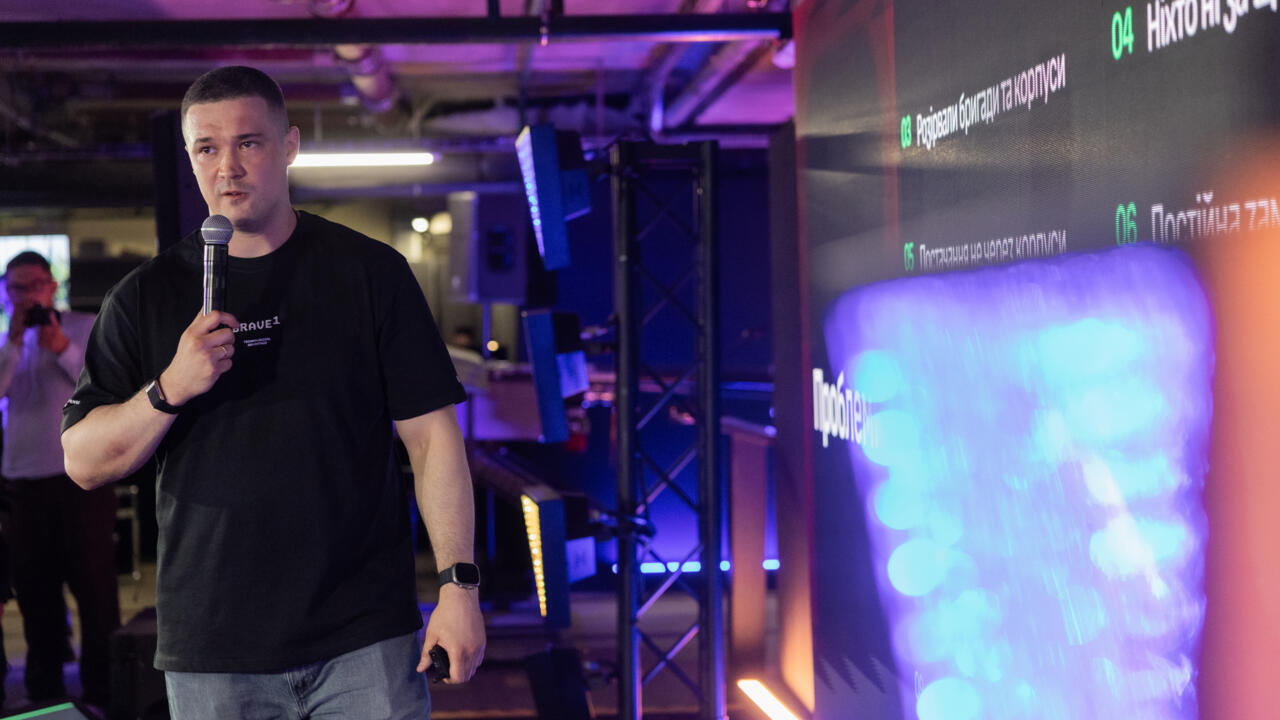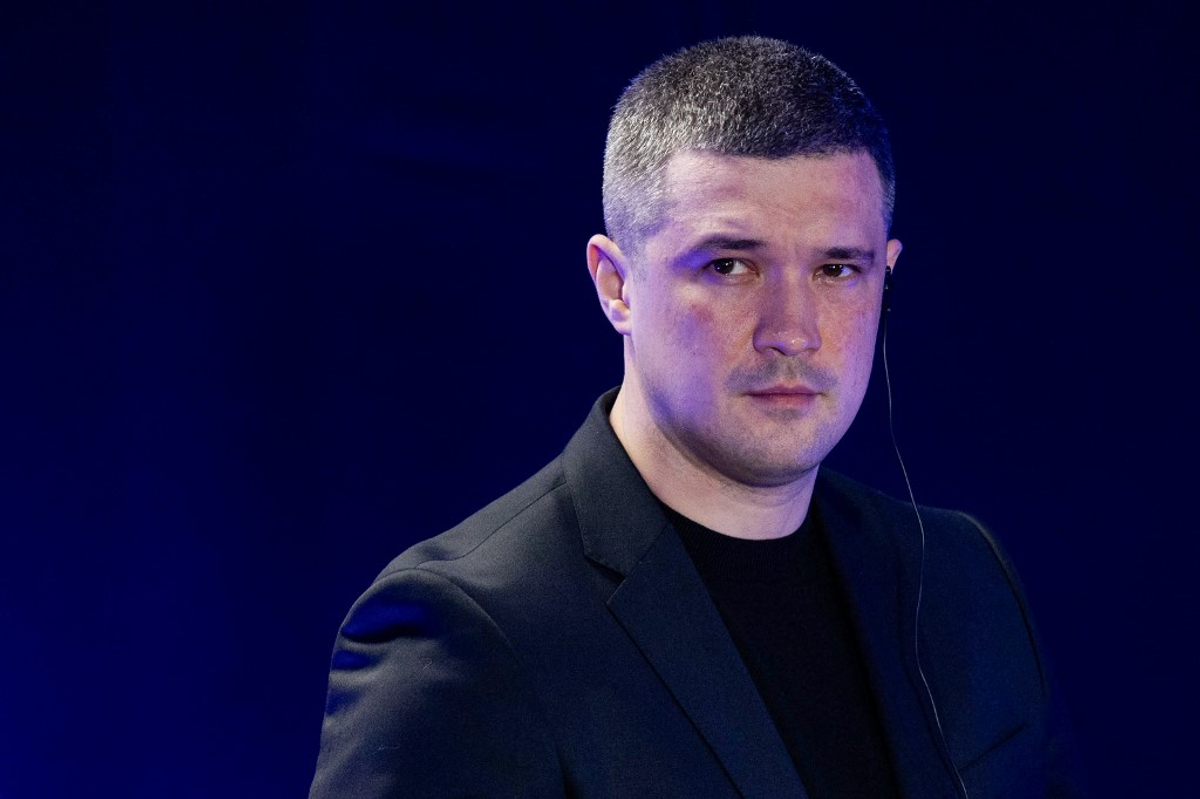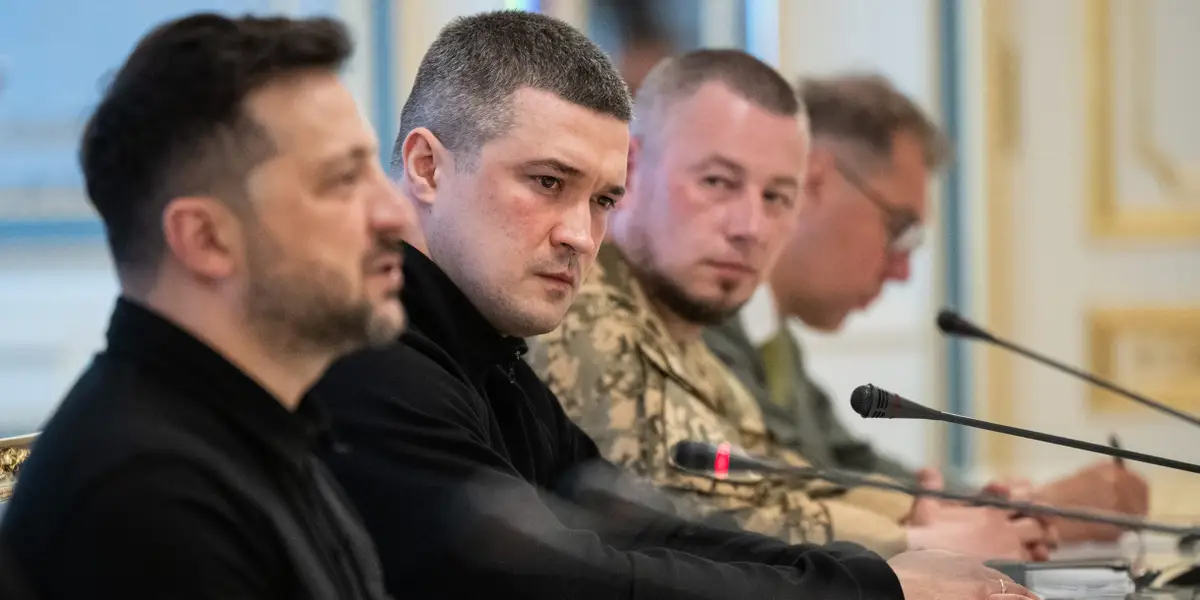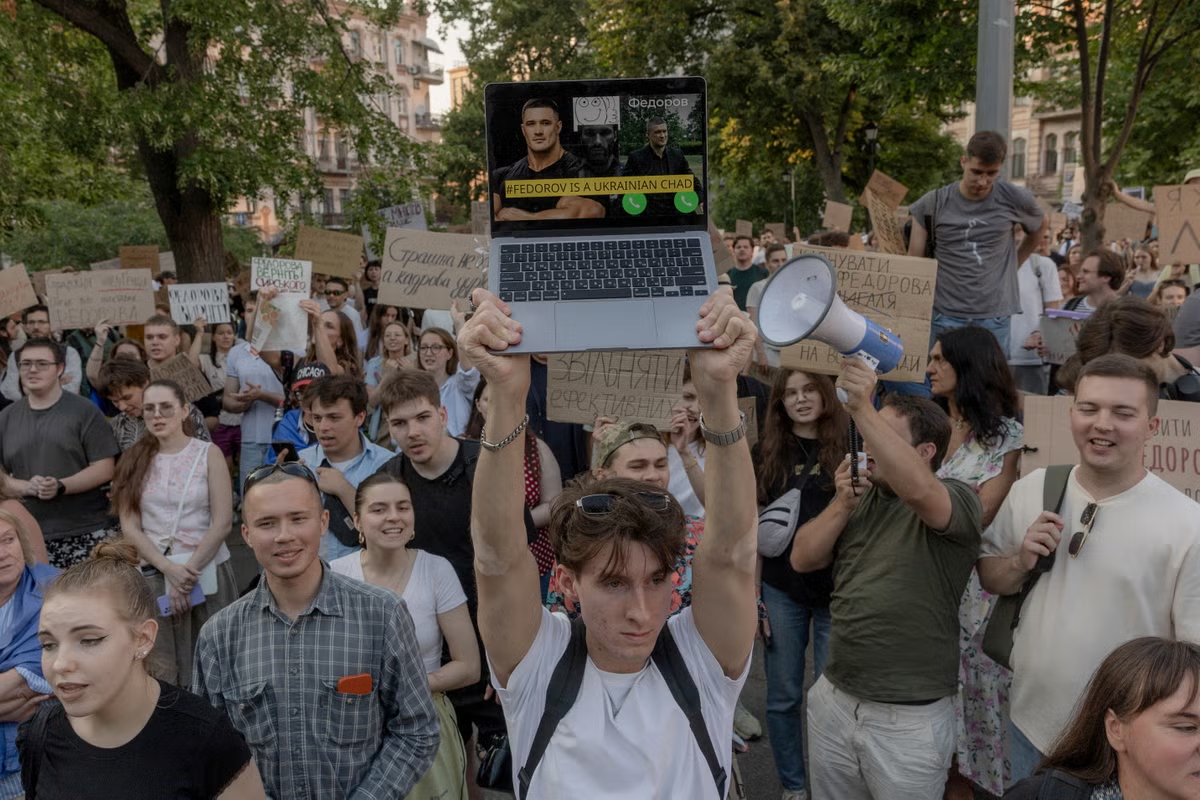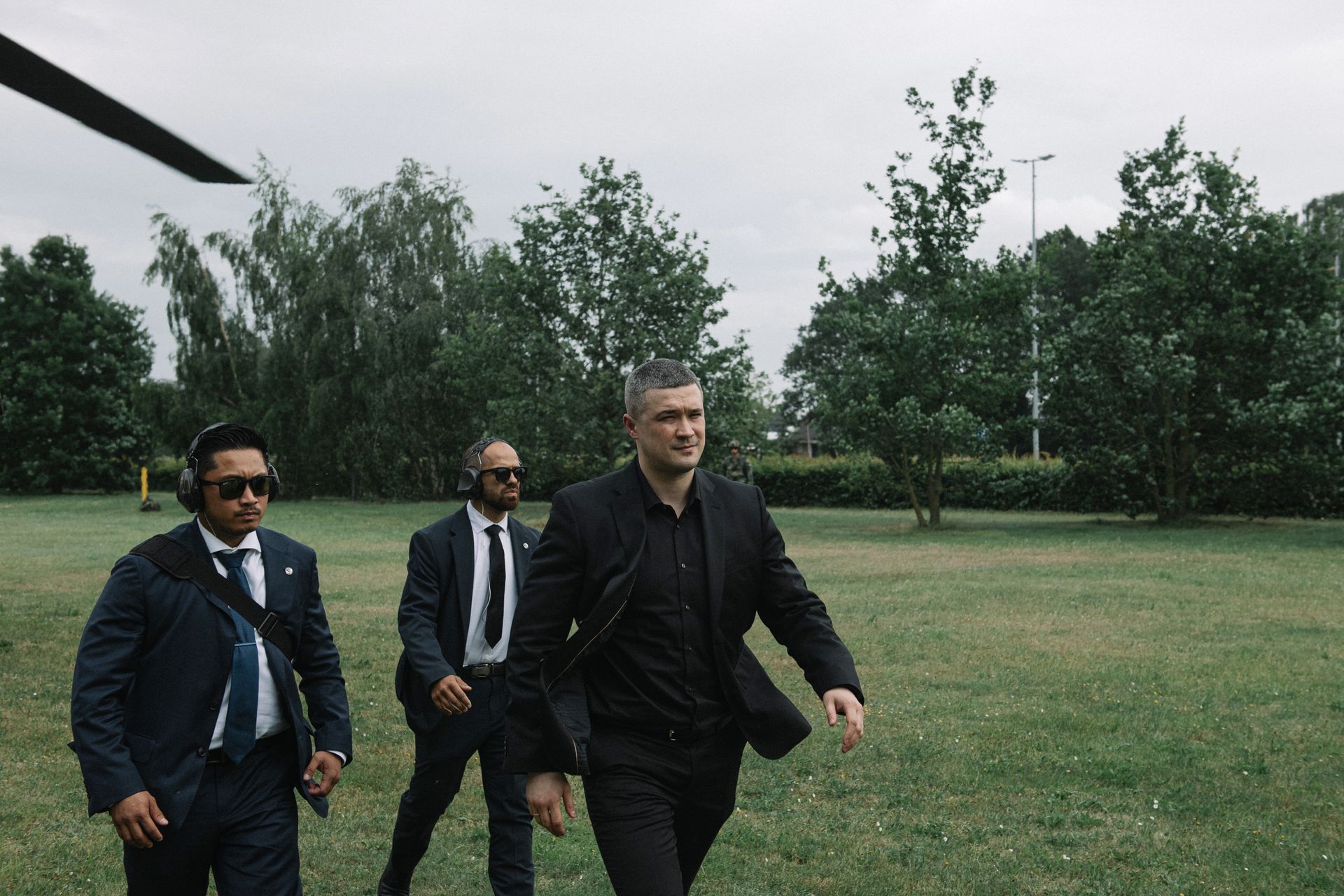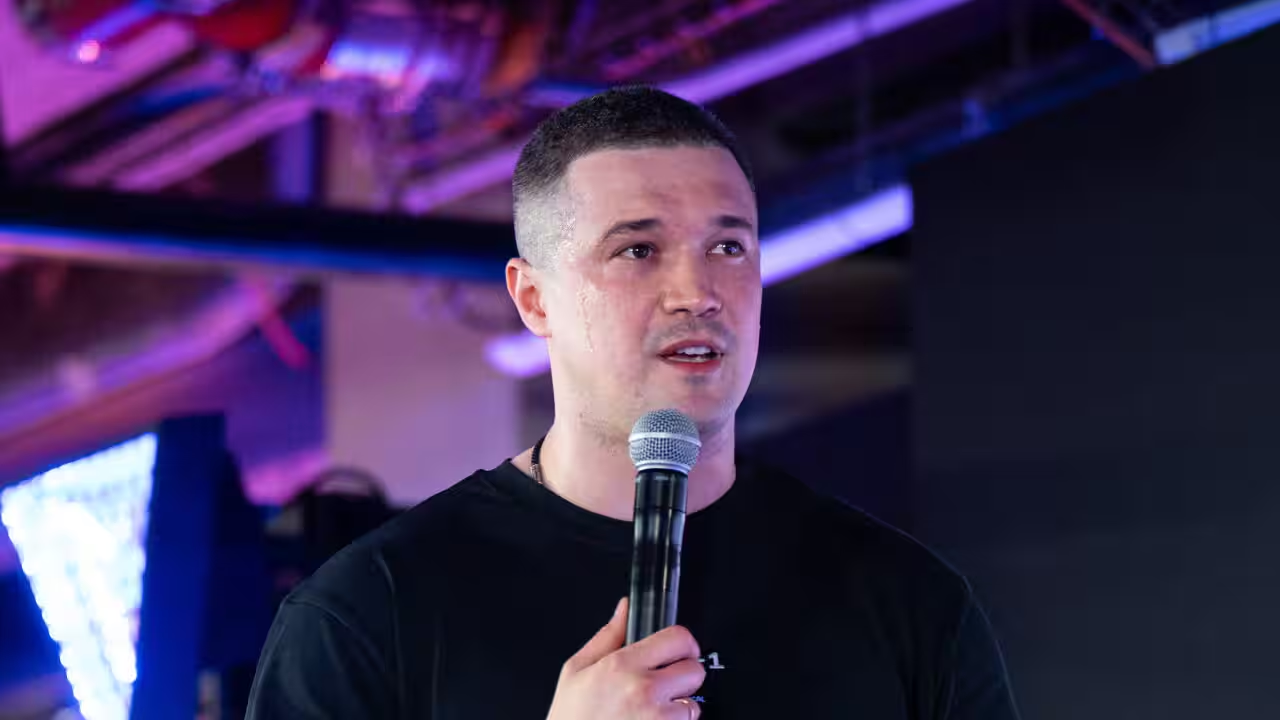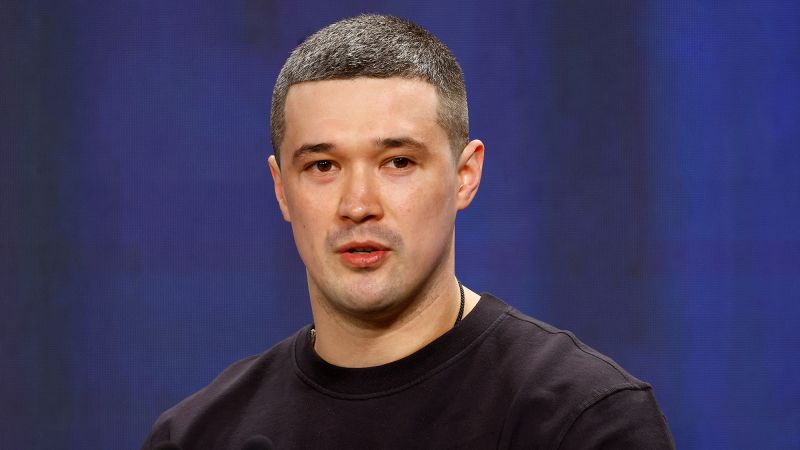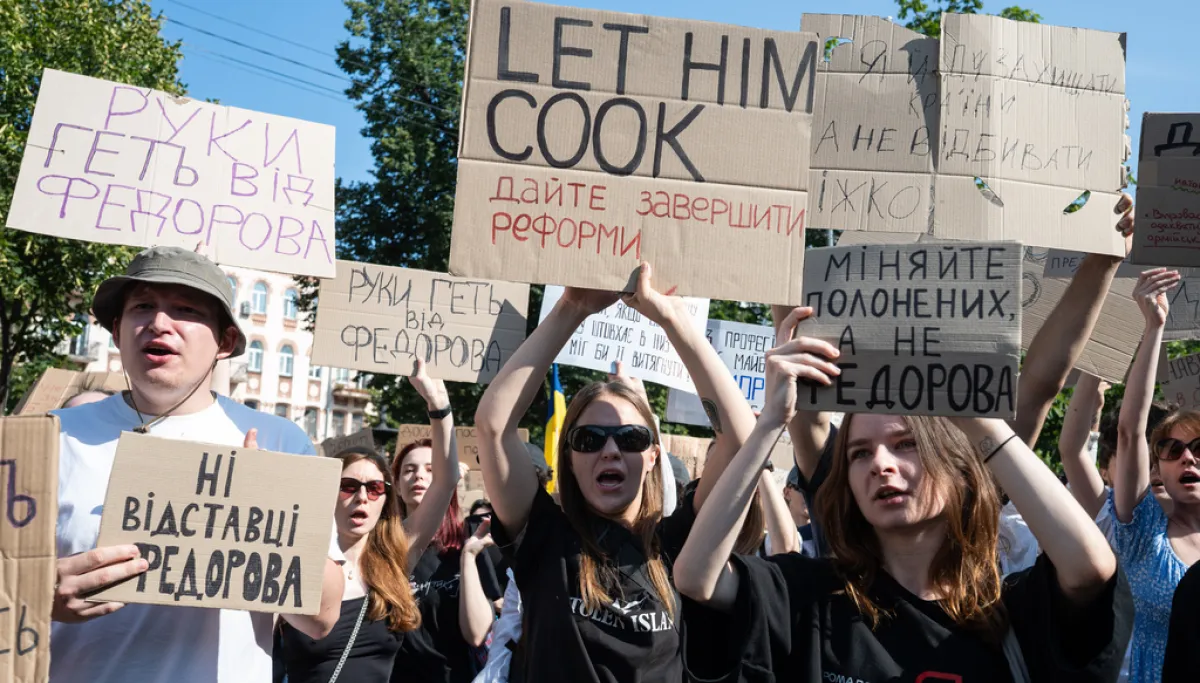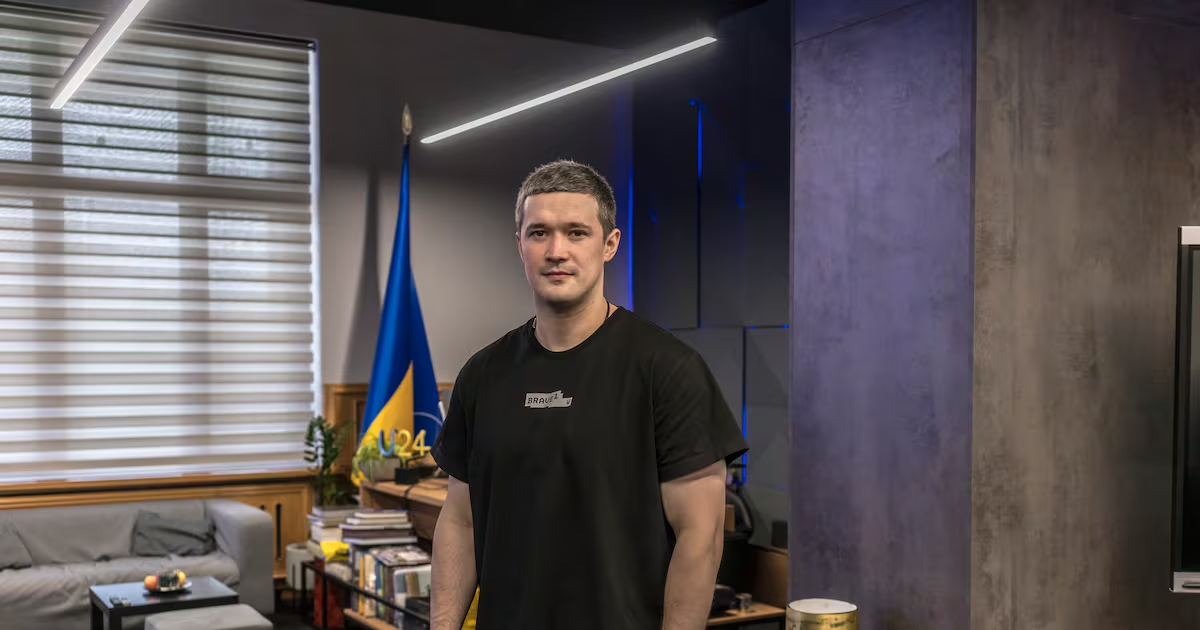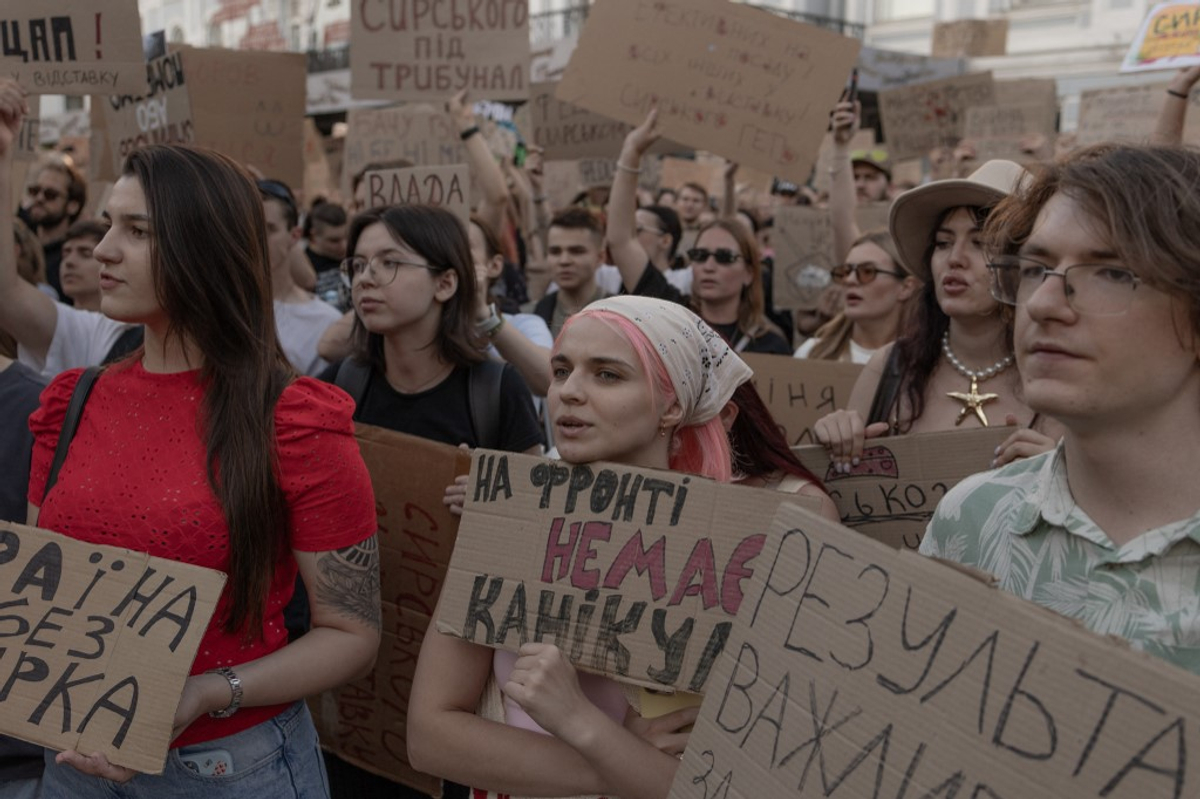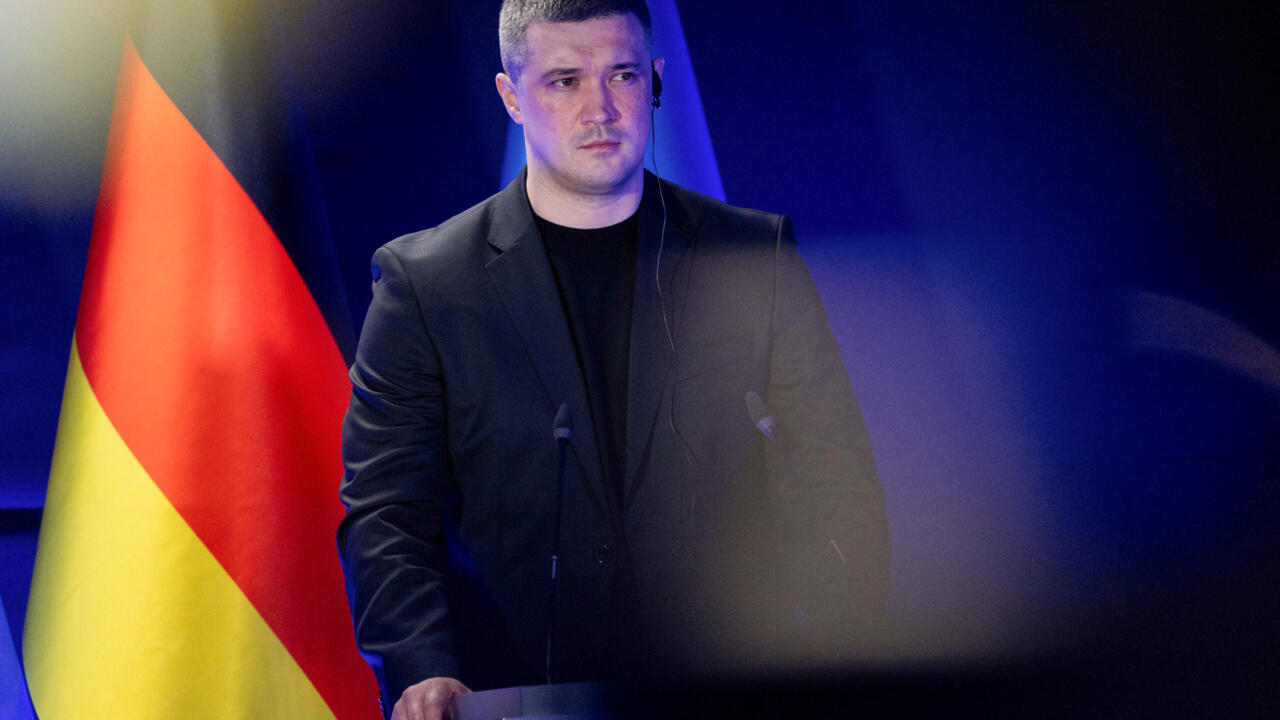
Fedorov was tasked with modernising an army fatigued after more than four years of fighting Russia's full-scale invasion. He boosted salaries, announced plans for a partial demobilisation and introduced game-like rewards systems for the units that kill the most Russian soldiers. Fedorov's dismissal triggered rare protests in Kyiv, Lviv and other cities across Ukraine. His supporters pointed to his role in turning battlefield momentum in Ukraine's favour this year, through ramping up drone purchases and a crucial intervention to cut Russian units off from Starlink internet services. Read moreProtests erupt over departure of Ukraine's defence minister, energy boss named PM But conflicts with the more traditional guard plagued his tenure, notably Oleksandr Syrsky, commander-in-chief of the armed forces. At a press conference he convened in Kyiv on Thursday, standing in front of a large screen showing images of drones and in his trademark dark T-shirt, Fedorov defended his legacy and hit out at army chief Syrsky. "All the initiatives we were proposing started to be blocked, and Syrsky ... is not ready to look you in the eye and openly talk about those problems," he said. "The war has completely changed ... We can't keep going on what worked back then," he added. From the outset, Fedorov – who never served in the army – clashed with the military's command and their traditionally stiff approach. He held lengthy TED Talk-style briefings, dressed casually and engaged with journalists, trying to inject energy into Ukraine's war machine some four years into the Russian invasion. Read moreWhat the Lviv draft riot tells us about Ukraine’s struggle to send men to fight The tech-savvy reformer was the last remaining minister to have held positions in all of Ukraine President Volodymyr Zelensky's governments, remaining close to the president since his election in 2019; it was not clear whether Fedorov would get another government job. Fedorov was born in Vasylivka, a town now occupied by Russia in southern Ukraine, and grew up in the nearby city of Zaporizhzhia, which is now pounded daily by Russian bombs and drones. As a young marketing specialist, he was brought in by Zelensky, then a well-known television host, to run the social media campaign that helped him surge to a landslide victory in April 2019. Fedorov, then aged 28, was appointed to Zelensky's first cabinet as minister for digital transformation, a new post that allowed him to push through technology-driven reforms. 'Forced to choose' Appointed to the defence post in January, the 35-year-old with short salt-and-pepper hair was Ukraine's youngest-ever defence minister. He took over an apparatus facing stretched air defences, financial uncertainty, stalled peace talks, recruitment problems and widespread bureaucracy and war fatigue. "We will turn the war into a data platform," he said, after being appointed in a speech punctuated with jokes. "We will take all the data and see what works. Everything that works well will proceed," he said – a personal mantra that would not appear out of place in Silicon Valley. He gained fans among Ukraine's Western partners, many of whom, including Palantir CEO Alex Karp, reached out following the dismissal. Fedorov contended that Syrsky had forced Zelensky to choose between them. Asked about the row, Zelensky acknowledged the two sides were barely on speaking terms, saying he had made the change for the sake of "unity".
Mykhailo Fedorov: Ousted defence chief's reforms riled Ukrainian army bosses
Ukraine's ousted defence minister Mykhailo Fedorov served just six months before his ambitious drive to reform the military led to irreconcilable clashes with the country's top brass, which he viewed…
846 words~4 min read