⏳ Reading Time: 7 minutesMany of us understand in an instinctive way that the world is being reshaped by a handful of powerful forces: climate change and energy transition, Artificial Intelligence (AI), the rewiring of global supply chains amid heightened global conflict. We read about these things, and we talk about them, or even see them, increasingly, in our own lives. And yet, the way most of us invest has almost nothing to do with any of it, at least not actively. Thematic investing is ultimately an attempt to close that gap.
What is thematic investing?
It’s tempting to describe thematic investing as simply investing in trends, but that framing undersells it, and perhaps slightly misleads. We like to think of themes, at least the kind worth building a portfolio around, as structural forces: broad, durable shifts in technology, behaviour, regulation, or the physical world itself that we expect to play out over years and decades.
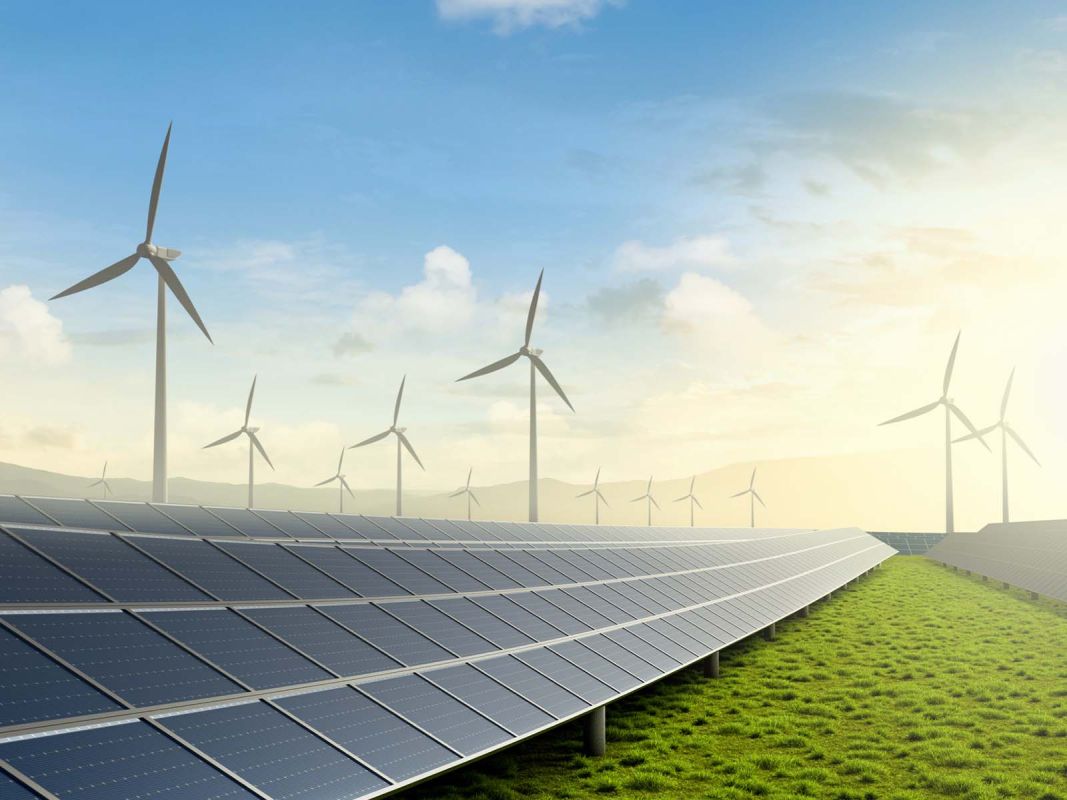
Traditional investing tends to organise the world by sectors such as financials, healthcare, technology and industrials; categories that are somewhat structurally or geographically bounded. Thematic investing is about cutting across those boundaries. A portfolio tilted toward clean energy, for instance, will touch utilities, materials, engineering, and technology companies simultaneously. The organising principle is ultimately all about which long-run forces do market participants stand to benefit from?