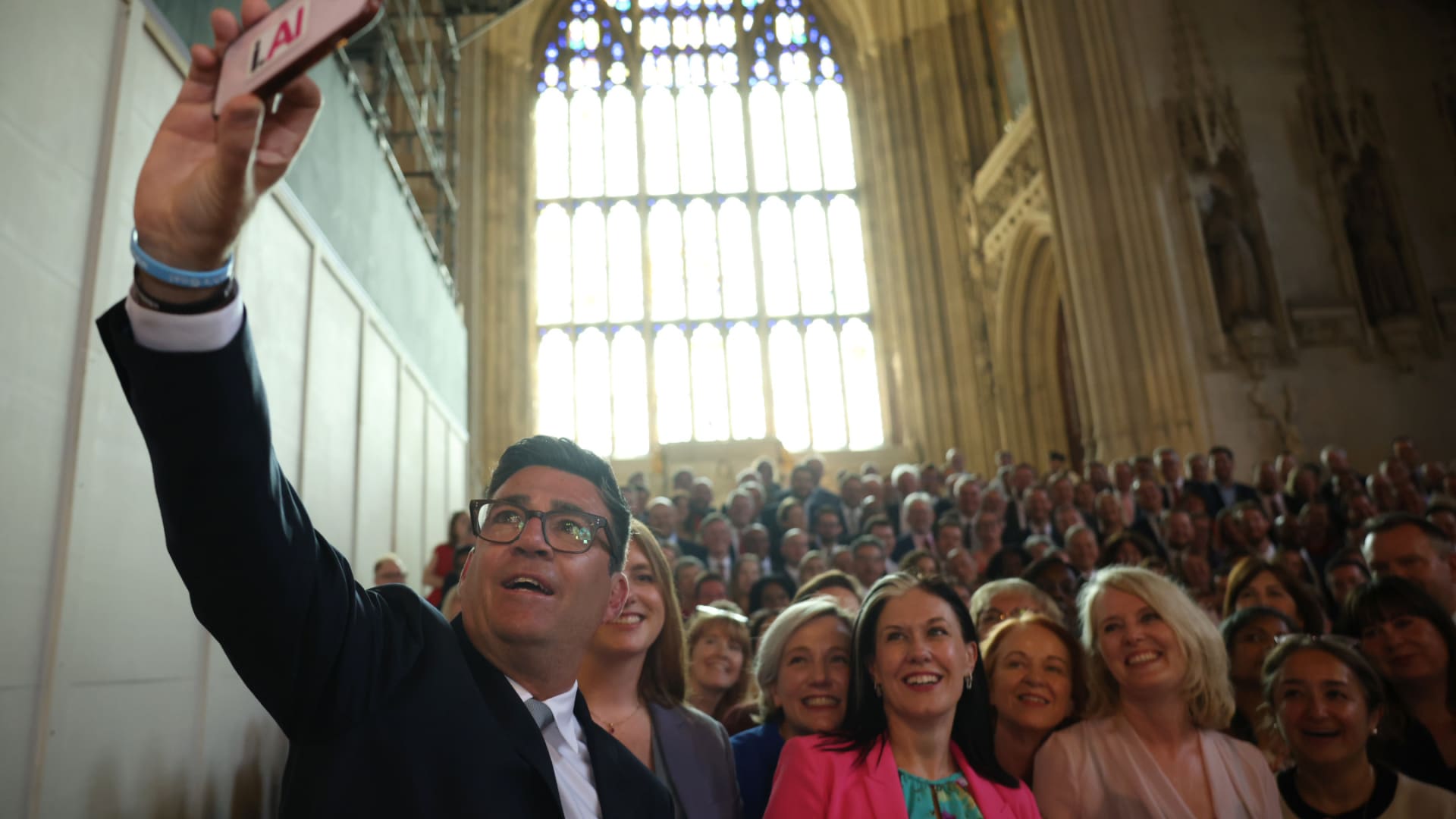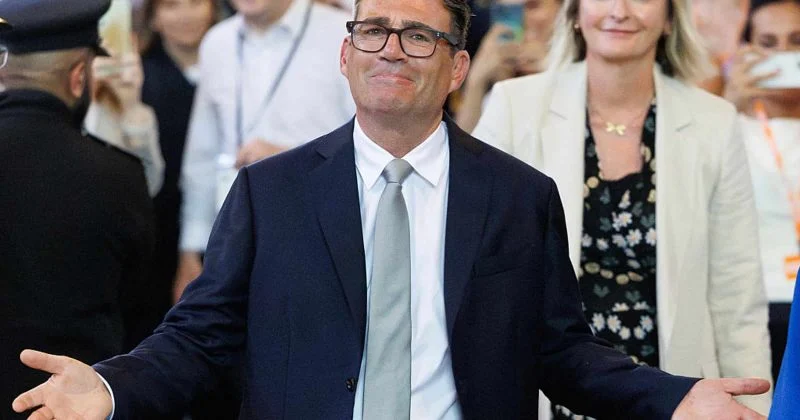
⏳ Reading Time: 2 minutesAt some point in September, it looks like we’ll have a new Prime Minister in the UK (again). Andy Burnham will almost certainly be the seventh UK Prime Minister since 2016, and the fourth since Giorgia Meloni assumed that role in Italy in October 2022. With a certain weary resignation we ask, once again, what does this mean for financial markets.
On balance, our starting assumption is “not very much” in the short-term. We don’t think that the new Prime Minister has a set of exciting new levers that he can pull to achieve faster growth. Tax increases are probably on the table, but we suspect that the economic modelling might show that the fiscal benefits of significantly higher taxes won’t be compelling. So, the base case is more of the same, perhaps with a more optimistic tone than we got from Keir Starmer and Rachel Reeves.
Why do we think this? First, we believe that the tax burden in the UK is already high compared to history (measured as tax revenue as a percentage of GDP). The tax base is already quite narrow (a small percentage of households pay a relatively large percentage of income tax). Second, there’s the question of where economic growth comes from. We generally believe that the private sector drives economic activity, so increasing the role of the state beyond a certain point isn’t particularly productive.