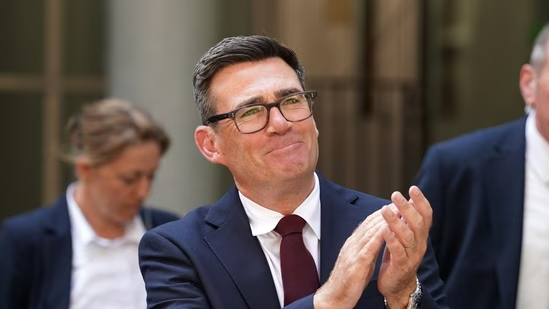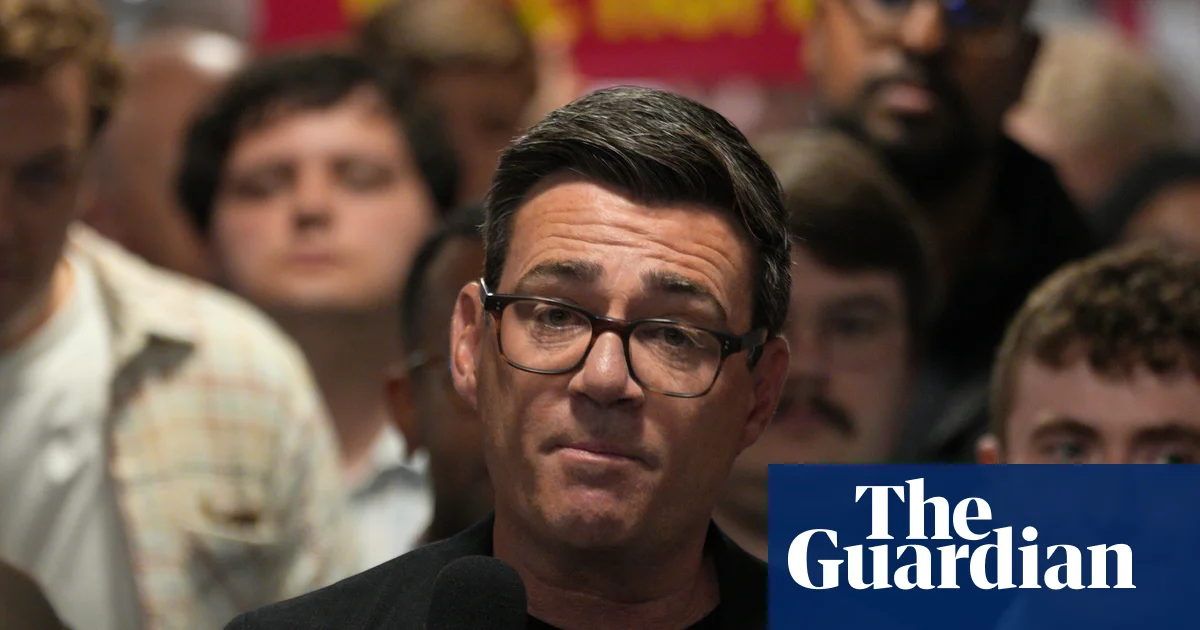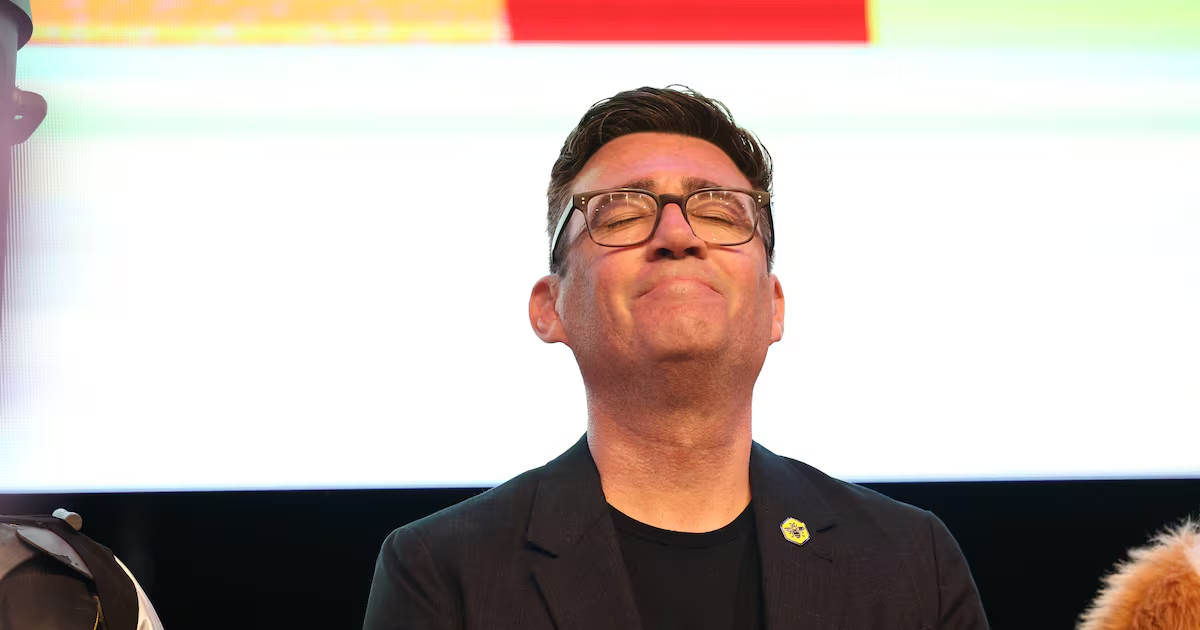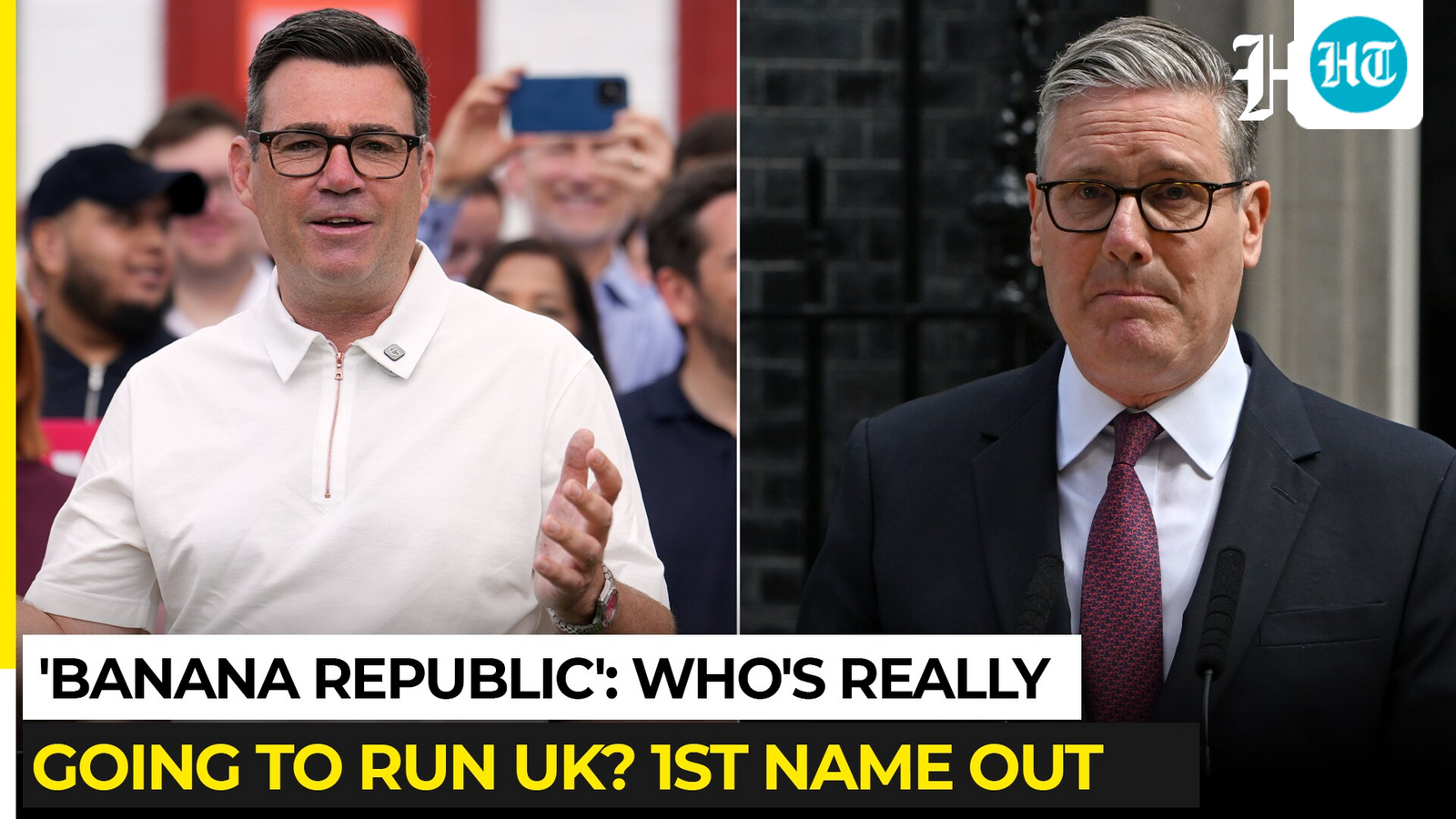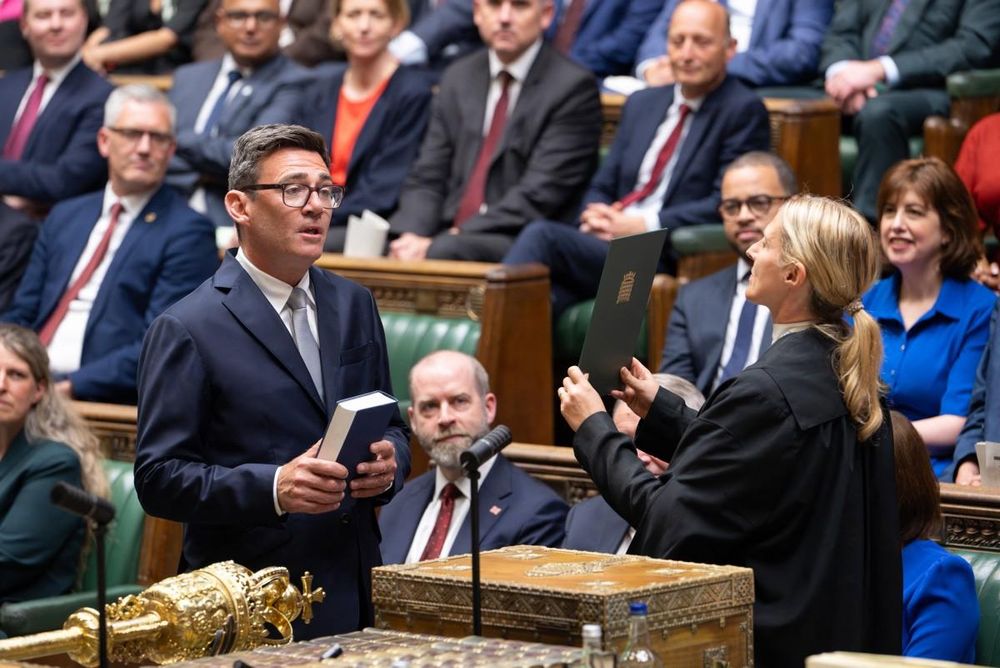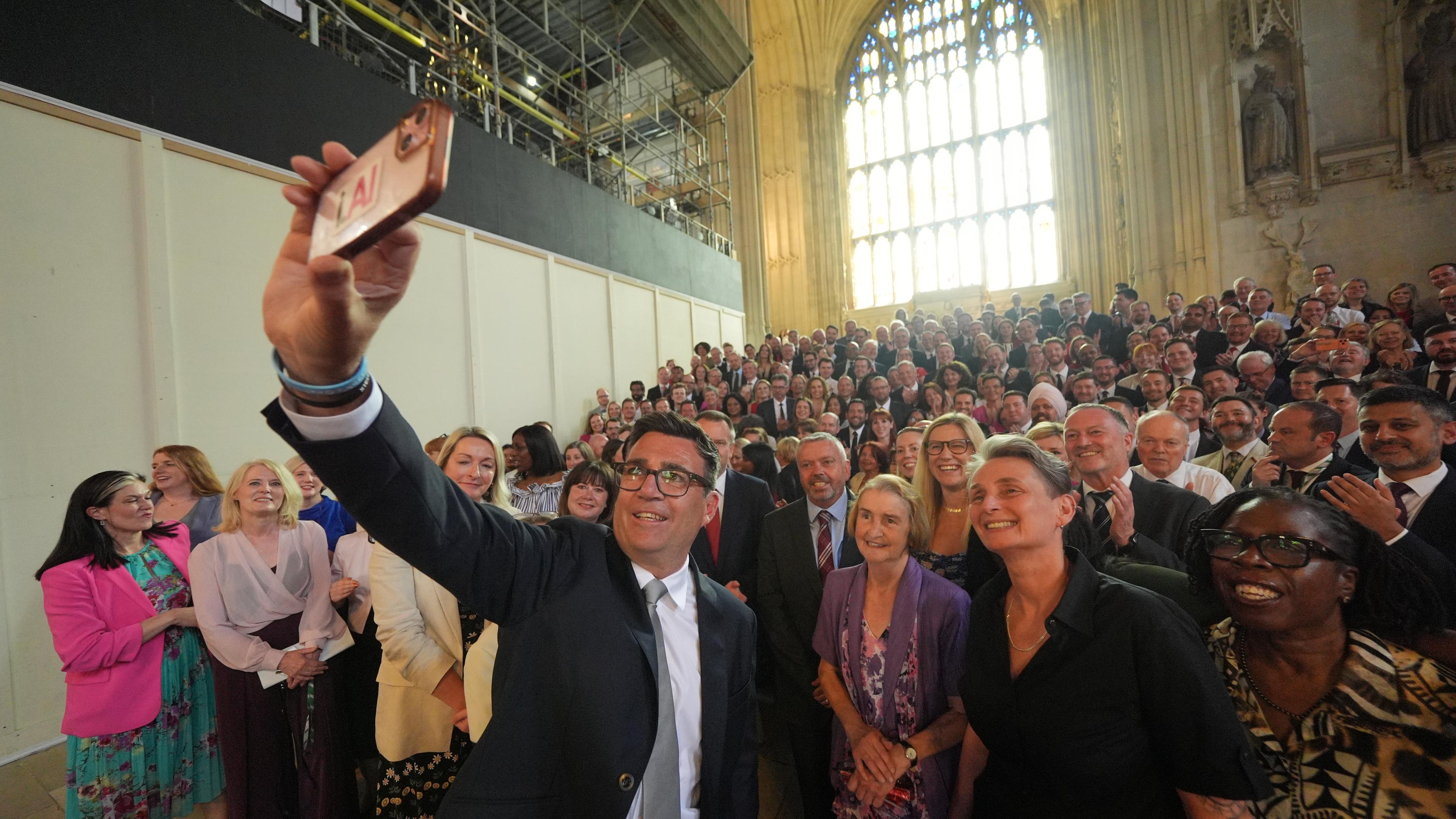
Prime Minister Keir Starmer resigned on Monday, clearing the way for Britain to get its seventh leader in 10 years. Andy Burnham, the newly sworn-in Member of Parliament for Makerfield, is on course to replace him.The former Greater Manchester Mayor was expected to face competition from Wes Streeting, who just last week stated his intention to run for leadership. But the former Health Secretary announced shortly after Starmer’s resignation speech that he would be backing Burnham—and called for the rest of Labour to follow suit.Burnham received a cheering welcome as he posed for a photo with around 200 Labour MPs in Westminster Hall.Any candidate wishing to launch a leadership bid needs to have the backing of 81 lawmakers. Burnham looks set to meet this threshold, meaning he could be Britain’s next Prime Minister in a matter of weeks.Among Labour lawmakers, so far as Burnham is concerned, the mood “seems to be moving very swiftly towards the coronation route, not the competition route,” Tony Travers, a professor in public policy at the London School of Economics, tells TIME.Still, Labour's ruling body, the National Executive Committee (NEC), has yet to publicly set a timeline for the choosing of a new leader.When are nominations for leadership set to open and close?When a Labour Party leader resigns, under party rules a contest for a new leader is automatically triggered, according to the Institute for Government. Chaired by Home Secretary Shabana Mahmood, the NEC's primary purpose is to “provide strategic direction for the party as a whole.”Starmer said he will ask the NEC “to set out a timetable with nominations opening on July 9 and completed by the summer recess,” which is scheduled to start on July 16.This plan would give ample time for people to launch leadership bids and, if a contest were to arise, the new leader could still be in Downing Street by the time parliament returns in September.“I will remain in post as Prime Minister until the contest is complete. And I will do everything I can to ensure an orderly handover of power,” Starmer vowed.Who can launch a leadership bid?To enter a leadership contest, the candidate has to have the backing of at least 20% of the party’s MPs. With 403 Labour lawmakers currently in the House of Commons, this equates to 81 lawmakers, including the challenger.Candidates will also need the support of at least 5% of all constituency Labour Parties or at least three affiliates of the Labour Party (at least two must be trade unions) where the combined membership of nominating affiliates should be at least 5% of affiliated membership.What happens if there's a contest and who can vote?Should a leadership contest take place, all candidates will be put on a ballot for a first round of voting. Labour Party members who have continuously been members for at least six months before the timetable is established are eligible to vote. Those from affiliate trade unions will also be eligible to cast a vote. Voters will rank candidates based on their preference. Should one candidate win over 50% of the first preference votes, then they will win the contest.If not, the candidate with the lowest votes are eliminated, and the preferences of their voters are then transferred to other candidates. This process continues until one candidate reaches the 50% threshold. What happens if there’s only one candidate?This may well be the scenario in this particular leadership transition, as Burnham currently has a clear path to Downing Street.If only one candidate meets the threshold for backing, then there is no vote. The candidate will instead be elected unopposed, becoming the leader of the Labour Party and the U.K.’s new Prime Minister.If Burnham remains unchallenged, it’s possible he could be in Downing Street as early as July 17, or sooner, experts tell TIME.“Burnham will already be taking soundings and calls. He'll want to announce as soon as he becomes PM, so he'll probably have sorted the Cabinet by July 9, just in case he gets the job then rather than a week later,” predicts Tim Bale, professor of politics at Queen Mary University of London. “If everyone else rules themself out on day one, there would be no point in waiting a week for nominations to close."
How Will the New Prime Minister Be Chosen—and How Soon Could They Be in Downing Street?
When it comes to Burnham, the mood “seems to be moving very swiftly towards the coronation route, not the competition route,” experts tell TIME.
706 words~3 min read