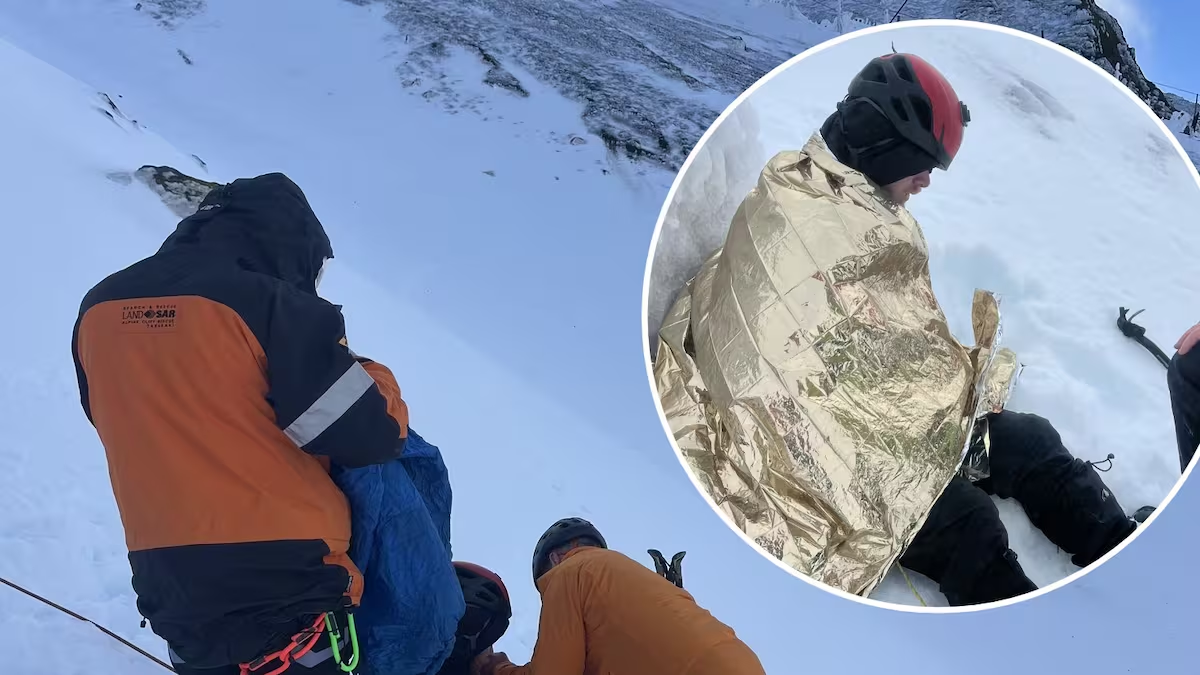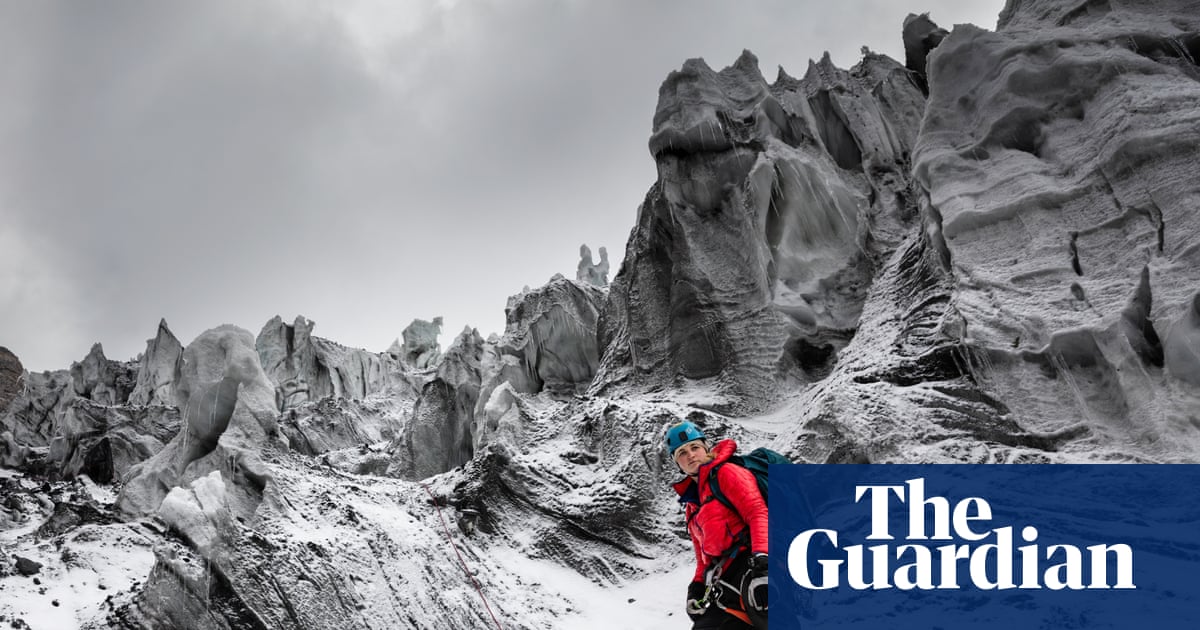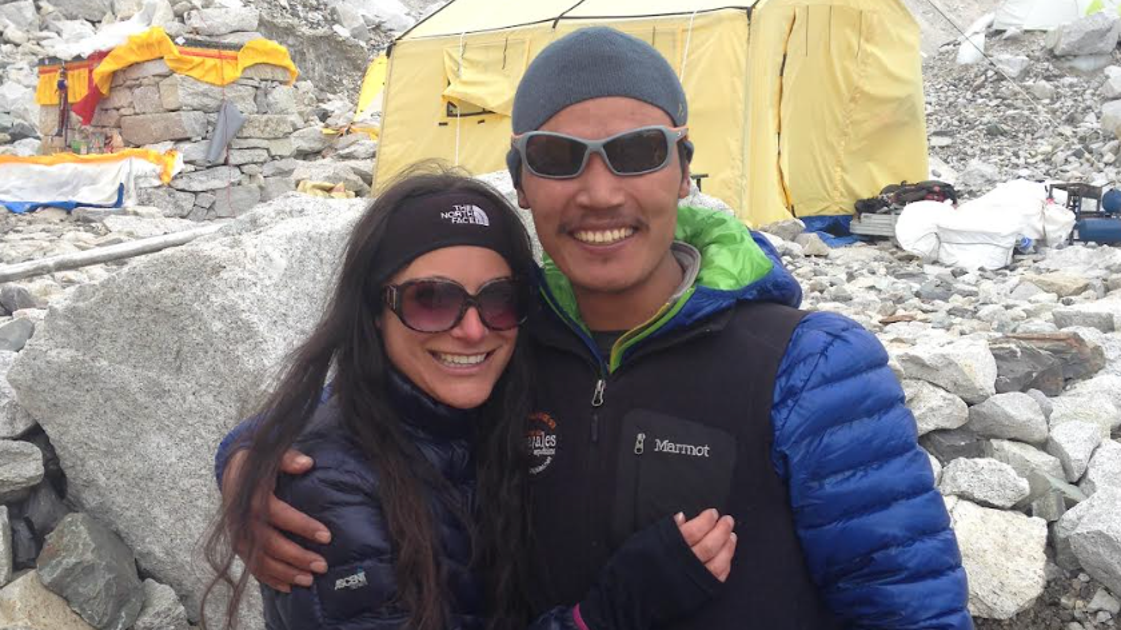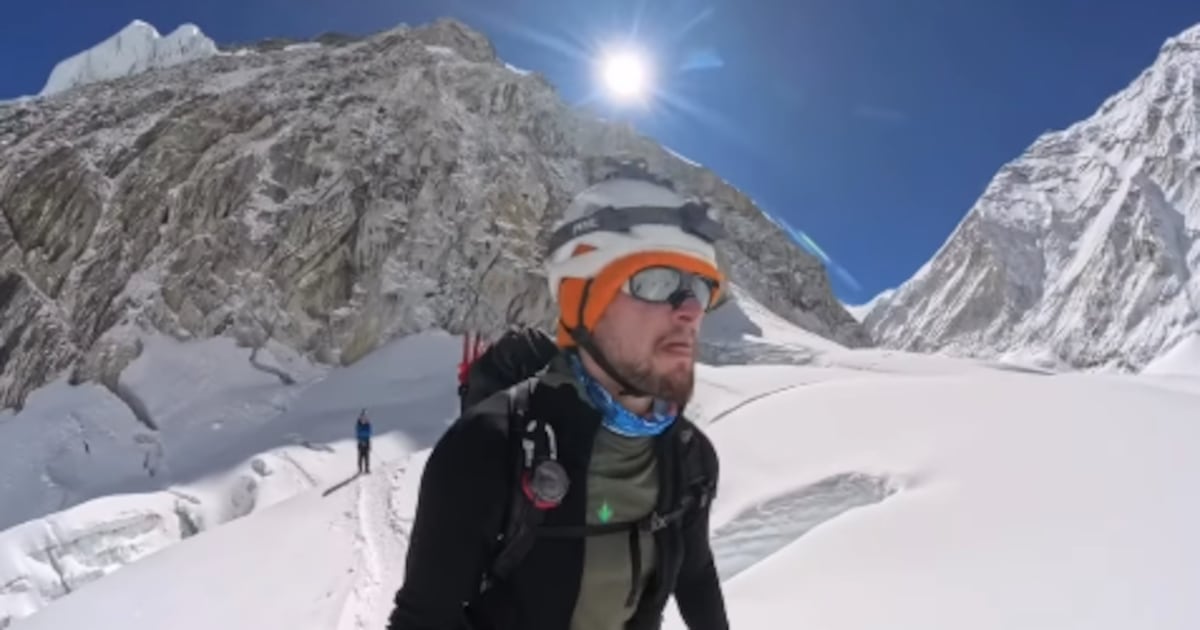
Six months of intense training, including thousands of stairs, tire dragging on the beach, and an Alpine prep camp, prepared Shay Lachowitzer for Denali, North America’s highest peak, but when 5 climbers died, he was forced into a critical decisionShay Lachowitzer|I stop. I breathe. I try again. One more step. And again. Nothing. The feeling is like a battery left with exactly three percent. You press the button and nothing happens. Another attempt. And another. The system is simply empty.Athletes call it “the wall”: the moment when the body refuses to continue even though the mind still wants to. I had imagined this exact crisis dozens of times in training, but no amount of mental training can fully prepare you for the moment it arrives, when you are hanging on blue ice at a 50-degree incline. About 50 meters remain to complete the climbing section, but the legs stop pushing.GalleryThis time the mountain won(Photo: Guy Klomak)I looked at Med, our American guide. I knew exactly what I was about to tell her, and I knew that the moment those words left my mouth, the journey would end. But to understand how I reached the edge of human capability, one has to go back, to the toughest mountain in the world.Denali (McKinley), rising to 6,190 meters (20,310 feet) in Alaska, is the highest peak in North America. Although lower in elevation than Everest, it is widely considered a more difficult challenge by many in the climbing world. The reason is simple: everything is on you. There are no Sherpas, no yaks, and no porters to carry the heavy loads.You carry a 24 kg (53 lb) backpack and a 30 kg (66 lb) sled yourself. Add to that the fact that, due to its far northern location, oxygen availability on Denali feels like being at around 7,500 meters (24,600 feet), and the weather is among the harshest on Earth. Success rates stand at only 52% (of 25 Israelis who have climbed it since 2005, only 10 reached the summit).An evening with friends in the tent
16 days of cold, ice and fear: the climb that pushed me to the edge of survival
Six months of intense training, including thousands of stairs, tire dragging on the beach, and an Alpine prep camp, prepared Shay Lachowitzer for Denali, North America’s highest peak, but when 5 climbers died, he was forced into a critical decision
1,933 words~9 min read