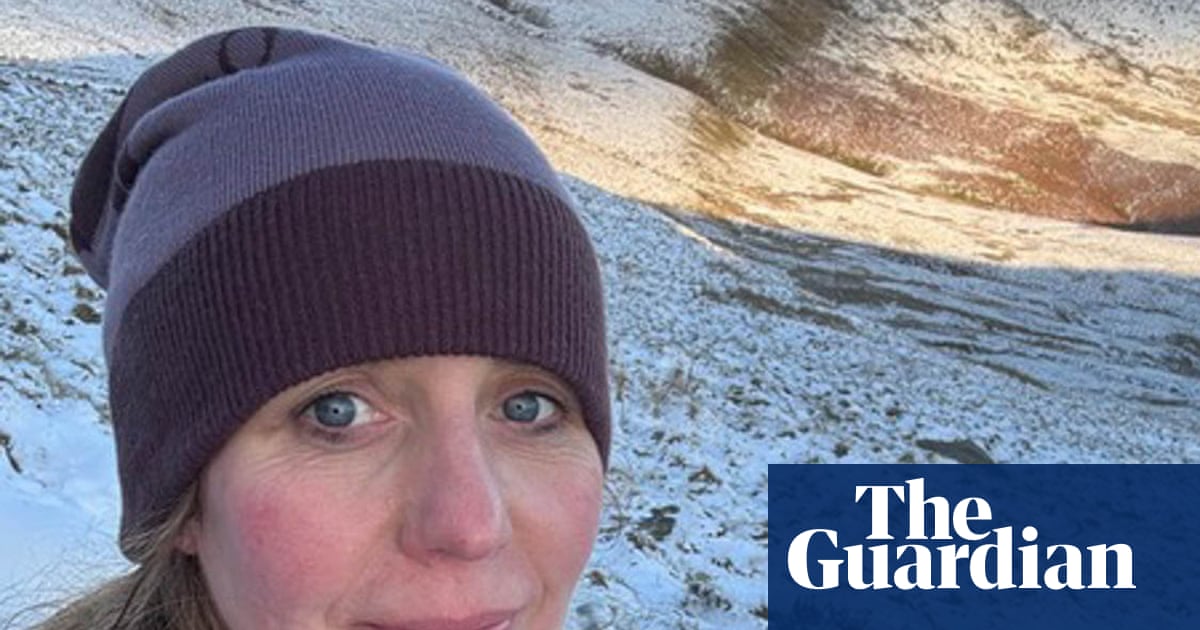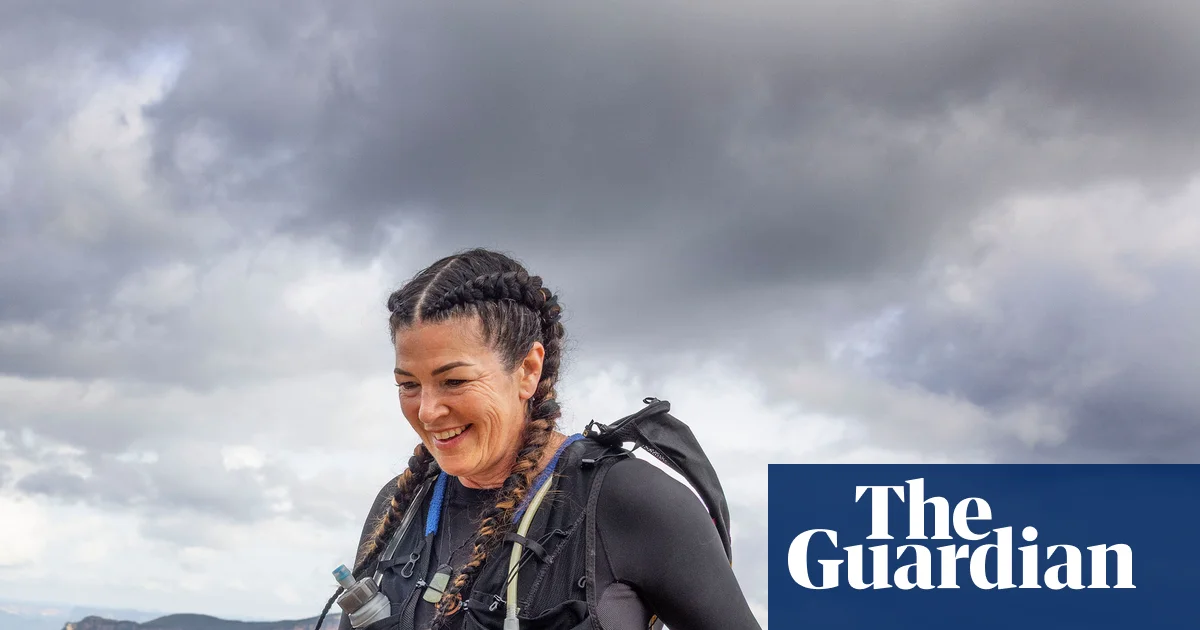
Somewhere before the finish line the body starts to break down, Joanne Walker says.“The pain starts in your feet but before long it moves up to your knees and eventually you feel like you just can’t move your legs any more.”
After 30 hours with no sleep, running alone through the cold darkness of the Megalong Valley, the brain can break as well.
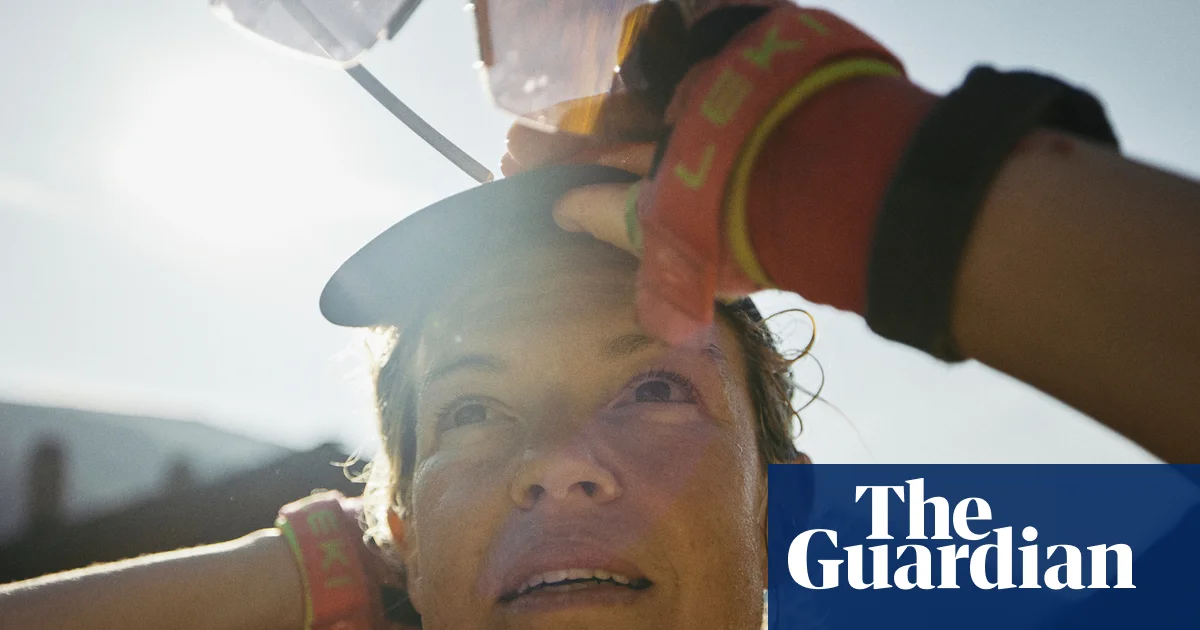
“At one point, I did not even know where I was going; I was swerving all over the shop,” she says.“But I told myself, no matter how much I am struggling, I promised myself I was going to have the best hair out of anyone on the trail.”Runners make their way through night-time rain on day two of ‘the miler’. Photograph: Krystle WrightWalker is one of more than 8,000 runners across five events who have descended on the Blue Mountains, west of Sydney, to take part in Ultra-Trail Australia, the largest trail running event in the country and one of the most infamously gruelling.Walker is running in what is colloquially known as “the miler”, short for 100 miles, covering more than 163km and climbing and descending more than 7,000 metres. It’s a test that pushes the body and mind well past their limits.“You start looking for a reason to quit,” Walker says. “One guy out there told me he hoped another runner might be close to death so he could render assistance and have an excuse to stop running.”Spectators and runners share the same thought: why would anyone choose so much suffering?Chasing the voidEvery runner has a different reason. No one thing pulls people to the starting line. But common themes emerge.Nothingness. Absence. Freedom.Many runners cite the words of Haruki Murakami, who wrote that he runs to “acquire a void”.“I think there is a really beautiful simplicity in that, everything just returns to absolute basics,” Walker says.In the lead-up to the race, she is nervous.A friend embraces Walker as she arrives at the Katoomba aquatic centre aid station after running for a day and night. Photograph: Jessica Hromas/The Guardian“You start looking at the course map, and the elevation profile, and you start to have impostor syndrome.”These thoughts can creep back in when you are so tired that putting one foot in front of the other becomes a herculean task. “You just think, no way – no way I can do this.”The race begins before dawn on Friday at Scenic World in Katoomba. By 11am on Saturday, she has been running for 30 hours.As her GPS watch buzzes, telling her she has just passed the 117km marker, the warm confines of an aid station – a checkpoint providing water and food – awaits.Ben puts eye drops into his mother’s eyes. Photograph: Jessica Hromas/The GuardianHer partner, Cam Pond, and her children, Ben, 14, and Sidney, 11, have flown over with her from New Zealand to provide the material and moral support required to take on such an extreme distance.