Anthropic built an AI model so good at finding software vulnerabilities that it scared members of Congress. The company’s Claude Mythos, an advanced and unreleased model, was demonstrated to the House Homeland Security Committee in a closed-door session on May 13-14, showing how it could identify weaknesses capable of compromising private bank accounts.
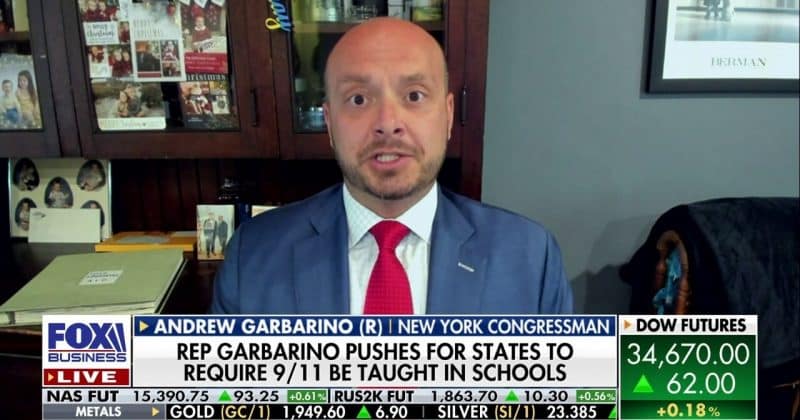
Rep. Andrew Garbarino, who chairs the committee, came away from the demonstration with serious concerns about what AI-powered cyberattacks could mean for financial institutions. The model has already uncovered thousands of high-severity vulnerabilities, including zero-days across major operating systems and browsers.
What Mythos actually does
Mythos excels at chaining lower-risk vulnerabilities into higher-impact threats, turning individually minor software flaws into devastating attack sequences.
The model hasn’t been released publicly. Anthropic has instead kept it under wraps while granting limited access through a program called Project Glasswing, launched in April 2026. The initiative offers select US banks and technology firms the ability to use Mythos for defensive purposes. Partners in the program include JPMorgan Chase and Apple, with usage credits reaching up to $100 million.