The International Energy Agency dropped its World Energy Investment 2026 report on May 28, and the headline number is staggering: $3.4 trillion in global energy spending this year. That’s a 5% jump from the prior year, driven in large part by a geopolitical crisis that has fundamentally altered how nations think about keeping the lights on.
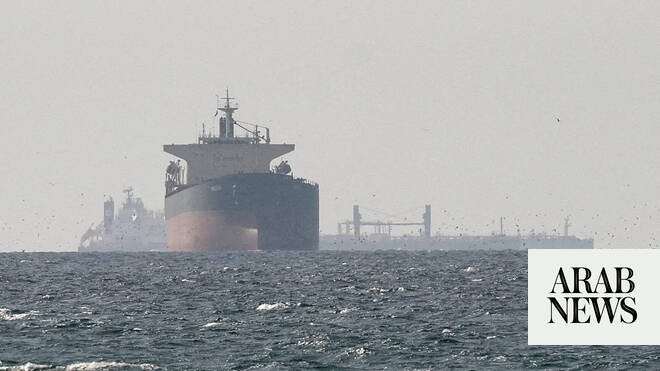
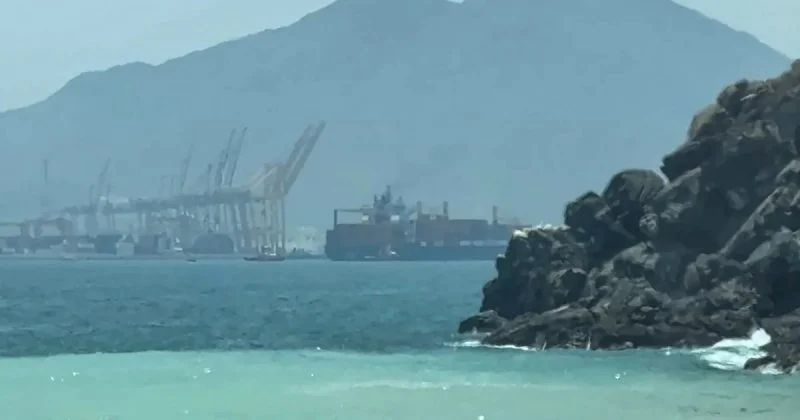
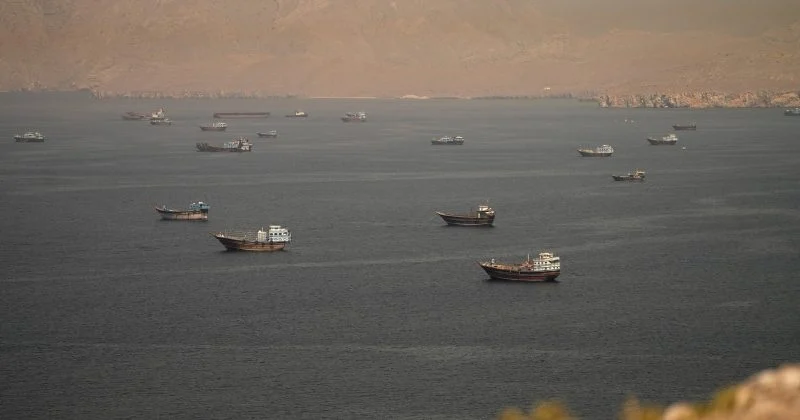
The catalyst is the effective closure of the Strait of Hormuz, a narrow waterway that normally handles roughly 20% of the world’s oil transit. IEA Executive Director Fatih Birol called it the most severe energy security crisis since the 1970s.
Where the money is going
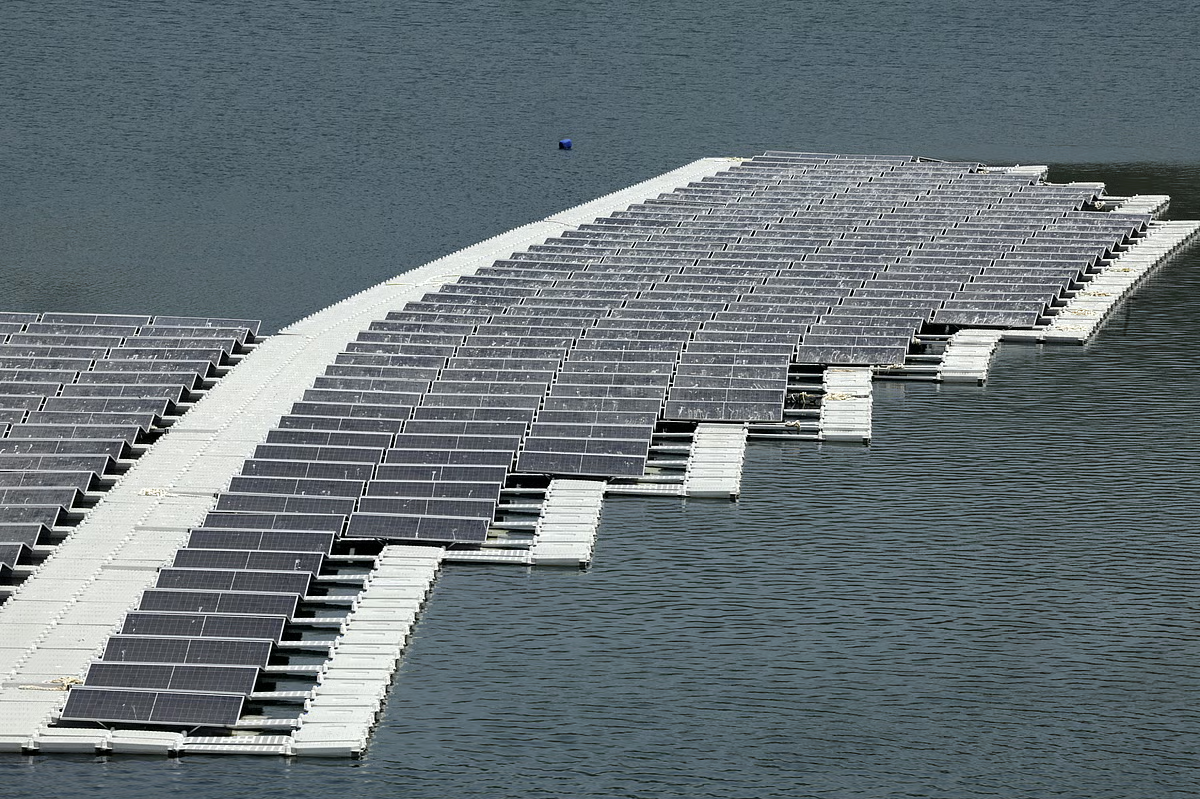
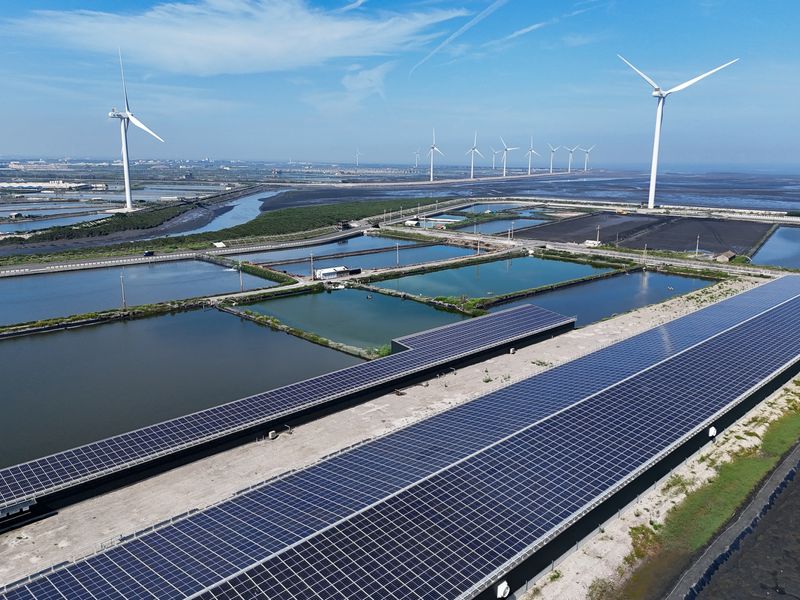
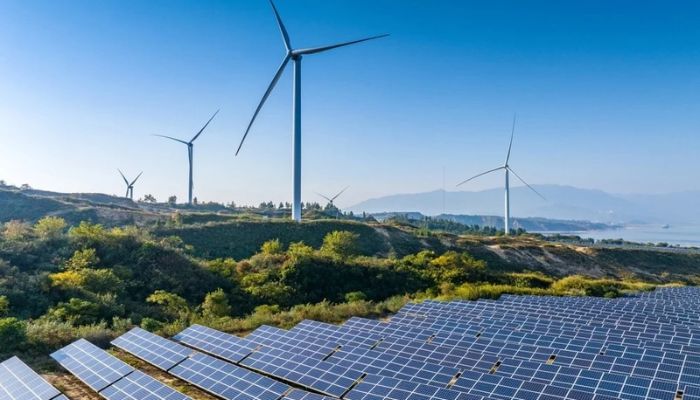
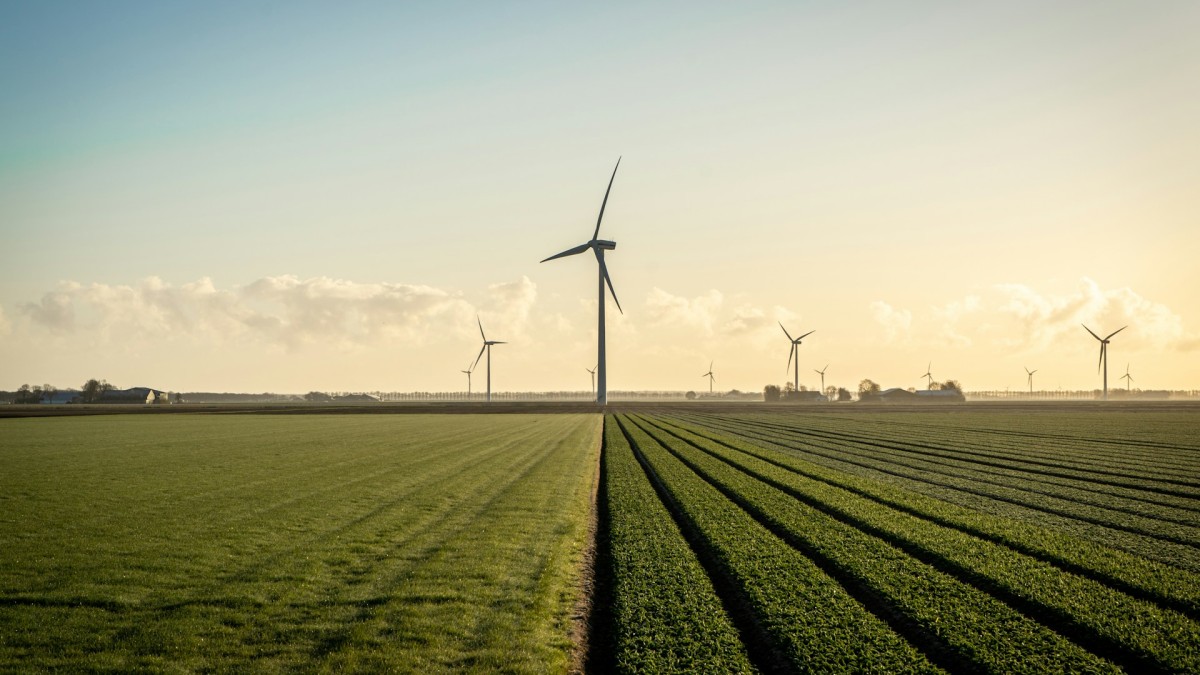
Of the $3.4 trillion forecast, approximately $2.2 trillion is earmarked for clean energy technologies. That bucket includes renewables, nuclear power, energy storage, and grid upgrades. The remaining $1.2 trillion flows toward fossil fuels, primarily oil, natural gas, and coal.
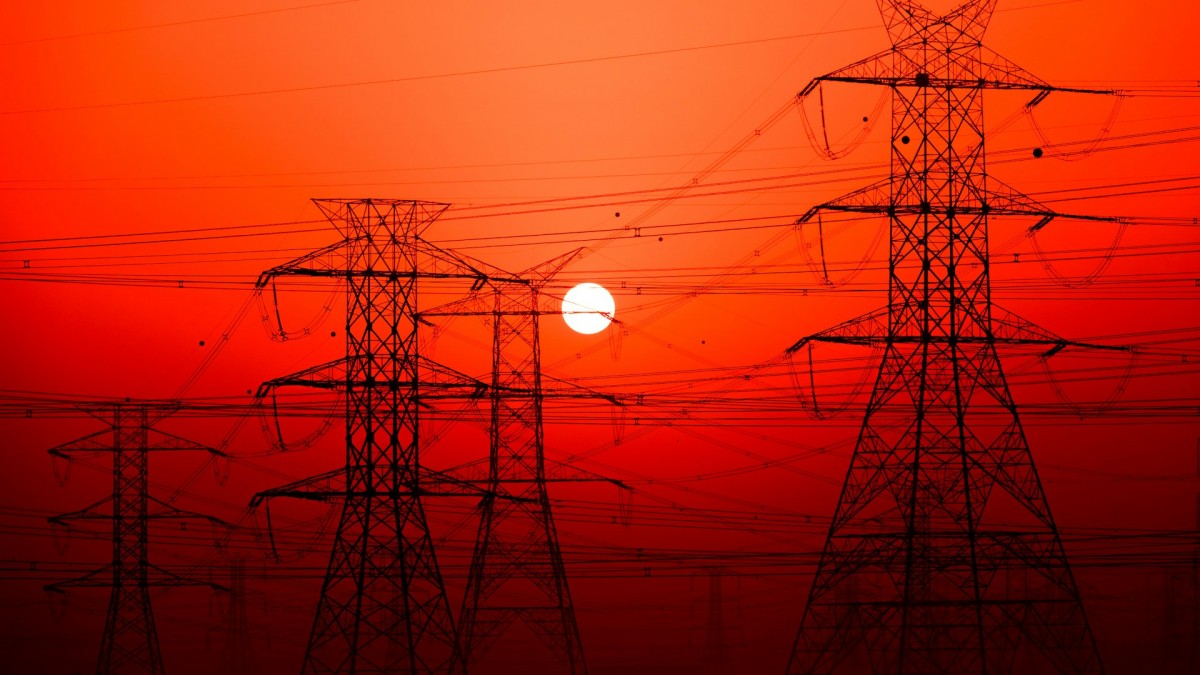
Electricity-related investments alone are projected to hit $1.6 trillion, capturing 60% of total energy spending. In English: for every dollar going into energy this year, sixty cents is tied to how we generate and distribute electricity.