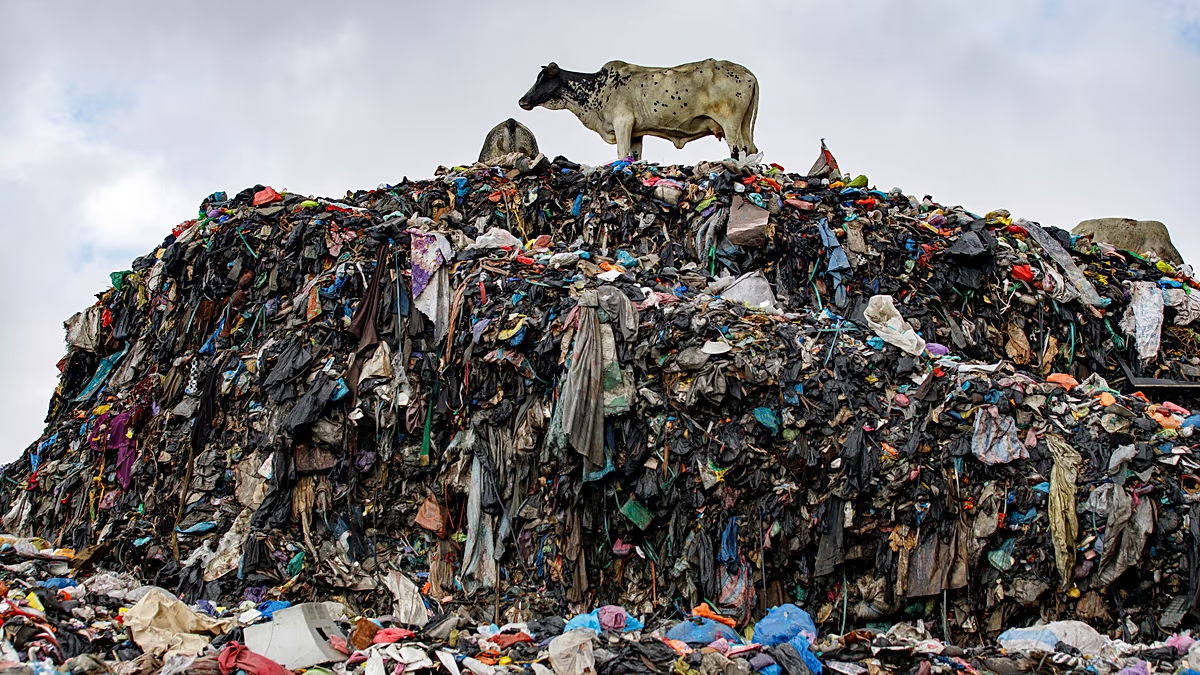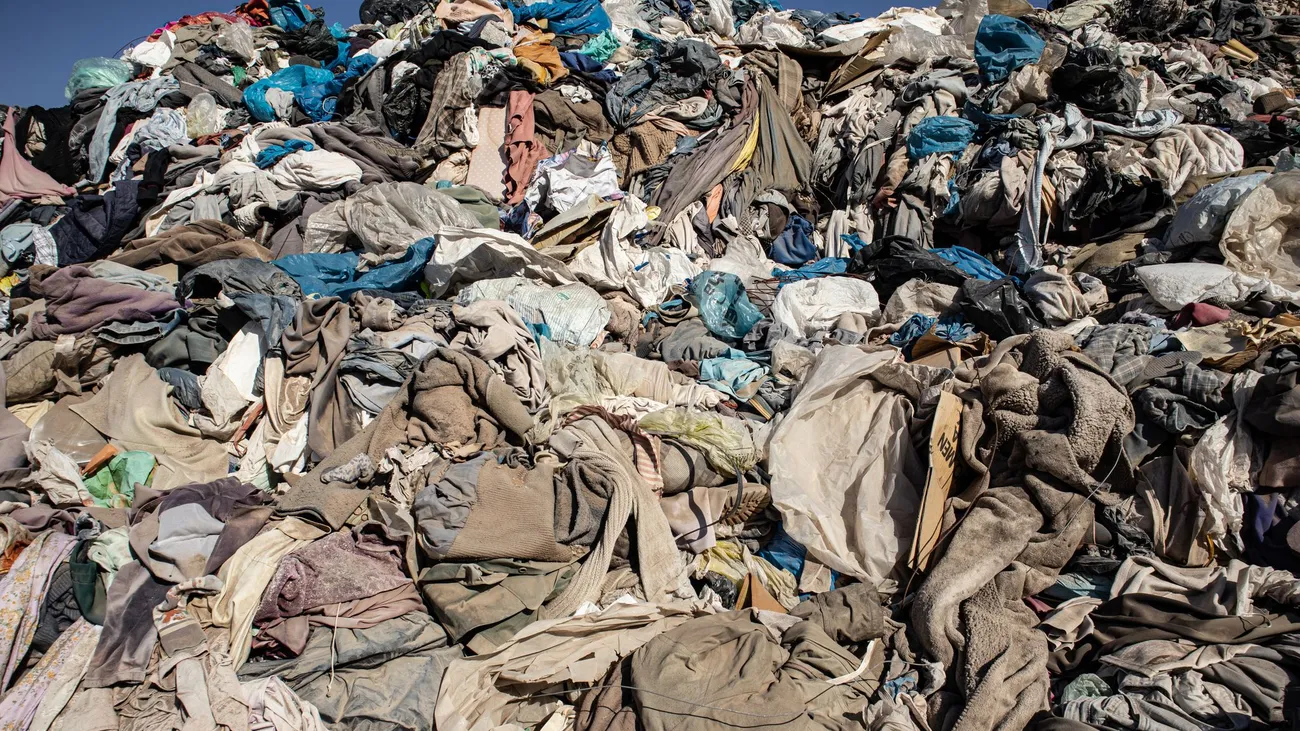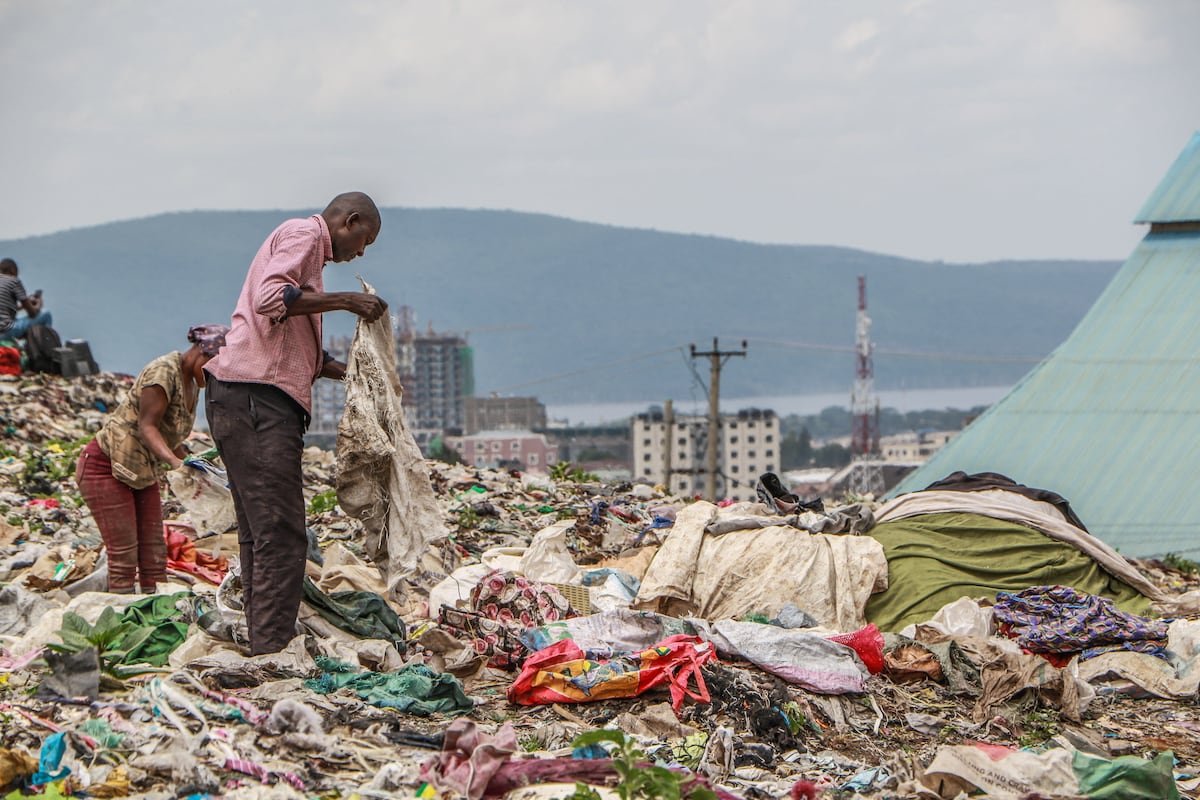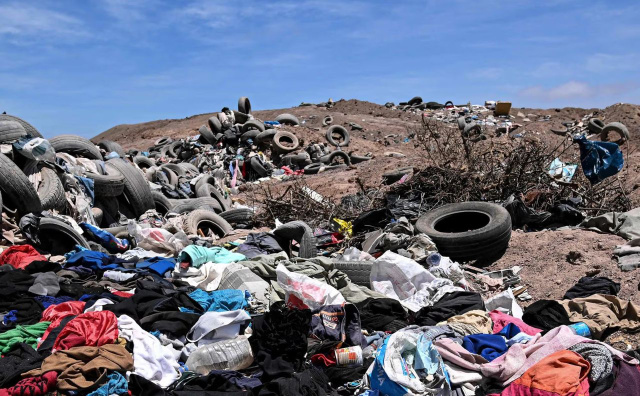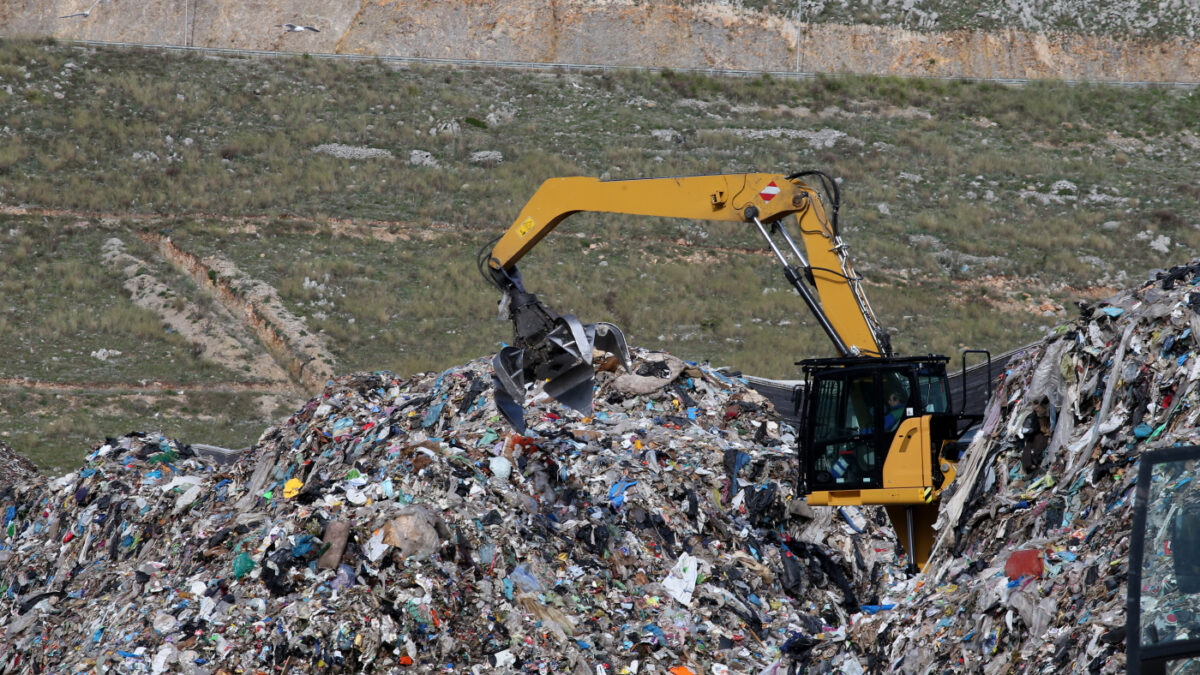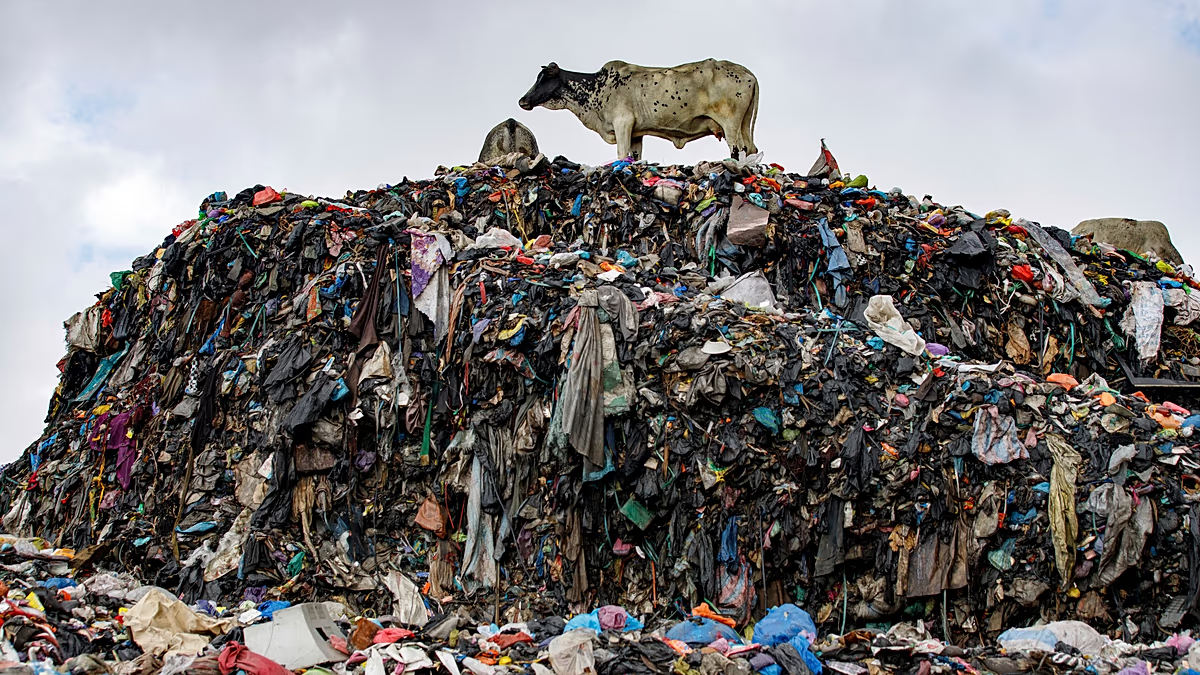
European anti-fraud investigators have helped uncover a large-scale scheme that illegally exported 4,200 tonnes of textile waste from Italy to Turkey, exposing what authorities describe as a profitable operation designed to evade environmental laws and recycling costs.
The investigation, led by the European Anti-Fraud Office (OLAF) in cooperation with Italy's Carabinieri and Turkish customs authorities, focused on textile waste containing high levels of acrylic fibres.
Because these synthetic materials persist in the environment for up to 200 years and require more sophisticated recycling processes, they are subject to strict and costly disposal rules.
Investigators found that shipments had allegedly been mislabelled to avoid those requirements.
"Schemes such as this one that offer ways to illegally avoid the cost of recycling certain kinds of textile waste or complying with environmental rules are an opportunity for organised networks to make illegal gains," said OLAF's director general Petr Klement.