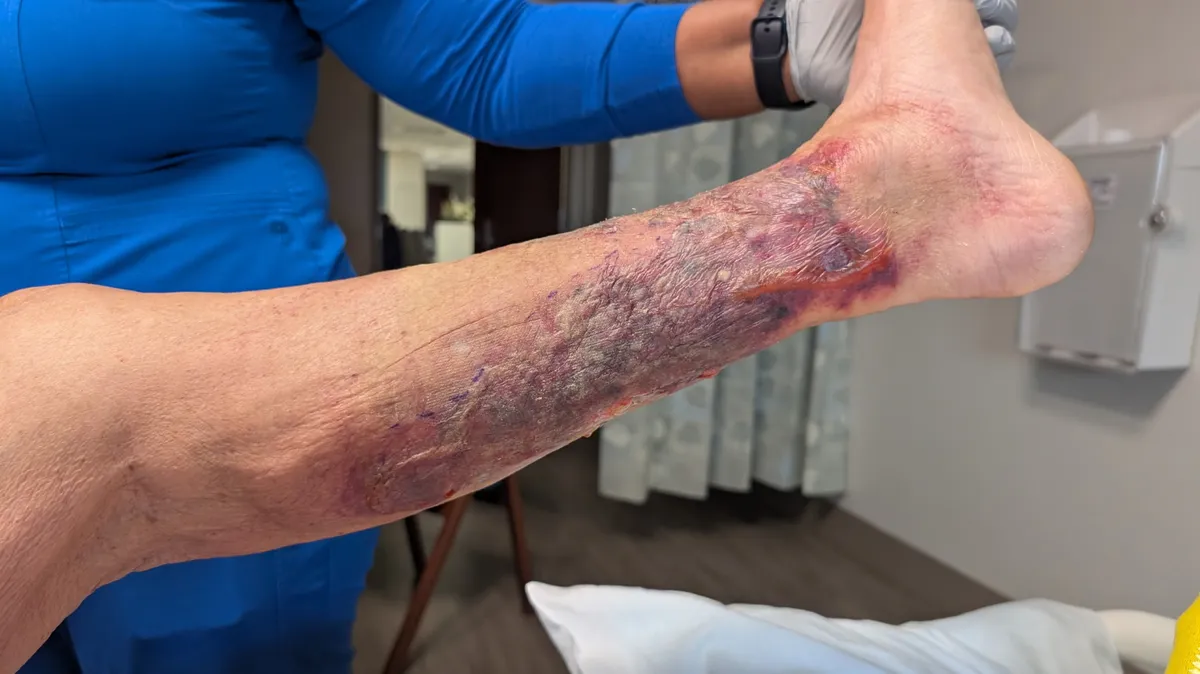
Calling it "flesh-eating bacteria" is technically inaccurate, but the nickname helps to describe what it does: it destroys tissue so quickly that limbs have to be amputated within hours.
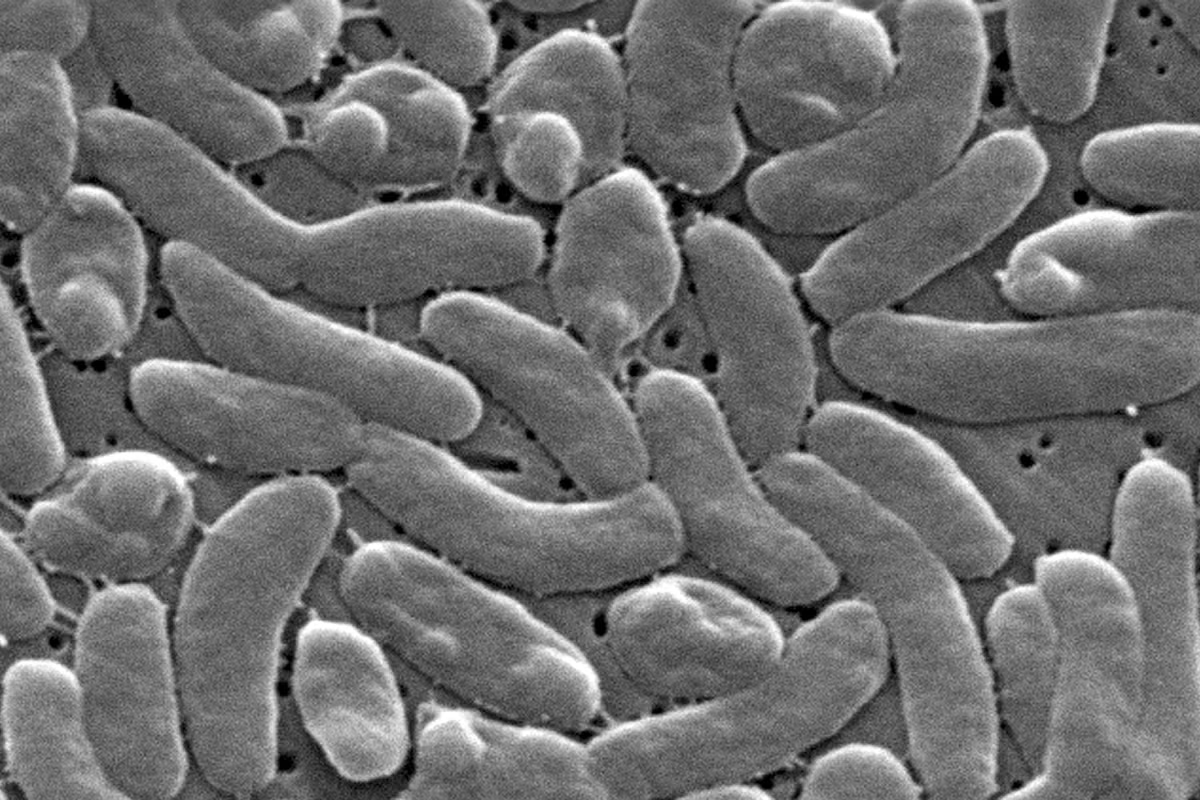
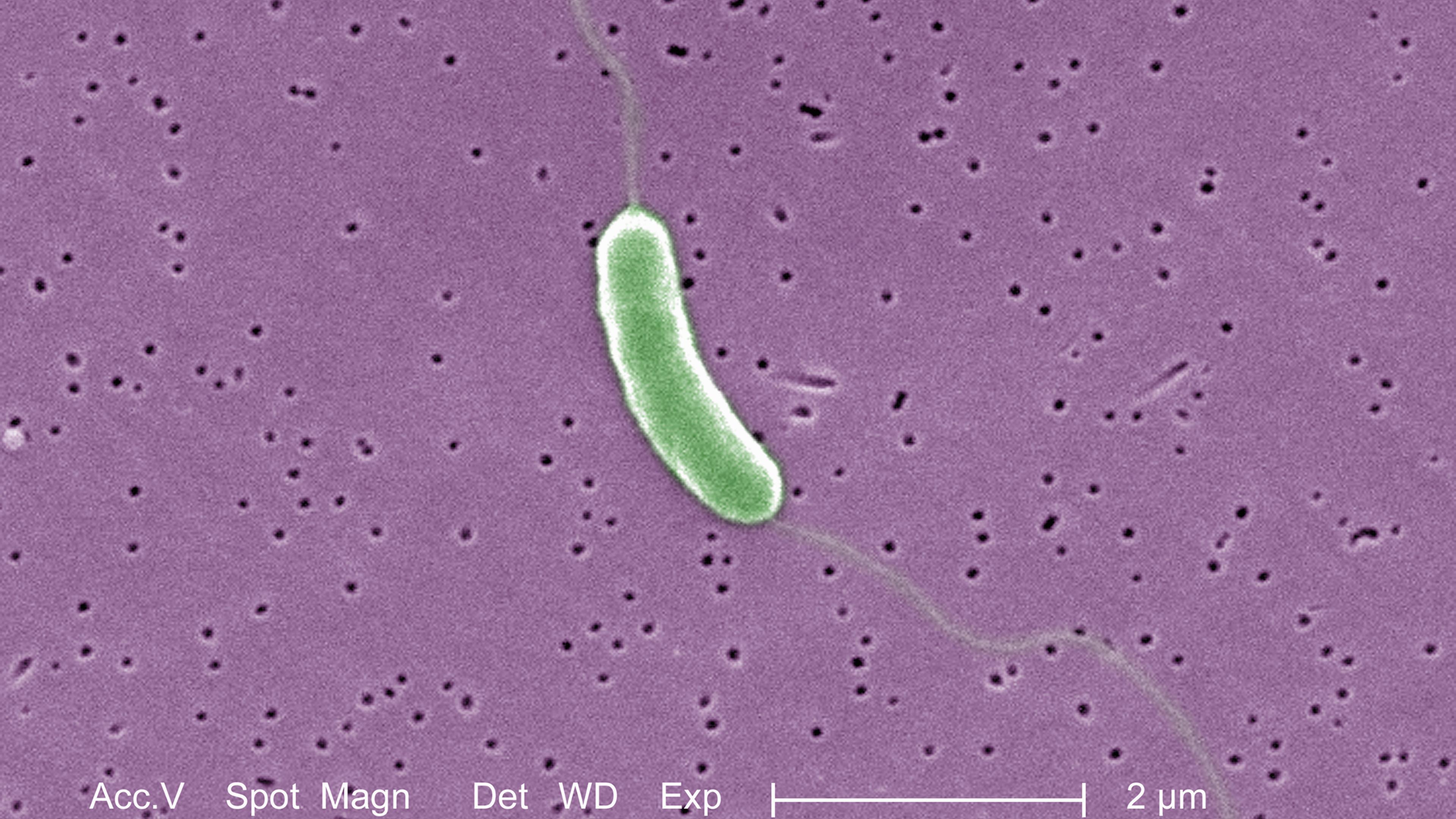
The popular term in fact brings together several bacterial species capable of causing necrotising fasciitis, the progressive death of muscle and skin tissue. The two most closely monitored today are Vibrio vulnificus, a marine organism, and group A Streptococcus pyogenes, which is transmitted between people.
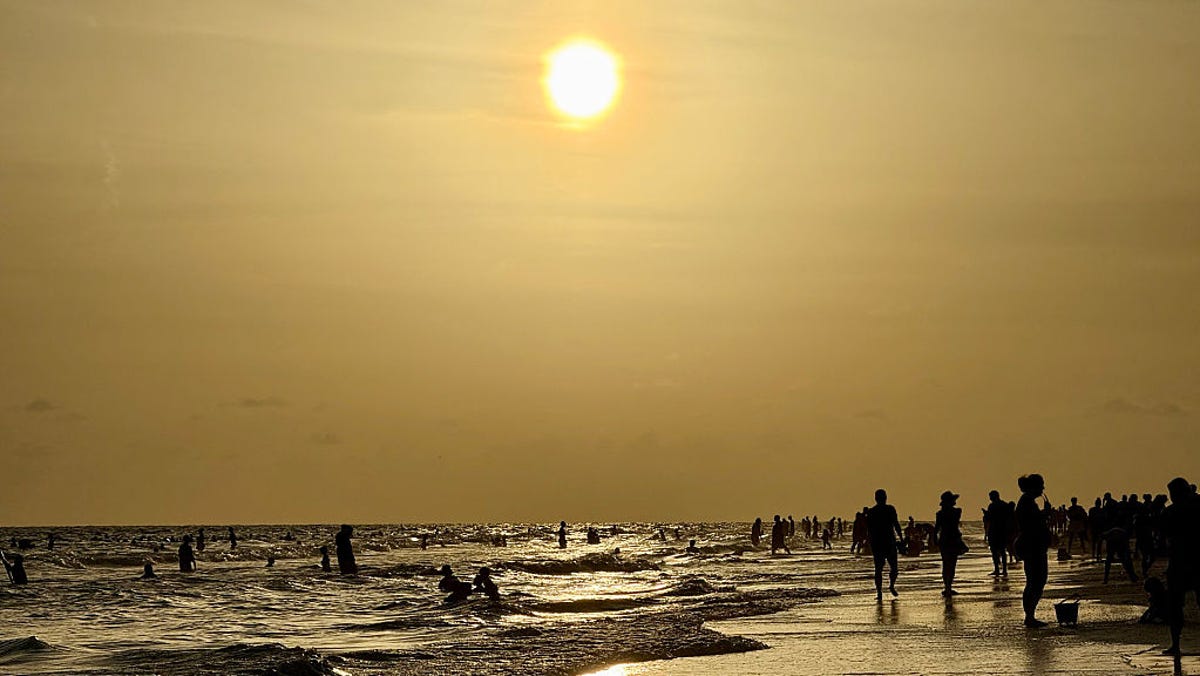
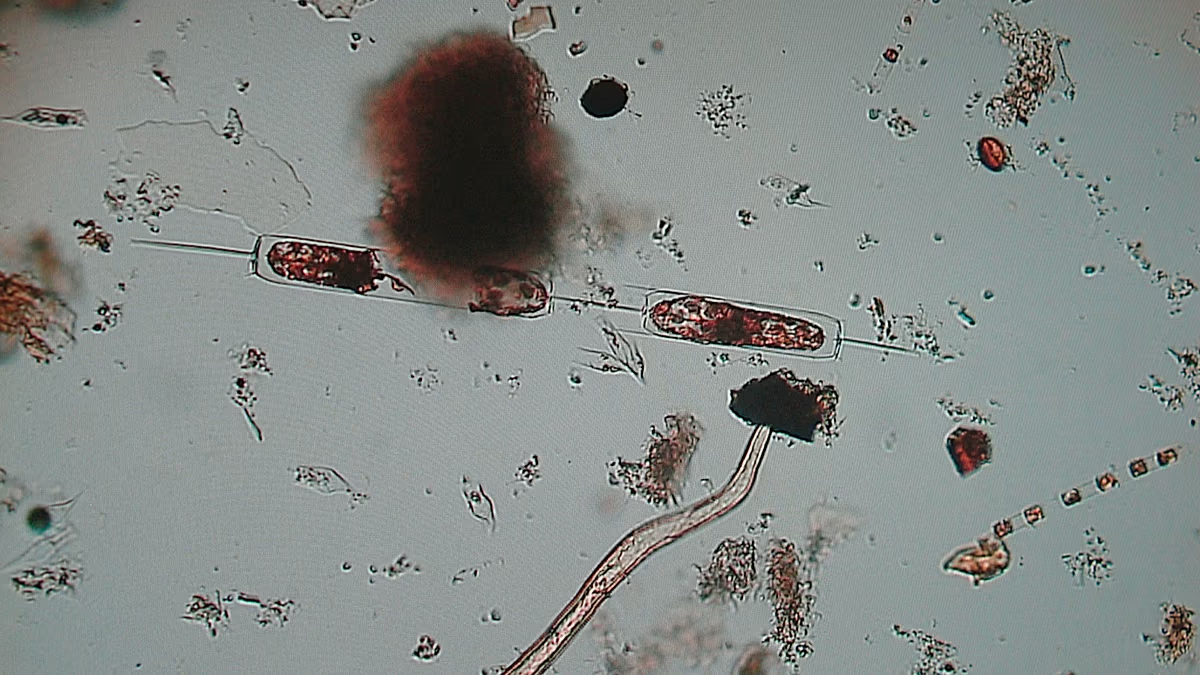
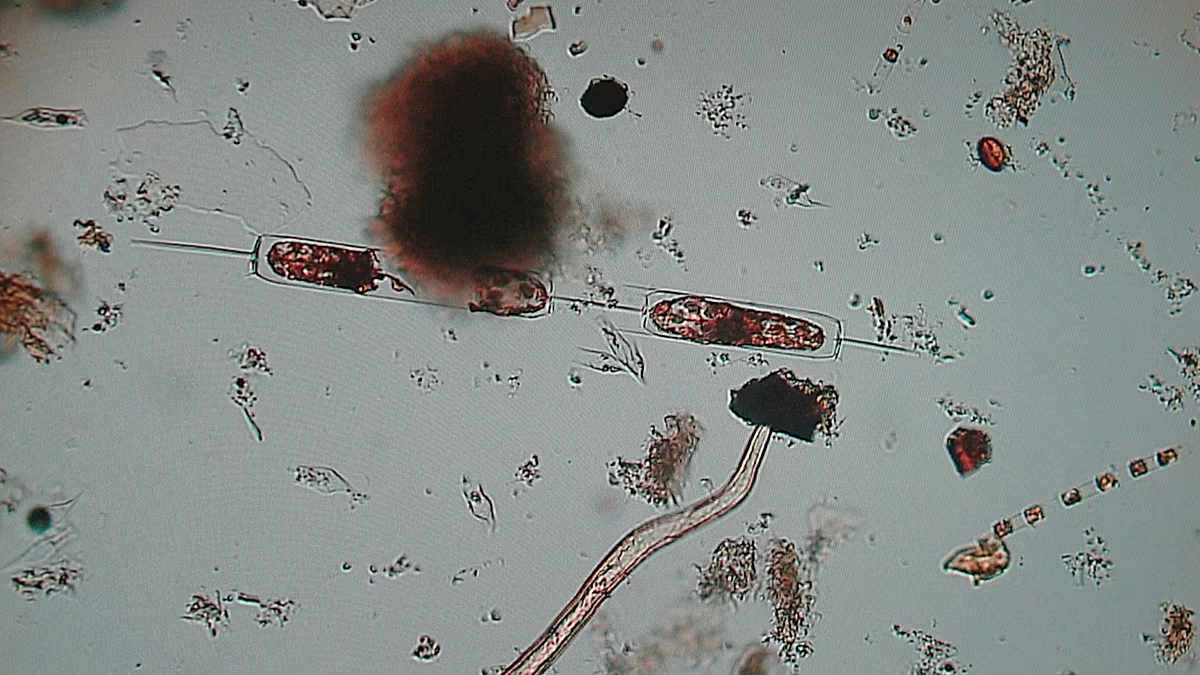
Vibrio lives in warm, brackish waters, where rivers flow into the sea, and reaches humans through two routes: contact between an open wound and contaminated water, or, more likely, eating raw shellfish, especially oysters or prawns.
In healthy people, the infection usually causes only gastrointestinal symptoms. The problem arises in vulnerable groups: patients with liver disease, people with weakened immune systems, diabetics or older people. In their case, the bacteria can trigger sepsis and necrosis in a matter of hours. According to the United States Centers for Disease Control and Prevention (CDC), one in five patients with severe infection dies within a few days.
Streptococcus pyogenes has a different biology. It is spread through the respiratory route or via skin wounds, not through seawater. In its most dangerous form it causes streptococcal toxic shock syndrome (STSS), with a mortality rate of around 30%.