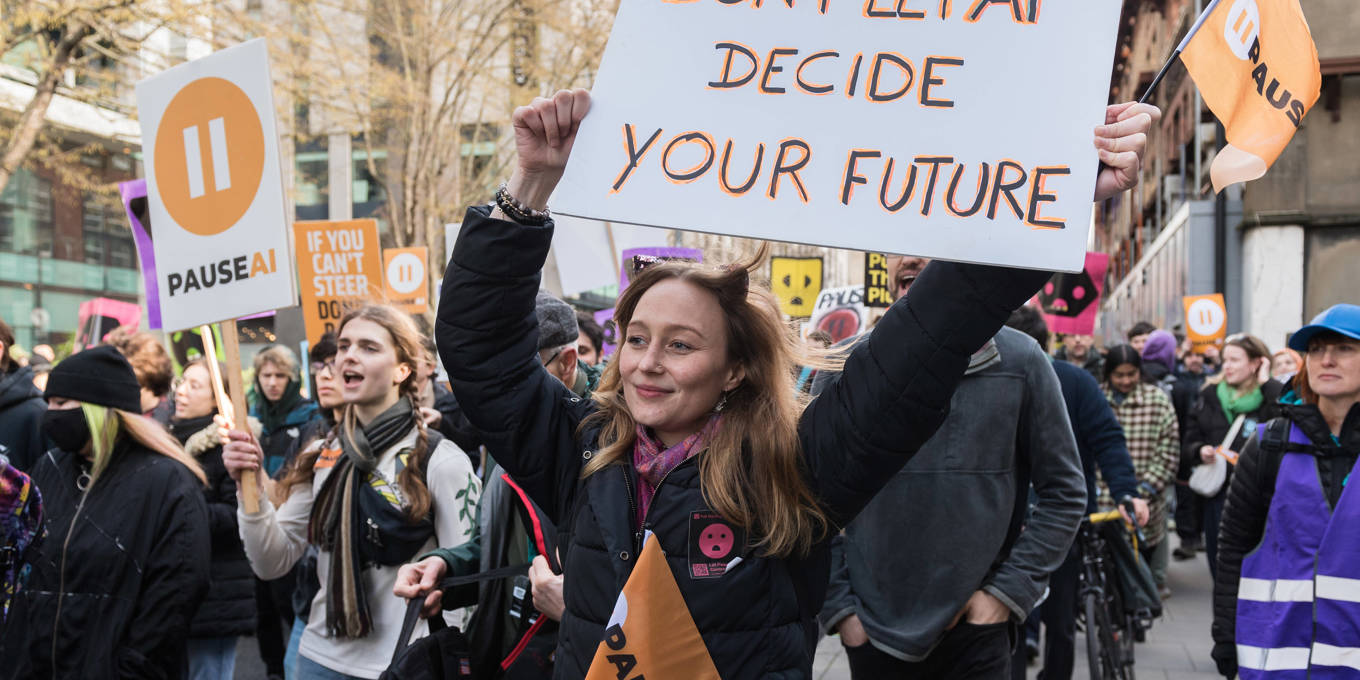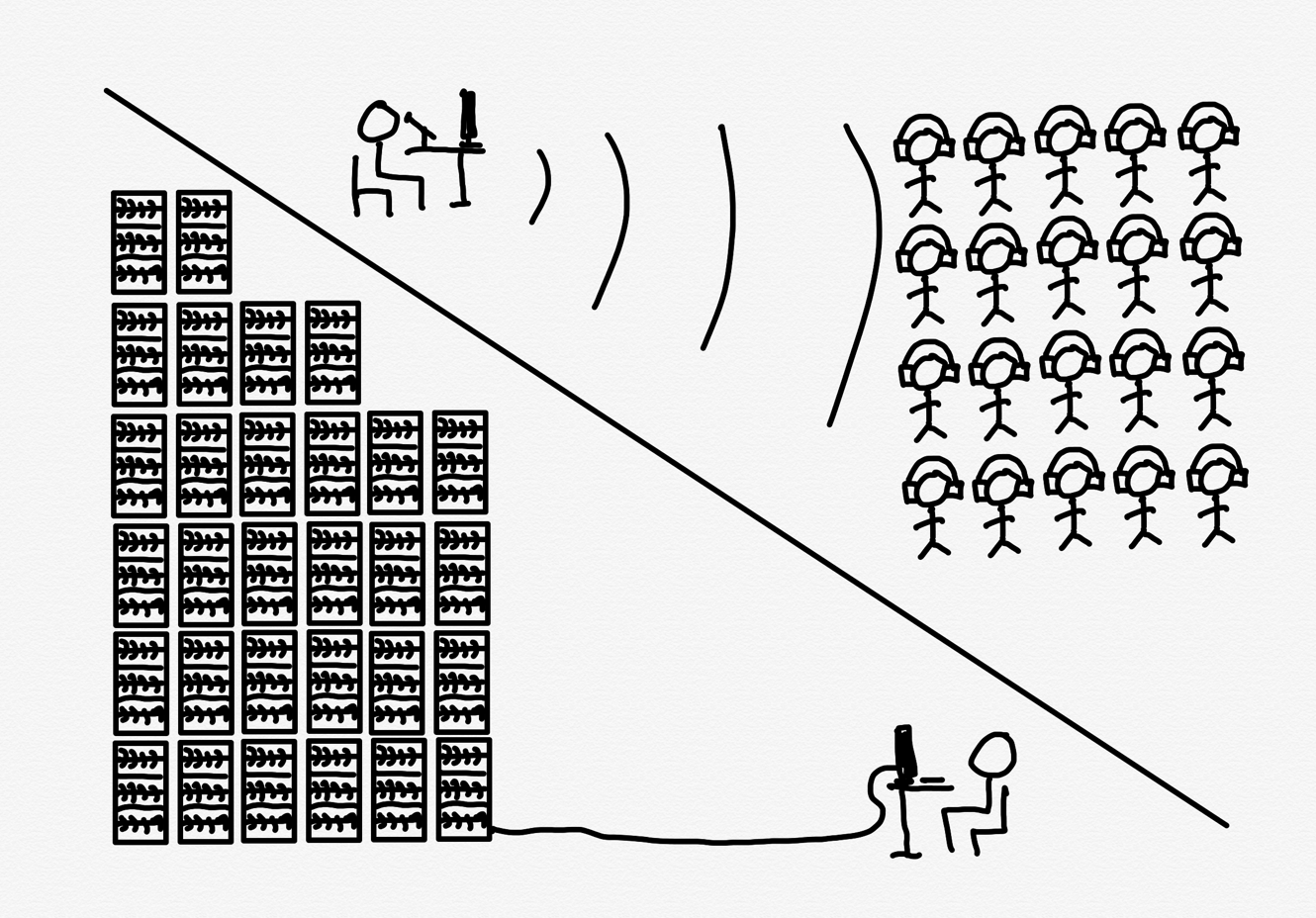
Sir Tony Blair, the former prime minister of the U.K., has argued that the AI revolution is as consequential as the industrial revolution. Odd then, that many seem satisfied with merely keeping “humans in the loop” at such a moment of change. In the 19th century, few would have asked the steam engines where they would like to deploy themselves.
AI is a tool. It can enhance and amplify human endeavor; make connections and sift data that the brain cannot; and assess statistical probability at scale. At some stage in the future, “general intelligence” will make a better stab at invention, creating new products and operational methods that are unimaginable today. In science, health, and engineering, the possibilities are boundless and exciting. Generative partnerships between people and technology will be the new normal.
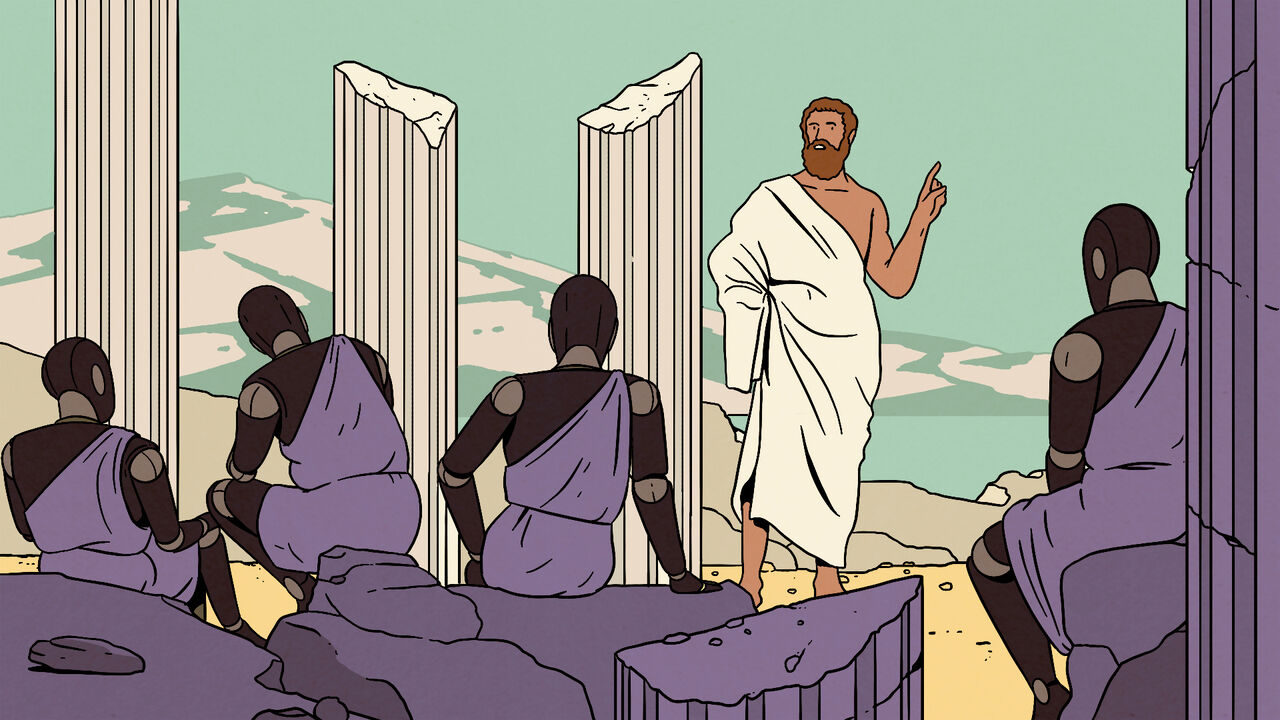
Humans will need to be more than “in the loop”; they must be “in the lead”. Morality, intuition, compassion and emotion are uniquely human qualities. In an era when innovation cycles are being compressed, judgment will become an increasingly important skill. When AI enables people to create more things, deciding what to do becomes the most important question.
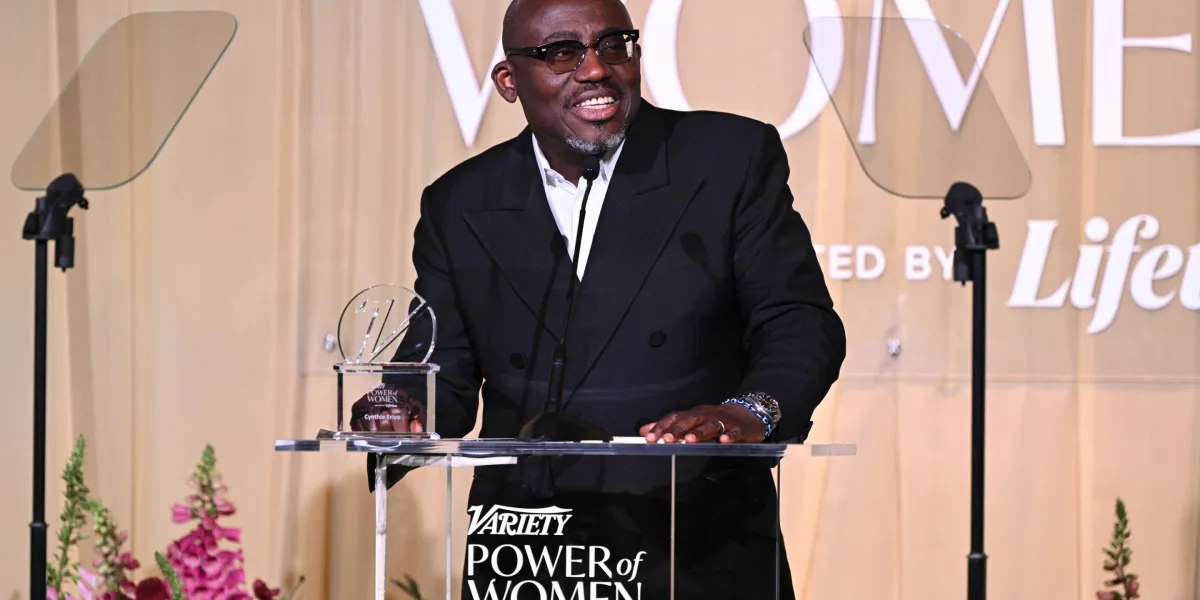
No AI bot, however fantastical its powers, could have invented Edward Enninful. As the first Black editor-in-chief of British Vogue, he promoted diversity within the pages of the fashion magazine and made history when he featured nine models of African heritage on its cover in February 2022. At 18, he became the youngest ever fashion editor of an international publication, i-D magazine. Rihanna and Kate Moss are creative soulmates.