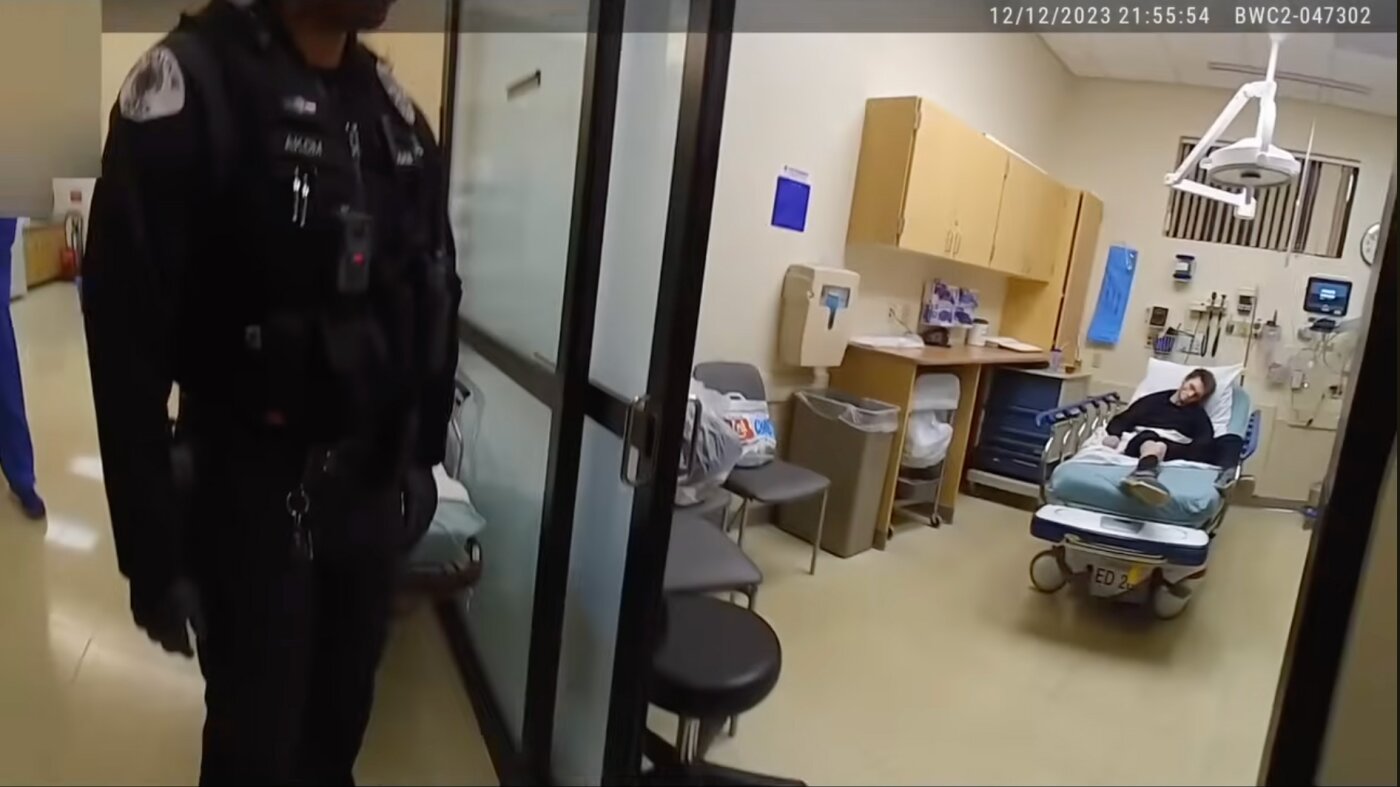
When Lillian was booked into a rural Pennsylvania jail, she couldn’t stop vomiting. As she showered and changed into her jail uniform, “brain zaps” kept destabilizing her. “The corrections officer watching me kept having to grab me steady or I would have dropped and hit the floor,” Lillian recalled.
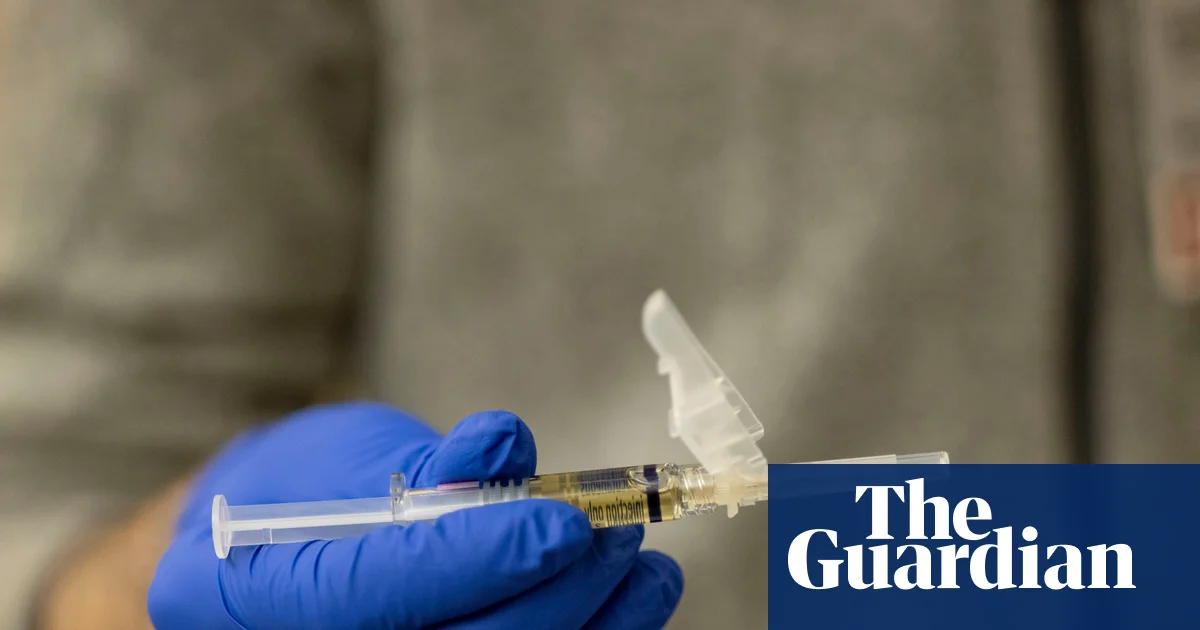
She was withdrawing from fentanyl laced with medetomidine, a powerful tranquilizer that started to spread as an adulterant in the illicit opioid supply two years ago. Medetomidine causes excruciating, complicated withdrawal symptoms, often within hours of someone’s last dose, and many institutions are ill-prepared to treat them. The treatment gap is especially acute in carceral settings.
Lillian was facing a withdrawal syndrome that can include life-threatening stroke and heart attacks. She said she only received ibuprofen and Pepto-Bismol. “It was hell,” said Lillian, who asked to use a pseudonym because of stigma in her community over drug use. “I’m genuinely amazed I didn’t die.”
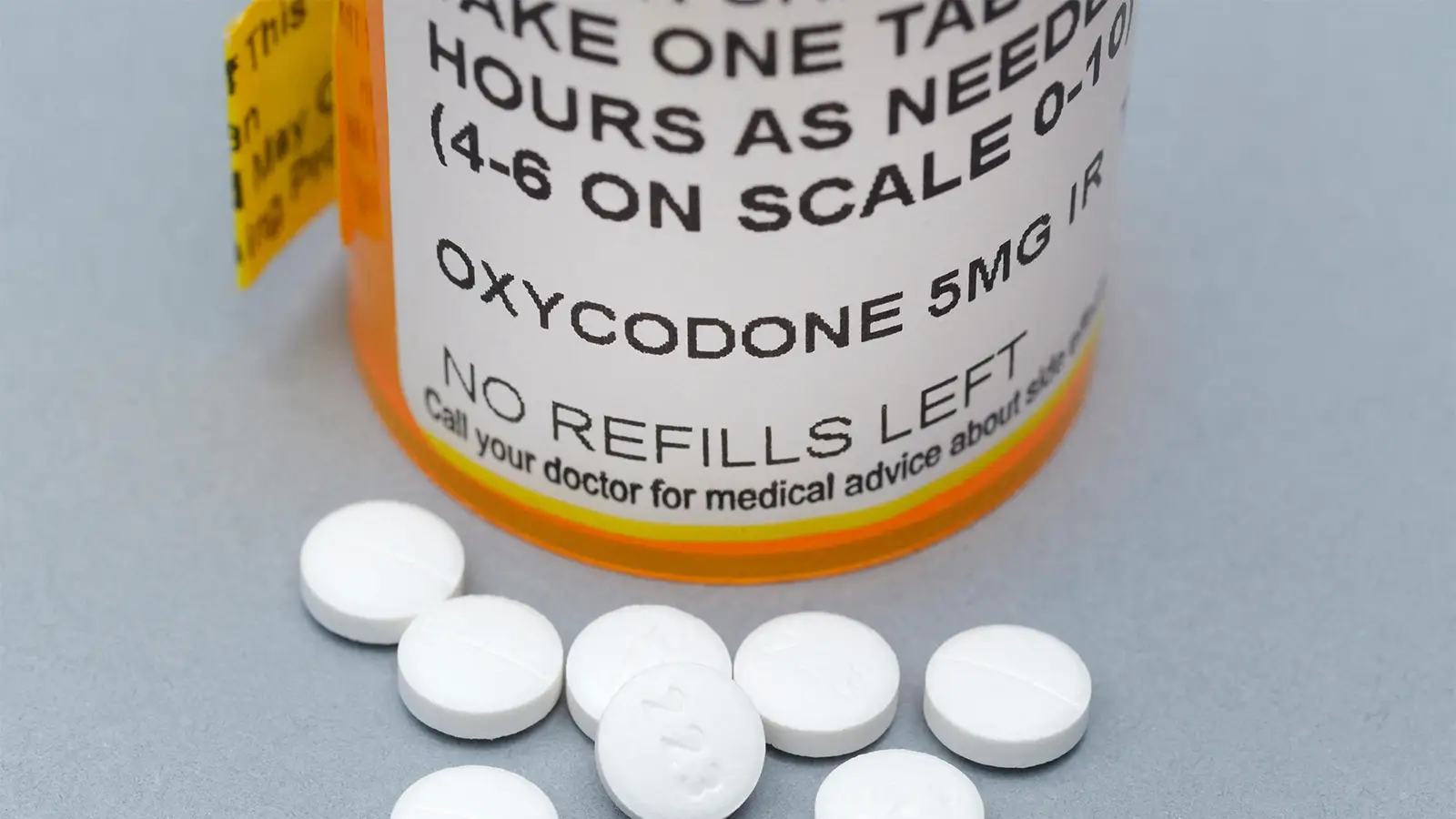
Jails already have a spotty record safeguarding prisoners who go into withdrawal upon incarceration because they’ve suddenly lost access to opioids or other drugs they were using. Strained resources, understaffing, and lack of protocols and transparency all mean that deaths related to opioid withdrawal have surfaced in lawsuits across the country. These deaths are preventable; there are multiple effective, Food and Drug Administration-approved medications for opioid withdrawal.