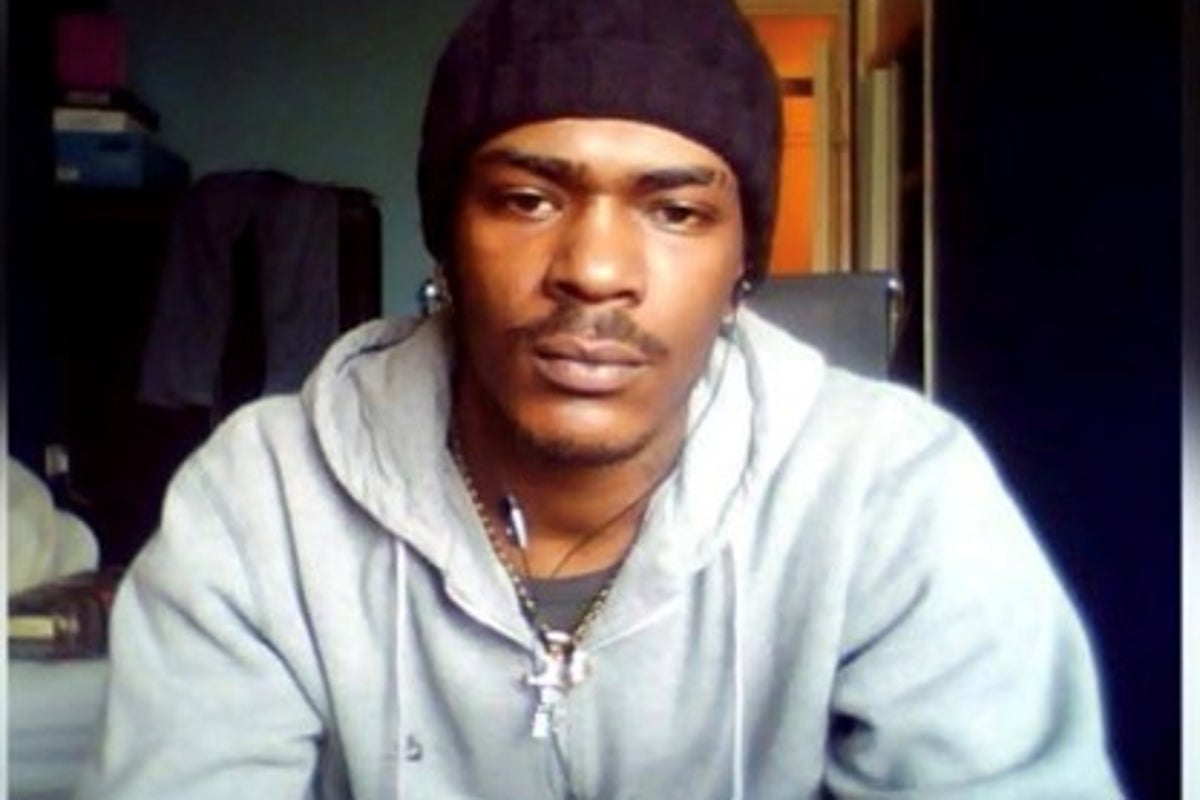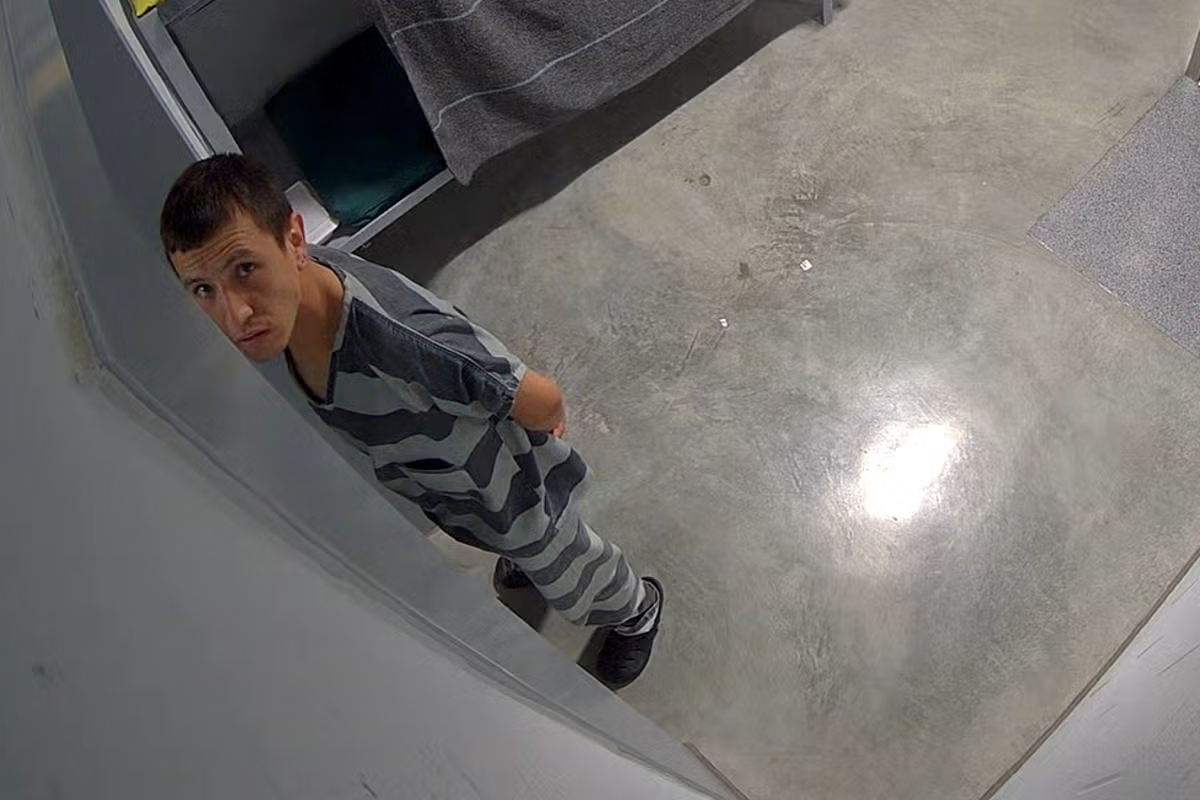
Locked in a segregation cell at a county jail in Oklahoma, Terral Ellis Jr. begged for his inhaler, his voice raspy and desperate.
“I think I’m dying,” the 26-year-old father pleaded through the door.
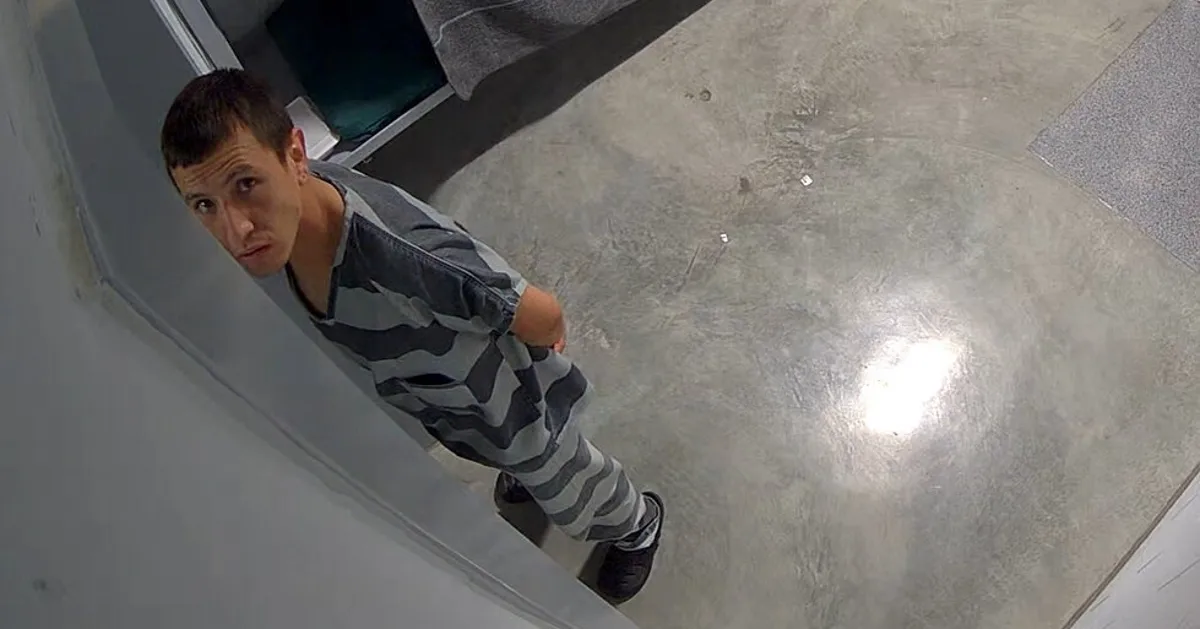
Surveillance camera footage shows the jail nurse sauntered over to his cell, clearly exasperated. “There ain’t a damn thing f------ wrong with you,” she snapped, before slamming the door shut. A nearby inmate cracked a joke about the “boy who cried wolf.”
By the time paramedics arrived hours later, Ellis was barely conscious. He died that day from septic shock brought on by pneumonia – an infection he could have survived, if treated earlier.
Ellis’ story repeats itself hundreds of times each year in jails and prisons scattered from coast to coast. Arrests for infractions as minor as trespassing or a missed probation meeting turn into death sentences when correctional facilities delay or deny medical care that inmates need. Grieving families then sue for millions, often leaving taxpayers to foot the bill.