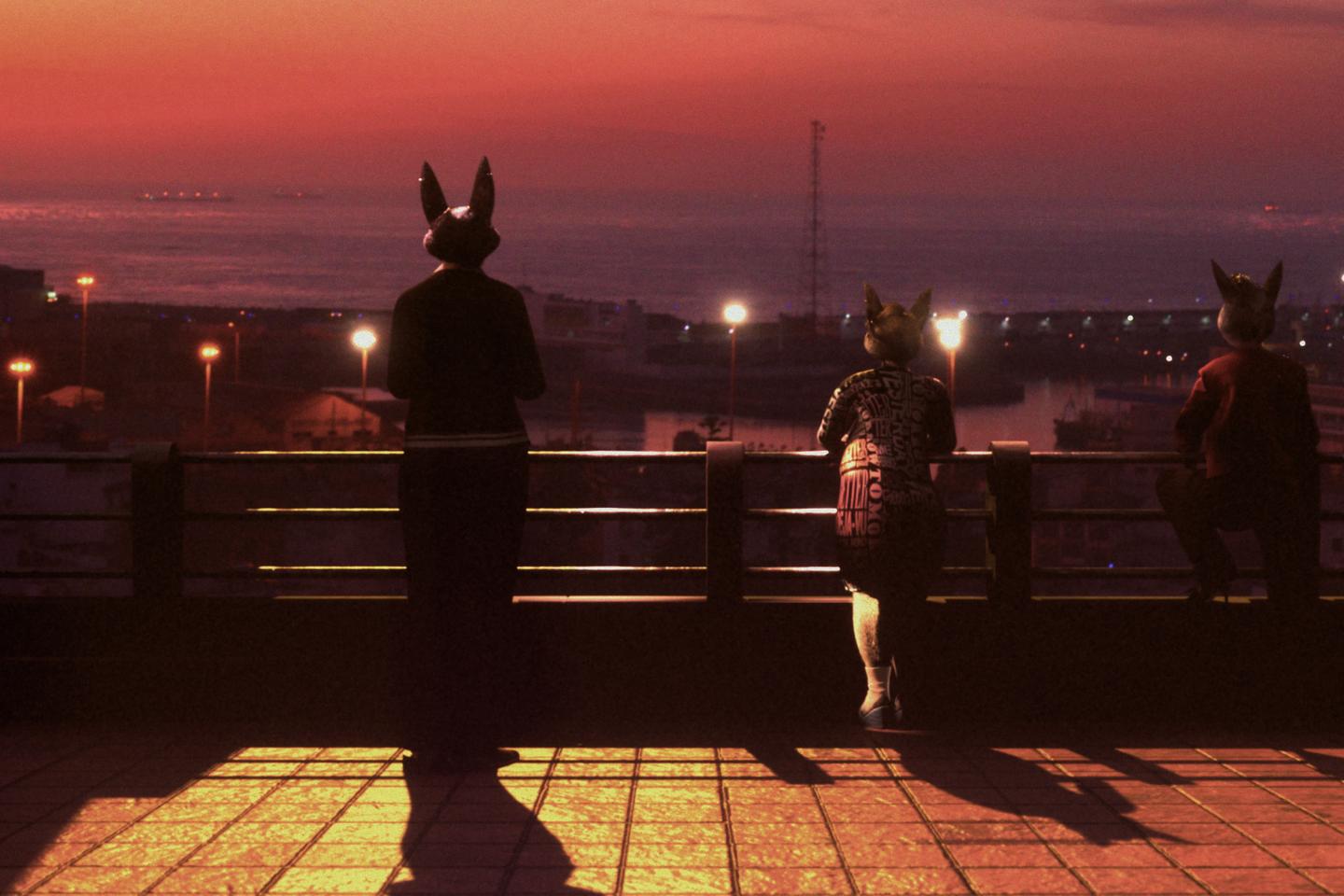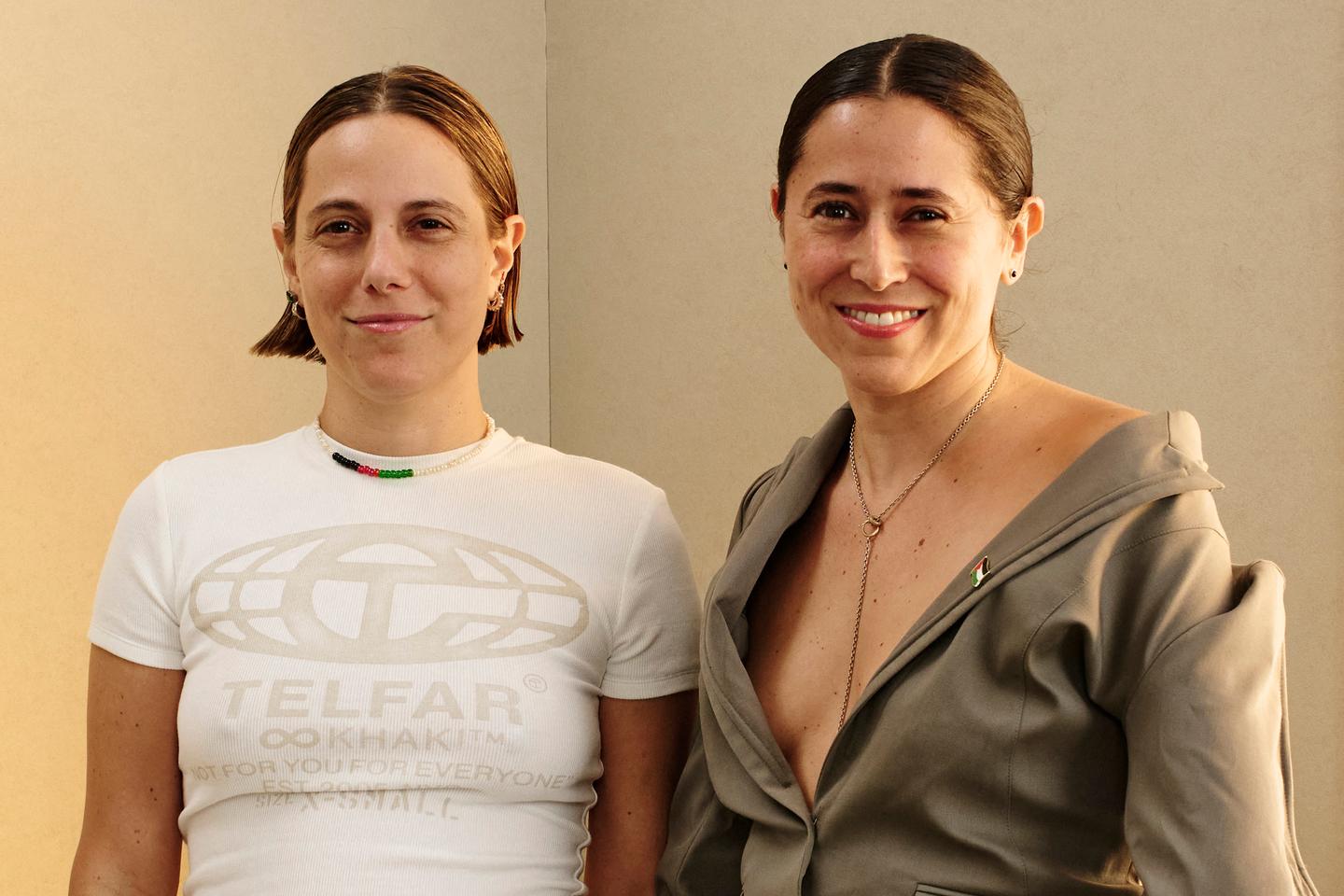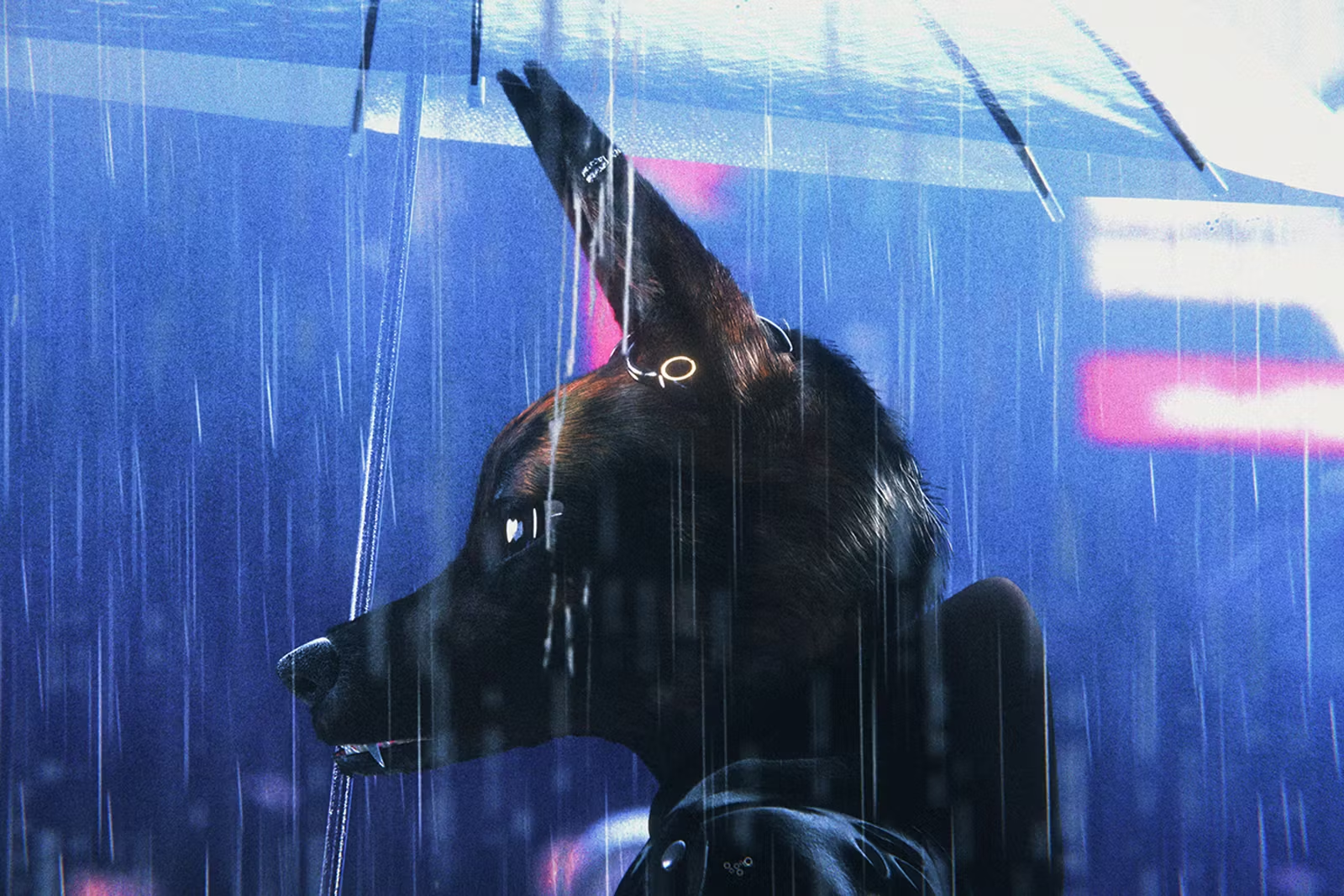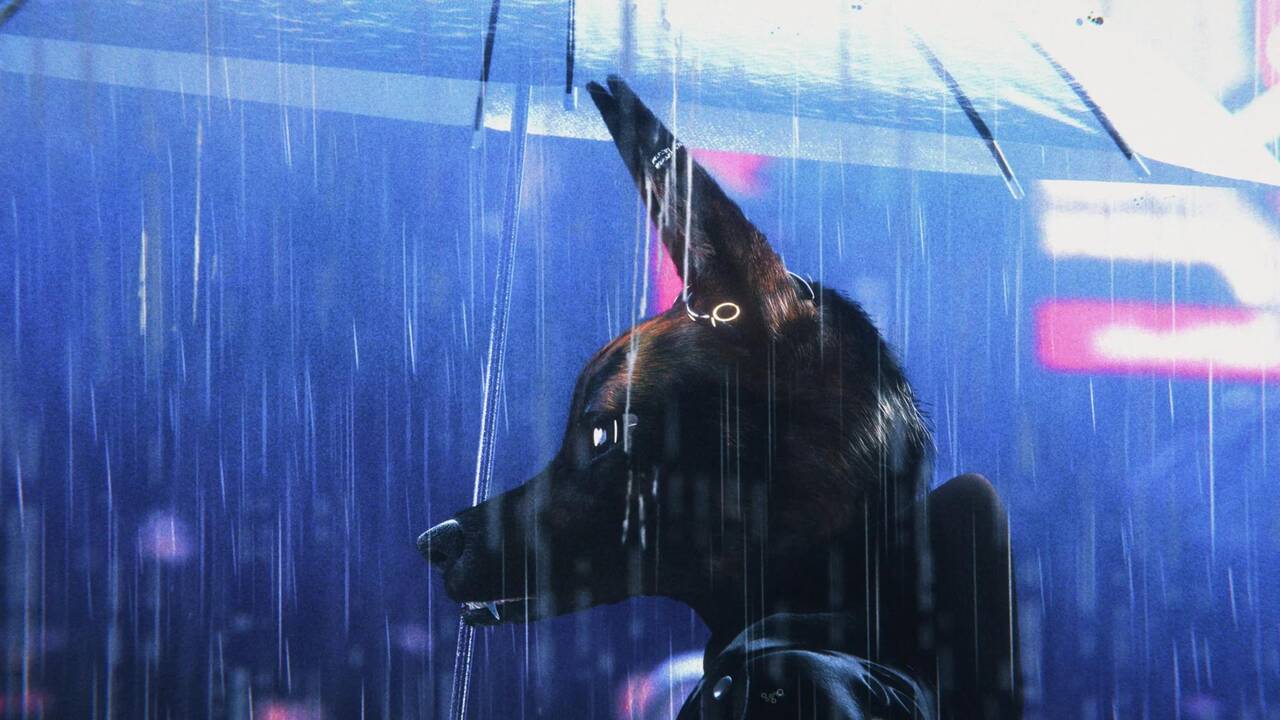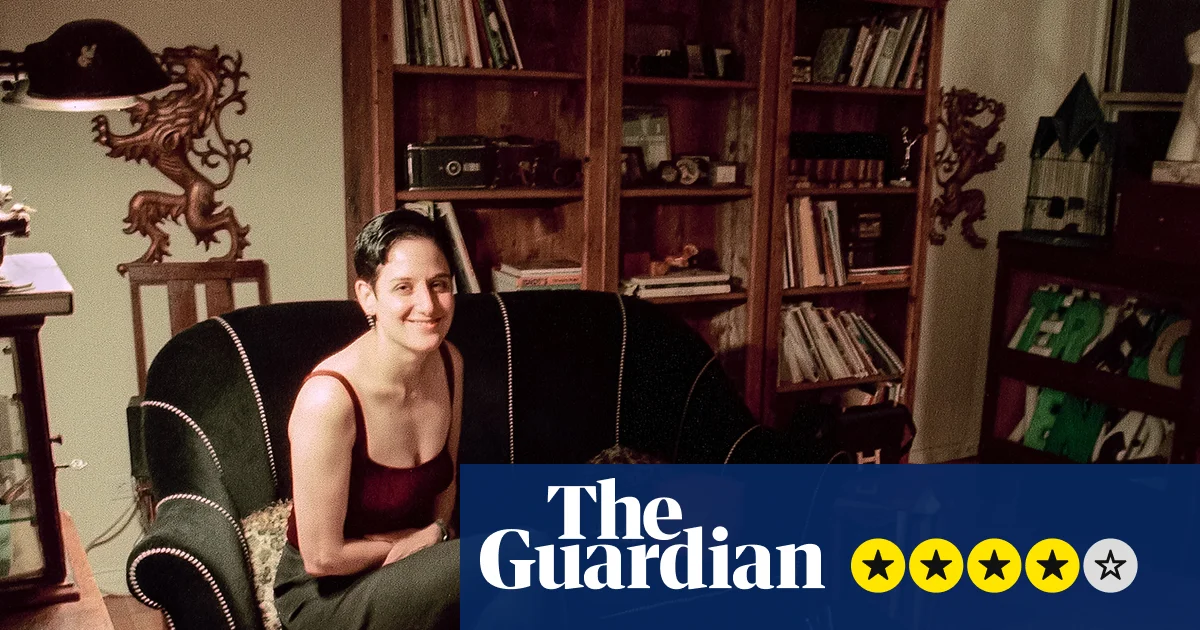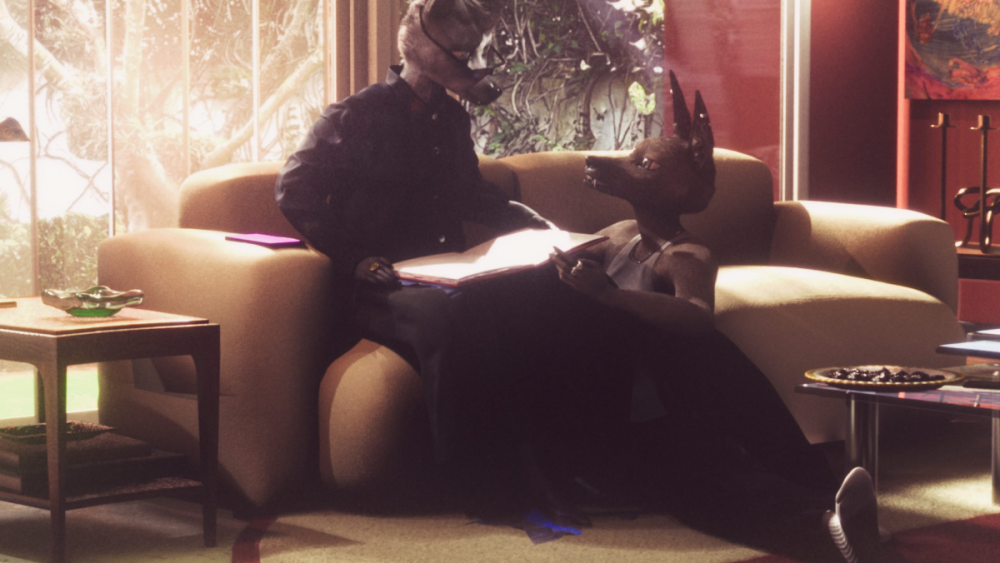
In “Bouchra,” directors Merriam Bennani and Orian Bakri use animation to tell an intimate story taken from Bennani’s life, creating a distance from personal narrative. Instead of making a documentary where Bennani confronts her own family, or translating it into a drama with actors, they have created a world in which human emotion is told through anthropomorphic CG animals. In portraying the fraught relationship between a young lesbian and her conservative mother, animation becomes both a barrier and a bridge, shielding lived trauma while reaching toward reconciliation and love.
The film starts with its title character, a Moroccan filmmaker in New York, struggling with writer’s block as she tries to tell her own story. In phone conversations with her mother, buried memories of her life back home begin to resurface. Little by little, both mother and daughter open up to each other and the long strain in their relationship starts to heal. In choosing to have most of the real people in Bennani’s life voice the characters based on them, the filmmakers achieve a level of intimacy that they probably would not get with actors. Actually, there’s no credit for the voice cast. With these two choices, animating a biography and voicing it with the real people, “Bouchra” finds a delicate balance between distance and vulnerability, shielding its subjects from the rawness of reenactment while preserving the emotional texture of their lives.