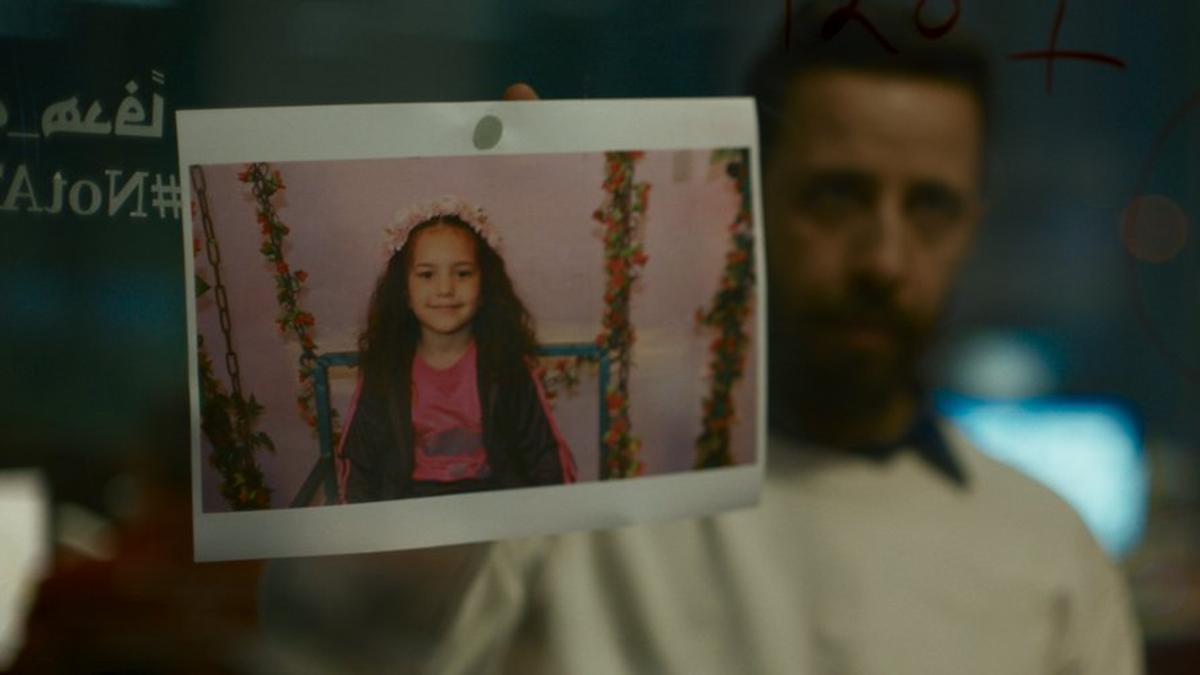
A still from ‘The Voice of Hind Rajab’
| Photo Credit: Mime Films
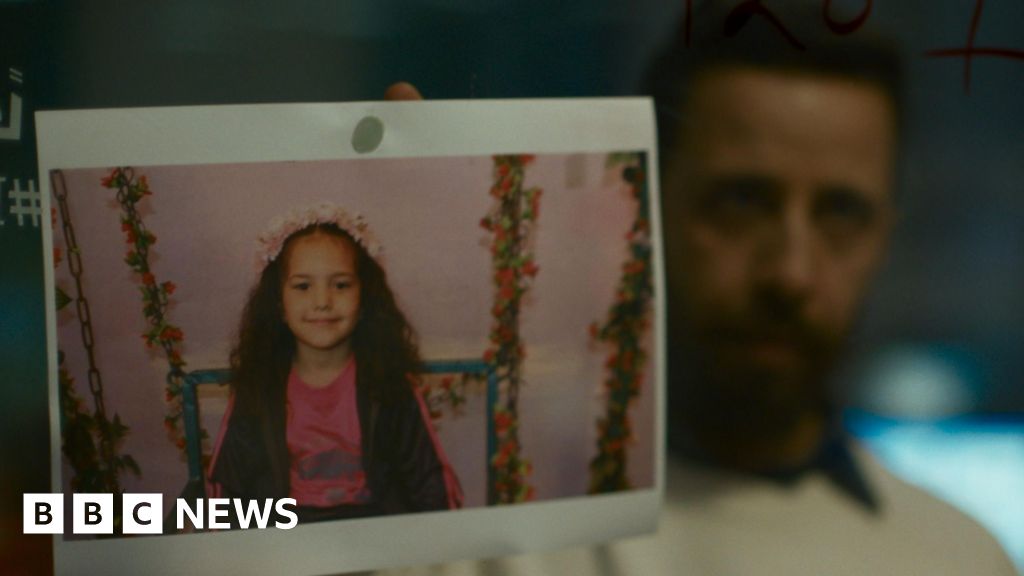
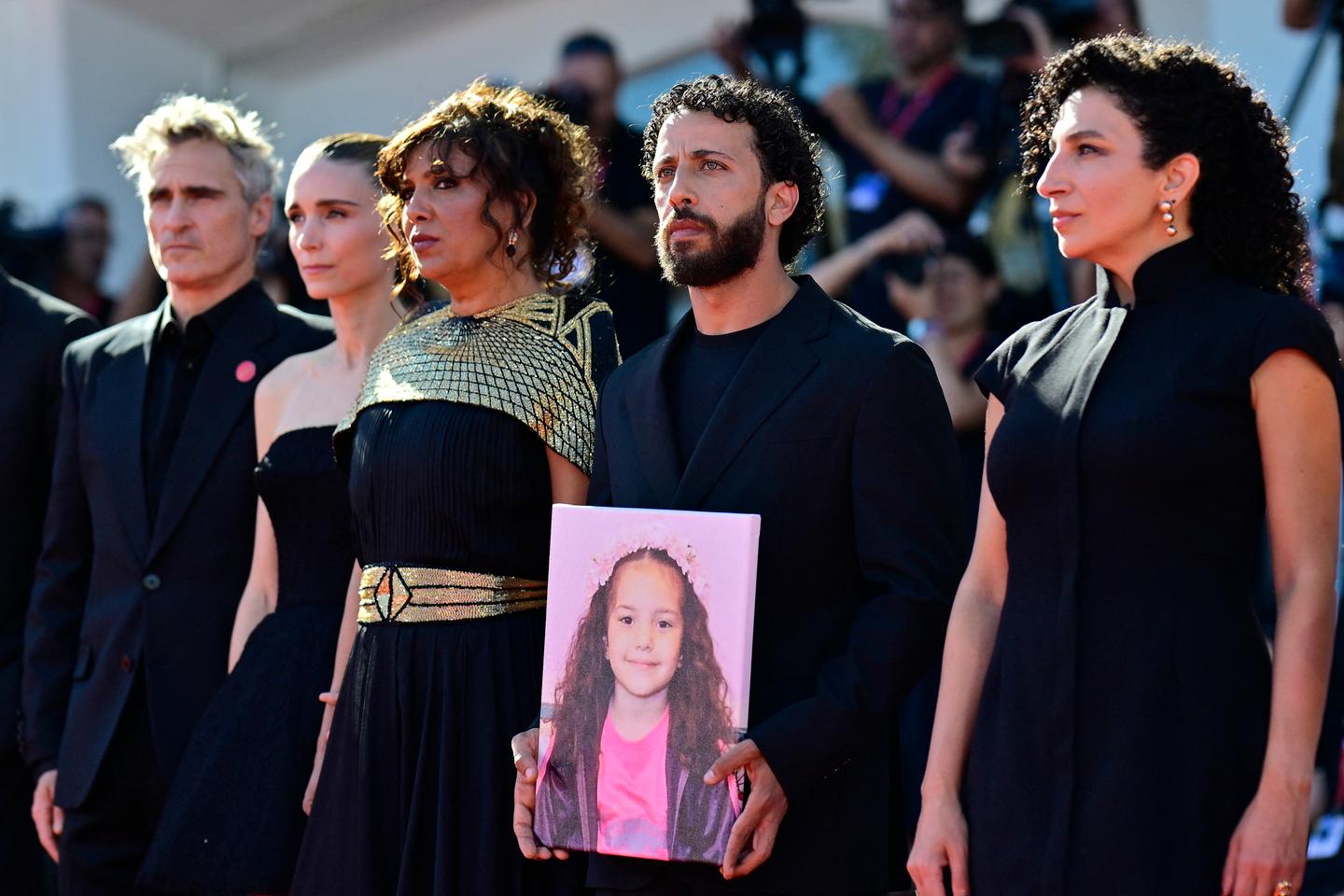
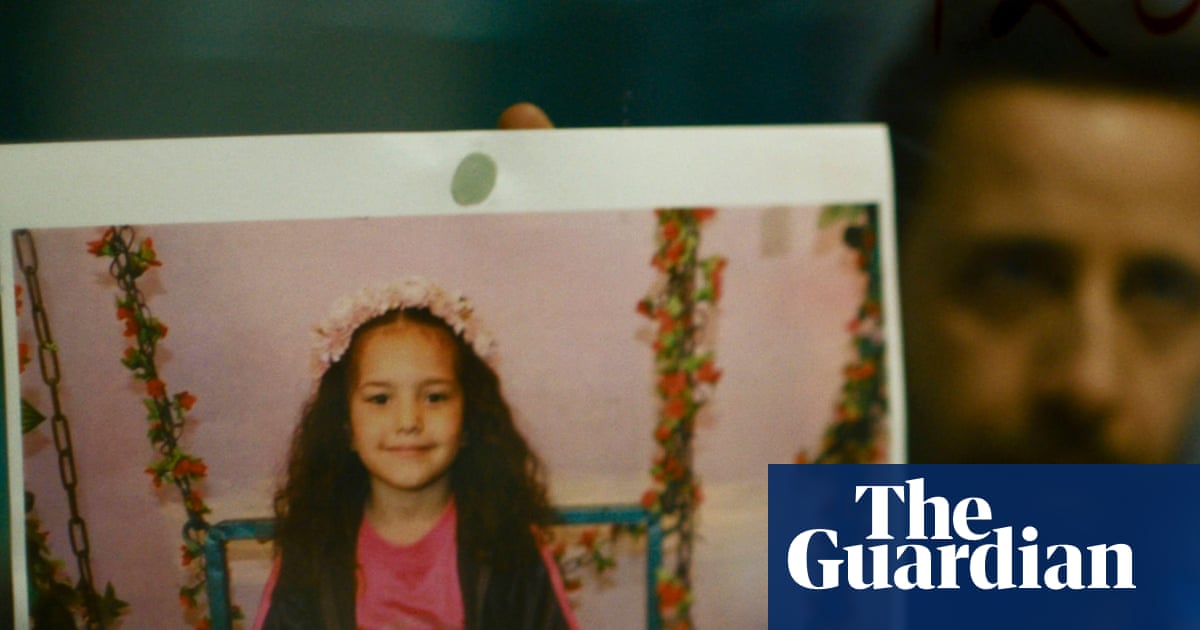
Perhaps the greatest compliment one can pay The Voice of Hind Rajab is that the CBFC briefly entertained the horrifying possibility that audiences might accidentally learn something from the film. Kaouther Ben Hania’s Venice-winning docudrama reconstructs the final hours of Hind Rajab, the six-year-old Palestinian girl who spent January 29, 2024, trapped inside a car in Gaza City’s Tel al-Hawa neighbourhood after Israeli fire killed six members of her family. For hours, she remained on the phone with Palestine Red Crescent dispatchers, surrounded by the bodies of her relatives, before she and the two paramedics sent to reach her were brutally killed by Israeli fire.Faced with this, our national custodians of public morality allegedly concluded that its release would “break up the India-Israel relationship”, which is a fascinating standard to apply, considering the film’s first and only offence appears to be documenting reality. Contrary to the growing chorus of Islamophobic trolls and assorted connoisseurs of genocide denial dismissing the film as Arab agitprop online, perhaps 355 bullets fired into a six-year-old proved a little too irrefutable for even one especially prolific purveyor of cinematic slopaganda (and fellow CBFC board member) to bury beneath another avalanche of bigoted WhatsApp-university revisionism. The Voice of Hind Rajab (Arabic)Director: Kaouther Ben HaniaCast: Motaz Malhees, Saja Kilani, Amer Hlehel, Clara KhouryRuntime: 89 minutesStoryline: Volunteers at the Palestine Red Crescent Society stay on the phone with a 6-year-old girl who gets trapped in a car in war-torn GazaBen Hania, the Tunisian filmmaker whose previous features The Man Who Sold His Skin and Four Daughters both secured Academy Award nominations, approaches this material through an austere formal framework. Rather than reconstructing the attack itself, she confines almost the entire film to the Palestine Red Crescent emergency call centre in Ramallah, a city in the occupied West Bank located roughly fifty miles from where Hind was trapped. Motaz Malhees plays dispatcher Omar Alqam, the real operator who spent hours speaking with Hind, while Saja Kilani, Amer Hlehel and Clara Khoury portray the colleagues attempting to organise a rescue mission through a labyrinth of military approvals and communications bottlenecks. The film maps the excruciating administrative machinery governing survival in Gaza, explaining how the Palestine Red Crescent could not simply dispatch the nearest ambulance to a terrified child trapped less than ten minutes away, but instead had to navigate a chain of approvals involving the Palestinian Ministry of Health, the International Committee of the Red Cross and the IDF, before a vehicle could legally enter the area. The otherwise eight-minute rescue gradually metastasises into an hours-long exercise in procedural paralysis, with the dispatchers trapped in the crippling position of begging the same military apparatus that shredded Hind’s family car for permission to rescue its sole surviving occupant.