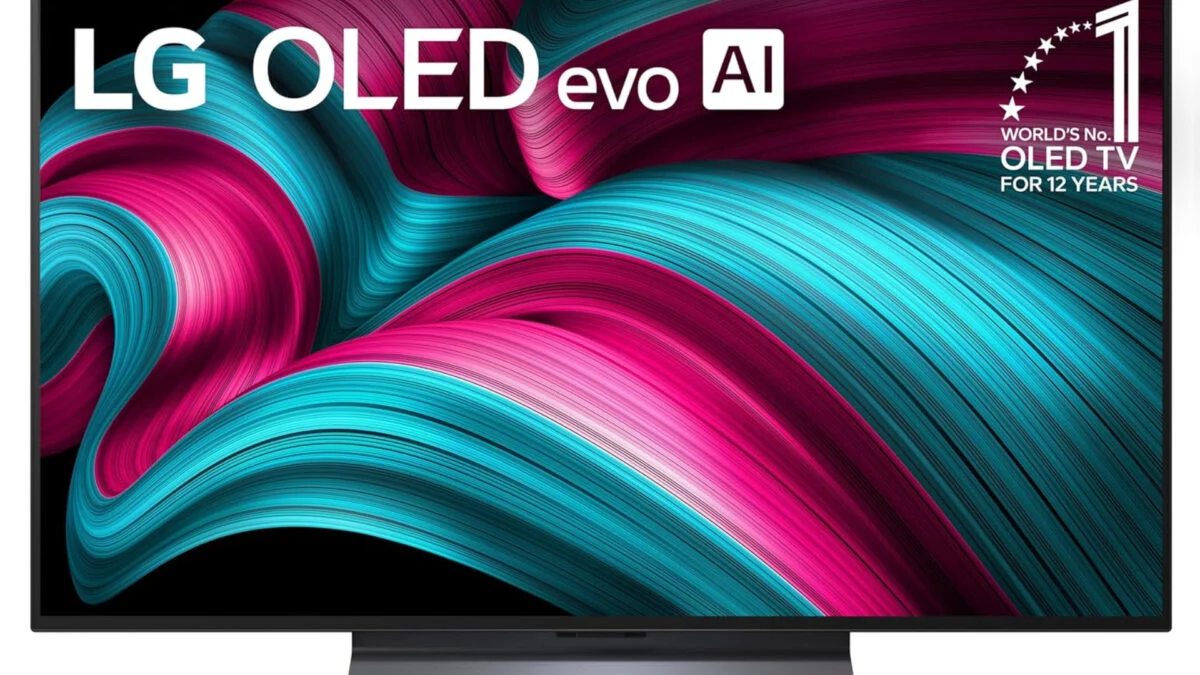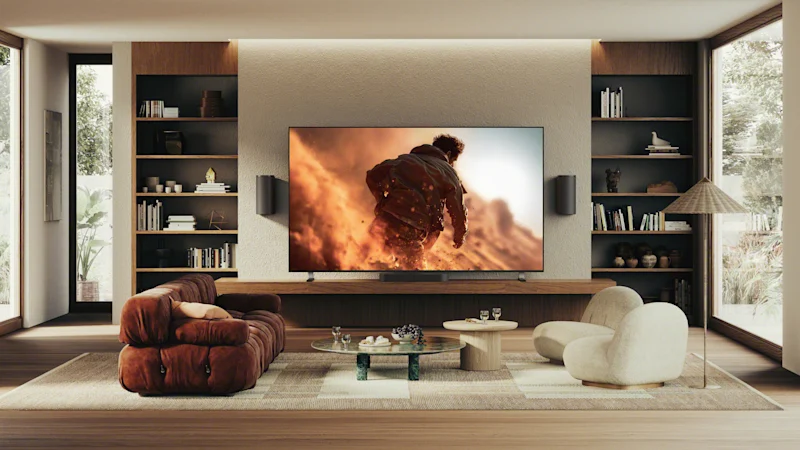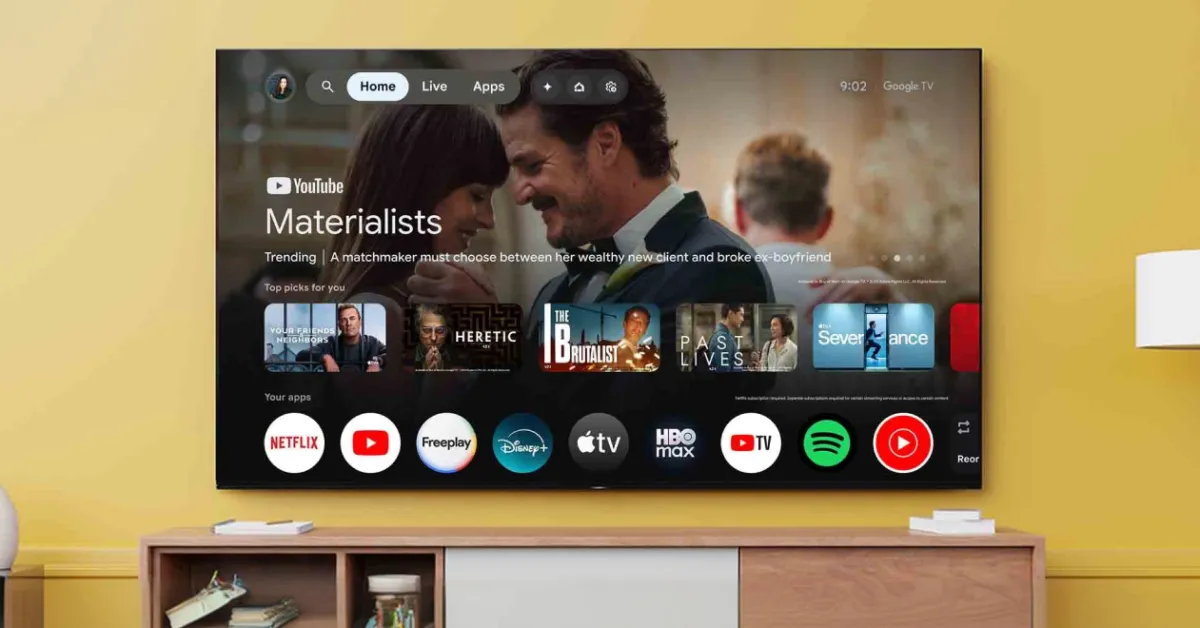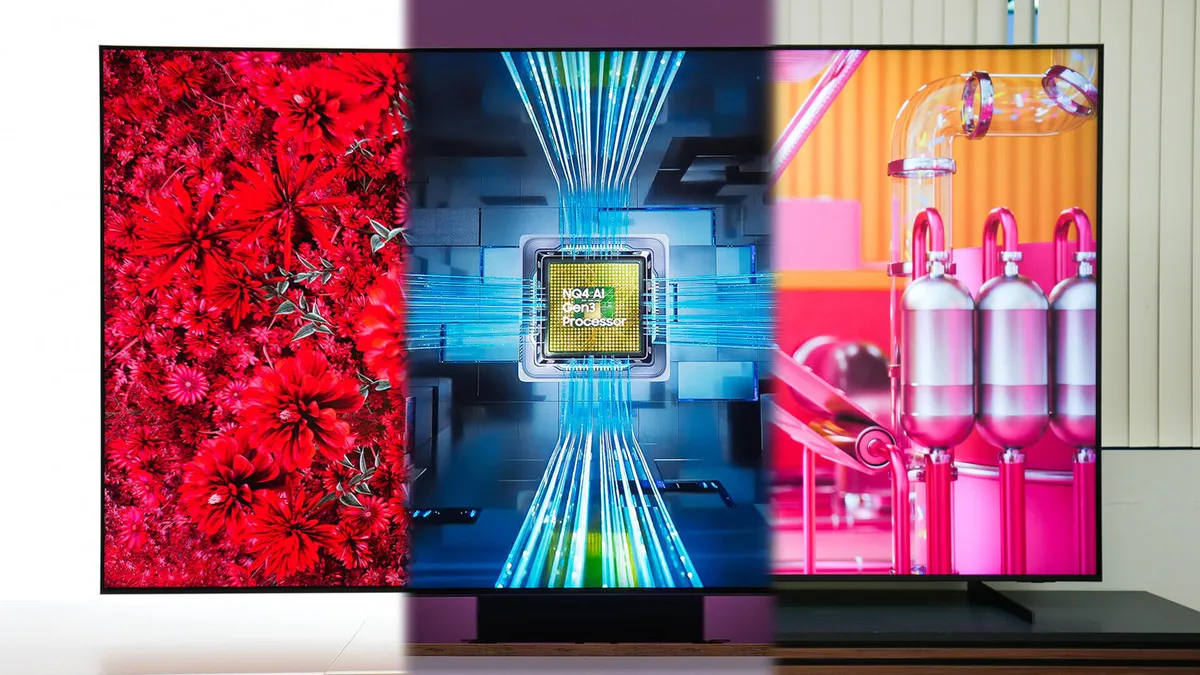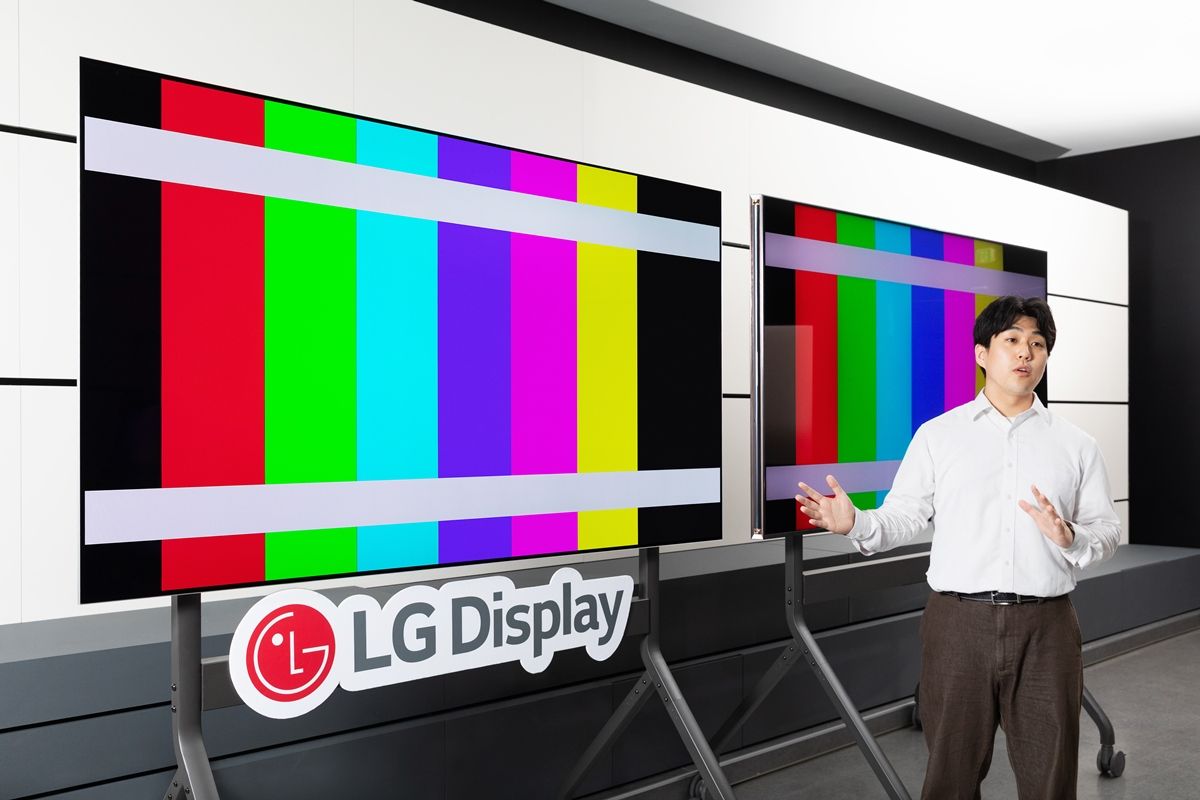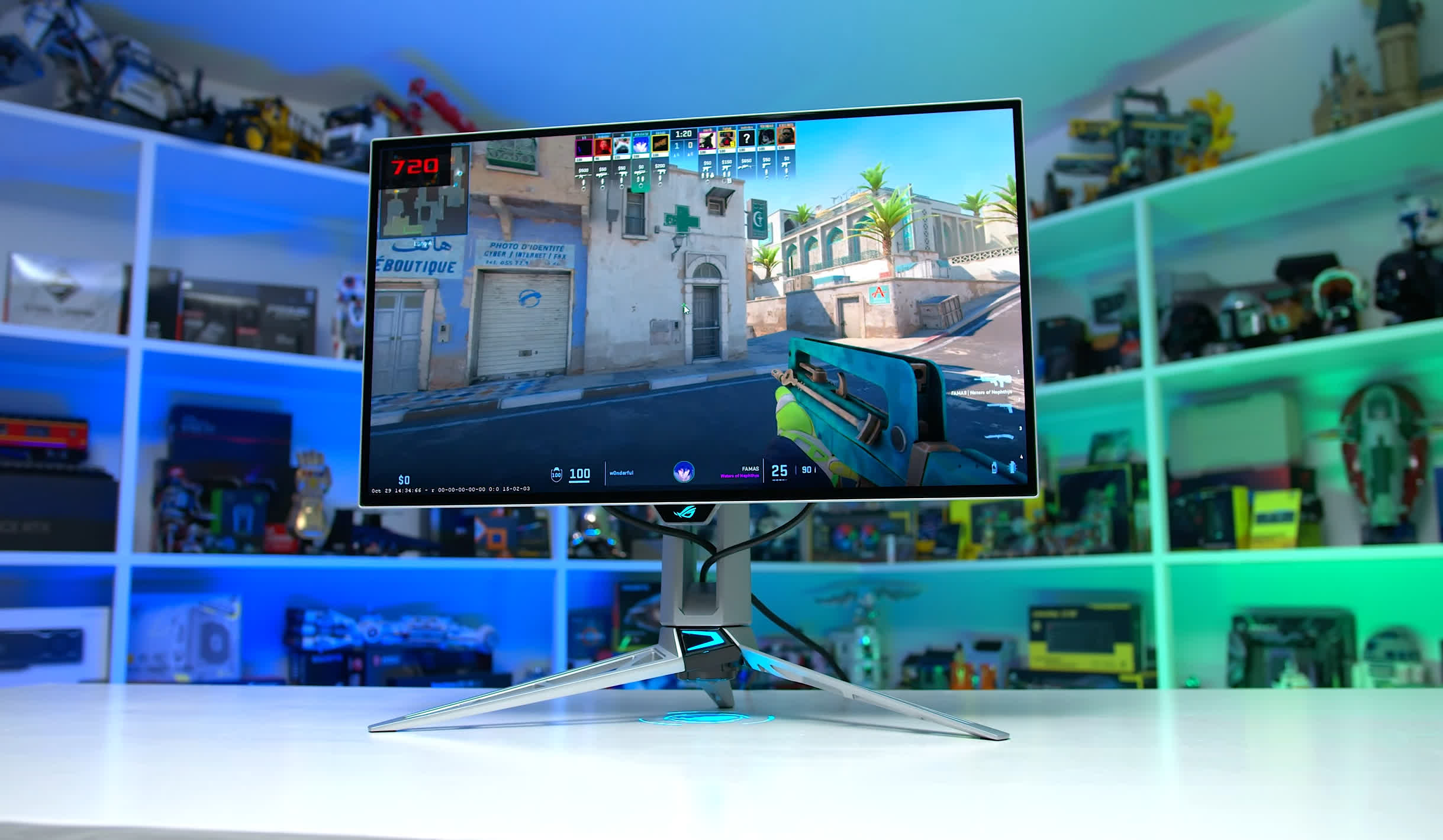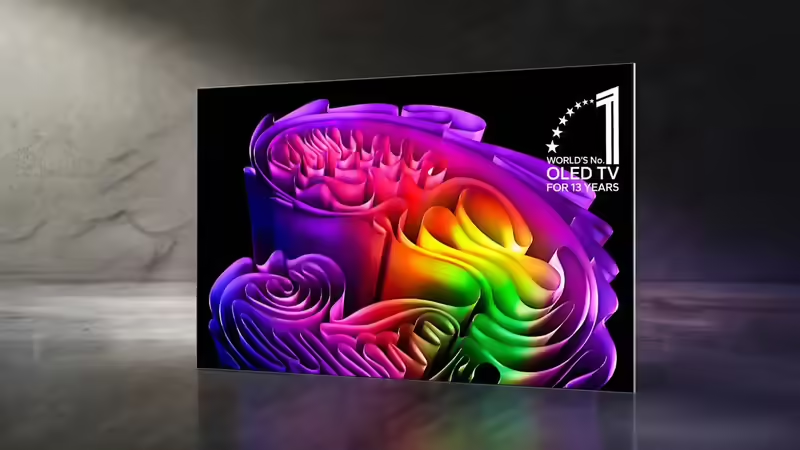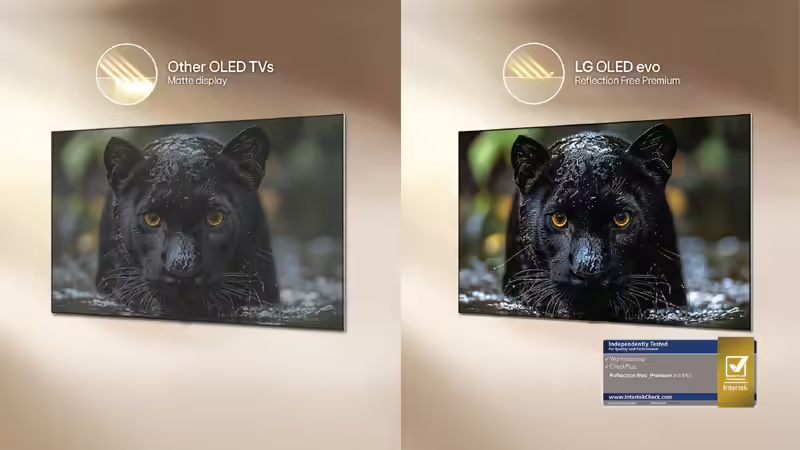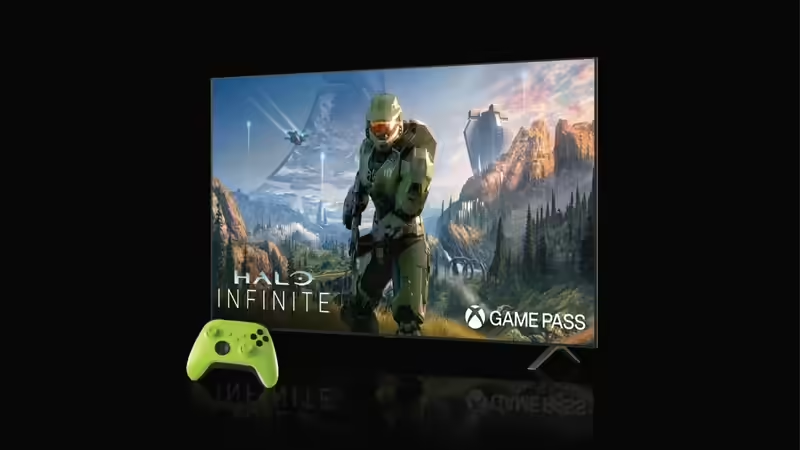
Picture this: final circle, one opponent left. You already made the right call - the angle, the timing, the input were all clean. But the moment reaches the screen a fraction too late, softened at the edges, highlighting detail blown into a flat wash of white. You lose, technically, even though your reflexes did everything right. This is the conversation gaming has been slow to have: for years televisions have been sold on screen size, smart features, and colour counts, while the specifications that actually decide whether a display can keep pace with the XBOX and PlayStation, have stayed buried in the fine print, if they appear there at all.So here's the article that question deserves: a straight answer to "what TV features actually matter for console gaming," using LG's 2026 OLED evo G6, built around what LG calls ‘Unbeatable Gameplay in 4K 165Hz,’ as the working example of what "engineered for gaming" looks like in practice. It's worth noting the G6 isn't an unknown quantity either. Its webOS platform has been named AVForums' Best Smart TV System for eight consecutive years, and its TV OS and Multi-AI architecture both picked up CES Innovation Awards Honoree recognition in 2026.Is OLED good for gaming? Here's the real AnswerShort version: yes, and the reason matters more than the answer itself.Every pixel on an OLED panel generates its own light and switches independently, with no backlight diffusion or local-dimming zones estimating brightness across groups of pixels. That pixel-level control is what makes OLED naturally suited to the two things gaming values most: true black levels and fast response times. It is also why questions like "is OLED good for gaming?" and "what's the fastest TV panel for gaming?" often arrive at the same answer - response time and contrast are panel-level characteristics, and OLED has a structural advantage that backlit LCDs cannot replicate by design. On the G6, LG builds on that foundation with Hyper Radiant Color Tech and the α11 AI Processor Gen3, which precisely controls all 8.3 million self-lit pixels to improve picture quality without sacrificing OLED's speed advantage. The spec everyone skips: HDMI BandwidthHere's a useful way to think about it: imagine filling a bathtub through a drinking straw. The water exists, the pressure exists, but delivery becomes the bottleneck. That's essentially what happens when an XBOX or PlayStation meet an older HDMI port. A 4K signal at high frame rates demands serious bandwidth, and older HDMI standards simply cannot carry it all. The TV does not announce the compromise either; it quietly drops resolution, frame rate, or HDR, whichever it can afford to sacrifice; and displays the result as if nothing changed.Full-bandwidth HDMI 2.1 is not an extra feature; it is the pipeline the signal needs to exist properly. Without it, your console is being limited by the display before the game even starts. It also underpins the G6's headline gaming capability: support for up to 4K at 165Hz. That exceeds what current-generation consoles can output today, making it less a feature for now and more long-term headroom for whatever comes next.Input lag and response time: The numbers your hands already knowThere's a threshold in gaming nobody teaches you, but every experienced player has felt it: the point where the gap between pressing a button and seeing the result on-screen disappears. Above that threshold, you and the game are always operating through a small delay, not broken, just never fully in sync. That gap is input lag, and more than almost any number on a specification sheet, it separates a TV you can game on from one built for gaming. For an Xbox and playstation, a dedicated Game Mode that keeps input lag low at 4K is a baseline requirement, not a bonus feature.Pixel response time works alongside it, but measures something different: not how quickly the signal reaches the screen, but how fast the display itself can change. OLED's self-lit, independently switching pixels have a structural advantage because there is no backlight diffusion or dimming-zone delay involved. Both matter. A TV that excels at one while neglecting the other can still feel sluggish in practice.ALLM and VRR: The settings you shouldn't have to find manuallyTwo acronyms worth knowing, because they quietly do a lot of work.ALLM (Auto Low Latency Mode) detects the moment a console is connected and switches the TV into its lowest-latency Game Mode automatically. No menu-diving required.VRR (Variable Refresh Rate) synchronises the TV's refresh cycle to the console's actual frame output in real time, which is what eliminates screen tearing, that visual stutter where a frame appears to rip apart mid-motion. The LG OLED evo G6 carries NVIDIA G-SYNC compatibility and AMD FreeSync Premium, the two major VRR standards spanning console and PC ecosystems, so whichever system is connected, the sync holds. Part of what LG markets as the G6's "tear-free and winning gameplay."Together, ALLM and VRR are the reason a well-built gaming TV "just works!" the moment a console powers on. No manual mode-switching, no tearing to troubleshoot, no settings menu between you and the game.HDR Performance: Why darkness is Information, not decorationHere's a reframe worth making: picture quality on a gaming TV isn't the aesthetic layer. It's functional.Reading shadow detail in a dark interior and spotting an opponent hidden in a corner when a weaker display would crush the scene into black is a gameplay advantage. So is tracking a target against a busy background without motion blur softening the edges, or preserving the detail in an explosion instead of watching it blow out into white. HDR exists to make all three possible at once by expanding the space between the darkest shadows and brightest highlights so both retain detail instead of fighting over the same compressed slice of the image. The catch is that HDR is only as good as the panel beneath it: if a display cannot deliver true blacks or meaningful peak brightness, HDR becomes technically present but visually shallow.This is where OLED's infinite contrast ratio - where each pixel can switch off completel; provides the foundation HDR actually needs. On the G6, LG builds on that with Brightness Booster Ultra, powered by the α11 AI Processor Gen3's Light Boosting Algorithm and Light Control Architecture, increasing peak brightness by up to 3.9x for stronger highlights and cleaner detail. UL-verified Perfect Black and Perfect Color preserve contrast and colour accuracy even in bright rooms, while Reflection Free Premium certification helps maintain deep blacks without relying on matte coatings that can soften OLED clarity and wash black into grey. AI HDR Remastering also upgrades SDR content with HDR-like brightness, contrast, and colour automatically, improving everything on-screen between gaming sessions.Refresh Rate: 120Hz is the floor, not the ceilingBoth current-gen consoles are built around high frame rate output, so a 120Hz-class refresh rate is the minimum worth considering on any TV bought primarily for gaming. Anything lower and the display itself becomes the bottleneck, not the console. The LG OLED evo G6 goes further. Its ‘Unbeatable Gameplay in 4K 165Hz’ positioning means it supports up to 4K at 165Hz, which exists less for what a current generation console needs today and more as a buffer against the display being the reason you're upgrading again in a few years.No console? No problem: Cloud gaming on the G6Here's the twist in all of this. Everything above assumes a console is plugged into the screen. The G6 is also built for the version where one isn't.Through the LG Gaming Portal built into webOS, the G6 connects straight to Xbox Cloud Gaming. With an Xbox Game Pass Ultimate membership and a compatible Bluetooth controller, hundreds of titles stream directly to the TV, from day-one releases to long-running favourites, with no console, no disc, and no download. Because the game arrives as a live stream rather than from a box under the TV, the panel's strengths still do the heavy lifting: low input lag keeps the controller feeling connected, fast pixel response and high refresh keep the image clean, and HDR keeps it looking the way it was meant to.It quietly changes what the TV is. Not a screen waiting on a console, but a gaming device in its own right, an entry point rather than an accessory. The hardware ceiling becomes the screen's, and as everything above makes clear, that ceiling sits high.Beyond the game: What else the G6 is quietly doingA gaming TV in 2026 isn't just a gaming TV. It's also the screen your eyes and ears spend hours on outside of gaming, and the G6 carries a handful of features built for exactly that overlap:Eyesafe verification addresses something gamers rarely think about until their eyes are tired after a long session. The G6 is independently certified to reduce blue light without washing out the picture, so longer sessions stay easier on the eyes.AI Object Remastering Ultra automatically fine-tunes voices, background music, sound effects, vocals, and bass, useful for catching footsteps or callouts in competitive titles without riding the volume control.Virtual 11.1.2 Ch sound expands that into a multi-directional, room-filling soundstage, adding a spatial dimension that matters as much for open-world games as it does for movies and live sport.AI Voice ID with My Page means the TV recognises who's speaking and surfaces a personalised home screen: your scores, your watchlist, your widgets, without anyone having to log in or dig through profiles.AI Chatbot can flag and troubleshoot issues, like a sudden power-off, before you even notice something's wrong.AI Picture Wizard and AI Sound Wizard simplify picture and sound calibration instead of leaving it buried three menus deep.webOS with Multi AI Search, powered by Google Gemini and Microsoft Copilot, and AI Concierge for content recommendations, round out the smart platform side.LG Shield sits underneath all of it as the platform's security layer, which matters more than it sounds. A TV permanently signed into your accounts and streaming services is also a permanent target, and it's the webOS platform that picked up that CES 2026 Cybersecurity Innovation Award mentioned earlier.Quick Answers: What TV features matter the most for console gamingWhat's sold on the boxWhat actually wins gamesWhat the LG OLED evo G6 bringsScreen sizePanel type and pixel responseSelf-lit OLED panel with Hyper Radiant Color Tech"Crystal clear 4K"HDMI bandwidthFull-bandwidth HDMI 2.1High colour countPeak brightness and contrastBrightness Booster Ultra (up to 3.9x brighter), UL-verified Perfect Black & Perfect ColorSmart TV featuresVariable Refresh RateNVIDIA G-SYNC compatible + AMD FreeSync Premium"Vivid" picture modeRefresh rate ceilingUp to 4K at 165HzGlossy or matte screen claimsGlare handling in bright roomsReflection Free Premium certificationGeneric "Game Mode"Auto Low Latency ModeAutomatic console detection via ALLMBasic processorOn-device AI processingα11 AI Processor Gen3 with Dual AI EngineStandard smart platformPersonalisation and securitywebOS with AI Voice ID, My Page, AI Concierge, secured by LG ShieldThe bottom lineConsole gaming has quietly become the primary entertainment format in millions of living rooms, and the screen sitting in front of it deserves to be held to that standard. What a current-gen setup actually asks for is a display that takes the full signal, renders it without lag, adapts to frame rate in real time, and shows HDR the way it was mastered rather than the way a lesser panel interprets it, and the LG OLED evo G6 was built around that exact list: Hyper Radiant Color Tech, full-bandwidth HDMI 2.1, up to 4K at 165Hz with G-SYNC and FreeSync Premium support, and an α11 AI Processor Gen3 running underneath it all, not as a generalist TV with gaming bolted on, but as a display where gaming was the starting brief. When the screen disappears and only the game is left, that's not an accident. That's the spec sheet doing its job.Disclaimer: This article has been produced on behalf of LG by Times Internet’s Spotlight team.end of article
This is the TV your current generation gaming console were made for: LG OLED evo G6
Current-generation consoles are sending signals most televisions were never built to receive. Here is what changes when the display finally catches up.
1,953 words~9 min read