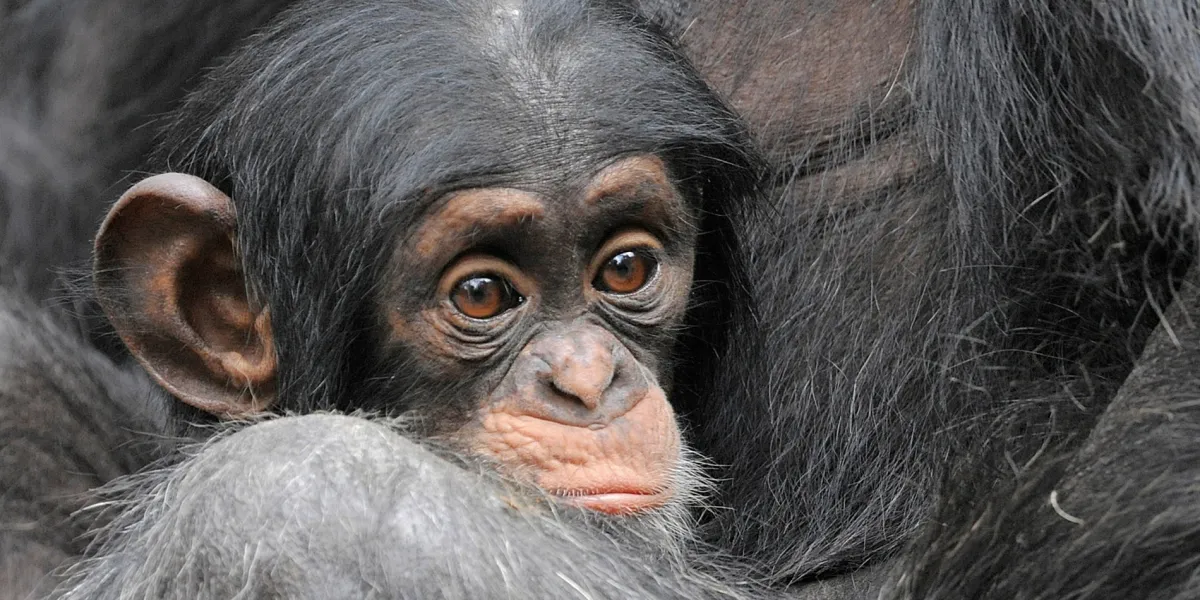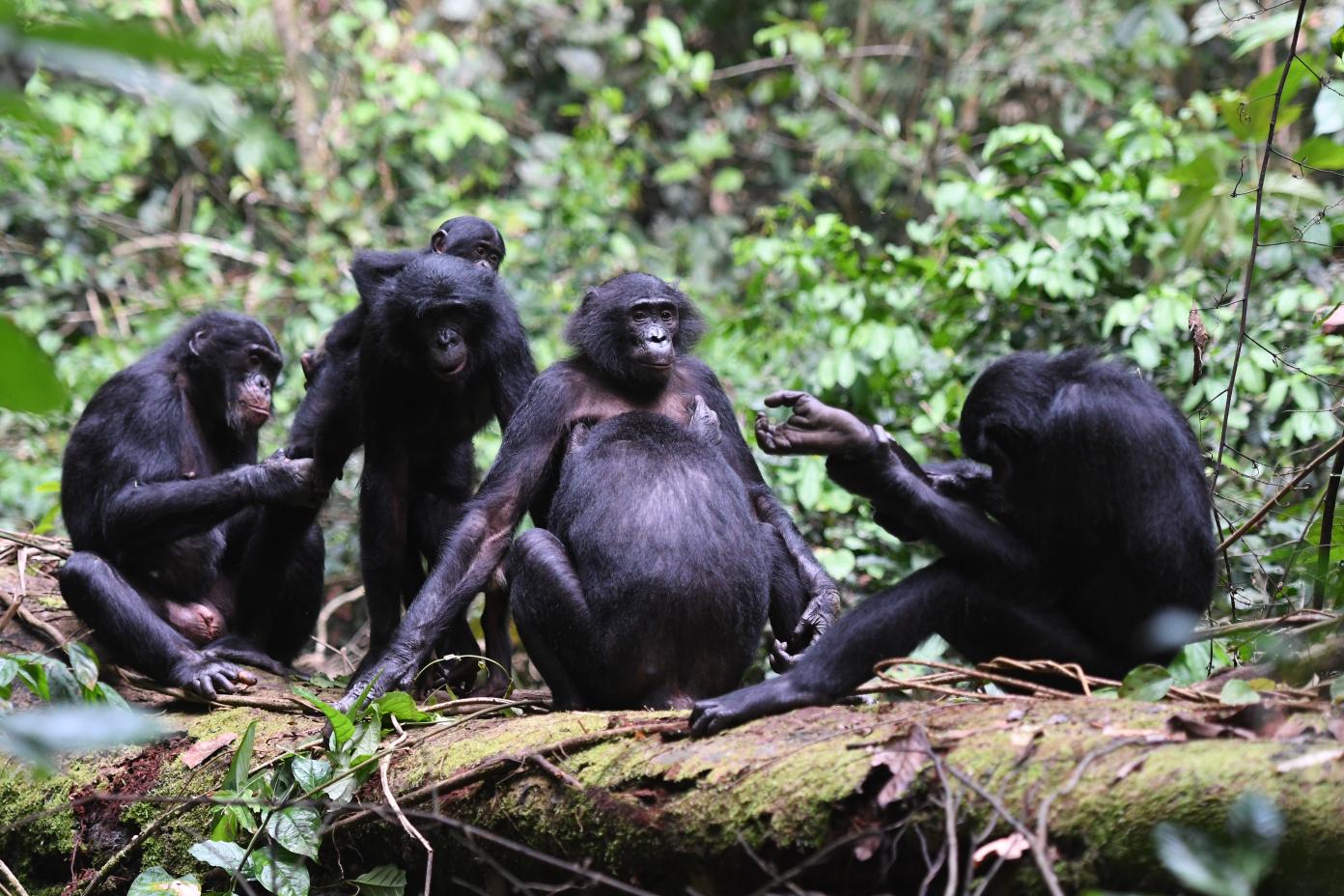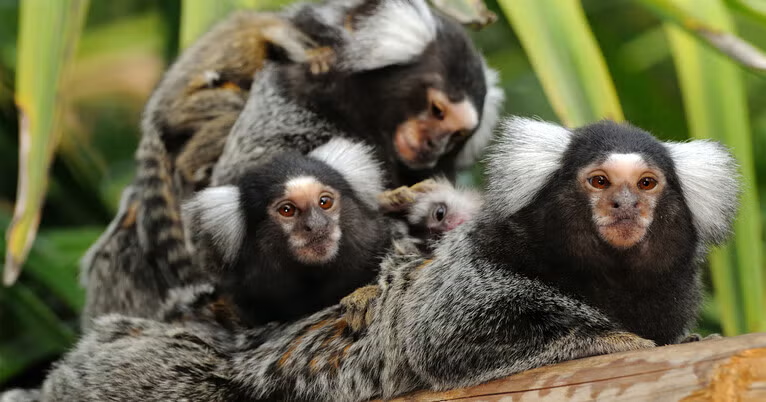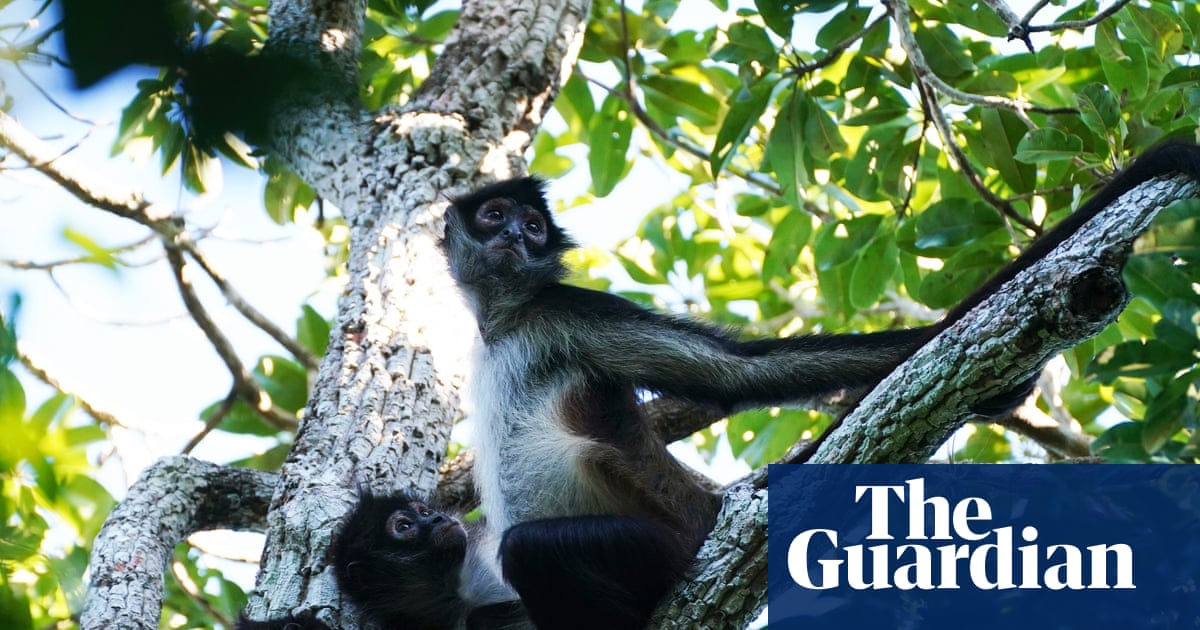
The margay is a small wild cat native to South America. A few years back, biologists noticed a strange behaviour being displayed by this tree-dwelling animal. They found out the feline was imitating the call of a baby monkey. They conducted some studies and found out that the margay’s imitation game was a clever ploy to lure its prey - adult monkeys.Far away from margay’s habitat, in North America, lives the Pink Lady’s Slipper, a plant that produces bright flowers that look ripe and juicy. Attracted by its appearance swarms of bees arrive to feed on its nectar. But there’s none! The Pink Lady’s Slipper tricks bees into carrying its pollen while providing nothing in return.Such acts of deception – big and small – are common in the animal world. Evolutionary biologists believe deception was a smart mechanism that some species used to survive without having to fight with its enemies.Why do we lie?Primatologist Emil Wolfgang Menzel Jr. conducted a fascinating experiment in 1974 with a group of chimpanzees at a zoo. He chose one among the group (let us call him X) and showed him a hidden stash of food. The rest of the group was made to observe X from a distance.Soon after, all chimps in the group started to follow X wherever he went. They seemed to know that X had some secret insider information. But here’s the interesting part - X also knew that his mates were suspicious. So he never publicly walked towards the food. Instead, he kept walking in circles or moving in the opposite direction. After a few days, the group became suspicious of X and started to observe him even more closely.The experiment revealed that deception is a strategic mechanism that animals (and human beings) use to protect their own interest without having to engage in violence. The chimp X did not eat the hidden food in front of the group because he knew he could be overpowered by stronger members. Through deception, he avoided a conflict to protect his interest.Menzel’s experiment heavily influenced the Social Intelligence Hypothesis or the Machiavellian intelligence hypothesis, which states that humans – and primates such as chimps – evolved large and complex brains not to solve “technical” problems such as finding food or making tools. It was actually to survive in large and complicated social groups. And surviving in a group without conflict, often, meant using trickery and deception.
Science of deception: Why our brain loves to lie
Explore how evolution shaped our brains to lie, revealing the complex interplay between deception, survival, and social dynamics.
1,263 words~6 min read