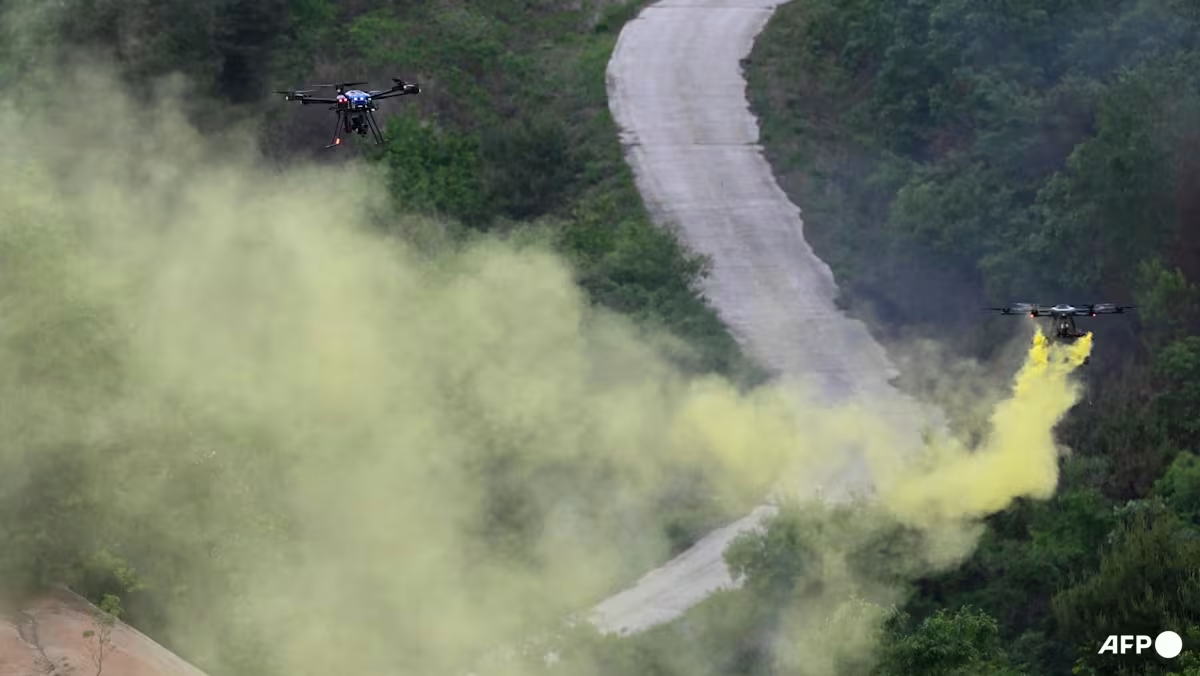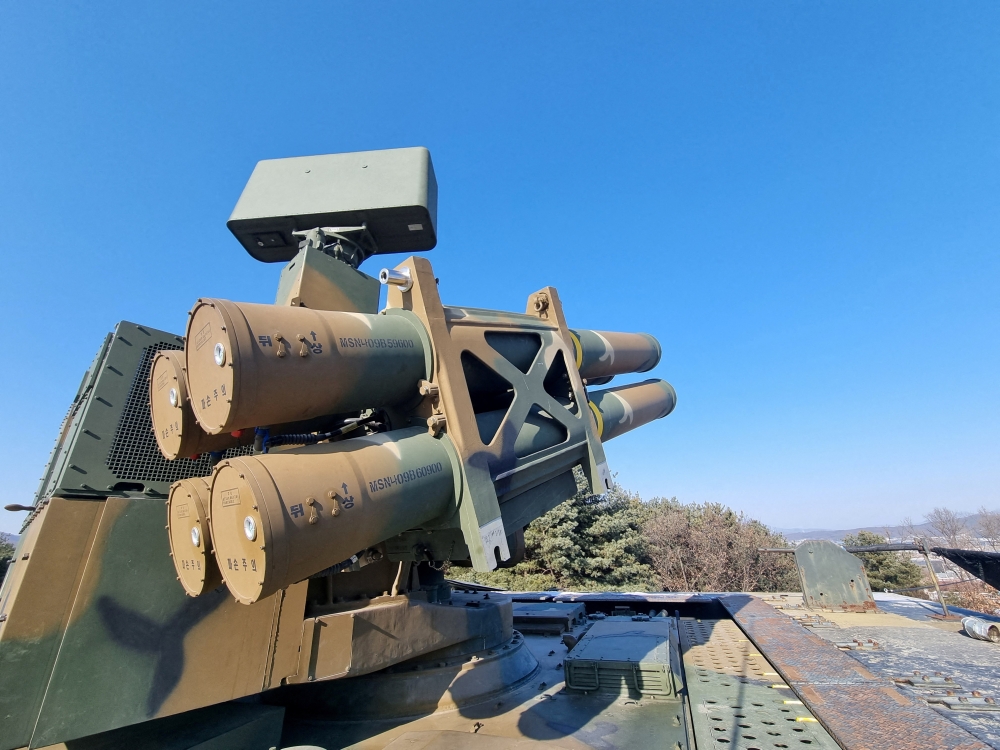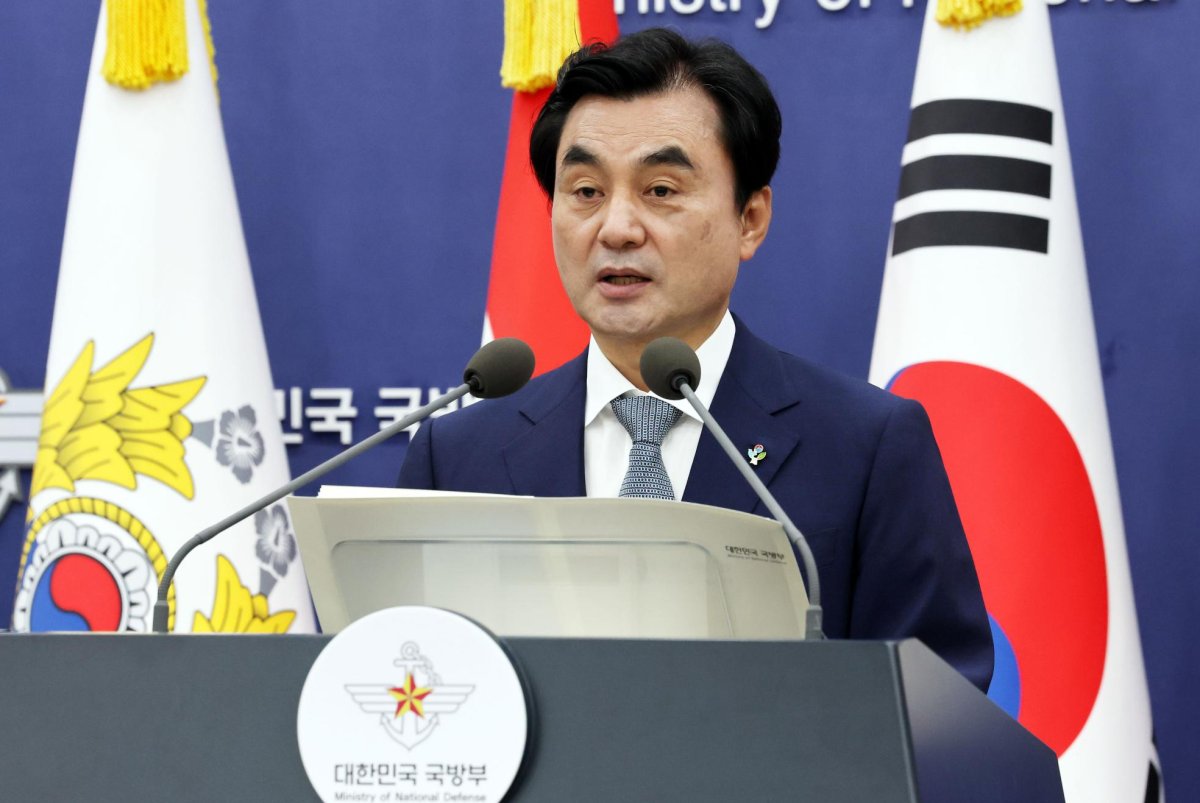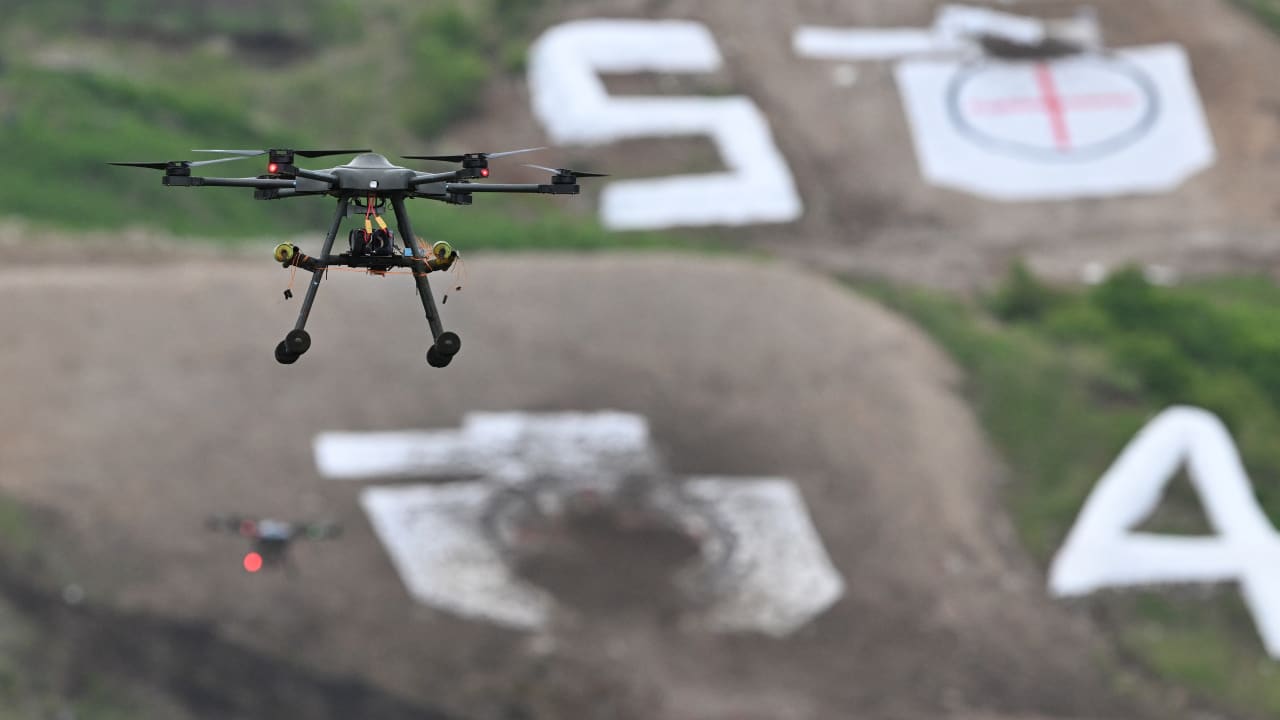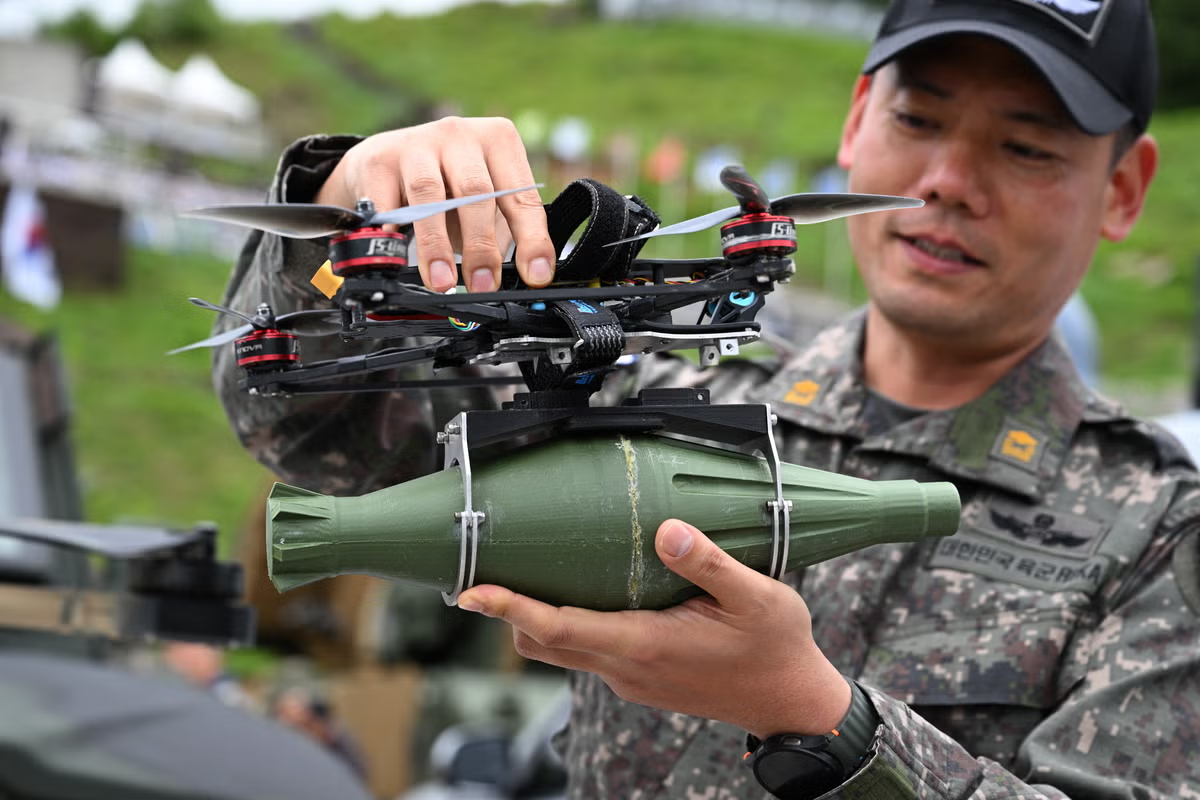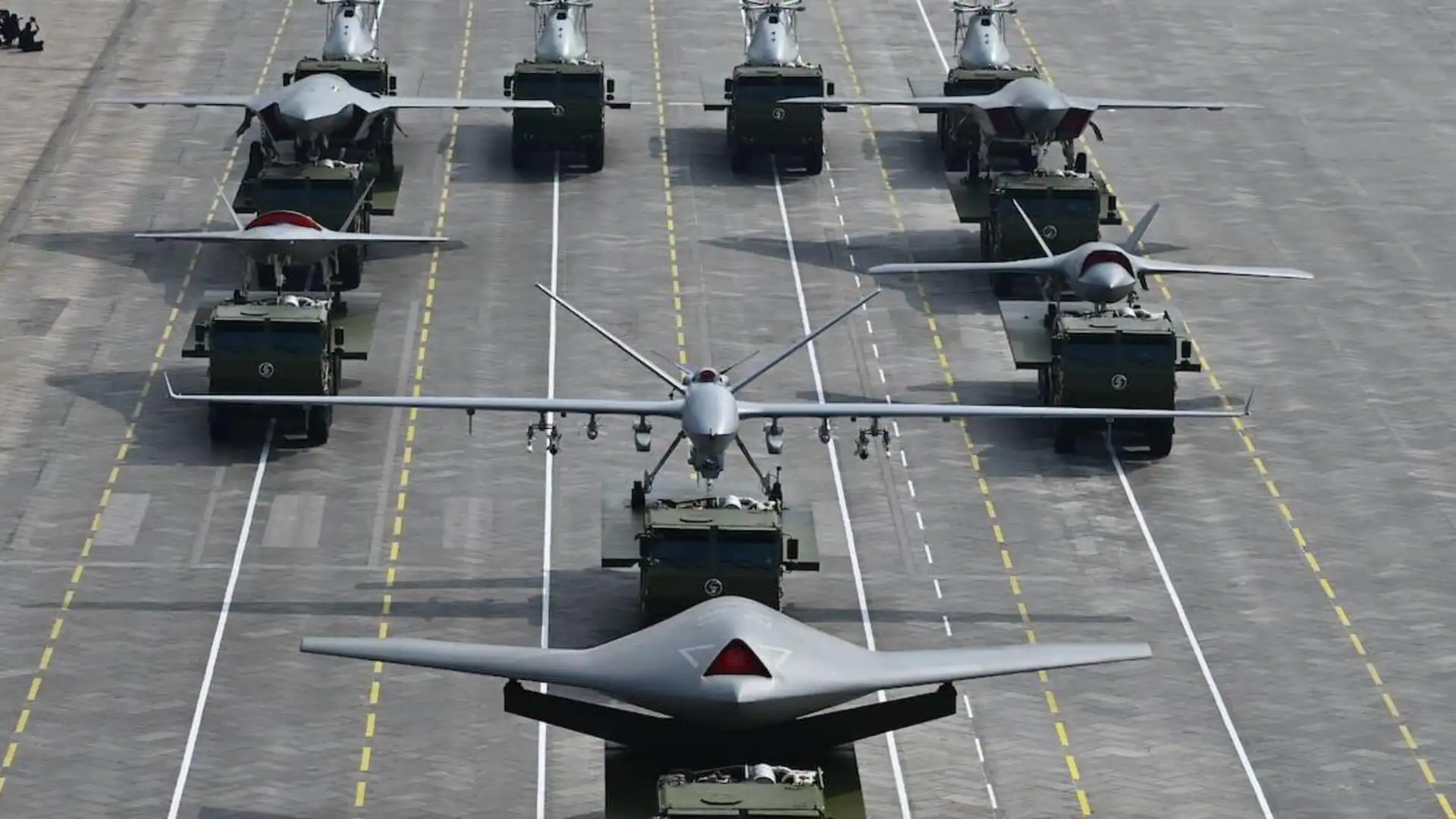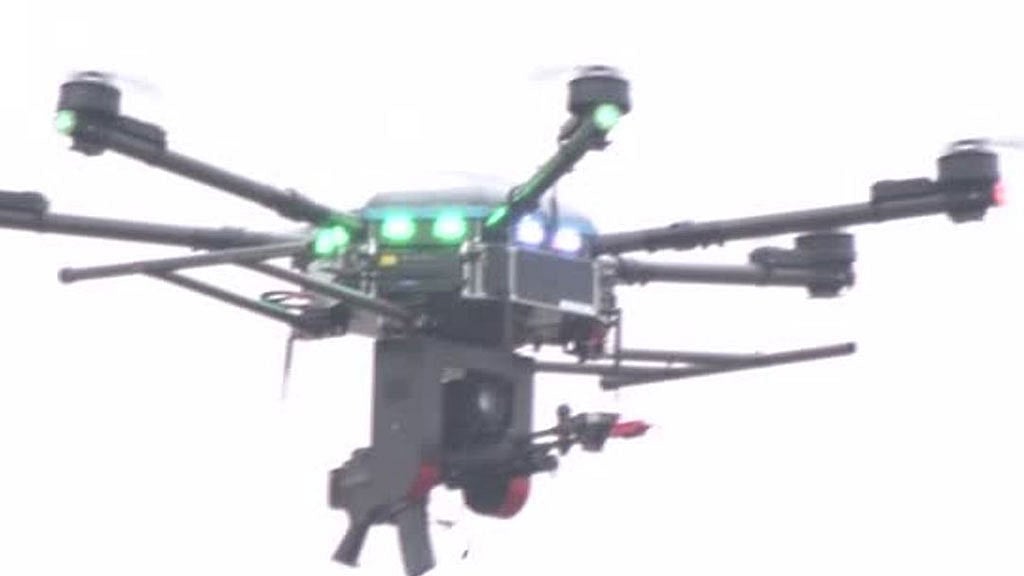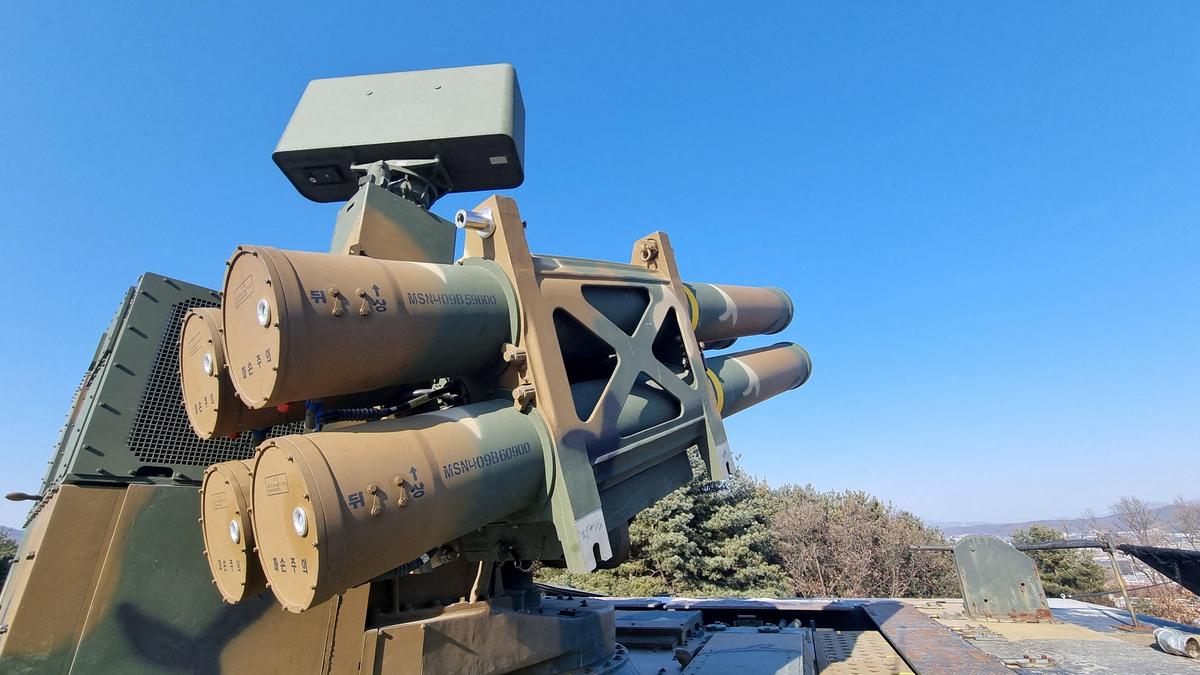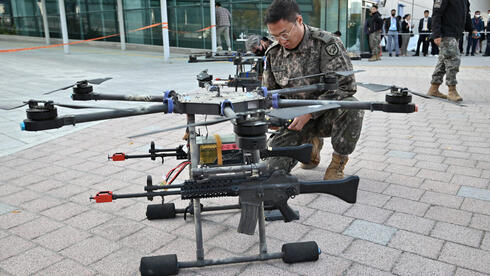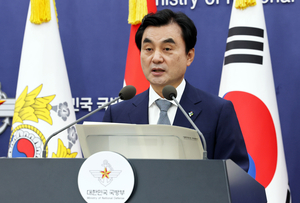
Defense Minister Ahn Gyu-back speaks during a press briefing on drone and counterdrone policy at the Defense Ministry headquarters in Seoul on Friday. (Yonhap) South Korea will acquire more than 20,000 low-cost drones and accelerate the deployment of a domestically developed long-range loitering munition, dubbed "K-Lucas," as part of a sweeping overhaul of its uncrewed warfare strategy, Defense Minister Ahn Gyu-back said Friday.The initiative comes as militaries around the world race to adapt to a rapidly evolving battlefield shaped by budget drones, following lessons drawn from Russia's war in Ukraine and the recent US-Iran conflict."The widespread deployment of low-cost drones is fundamentally reshaping modern warfare," Ahn said while unveiling the Defense Ministry's new drone and counterdrone strategy."At the same time, North Korea continues to expand its diverse uncrewed aerial capabilities, posing growing threats to our military as well as critical infrastructure and civilian facilities."As part of the plan, the military will accelerate the fielding of the Korean-style long-range loitering munition, known as K-Lucas, which Ahn said would be capable of carrying out strategic strikes in future conflicts.The ministry said it also plans to procure more than 20,000 low-cost expendable drones — including short-range reconnaissance drones and small loitering munitions — by 2030, while developing next-generation capabilities such as artificial intelligence-powered drone swarms.Beginning next year, South Korea also plans to deploy counterdrone systems and small uncrewed aircraft defense systems in front-line areas near the inter-Korean border."In the mid- to long-term, we will field directed-energy weapons such as lasers and high-power microwave systems while also acquiring low-cost interceptor drones at an early stage to counter the growing threat posed by inexpensive drones," Ahn said.The ministry also seeks to pursue legislation aimed at accelerating the acquisition of advanced drone technologies by allowing commercially available systems to be tested under military conditions and rapidly fielded through a streamlined certification process, according to Kim Hong-cheol, deputy minister for national defense policy."The pace of technological change in drones and counterdrone systems is so rapid that our procurement system can no longer rely on traditional approaches," said Kim in the same Friday briefing."We will make concentrated investments to simultaneously strengthen our military capabilities and foster the domestic drone industry, while pursuing legislation to speed up the acquisition of advanced defense technologies," he said.Ahn also reaffirmed the military's goal of training 500,000 "drone warriors," with the aim of enabling all service members to operate drones as a "second personal weapon."As part of the broader overhaul, the Defense Ministry will also transform the Drone Operations Command into the National Defense Drone Headquarters, removing its operational authority and making it a policy organization responsible for drone and counterdrone force development, procurement support and military-industrial cooperation.Operational planning and execution will instead be transferred to the Army, Navy, Air Force and Marine Corps, allowing each service to develop drone tactics tailored to its missions while the new headquarters oversees capability development and acquisition.The reorganization follows months of controversy surrounding the Drone Operations Command, which has been under investigation over allegations it carried out drone incursions into Pyongyang in October 2024 as part of an effort by former President Yoon Suk Yeol and former Defense Minister Kim Yong-hyun to create a pretext for the eventual declaration of martial law, which came about Dec. 3, 2024.The command has also faced allegations that personnel attempted to destroy evidence by deleting flight logs and disposing of equipment used in the operations after martial law was declared.Despite speculation that the organization could be disbanded, the Defense Ministry said the growing importance of drones, robotics and artificial intelligence in modern warfare has made it necessary to retain a centralized organization, while removing its operational functions."The Army, Navy, Air Force and Marine Corps will each develop drone operational concepts and tactics tailored to their respective missions and characteristics," Ahn said.Separately, President Lee Jae Myung is scheduled to chair a meeting Friday on fostering future security innovation companies, where officials are expected to discuss measures to strengthen South Korea's defense and space industries amid changing security challenges.
S. Korea to acquire 20,000 low-cost drones, fast-track 'K-Lucas' suicide drones
South Korea will acquire more than 20,000 low-cost drones and accelerate the deployment of a domestically developed long-range loitering munition, dubbed "K-Luc
668 words~3 min read