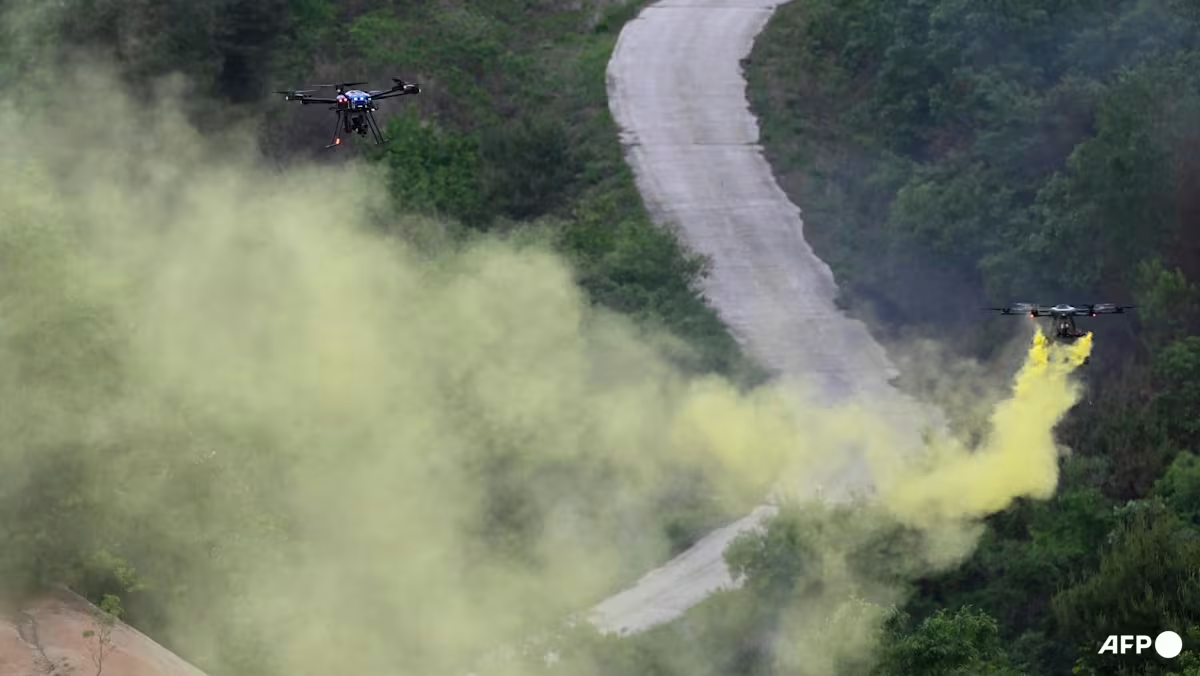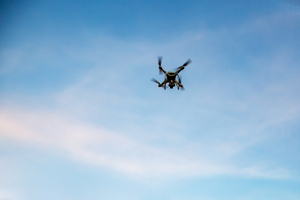
South Korea has started developing interceptor drones designed to collide directly with incoming medium-sized exploding drones, the state arms procurement agency said Friday.The Defense Acquisition Program Administration said the project is aimed at countering medium-sized exploding drones that are changing the nature of modern warfare.The rapid demonstration project is designed to quickly apply civilian technologies to the defense sector.Under the program, prototypes of weapons systems whose military requirements have not yet been formally set are developed first, before the armed forces test their operational usefulness through performance trials.The new “counter-drone hard-kill close-in protection system” will detect incoming enemy exploding drones with its own radar when they approach friendly assets.Once the target comes within a certain range, an interceptor drone will capture it with an infrared heat-seeking seeker and destroy it through direct collision.The system will use electro-optical and infrared equipment to confirm whether the interception was successful. If the first attempt fails, another interceptor drone will conduct a follow-up interception, the agency said.Through the project, the military plans to verify whether the system can counter medium-sized exploding drones that fly at low altitudes to bypass existing air defense systems.DAPA also expects the project to test the possibility of developing the system into a cost-effective, mass-producible weapon.“Direct-collision interceptor drones could become a new response option for protecting rear-area facilities such as command headquarters, air bases, missile bases, power plants and ports,” said Yoon Chang-moon, director general of DAPA’s Defense Technology Protection Bureau.“If developed into a cost-effective defense system that can replace expensive missiles, it could also help reduce the defense budget and strengthen protection capabilities,” he added.The project will be carried out by the Defense Rapid Acquisition Technology Research Institute, affiliated with the Agency for Defense Development, over two years with a budget of 17 billion won ($11.2 million).If the prototype is recognized as useful for military operations through performance demonstration tests, the military will decide whether to pursue a follow-up project through procedures such as raising an urgent operational requirement.
S. Korea to develop interceptor drones against exploding drone threats: DAPA
South Korea has started developing interceptor drones designed to collide directly with incoming medium-sized exploding drones, the state arms procurement agenc
331 words~2 min read