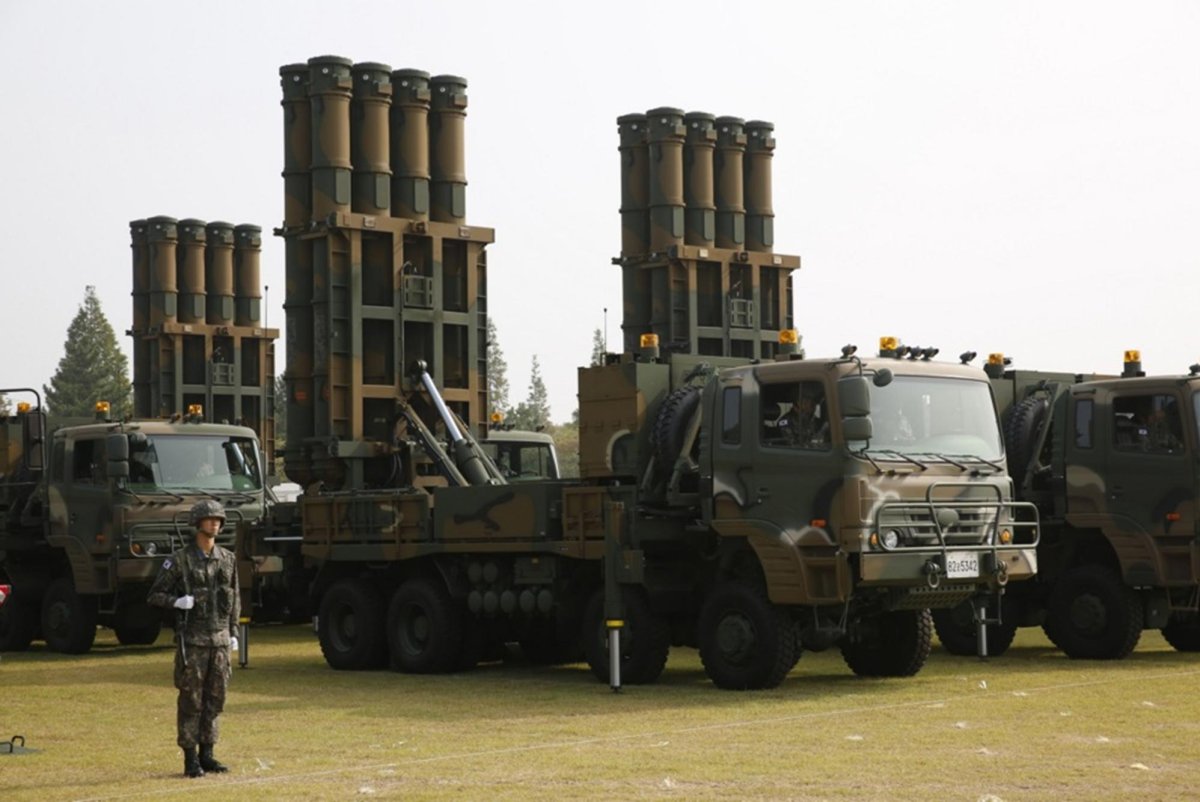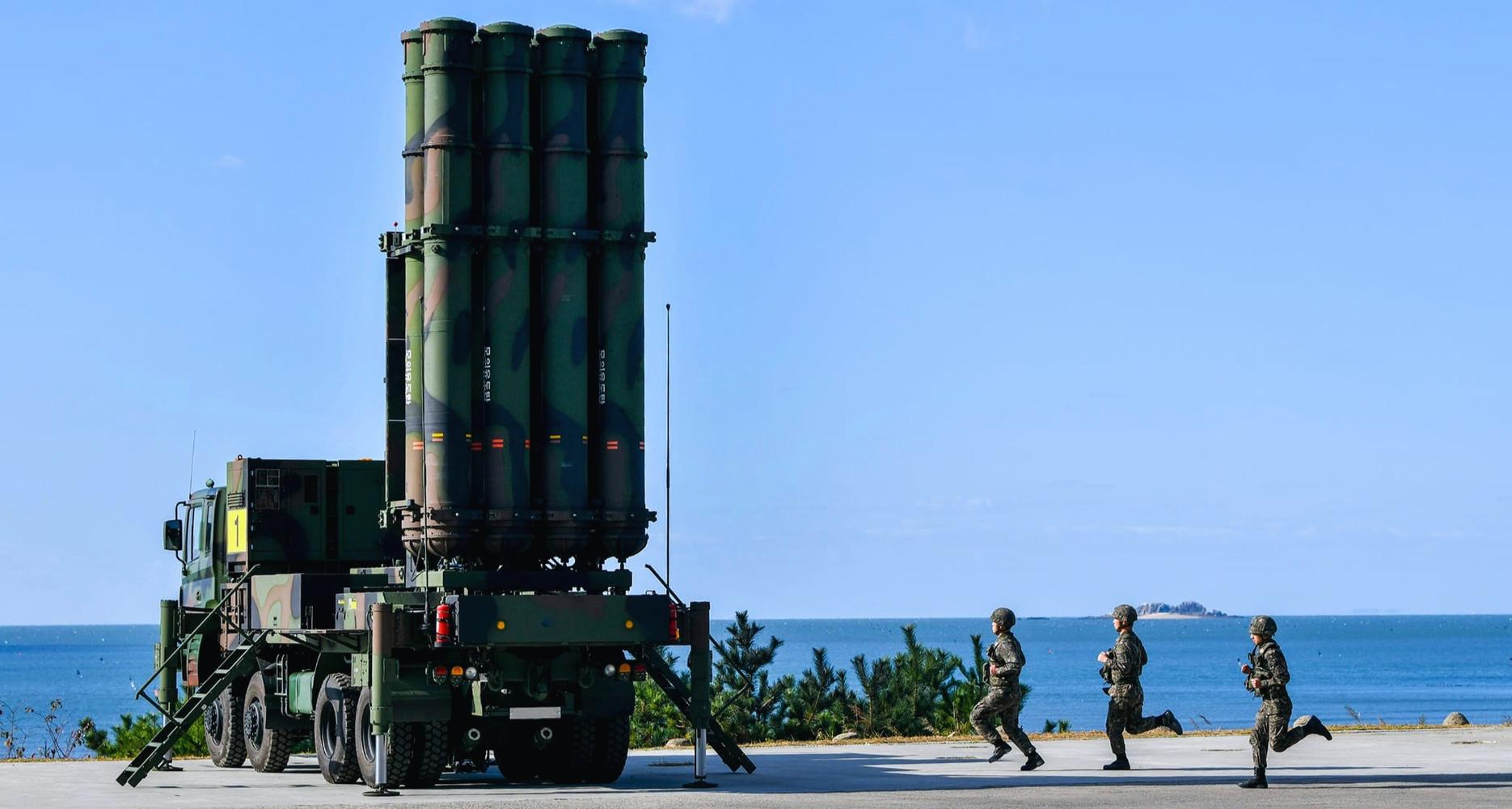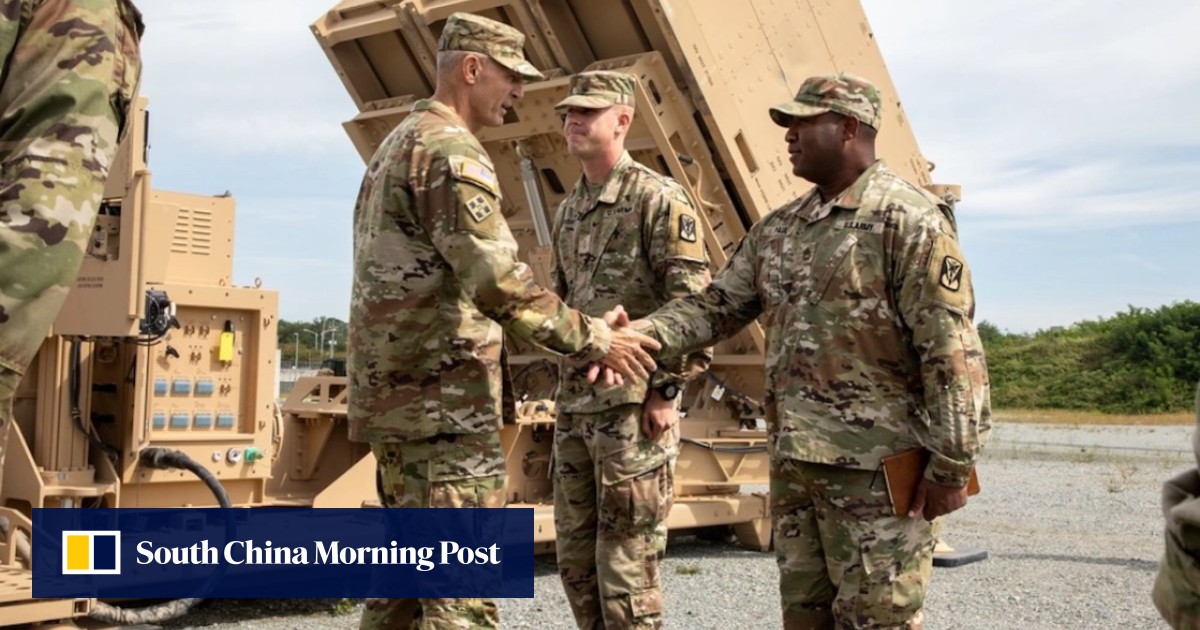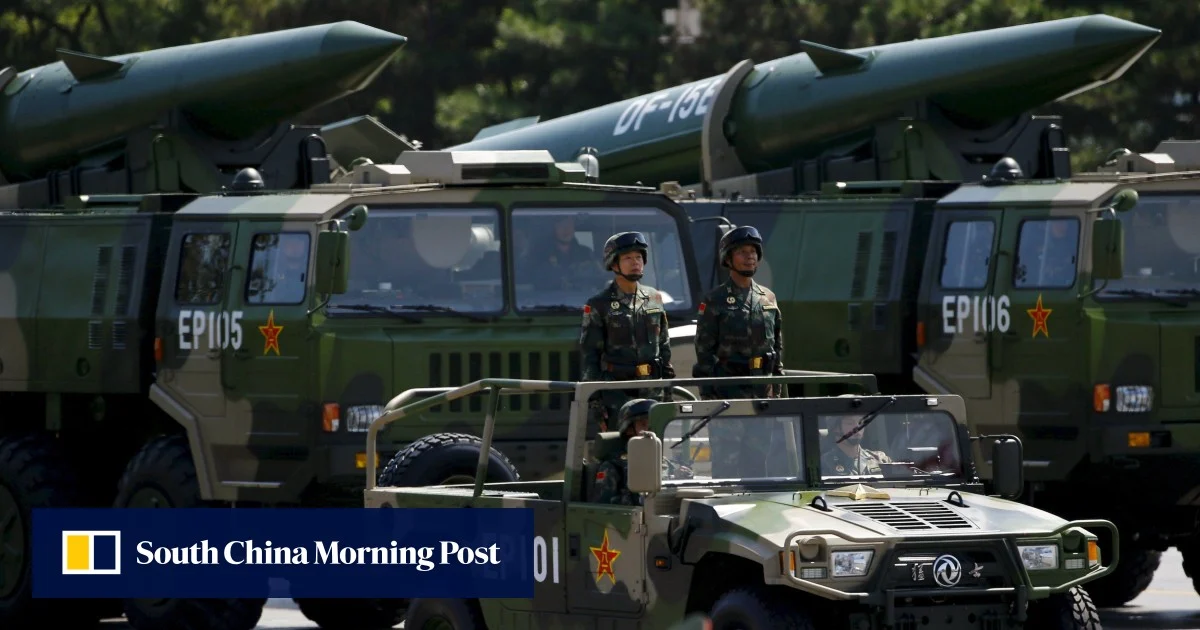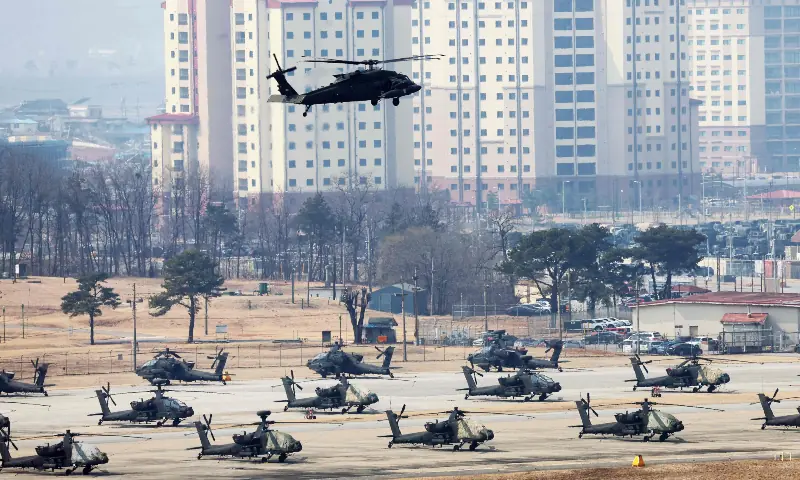
South Korea’s combat-proven, interoperable and geopolitically accessible surface-to-air missiles could hinder China’s efforts to sell its own defence systems to the Middle East, analysts have suggested.The US-Israel war on Iran has been marked by tit-for-tat missile and drone attacks across the Persian Gulf states, driving a surge in demand for surface-to-air missiles to defend against incoming Iranian aerial threats.According to a study by the Foreign Policy Research Institute, a Philadelphia-based think tank, more than 5,000 munitions were fired in the first 96 hours of the armed conflict, including about one-third of the Terminal High Altitude Area Defence (THAAD) missiles operated by Gulf states.As the war has continued, a shortage of surface-to-air missiles has pushed Washington to relocate to the Middle East parts of its air-defence systems deployed elsewhere in the world, such as its THAAD and Patriot systems in South Korea.South Korea may see US missiles move to Middle EastThe South Korean-made medium-range surface-to-air missile Cheongung-II, known as M-SAM, was also involved in defending against Iranian attacks. Two of its batteries are operated by the United Arab Emirates (UAE), following the 2022 acquisition of 10 batteries under a US$3.5 billion deal.
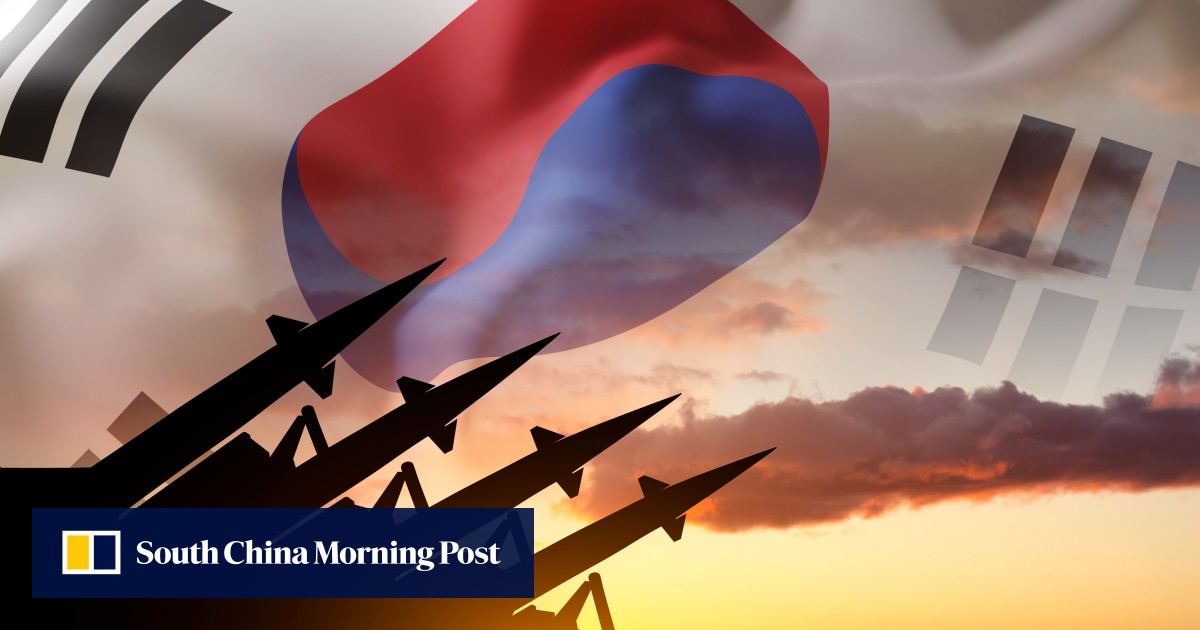
Will South Korea’s ‘Goldilocks’ missile dent China’s Middle East arms ambitions?
The Cheongung-II has reportedly achieved a 96.7% intercept rate against Iranian drones and ballistic missiles.
191 words~1 min read